A link in the VW Group chain without a collective bargaining agreement—hardly conceivable. The Volkswagen Group is considered a prime example of union influence on good wages and working conditions in Germany. At Moia, a wholly owned subsidiary of VW, management is not only vehemently resisting a collective bargaining agreement, but the working conditions are also repeatedly coming under heavy criticism from politicians, the media, and, in particular, IG Metall.
As an immediate measure, IG Metall is demanding a 5.2 percent pay increase for the 1,200 employees and an additional inflation adjustment bonus. The goal is to conclude a company-level collective bargaining agreement modeled after the regulations of the Volkswagen subsidiary Volkswagen Group Services. After the second round of negotiations in mid-September, the employers declared the talks a failure. The company has remained silent on further negotiations since then, but has threatened IG Metall with plant closures and layoffs. Pressure has also been and continues to be exerted on employees whenever they are visibly involved in union activities.
Great Anger Among Employees
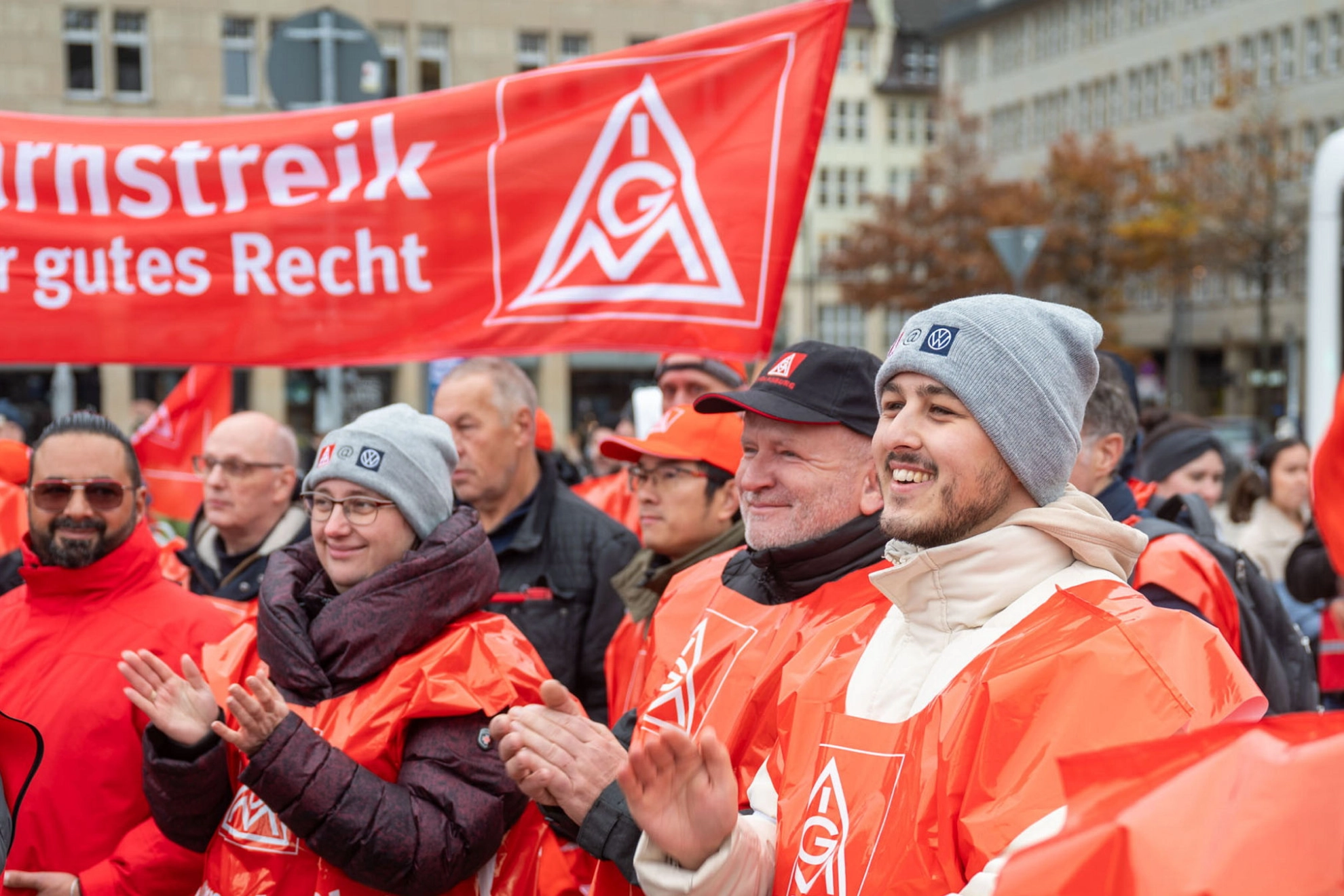
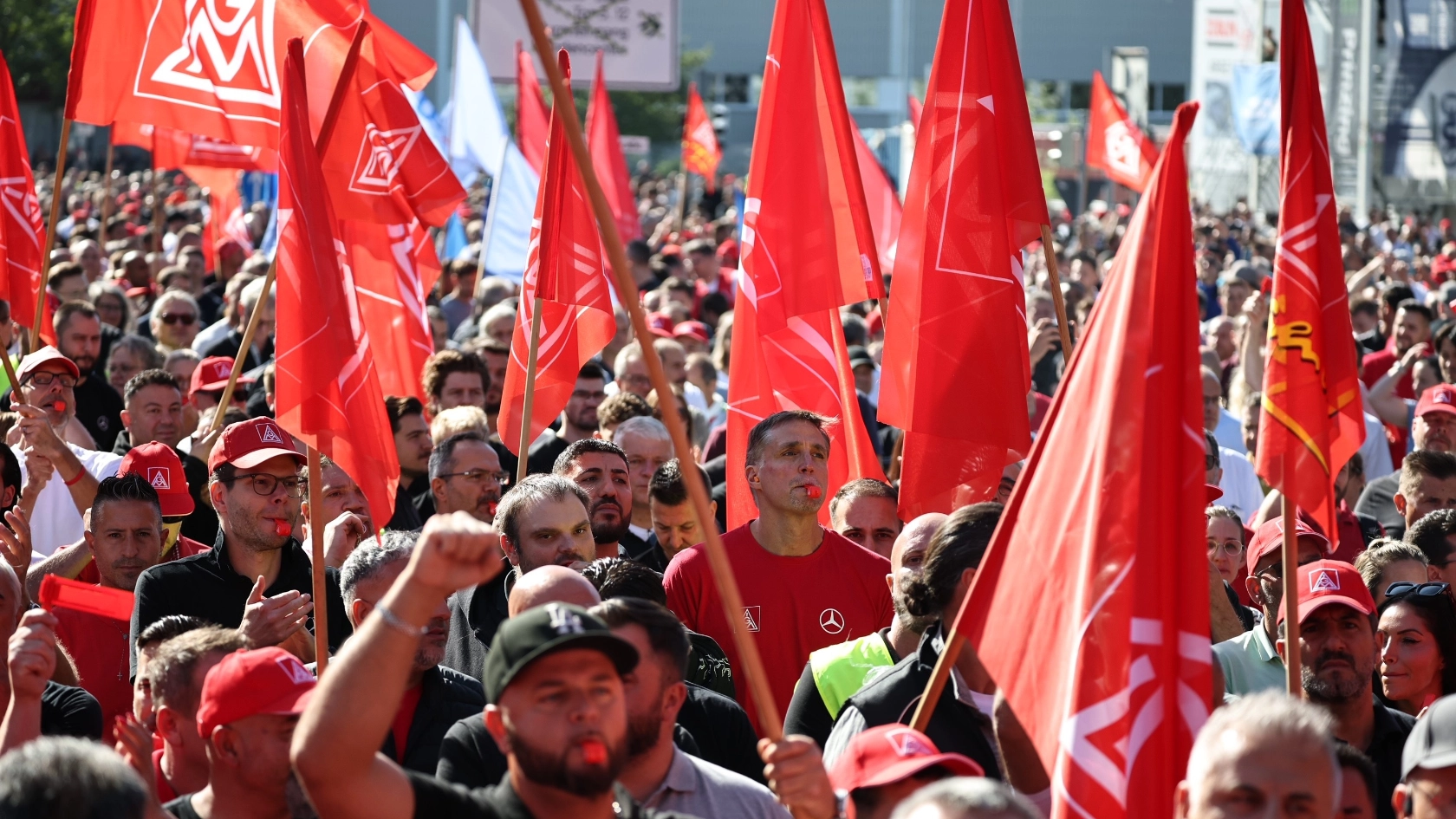
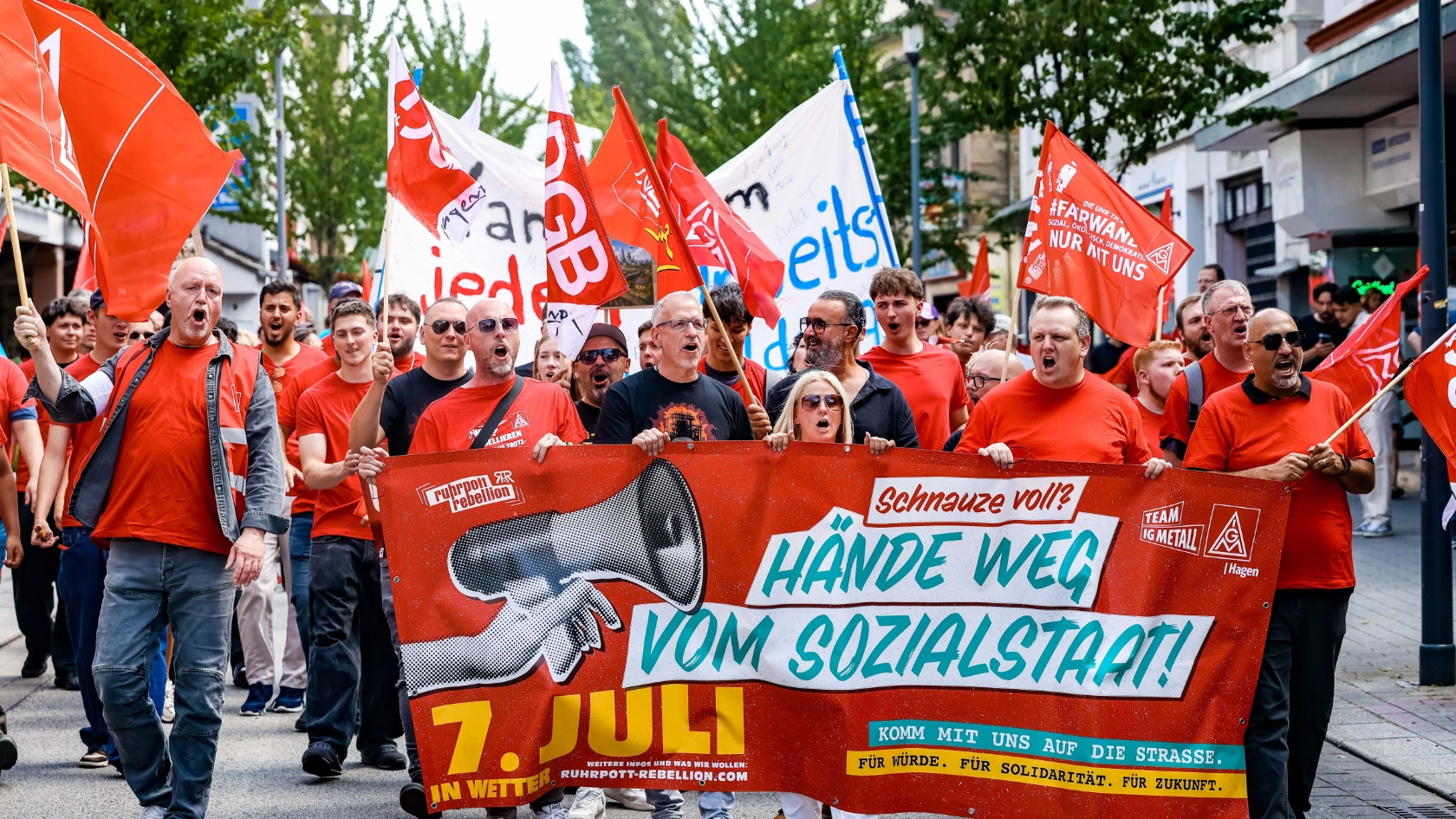
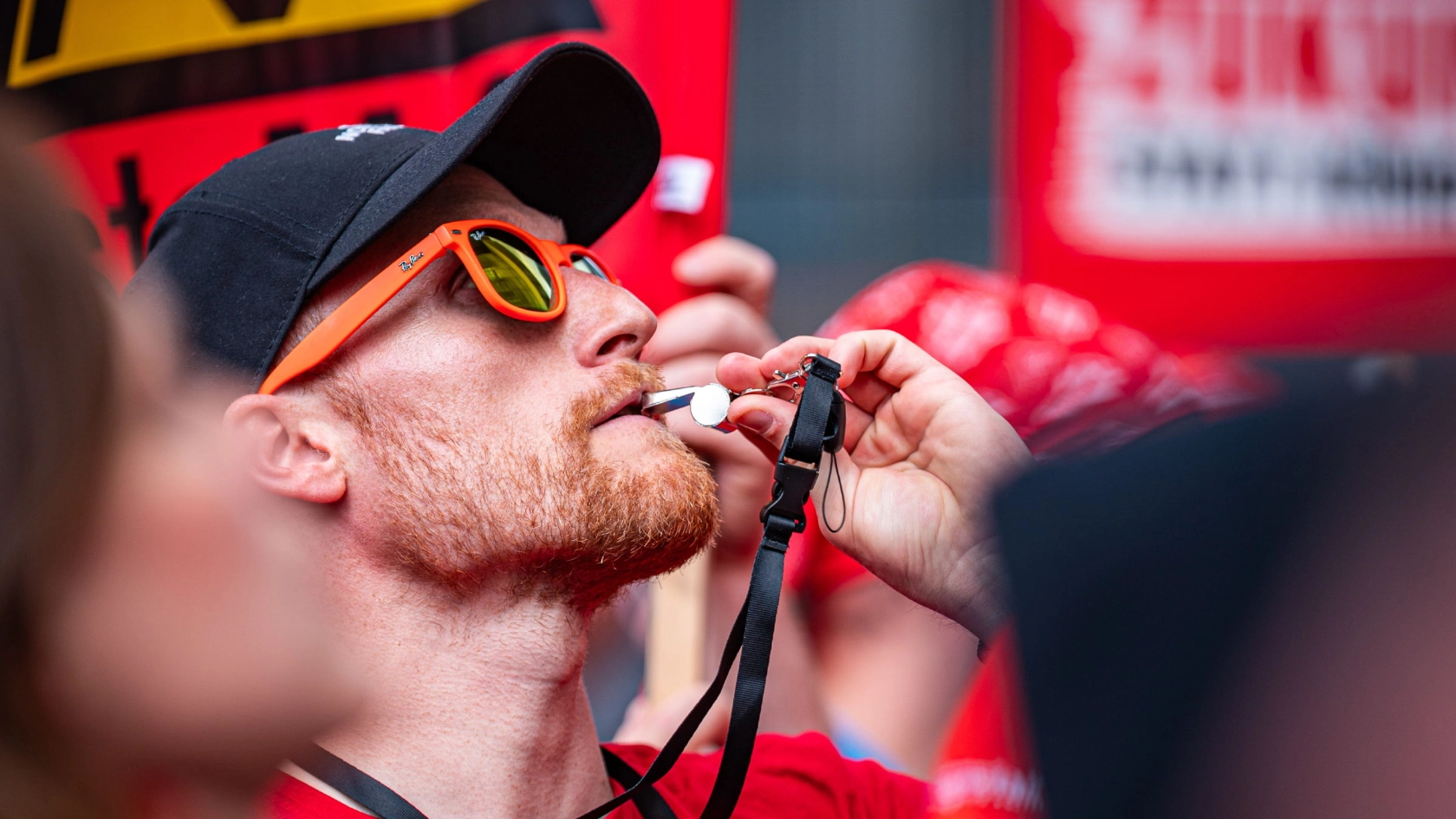
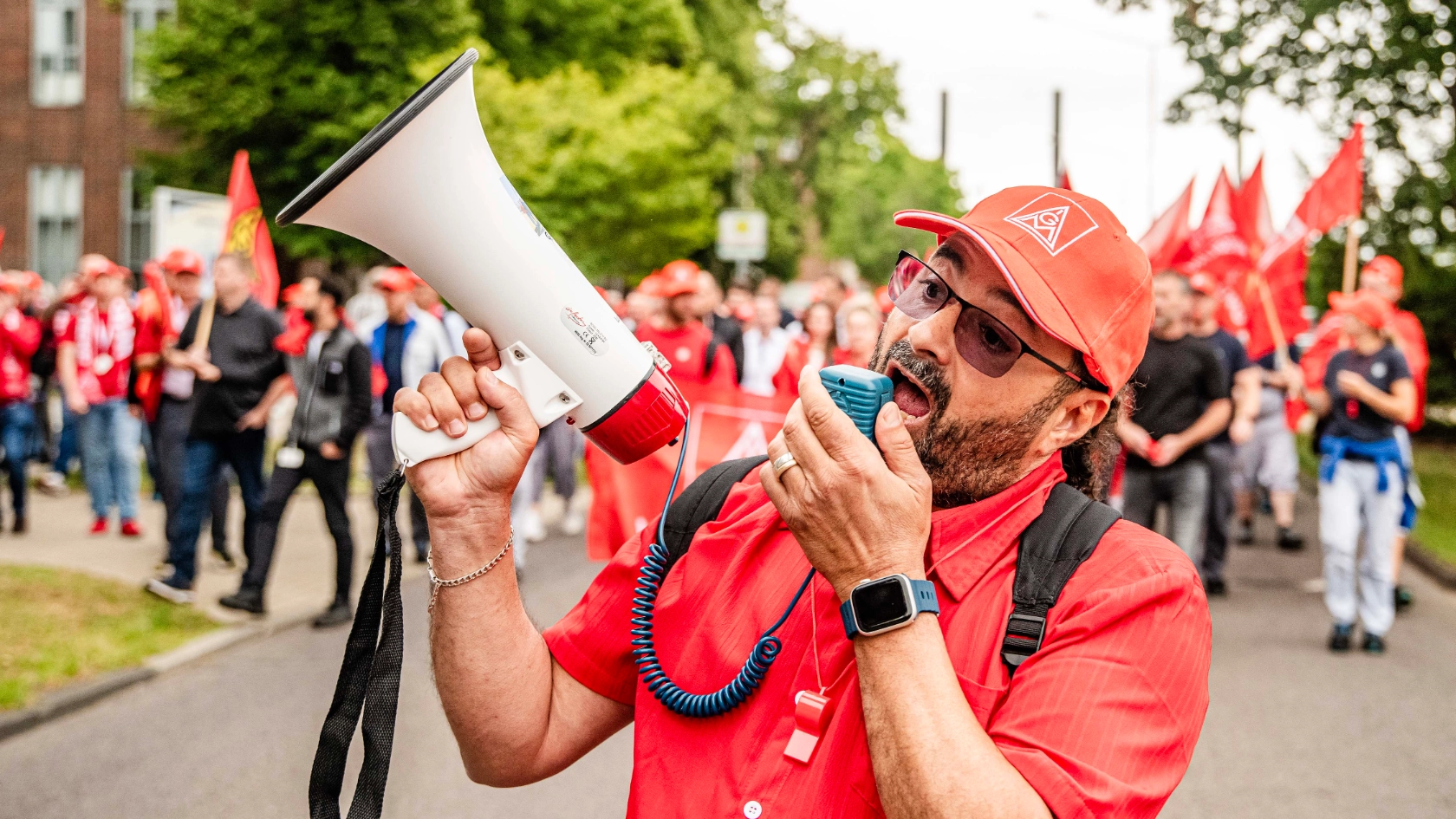
Hundreds of employees of the ride-pooling provider therefore gathered last Friday at Jungfernstieg in Hamburg for a warning strike to advocate for better wages and a collective bargaining agreement. “Great responsibility—little pay—we’ve had enough!” read a banner held aloft by participants. Drivers at Moia in Hamburg and Hanover earn just slightly above the minimum wage—13 euros an hour. “As drivers, we hold people’s lives in our hands,” says Bernd Kühn, works council chair at Moia in Hanover. “That means we take on a lot of responsibility—and management must now do the same for its employees.” Bus and train drivers in local public transit in Hamburg and Hanover earn 16 euros or more per hour. It’s impossible to make ends meet in a major city without a second job on less than that. Moia must be held to the same standard.
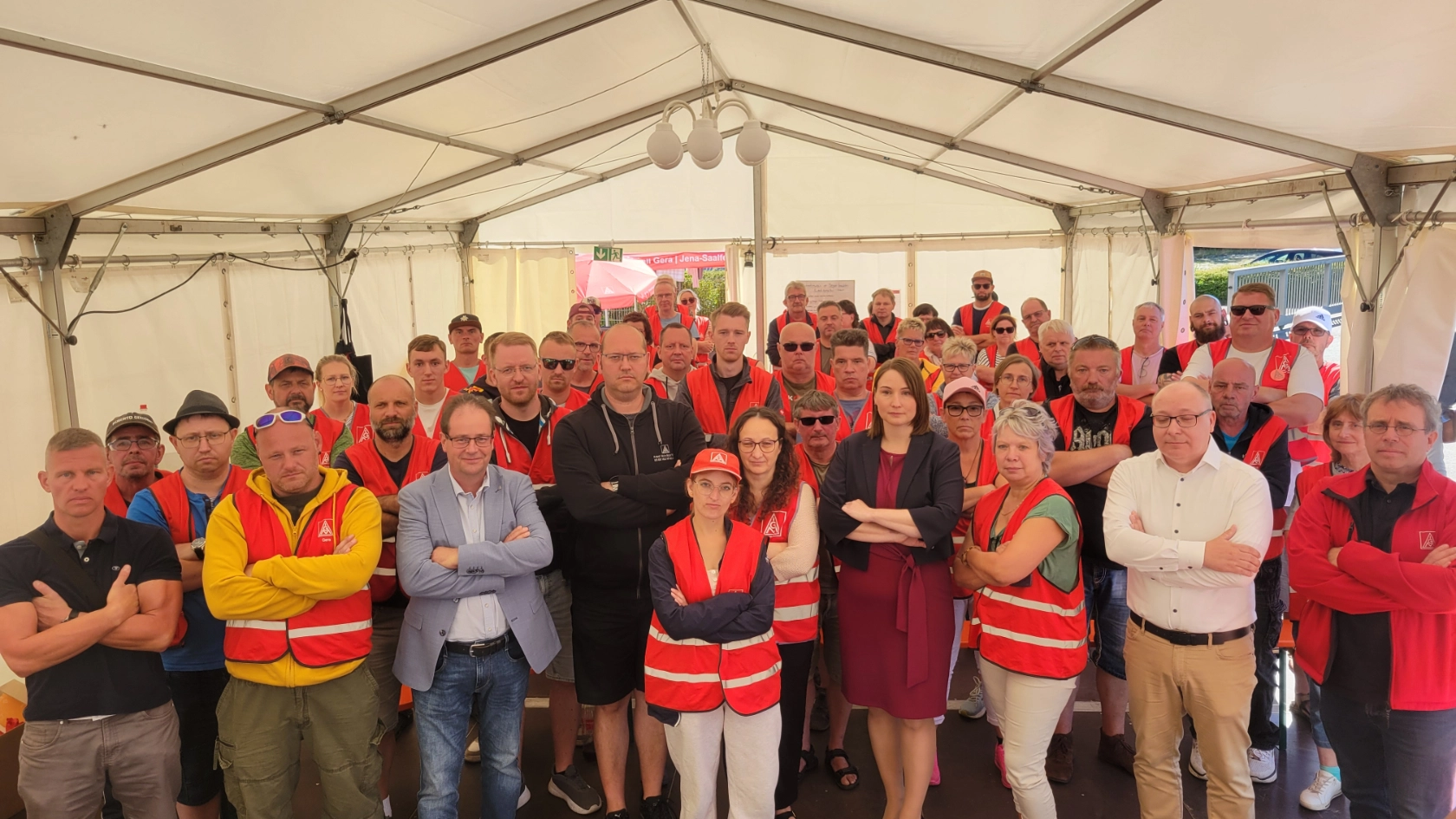
There is a great deal of anger among the employees. Since they formed a works council, they have been fighting alongside IG Metall for inclusion in the collective bargaining agreement. “The startup is collecting government subsidies,” says works council chair Peter Alexander from Hamburg. “That’s our tax money, too.” On the one hand, the company itself repeatedly complains that it isn’t turning a profit, while on the other hand, it presents itself as a research project. Just recently, Moia received 8 million from Federal Transport Minister Wissing out of a total fund of 26 million for the entire project. “As a research project for autonomous driving, it’s naturally not generating high profits yet. But the drivers are ensuring tomorrow’s profits right now,” says Peter.
Politicians Show Solidarity
Moia’s minibus-style shared taxis can be ordered via an app. They pick up passengers at a virtual stop—that is, a pickup location near the request. Everything is determined by an algorithm: from the schedule to the drivers’ breaks. The company’s goal is to collect as much data as possible and then—preferably within this decade—have the buses drive autonomously through the cities. “Moia says they want to keep the drivers’ jobs even after the introduction of autonomous driving systems,” says Thilo Reusch, IG Metall’s chief negotiator in the collective bargaining talks. You can’t rely on promises alone. “We also need good collective bargaining agreements at Moia to secure jobs.”
The union secretary is stunned that management is currently unwilling to return to the negotiating table to discuss a collective bargaining agreement. “I’ve been working with the VW Group’s structures as a union representative for 20 years. In all those years, I’ve never experienced a refusal like the one in the Moia case,” says Thilo. Politicians from the Greens, the Left Party, and the SPD are also present at the warning strike. They are showing solidarity with the strikers. “Our expectation is—and we have made this clear to the Federal Ministry, and we are making it clear here today—that we must work with Moia toward a collective bargaining agreement and fair wages. The focus must be on treating people, on treating employees, with dignity,” said Dirk Kienscherf in Hamburg, the SPD’s parliamentary group leader.
“The employees’ determination to fight is strong and continues to grow,” says Peter Alexander, and his colleague Bernd Kühn also emphasizes: “We’ll keep fighting. What matters to us is that the value of our work is recognized.” One thing is clear to the works councils in Hanover and Hamburg, as well as to chief negotiator Thilo Reusch: The warning strikes will be intensified if the employers do not return to the negotiating table and continue to resist the collective bargaining agreement.