Automatic translation
This article has been translated automatically using computer technology. While we strive for accuracy, some wording or details may differ from those in the original article.
This translation was not manually reviewed. For important facts, quotations or legally sensitive information, please consult the German original. Individual selections, images, embedded media or technical terms may have been translated differently or incompletely.

A Solidarity Struggle at Supplier Musashi When your company wants to take 20,000 euros from you

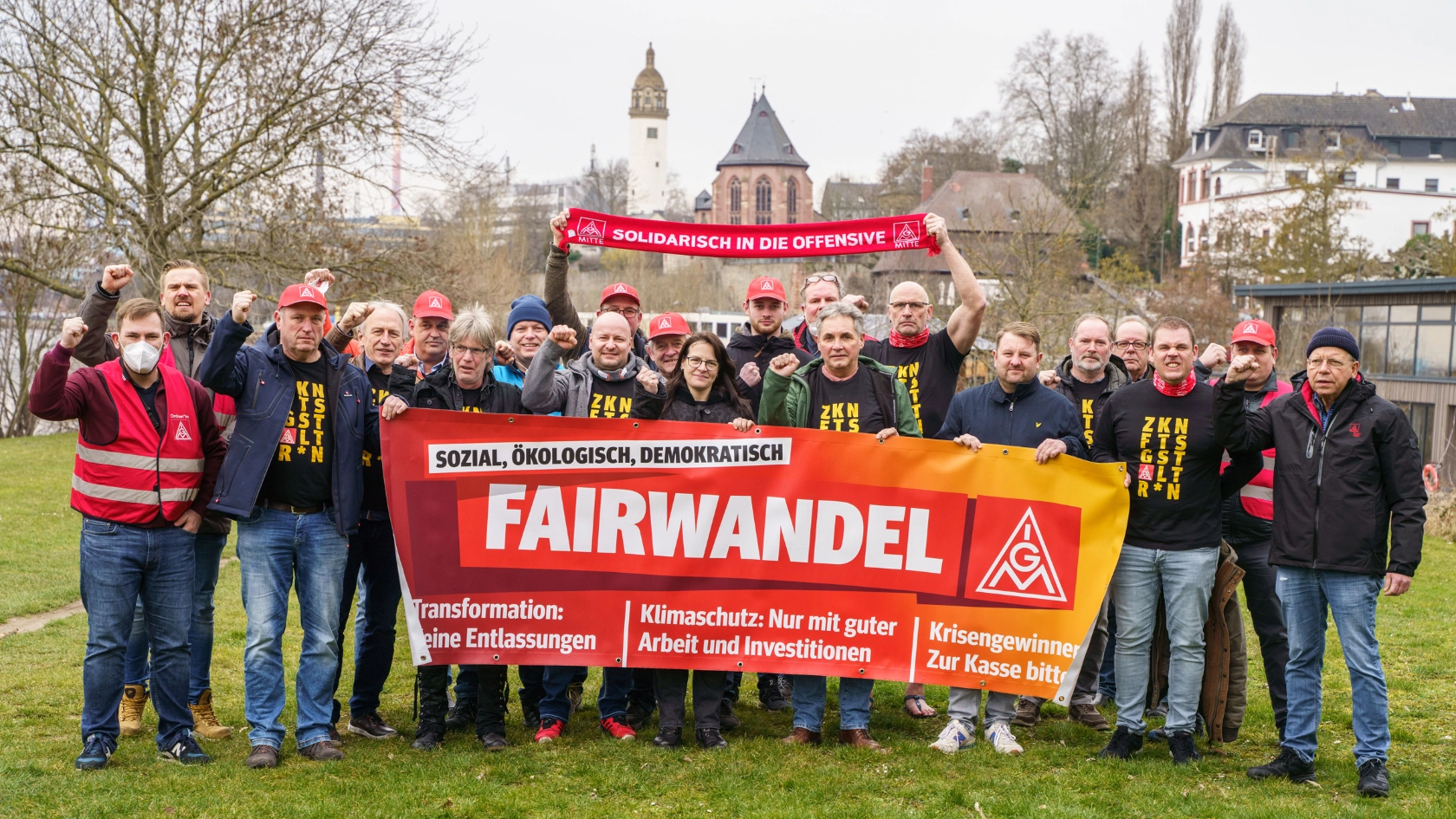
No more vacation pay, Christmas bonuses, T-ZUG benefits, or wage increases: The management of auto parts supplier Musashi wanted to take 20,000 euros away from every employee—without any guarantees or a plan for their future. But the workers at all six locations stood together—and went on the offensive with IG Metall.

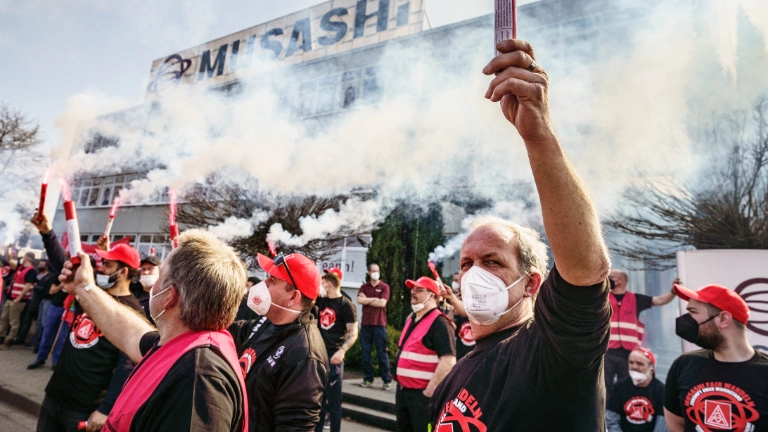
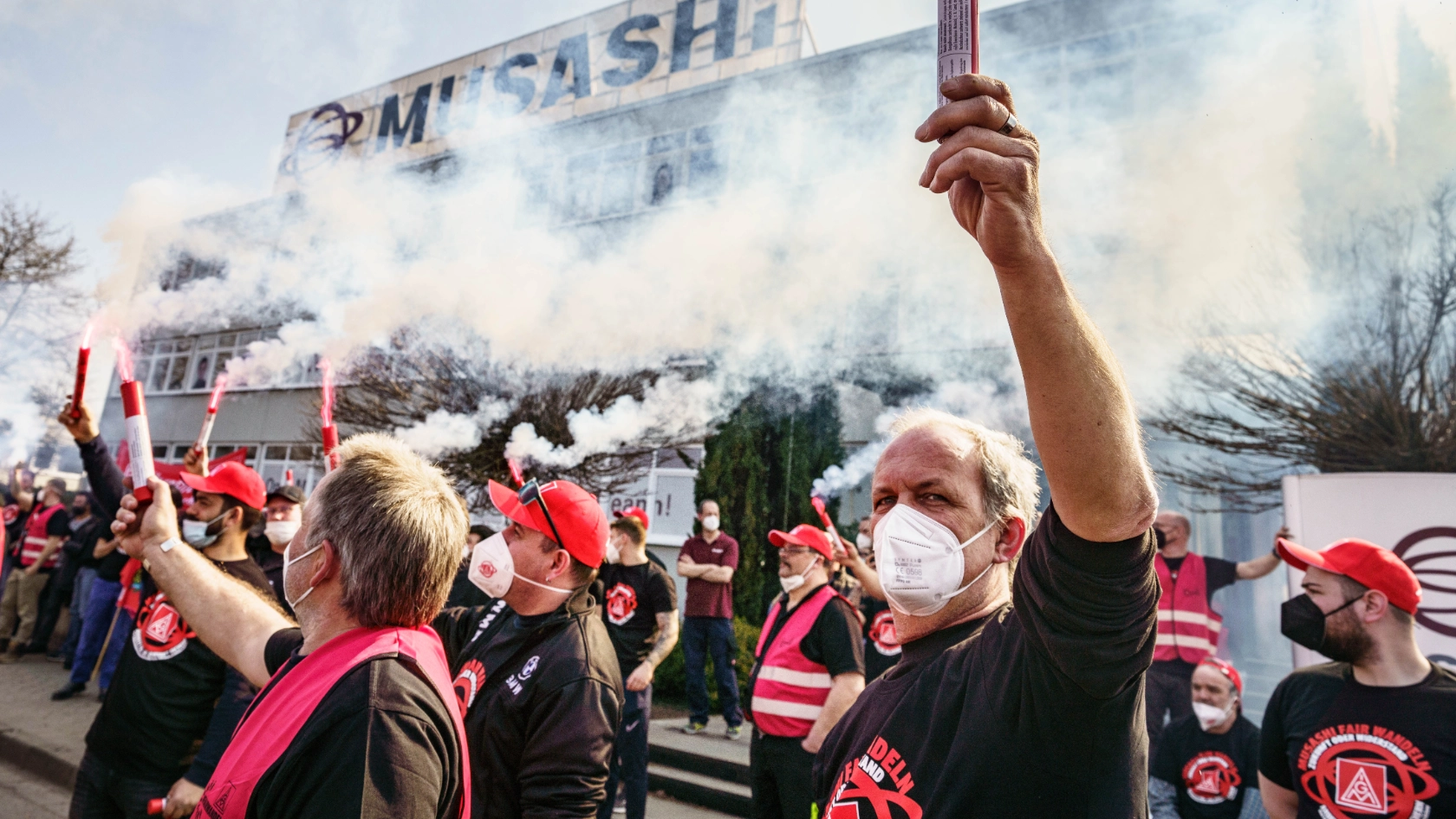
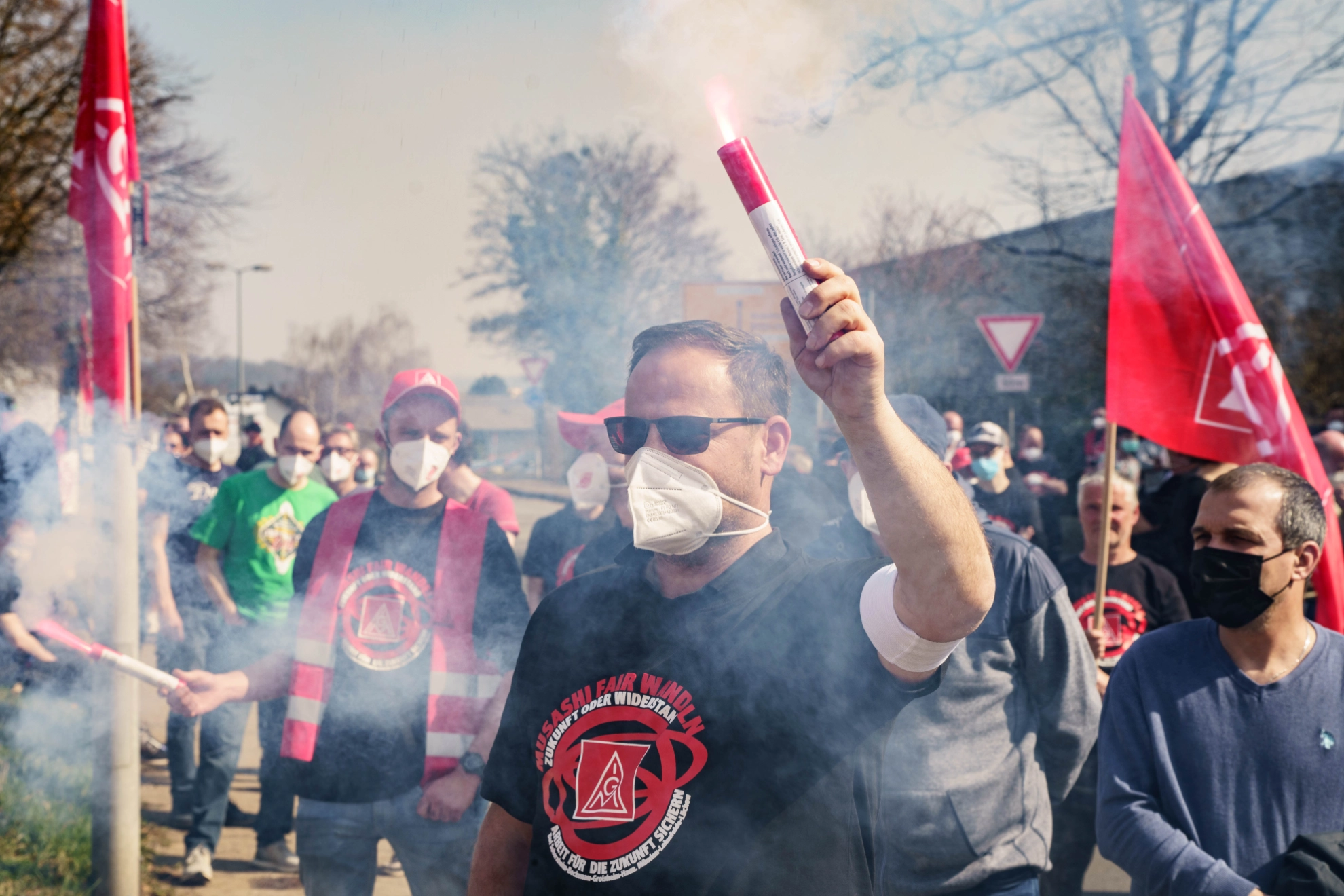
Beschäftigte im Warnstreik: Mit einer großen Protestaktion zeigte die Belegschaft Ende März in Bad Sobernheim nachhaltig, was sie von den Plänen des Managements halten.

29 August 2022 29 August 2022


January 2022 at auto supplier Musashi: They have their backs against the wall.  They are expected to forgo 20,000 euros over the next three years—all special payments, including vacation and Christmas bonuses, as well as wage increases. Management presented these demands to them in a 10-point “poison pill” list. In addition, management is threatening bankruptcy, despite full order books.

Management wants its money. In return, it refuses to make any commitments to the employees about the future. The company has completely missed the boat when it comes to transformation—the shift to products with a future, such as those for electric cars. Musashi primarily manufactures parts for internal combustion engine cars: cams, rings. Plans for the future? How could there be any, when plant managers change every two or three years?

Yet the employees have long had suggestions on how to improve work organization—and thus profitability—and how to make the products and the company more sustainable. But their company isn’t listening to them.
 

Workers Are Expected to Make Sacrifices—Without Any Safeguards

Musashi Europe is a typical case. Many automotive suppliers are facing transformation and are affected by the current crisis, price increases, and supply bottlenecks. Employees are expected to bear the costs of the crisis and the transition away from internal combustion engine vehicles—without receiving any prospects or security for their future in return.

At the European subsidiary of the Japanese Musashi Group, approximately 2,000 employees are affected at six locations in Rhineland-Palatinate, Thuringia, and Lower Saxony: in Bad Sobernheim, Bockenau, Grolsheim, and Leinefelde (IG Metall Central District), as well as in Lüchow and Hannoversch Münden (IG Metall Lower Saxony-Saxony-Anhalt District).

Six Locations Join Forces

In the past, employees at the various sites did not always stand together. And management pitted sites against one another—for example, Hannoversch Münden in Lower Saxony and Leinefelde in Thuringia in 2019. In addition, many employees had left IG Metall following a restructuring collective bargaining agreement during the financial crisis 12 years ago.

Therefore, the first step is to speak openly and rebuild trust through discussions at meetings and on the shop floor. The works councils from all sites are meeting at the IG Metall Training Center in Beverungen. There, everything is laid out on the table, conflicts are resolved, and an important decision is made. “Things really clicked for us in Beverungen,” says Sascha Wilke, works council member and shop steward at the Hannoversch Münden site. “There, we looked each other in the eye and agreed that we would move forward together and achieve something together.”

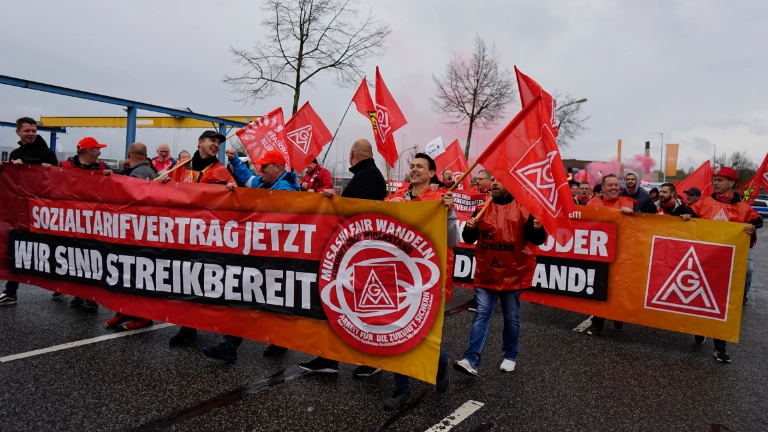
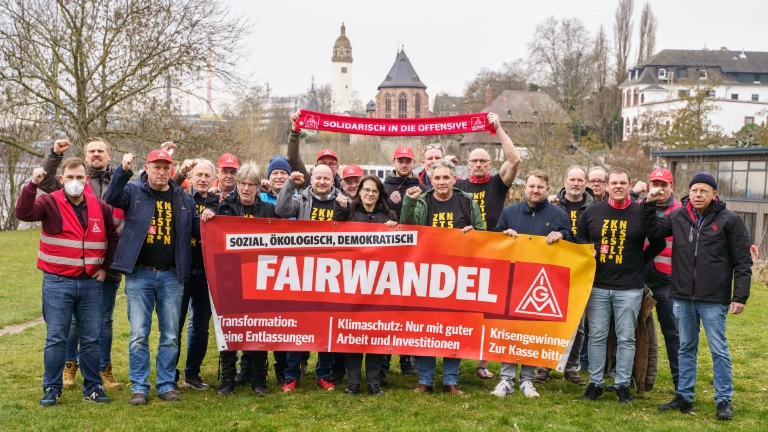
At all locations, more and more employees are joining IG Metall, forming bargaining committees, discussing the issue, and voting on the course of action at member meetings. The clear verdict: No, we won’t give in. We’re putting up a fight and going on the offensive together in solidarity. Together, they’re drafting demands for a social collective bargaining agreement. Their goal: to do away with the “poison list.” They want a collective bargaining agreement with a vision for the future. They’re negotiating together—and fighting together.


“We’re ready to strike”

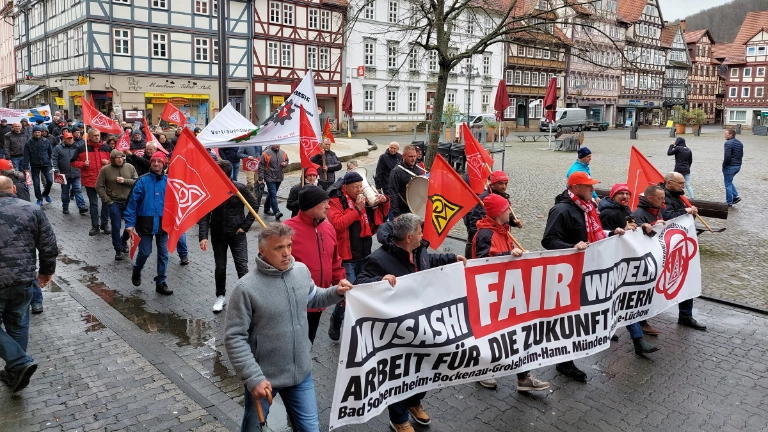
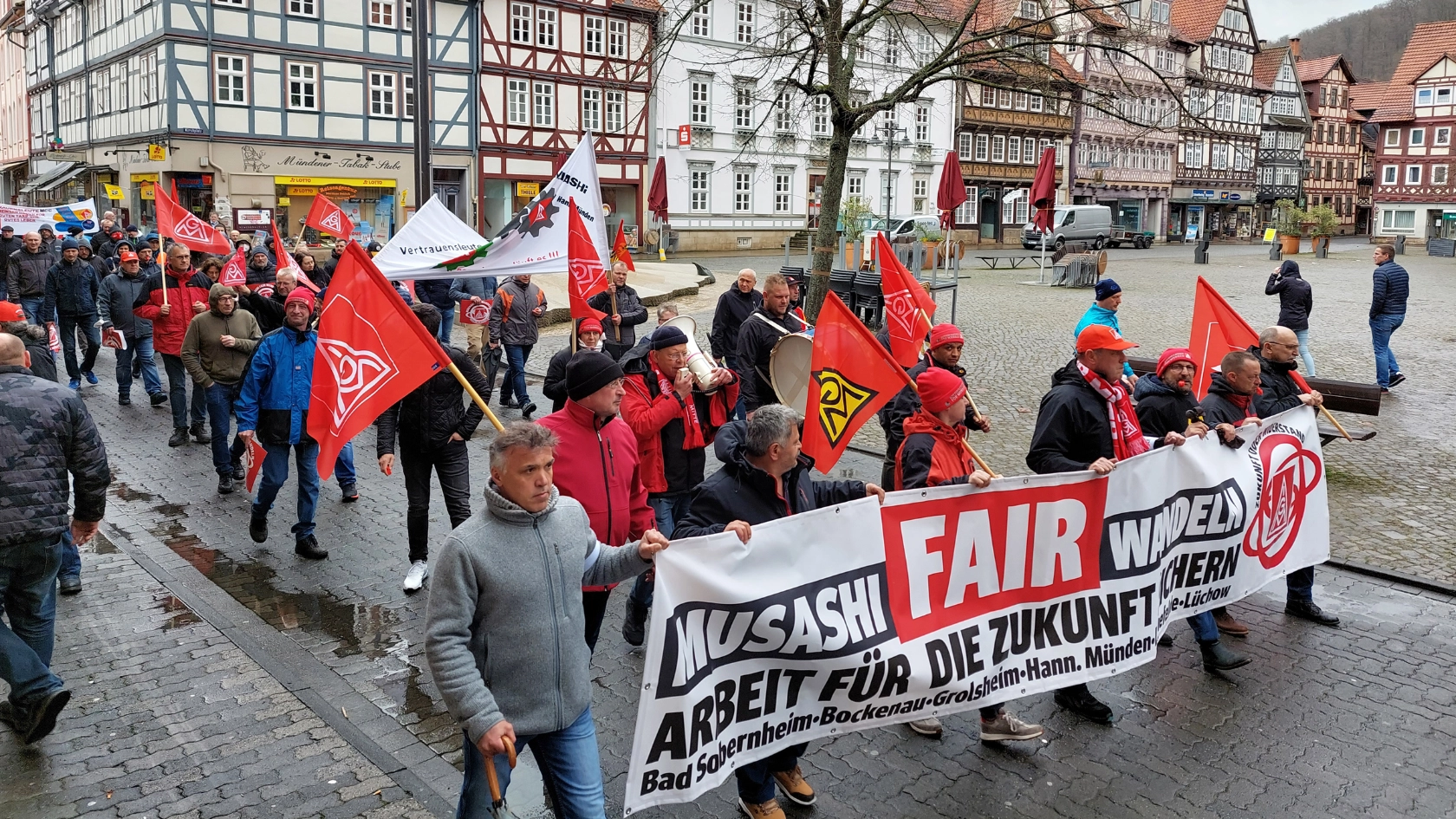
When negotiations with the employer stall, employees and IG Metall ramp up the pressure in late March—with simultaneous three- to five-hour warning strikes across all shifts, accompanied by demonstrations and motorcades in Lüchow, Bad Sobernheim-Bockenau-Grolsheim, Hann, Münden, and Leinefelde. It’s becoming increasingly clear: The employees are ready to fight.

In addition, IG Metall is putting pressure on Musashi’s management through its customer companies: If Musashi fails to deliver, the assembly lines at Volvo, VW, and Daimler Truck will soon come to a standstill. That is exactly what the Japanese corporate leadership is desperate to avoid. After all, Musashi only entered the German market a few years ago.

“When we weren’t making any progress in the negotiations despite warning strikes, we refused to work over the Easter holiday,” reports Simone Krämer, works council chairwoman in Bad Sobernheim, Bockenau, and Grolsheim. “And finally, with the help of a simultaneous interpreter, we spoke directly with our Japanese CEO, Miyata. That’s when some cultural issues were clarified. He didn’t understand at all why we were striking here.”

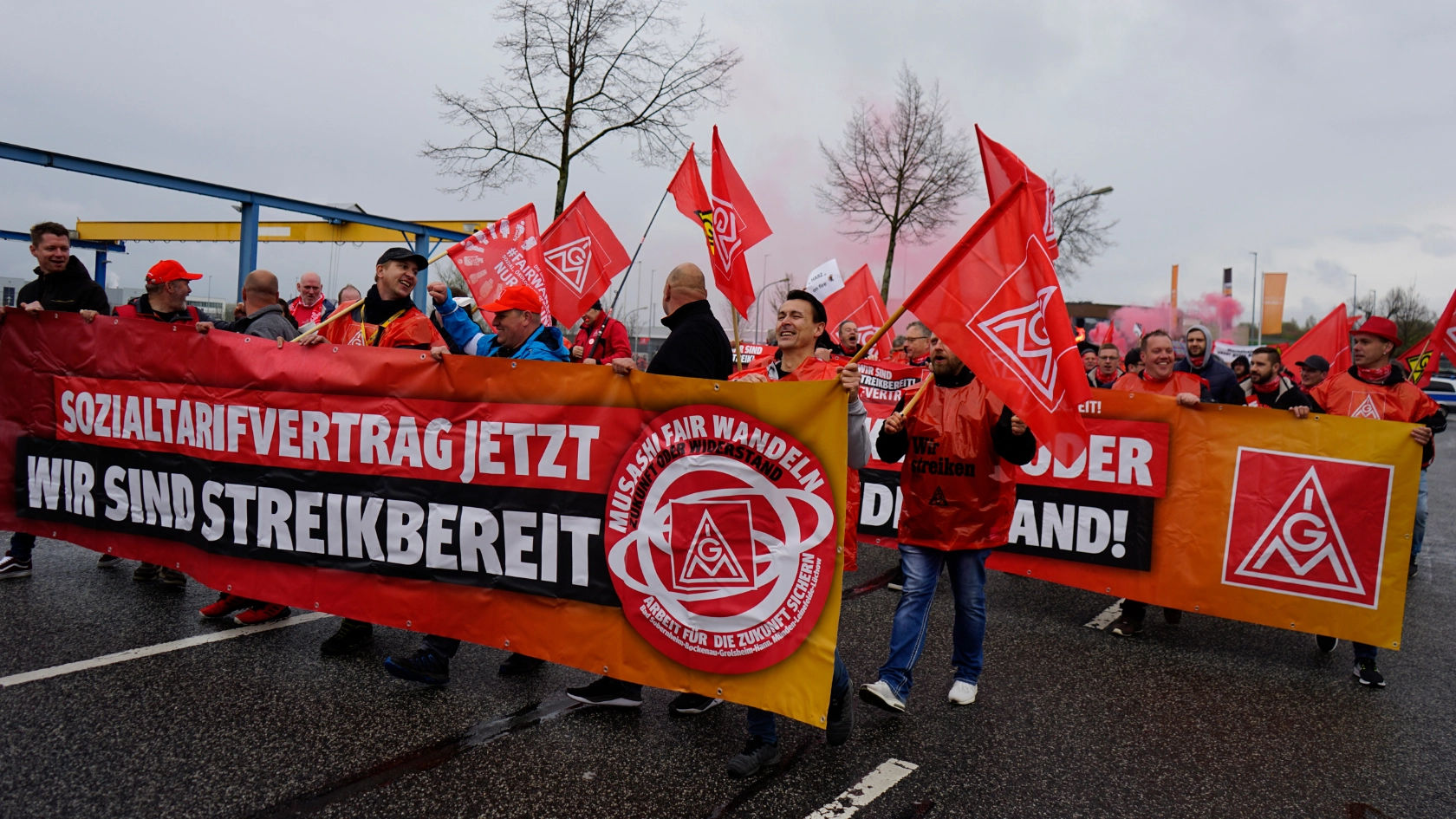
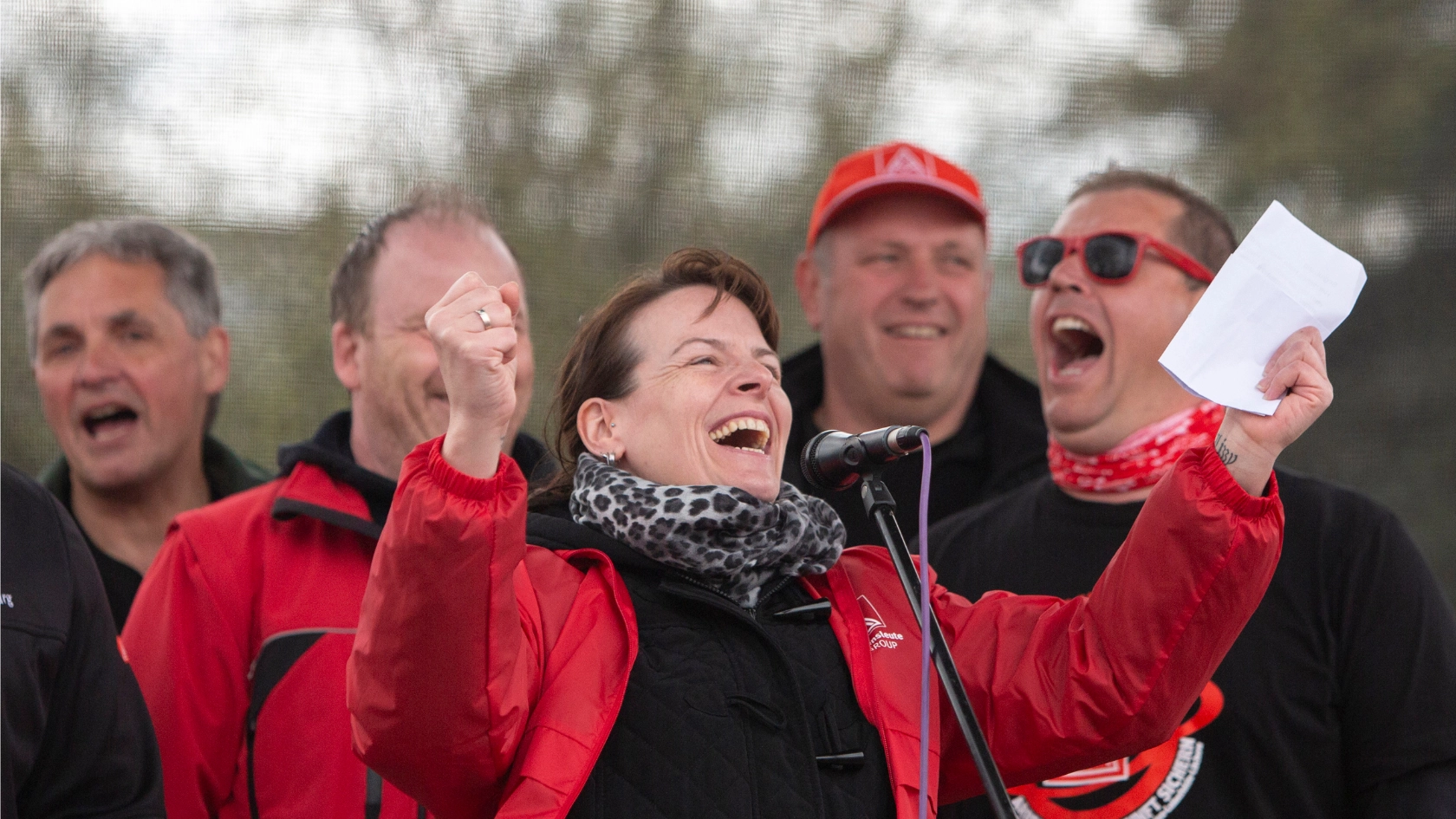
The protests reached their peak with a 24-hour warning strike on April 25 at all locations. 1,000 employees gathered for a joint demonstration in Leinefelde.

The consequences: Customers can no longer be supplied on time. The first production line stoppages occur at Volvo, and other automakers are also on the verge of halting production. At the demonstration, employees and IG Metall present management with a choice: “A negotiated settlement or indefinite industrial action.”
Instead of a “blacklist,” the future is now secure through 2030

IG Metall prepares a strike ballot on indefinite strikes—and offers management one last chance to reach a negotiated solution. After 72 hours of negotiations, management finally relents on May 2. It’s finally here: the future-oriented and social collective bargaining agreement so eagerly awaited by the employees.

All locations are secured through 2030. Although they are forgoing certain payments—the T-ZUG B (just under 400 euros per year) and the transformation bonus (26.7 percent in February)— But their jobs are secure. IG Metall members are protected from layoffs for operational reasons through 2026. In addition, the eastern site in Leinefelde will now be gradually adjusted from a 38-hour workweek to a 35-hour workweek, as in the west. The plan to bring all sites on board has succeeded. Furthermore, from now on, they have a say in shaping their own future.

“Much better than expected. What we have to give up doesn’t hurt as much”: This is how many employees are describing the collective bargaining agreement. At member meetings, they discussed not only their goals but also possible concessions in the negotiations.

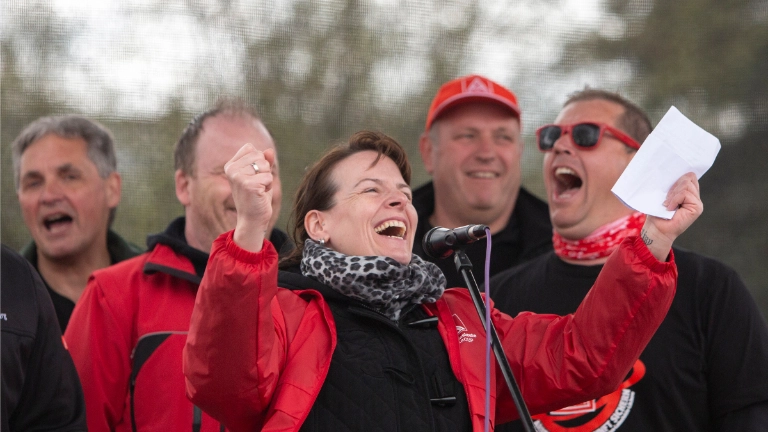
In the end, 97.96 percent of IG Metall members voted to accept the new collective bargaining agreement on the future and social conditions.

Now it’s time to focus on implementation—on shaping the future, on investments, and on products. Employees are involved in this process as well and have a say. The first thing they want to tackle is work organization, so that machines, for example, don’t keep breaking down, explains works council member Simone Krämer. “I’m proud of my colleagues and look forward to the continued active participation of all IG Metall members.”

New on igmetall.de

Subscribe to the newsletter