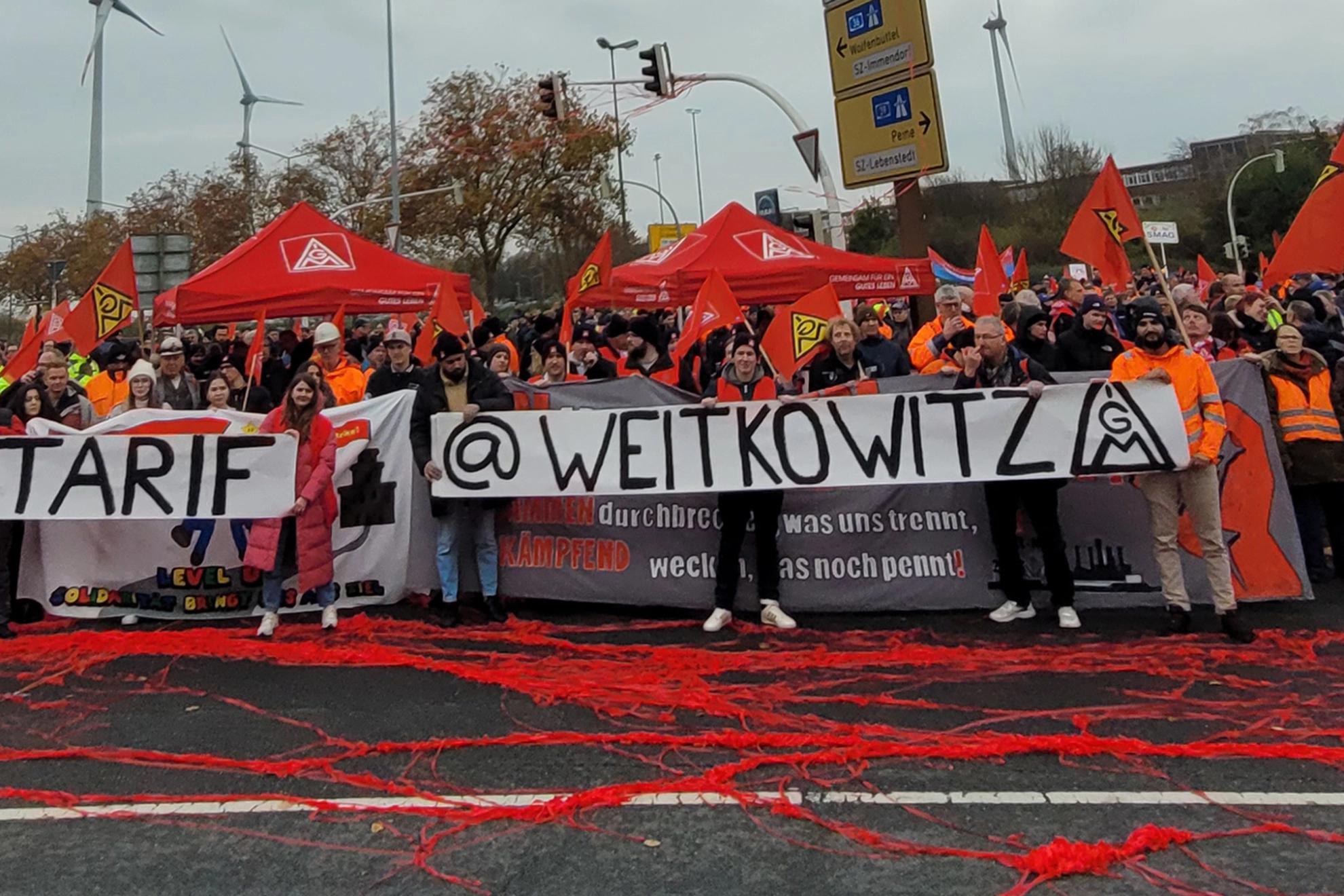
You finally have your collective bargaining agreement— and you secured and helped negotiate it yourselves: Since early April, metal industry wage rates have been in effect at the automotive supplier Weitkowitz in Peine, Lower Saxony. At the same time, the workweek is being reduced from 37 to 36 hours. Starting in 2028, the 35-hour workweek will take effect.
The introduction of the metal industry’s collective bargaining wages will bring them up to 700 euros more gross per month. Younger machine operators, in particular, had previously been working for little more than the minimum wage. In addition, pay inequities are being eliminated as all employees are now being reclassified according to the ERA ( Wage Framework Agreement). Until now, pay at Weitkowitz was based on a “nasenfaktor” system: different wages for the same work.
“Equal pay for equal work is becoming a reality,” explains Jonas Hartjenstein, a member of the negotiating committee and works council chair. “And the appeal of the Peine location will be permanently enhanced—for current employees and for anyone looking for attractive working conditions in the manufacturing sector in the future.”
First a works council, then a collective bargaining agreement—in less than three years
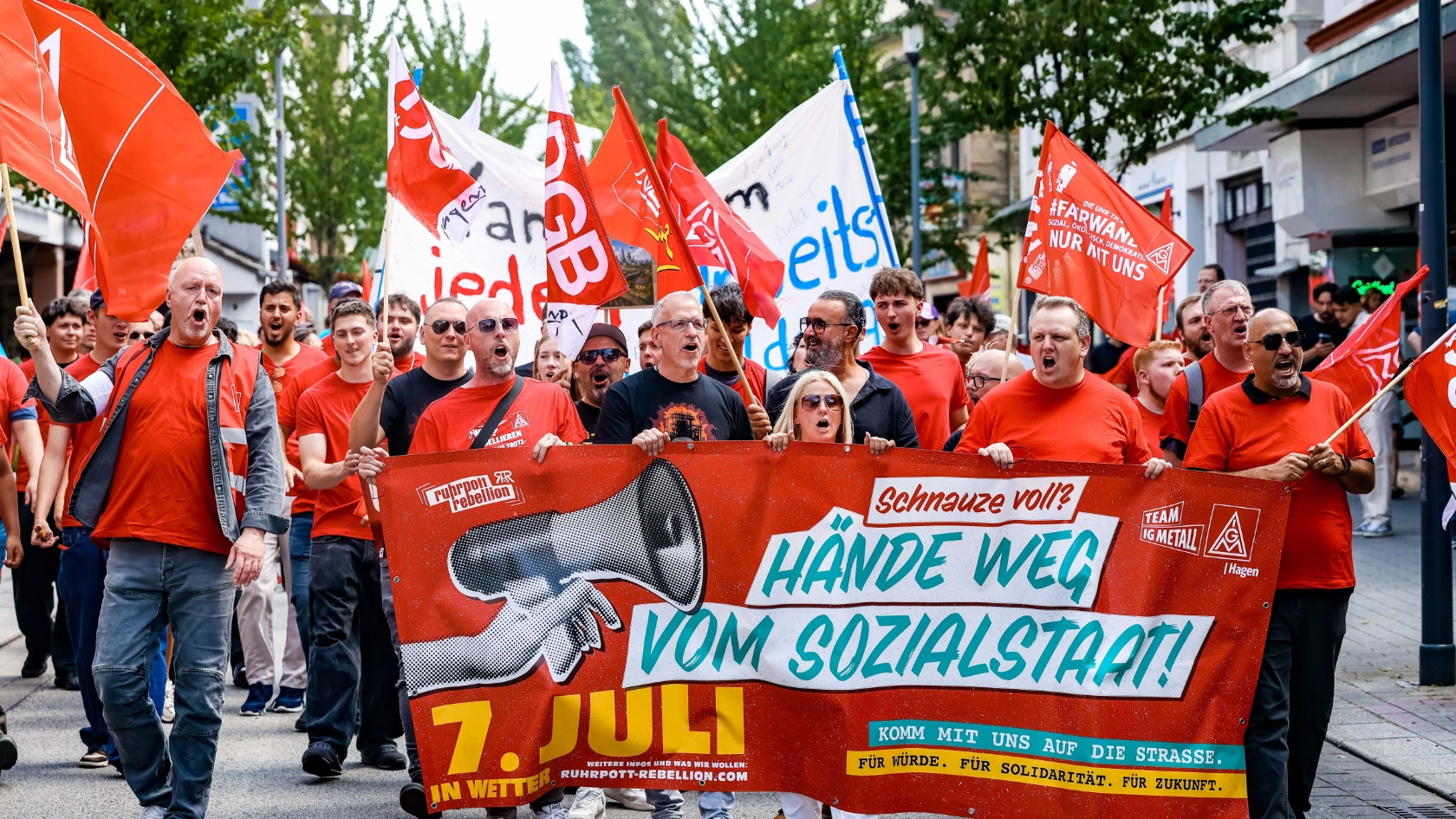
They didn’t need a warning strike to enforce their collective bargaining agreement. Thanks to their public outreach and actions, it was clear to the employer that the majority of employees had joined IG Metall.
“I had expected much more resistance,” reports maintenance worker Mike Hübbe, who, as a member of the bargaining committee , was also present during the negotiations. “When we presented our demands to them last fall, the managing director even called the workforce together and threatened, ‘I’m standing here in front of you now—but soon it will be the bankruptcy trustee.’ That scared a lot of people. But then the negotiations proceeded constructively and quickly—and after the fourth round of talks, we already had a result.”
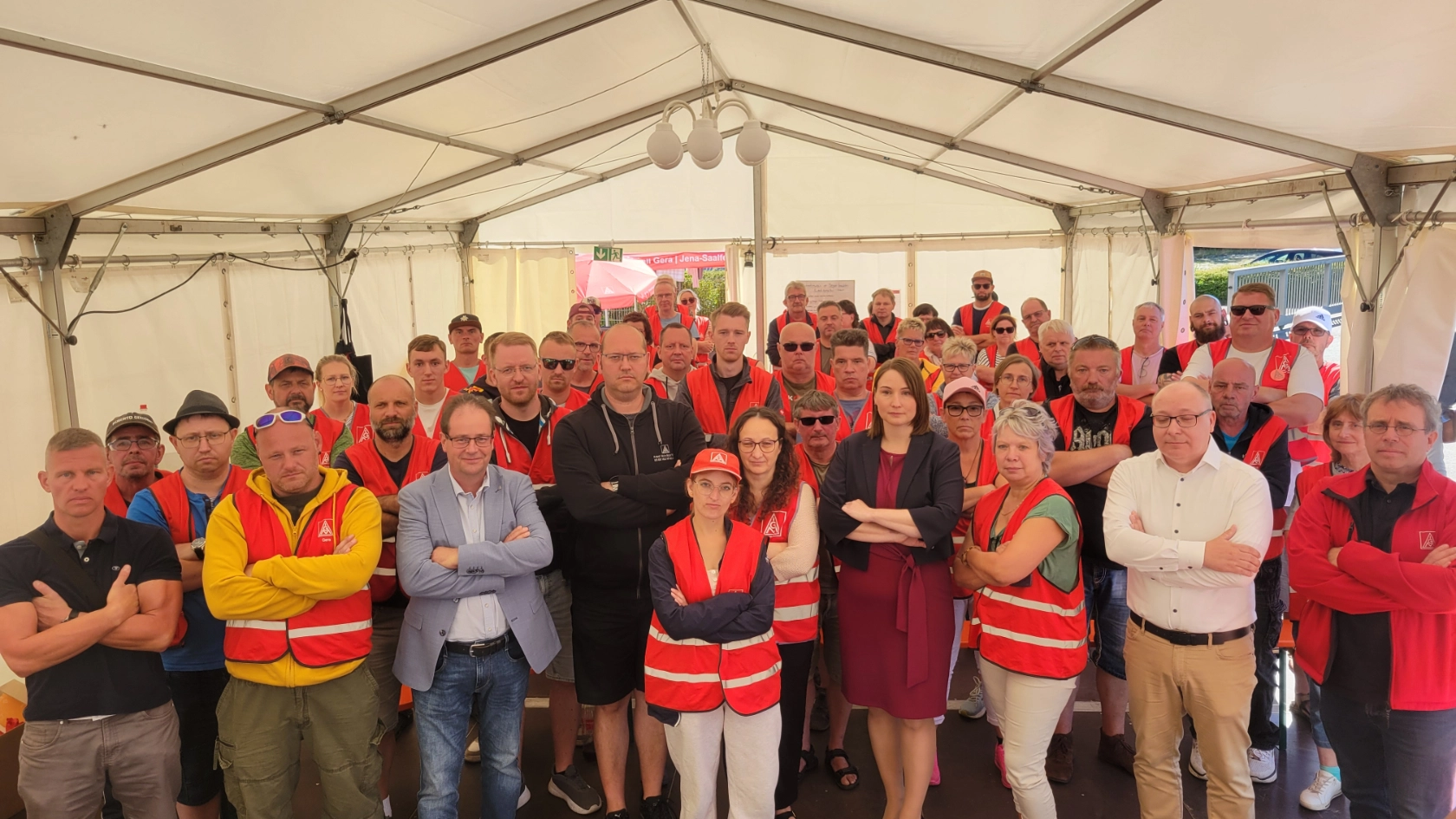
It wasn’t until 2022 that the employees at Weitkowitz, a manufacturer of cable lugs and wire end ferrules, established a works council with the help of IG Metall Salzgitter-Peine. It all began with secret meetings in the garden of the union hall—until they finally elected their first works council. Soon after, they elected their IG Metall shop stewards—Mike Hübbe became the head of the shop stewards— and finally their bargaining committee.
How Collective Bargaining Works: Learned and Planned at the IG Metall Seminar
“After the works council election , we wanted to tackle collective bargaining coverage together with our active members at the company,” explains Jan Laging of IG Metall Salzgitter-Peine. “In doing so, we wanted to involve the employees in the process and plan our strategy together. That’s how we came across IG Metall’s new collective bargaining education initiative, in which employees learn together—based on their specific project at the company—how collective bargaining works.”
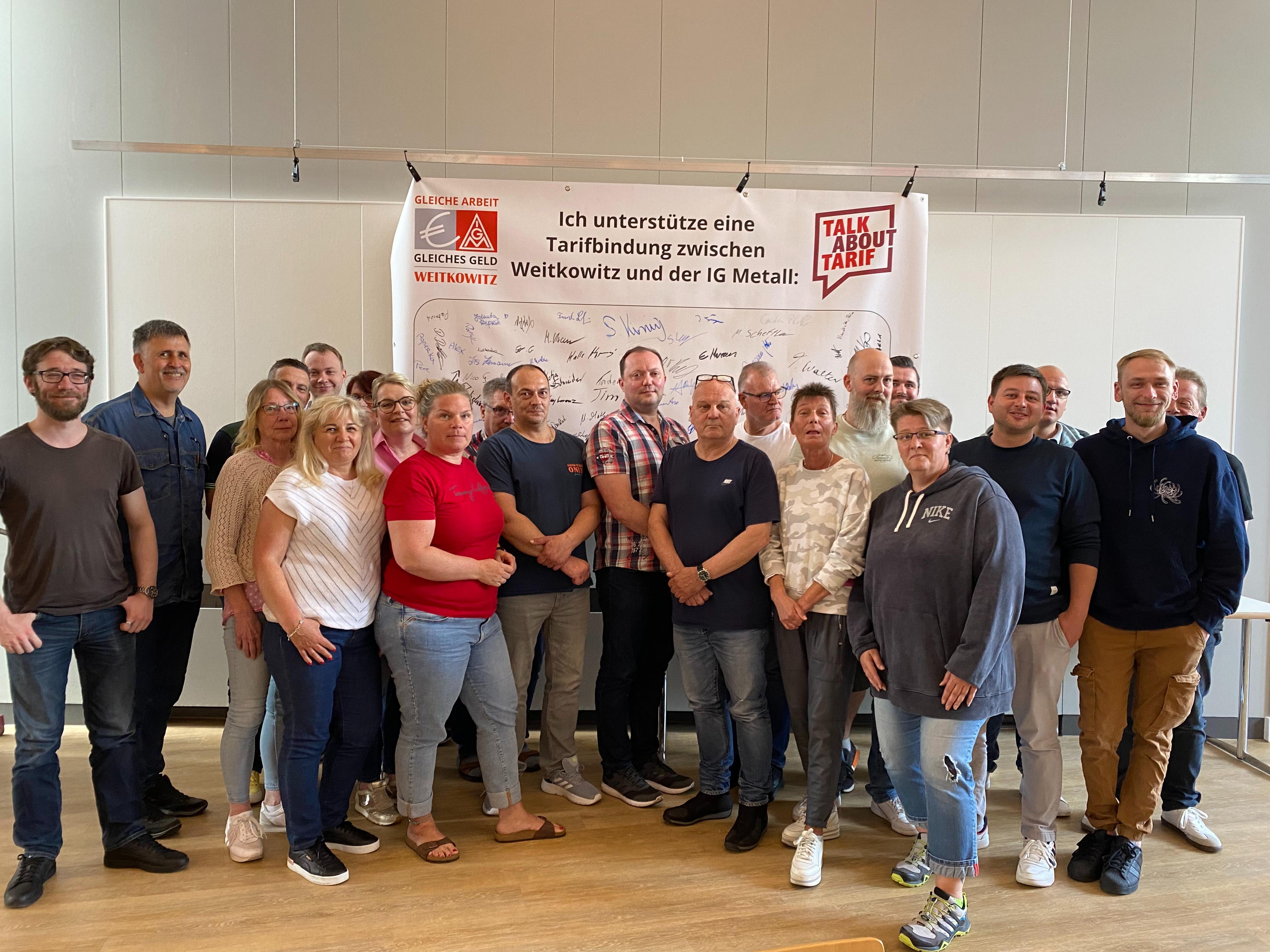
Five works council members and members of the collective bargaining committee at Weitkowitz learned the basics of collective bargaining policy—such as how collective bargaining campaigns work—in a seminar specially tailored to their needs by the IG Metall Training Center in Beverungen, consisting of three three-day modules. They practiced classifying employees according to IG Metall’s ERA collective bargaining agreement. And they developed a strategy and a concrete plan for their collective bargaining campaign.
They didn’t learn there alone, but together with colleagues from two other companies represented by the IG Metall Salzgitter-Peine office: the liquefied gas plant manufacturer FAS and the communications and security technology manufacturer Telcat Multicom.
Joint seminar with FAS and Telcat Multicom
“We learned the basics of collective bargaining policy together—but we then drew up our company-specific plans in group work, one company at a time,” reports Mike Hübbe. “We were able to exchange ideas effectively with the other companies and benefit from one another: During role-playing exercises, our colleagues asked us questions and pointed out issues that we ourselves had overlooked due to being too close to the situation.”
At FAS, a manufacturer of liquefied gas systems, employees have just formed their first works council. During the seminar, they drew up a plan for how they intend to secure a collective bargaining agreement.
At Telcat Multicom, a subsidiary of Salzgitter AG, employees want to finally put an end to the chaos surrounding pay. Although they’ve already eliminated the most glaring injustices—which involved pay differences of up to four-digit amounts for the same work—they want legal certainty at last through a collective bargaining agreement.
“We finally need clear rules for everyone. Even when I started my apprenticeship here 25 years ago, people were saying we absolutely needed a collective bargaining agreement,” reports Andrea Hain, who is a team coordinator in the commercial back office and was elected works council chair two years ago. “The seminar really helped us a lot professionally. It was tailored to our three facilities and gave us the space and time that just isn’t available at work, especially when you don’t have time off.”
Beyond the seminar sessions themselves, their instructor, Jens Ortmann from the Beverungen Training Center, also visited them at their workplaces to provide direct support there.
Seminar as part of IG Metall’s “Collective Bargaining Education Initiative” with Weitkowitz, FAS, and Telcat Multicom
Weitkowitz has a collective bargaining agreement; FAS and Telcat plan to follow suit
Weitkowitz is now the first of the three companies where employees have successfully secured a collective bargaining agreement. Over the past few weeks, the employees, together with management, have classified their positions according to the ERA collective bargaining agreement for the metal and electrical industry.
At the end of February, the employer and IG Metall even jointly announced the conclusion of the collective bargaining agreement and issued a joint press release.
What they are still missing are the performance bonus and the collective bargaining supplement (T-ZUG) from the metal and electrical industry.
“We were aware that, given the economic and political context, we could not push through our maximum demands. The fact that we achieved collective bargaining coverage shows that all parties involved acted responsibly and in the best interests of the employees,” says Matthias Wilhelm, chief negotiator and managing director of IG Metall Salzgitter-Peine—and hints that other companies, such as FAS or Telcat, could soon follow suit: “Of course, we want to secure long-term employment in the region and reestablish collective bargaining coverage.”
Weitkowitz is one of Germany’s leading manufacturers of cable lugs and wire end ferrules and has been developing tools for all areas of solderless connection technology for nearly 100 years. The site, which employs a good 180 people, supplies the automotive, rail, and wind power industries. The company has been part of the internationally active Intercable Group since early 2010. A works council has been in place since fall 2022.