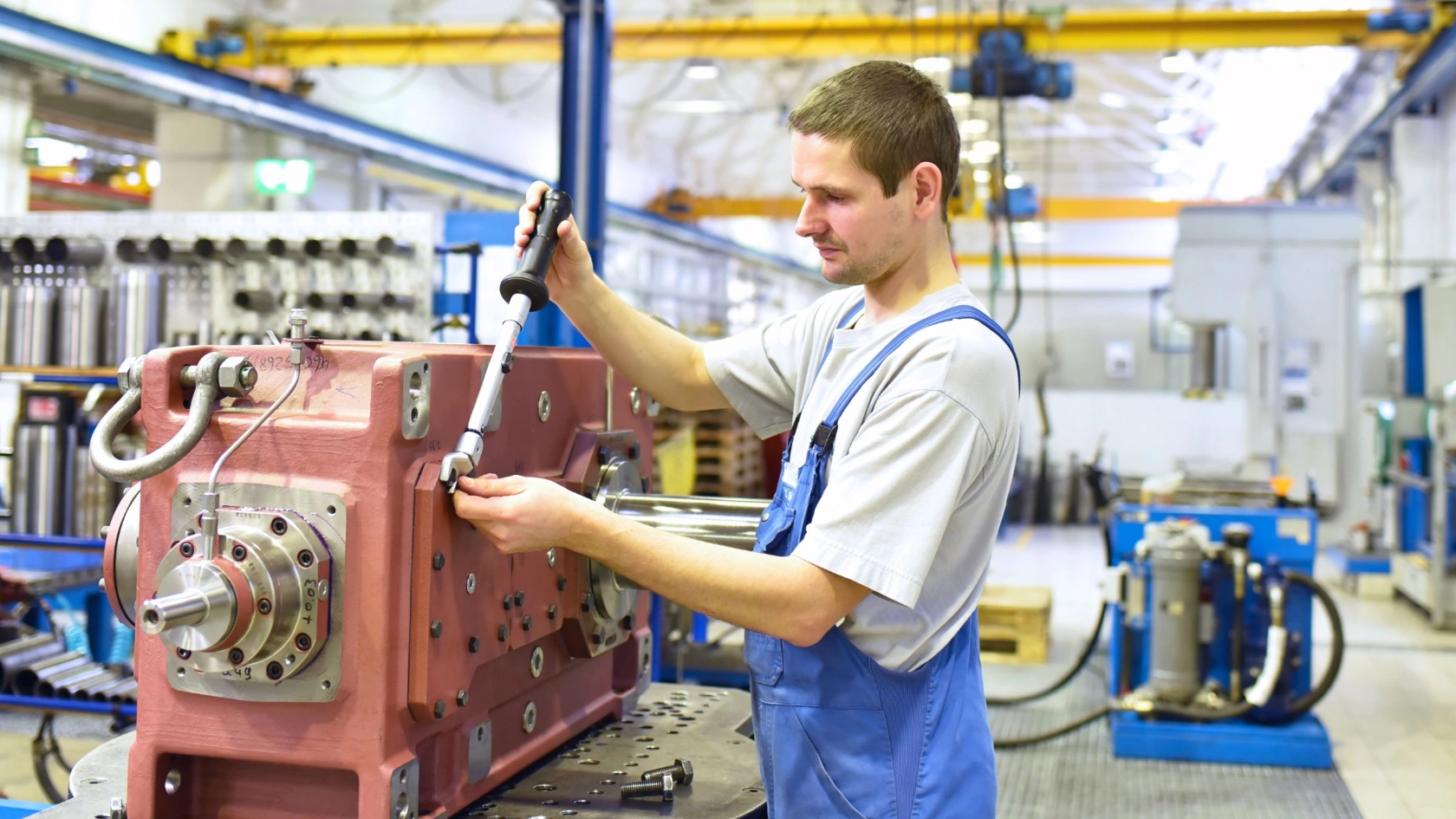
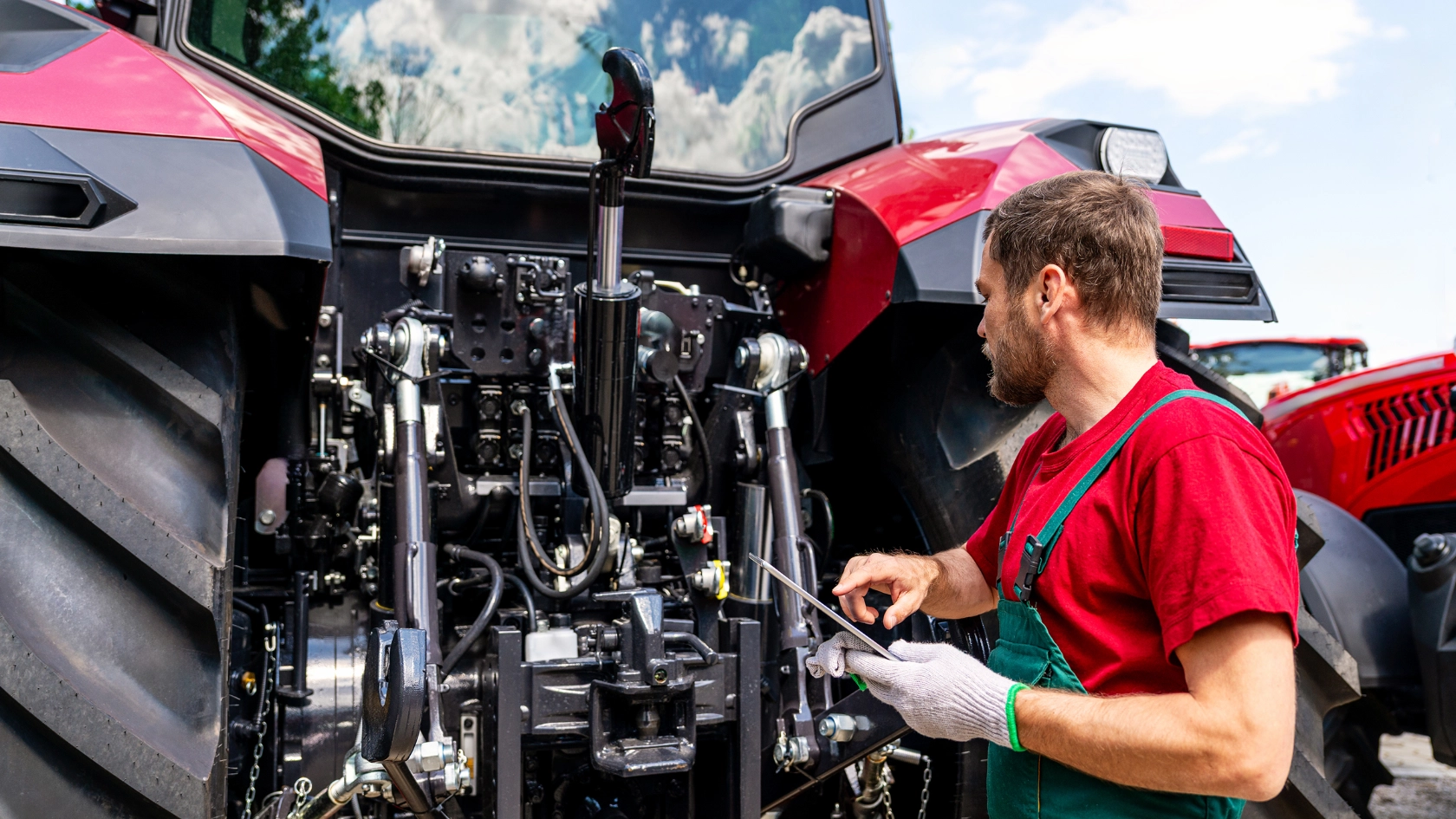
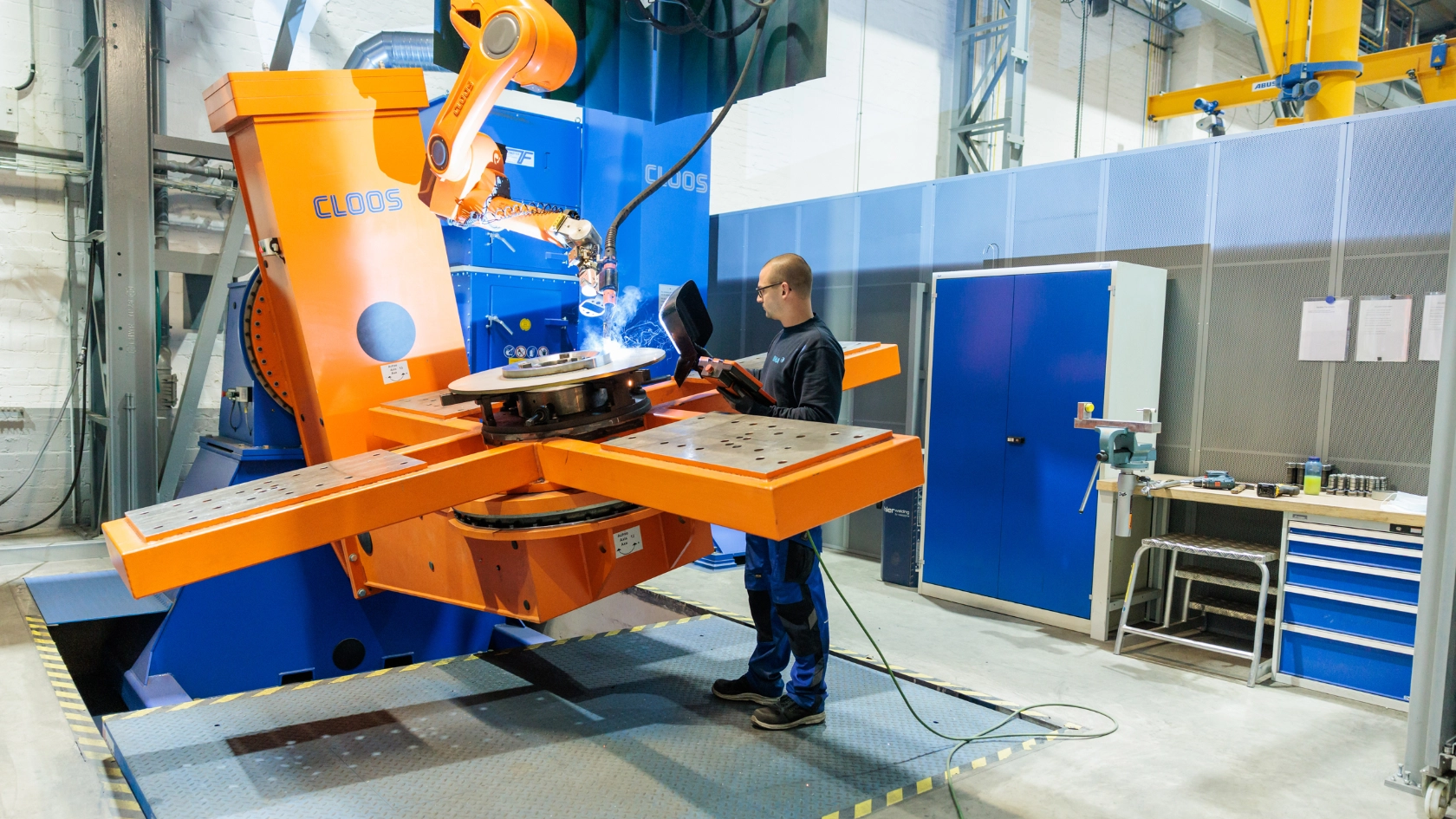
Without them, incomes would be lower, working hours longer, vacation time shorter, and working conditions worse. There are more than 50,000 of them. No two are alike. Whether they’re mechatronics engineers, computer scientists, metalworkers, dental technicians, or engineers—whether they work in small companies or global corporations— collective bargaining agreements apply to all of them, provided the company is bound by a collective bargaining agreement.
Good for Employees
Collective bargaining agreements pay off and provide security and prospects. Employees covered by IG Metall collective bargaining agreements work 35 to 38 hours per week and have 30 days of vacation per year. By law, employers can require their employees to work a 48-hour week with only 20 working days of vacation per year.
Engineers, for example, earn nearly 22 percent more at companies that pay according to collective bargaining agreements. Their starting salaries in metal and electrical companies often differ significantly as well. For instance, young engineering graduates earn 15 percent more under a collective bargaining agreement, and business graduates earn as much as 35 percent more.
Good for Companies
Companies also fare better with collective bargaining agreements. For example, they provide planning security. This is because the “duty of peace” agreed upon in collective bargaining agreements gives companies binding rules for negotiating and further developing working conditions. And in the competition for skilled workers, companies with collective bargaining agreements can position themselves as attractive employers. After all, in the long run, what counts are good ideas and innovative products—and those don’t come from dumping wages and poor working conditions.
Better than laws
Collective bargaining agreements regulate almost every aspect of the workplace and are often better than statutory regulations.
The framework collective bargaining agreements for the metal and electrical industries describe, among other things, how wages are structured and the criteria used to classify employees into pay grades. General collective bargaining agreements regulate working conditions. These include working hours, occupational safety, vacation pay and Christmas bonuses, overtime and shift work, continued pay during sick leave, vacation entitlement, protection against dismissal, special payments, job security, and capital-forming benefits. And last but not least, the collective wage agreements, which set the level of wages and are typically renegotiated every one to two years.
By members, for members
But: Collective bargaining agreements and good working conditions don’t come for free. The benefits provided by these agreements are often hard-won. By members, for members. Only members have a legal right to them. For union members, collective bargaining agreements apply automatically and are binding—even if this isn’t specified in their employment contract. A collective bargaining agreement also protects them from worse working conditions even if the employer leaves the union or the company is sold. In that case, the collective bargaining agreement continues to apply to members (survival clause).
Even if the collective bargaining agreement ends due to termination, the employer must continue to abide by it and cannot unilaterally set new terms. In most cases, companies grant all employees the same rights—partly to weaken the unions’ position. However, when push comes to shove, only IG Metall members can assert their rights guaranteed by the collective bargaining agreement in court. And in the event of a serious dispute, members receive full labor law protection from IG Metall.
Your involvement is always welcome
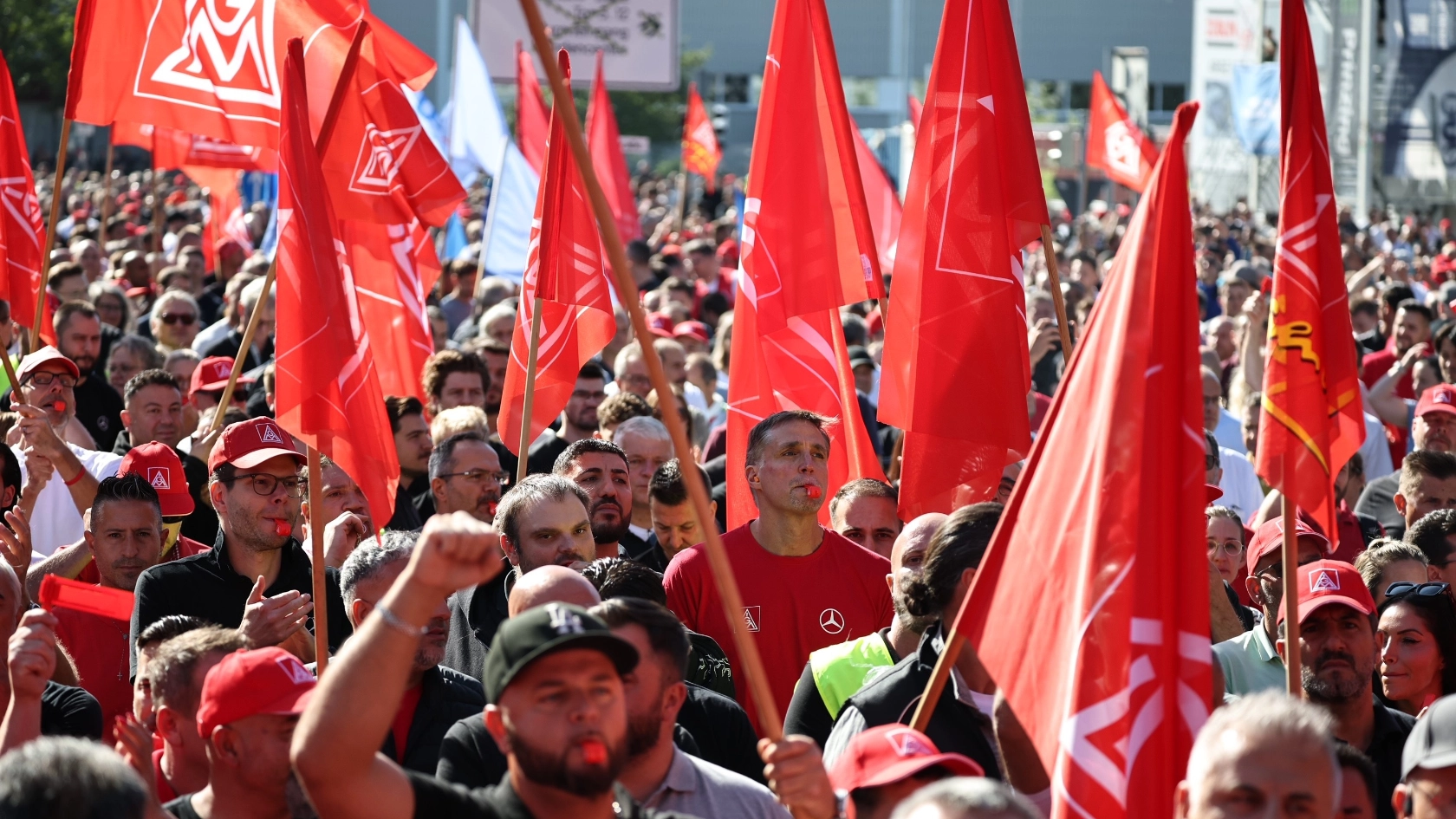
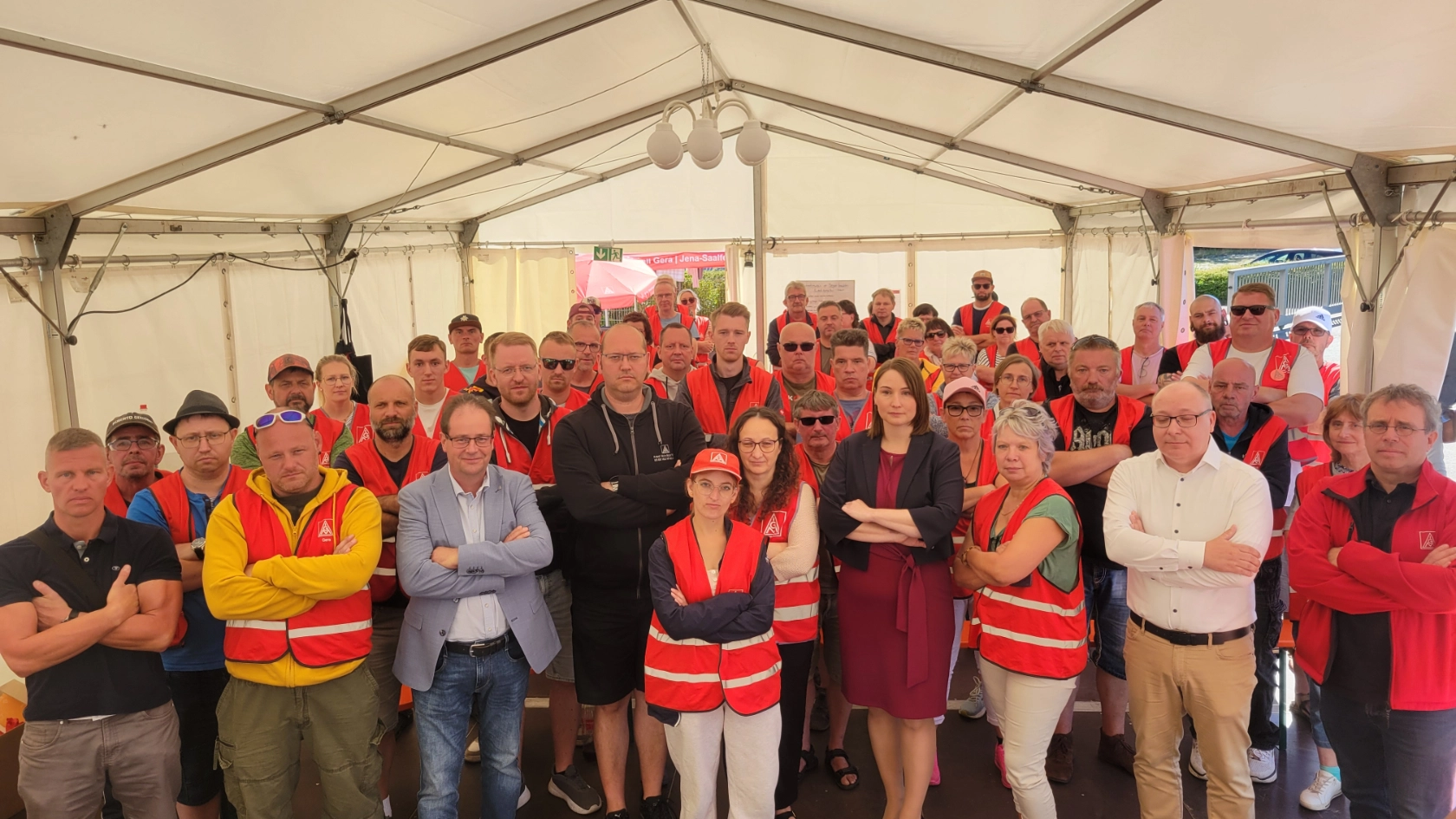
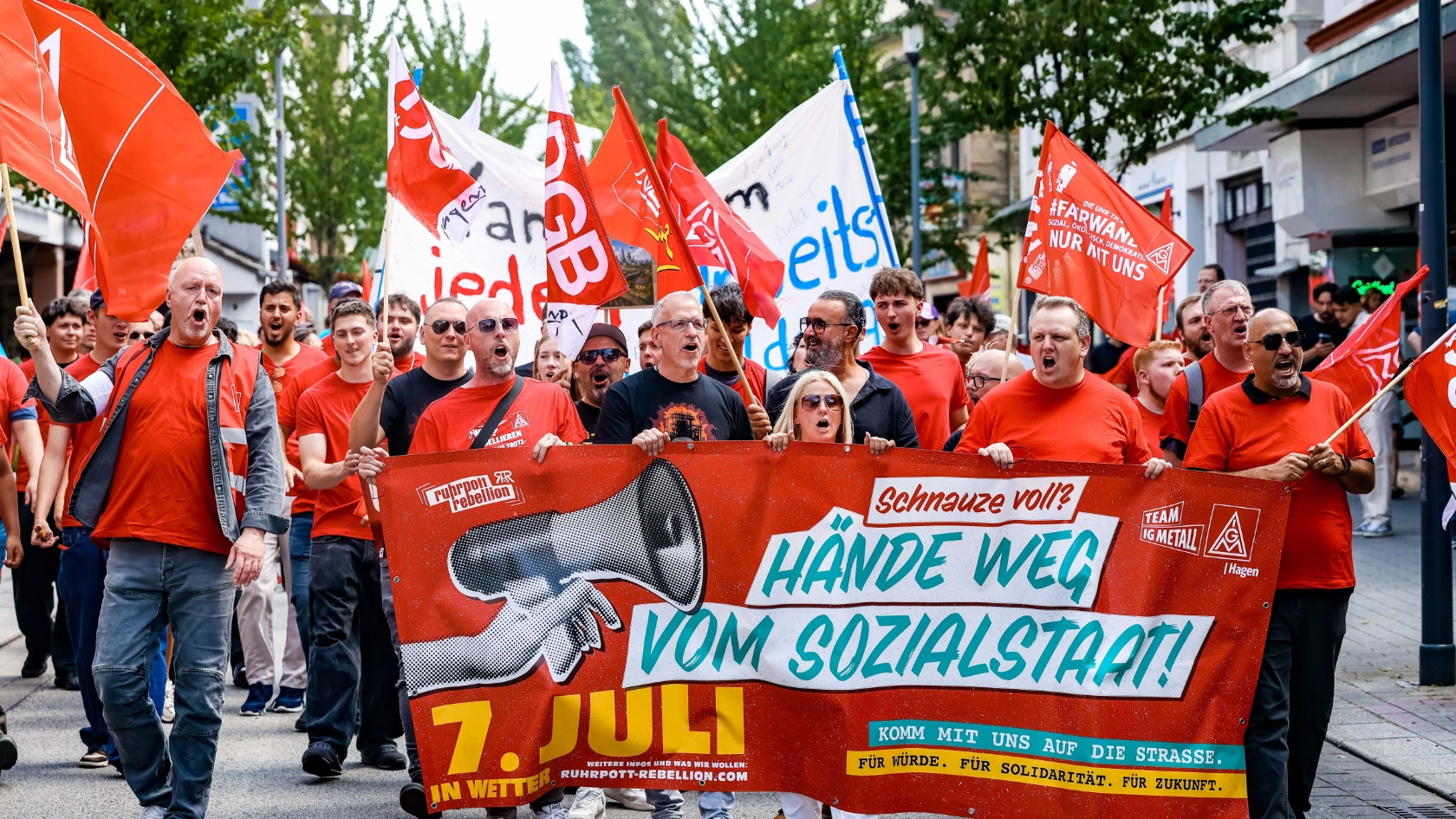
IG Metall has already secured many favorable collective bargaining agreements with the help of its members. The best part is: every single person can play a part. And the more members participate and get actively involved, the better the collective bargaining agreements IG Metall can secure. After all, every round of collective bargaining is always a tug-of-war with employers. But before the negotiations really get underway, it’s up to the members and employees to take the lead. They discuss within their workplaces and in union committees what and how much IG Metall should demand. The results of these discussions are compiled by the regional bargaining committees and forwarded to the IG Metall Executive Board as recommendations. Based on these, the Executive Board then decides on the demands IG Metall will bring to the bargaining table.
Help Shape the Future
Employees want to have a say in their working conditions and future prospects. The best way to do this is together with works councils and IG Metall. Together, we can achieve a great deal. So join now and get involved in securing good collective bargaining agreements.