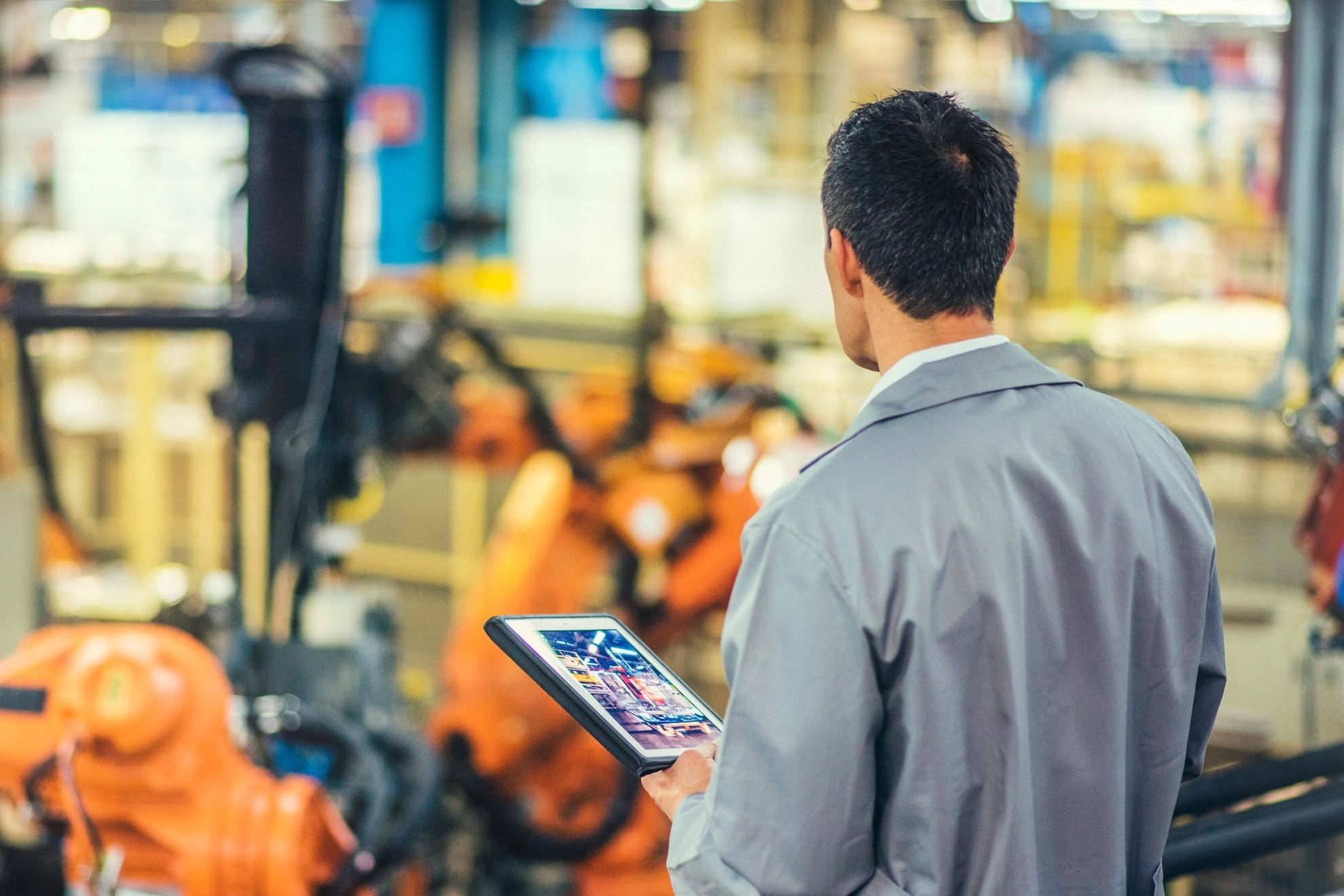
The new robots are coming: smaller, lighter, and working closely with humans. IG Metall wants to capitalize on the opportunities created by the increasing use of lightweight robots and new forms of human-machine collaboration in industry. This was emphasized by IG Metall President Jörg Hofmann at the symposium “The Future of Work – The New Robots Are Coming” in Berlin.
People must continue to play the leading role
And these are the opportunities presented by the use of robotic assistants: monotonous, health-hazardous work can be reduced while simultaneously creating new, skilled jobs. This is contingent on the full potential of the new generation of robots being realized and on human-robot collaboration (HRC) being shaped in partnership with works councils and unions.
“In order to develop a new form of collaboration between humans and machines, we must promote new forms of work with expanded job profiles and opportunities for employees to take initiative. This will certainly require different qualifications than those needed today,” Hofmann explained at the symposium before works council members and representatives from academia and politics.
At the same time, however, it is important to prevent people from being pushed into a secondary role on the sidelines in the “ballet of lightweight robots.”
No Human-Empty Factories in the Future Either
Employees should not be left with only the remaining tasks that lightweight robots cannot yet perform. The ease of use of the new robots—which can be guided by humans and thus learn work processes from them—makes it possible to assign employees new roles. For example, employees could independently produce small batches in the future, supported by lightweight robots.
“The use of these new robots also presents opportunities to improve competitiveness and secure jobs,” says the IG Metall chairman. “The key is to intelligently combine the use of people and machines. This means achieving lower overall labor costs while maintaining higher standards in terms of skills and ergonomics. In this way, we can secure value creation and employment in Germany. We have considerable leeway to make this happen.”