Automatic translation
This article has been translated automatically using computer technology. While we strive for accuracy, some wording or details may differ from those in the original article.
This translation was not manually reviewed. For important facts, quotations or legally sensitive information, please consult the German original. Individual selections, images, embedded media or technical terms may have been translated differently or incompletely.

Circuit board manufacturer Liebers in Ingolstadt What employees on short-time work have to do without

There’s no money for rent, plans to renovate the apartment are on hold, and the loan has to be paid off. For many workers, short-time work during the COVID-19 crisis means income losses of up to 40 percent. That’s also the case for the Liebers in Ingolstadt. At least the increase in short-time work benefits is supposed to come soon.
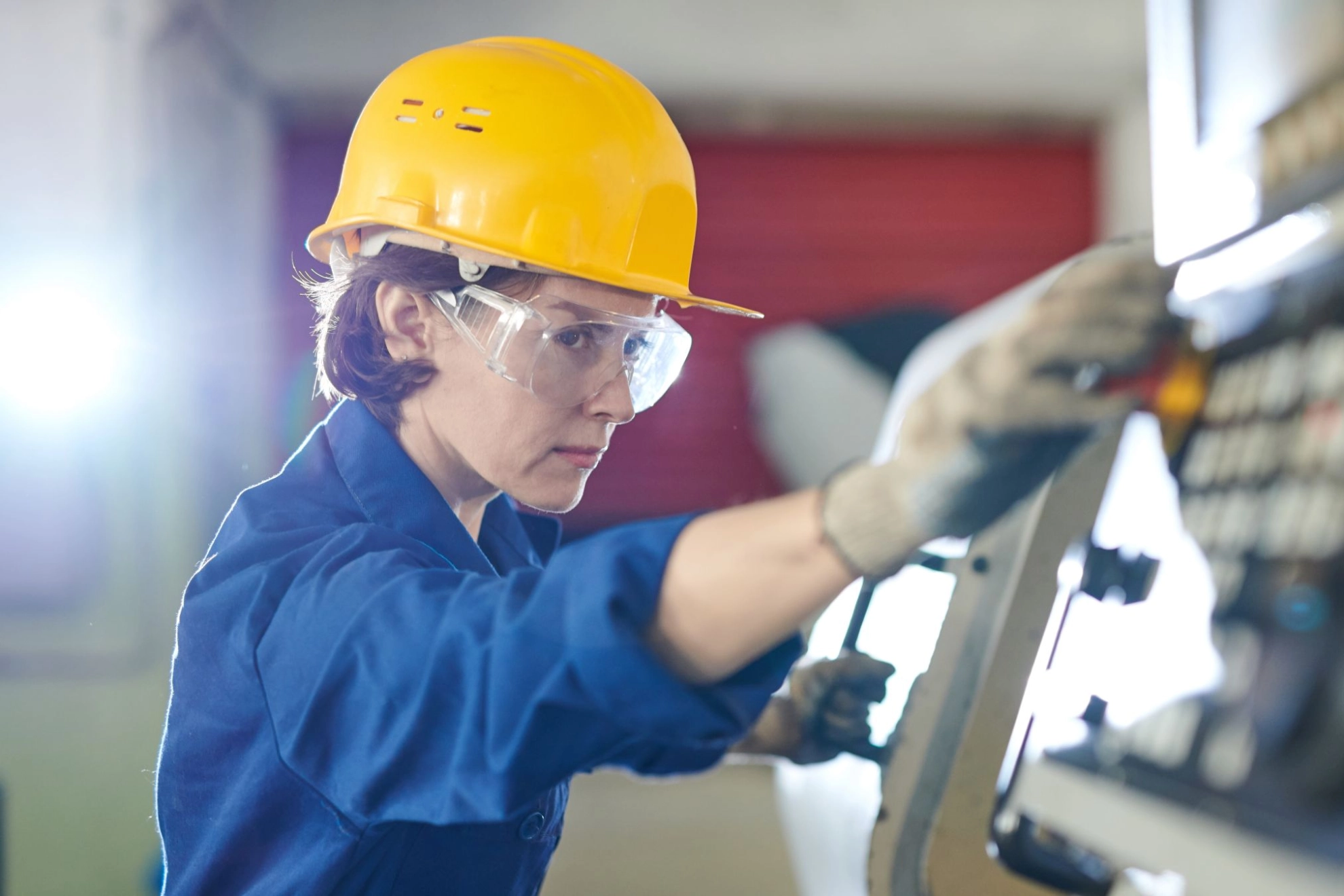

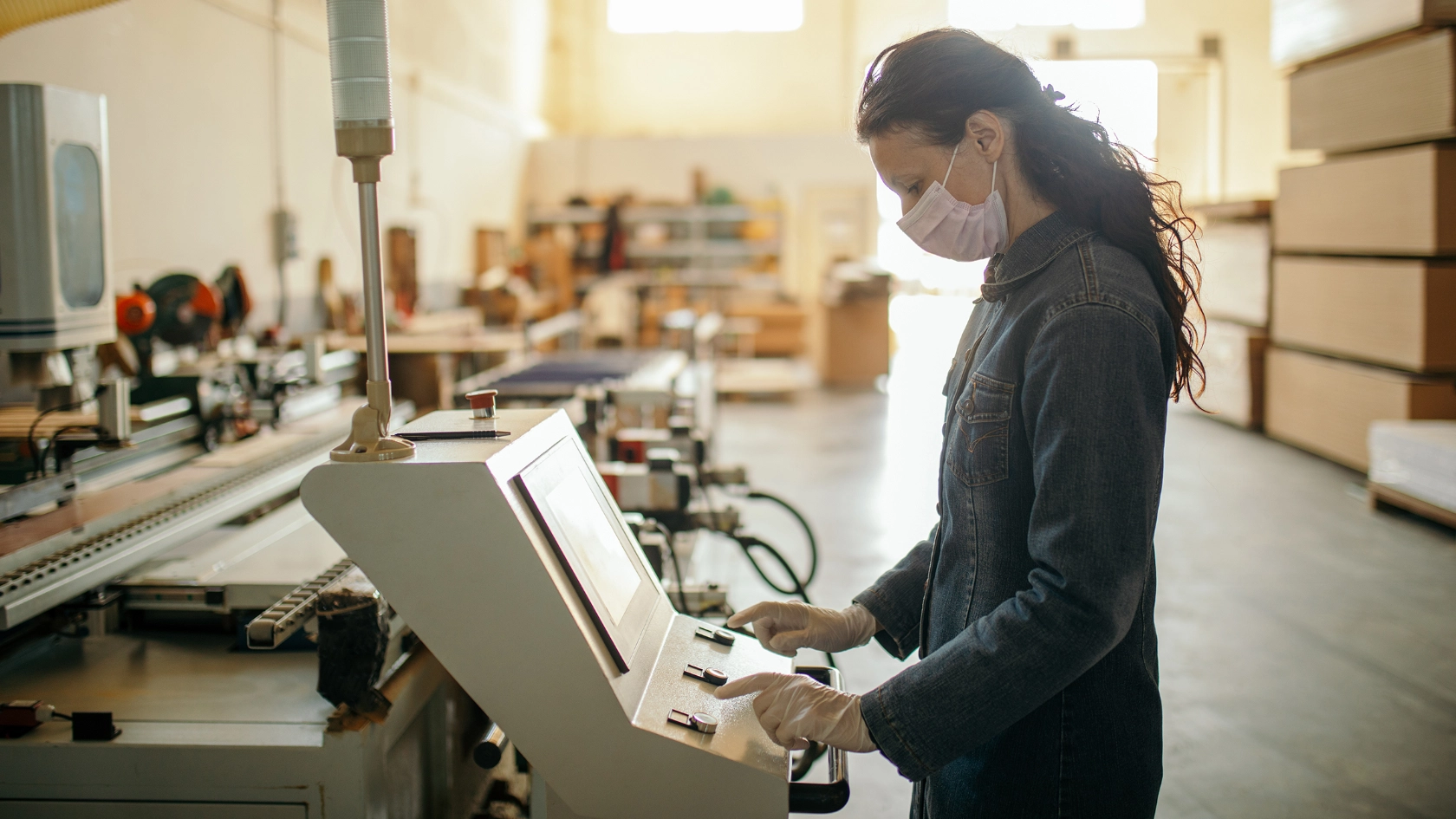
Arbeitnehmerin bedient Industriemaschine

6 May 2020 6 May 2020


Short-time work due to the coronavirus. 70 percent of companies within IG Metall’s organizational scope are affected, involving 1.7 million employees. In 61.6 percent of these companies, IG Metall and works councils have secured agreements requiring employers to supplement employees’ short-time work benefits to 80, 90 percent, or more of their normal net pay.

However, 38.4 percent of companies are not providing any top-up. At these companies, employees face the prospect of seeing their pay drop to the statutory short-time work allowance of 60 percent of their normal net pay (67 percent for those with children).

The circuit board manufacturer Liebers in Ingolstadt also does not provide any top-up to the short-time work allowance. With only four to eight days of work per month, this means significant financial losses for employees.

“The employer says he has no money,” explains Ursula Enzenberger of IG Metall Ingolstadt. “Sure, you can’t make huge profits with circuit boards. However, there are other small companies in our area that do pay. At the machine manufacturer Biersack, which has 120 employees, for example, we’ve just negotiated a top-up to at least 75 percent, plus a COVID-19 bonus of 200 euros.”

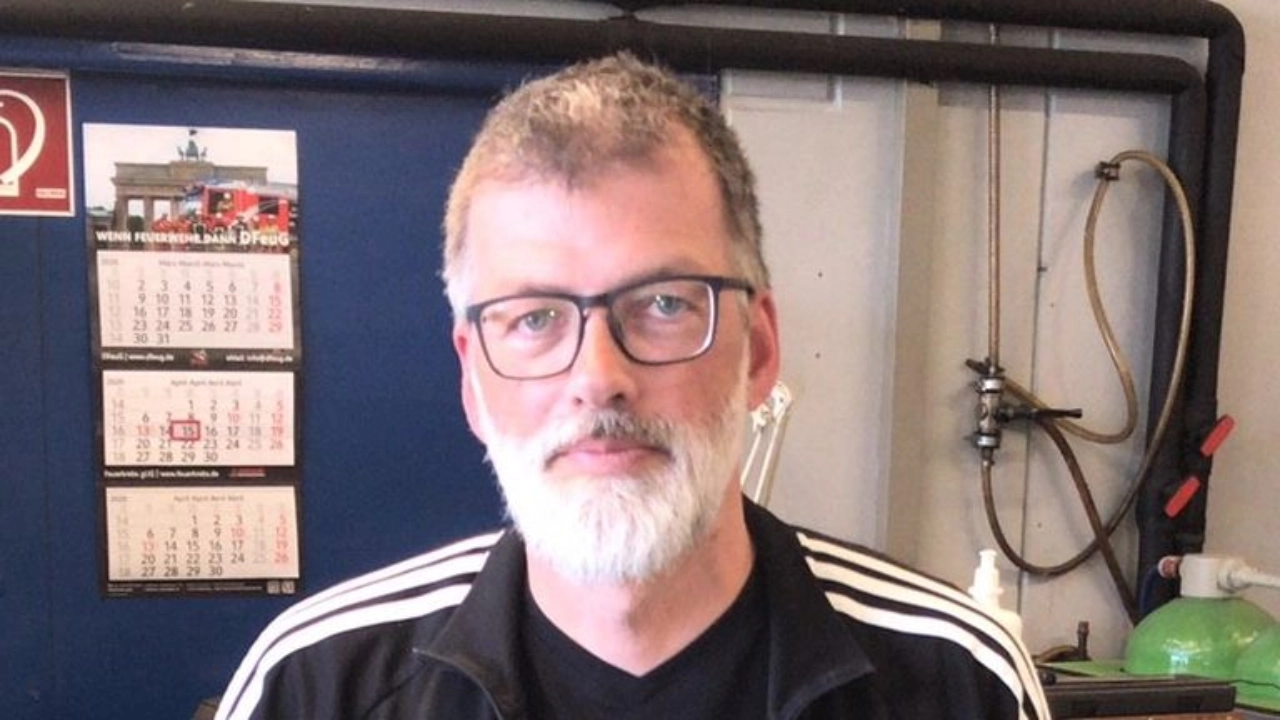
20200505_Liebers_009

Oleg Stopper

“I urgently need to renovate my house before next winter. That’s not going to happen now. I can’t afford the necessary materials on my short-time work benefits.”

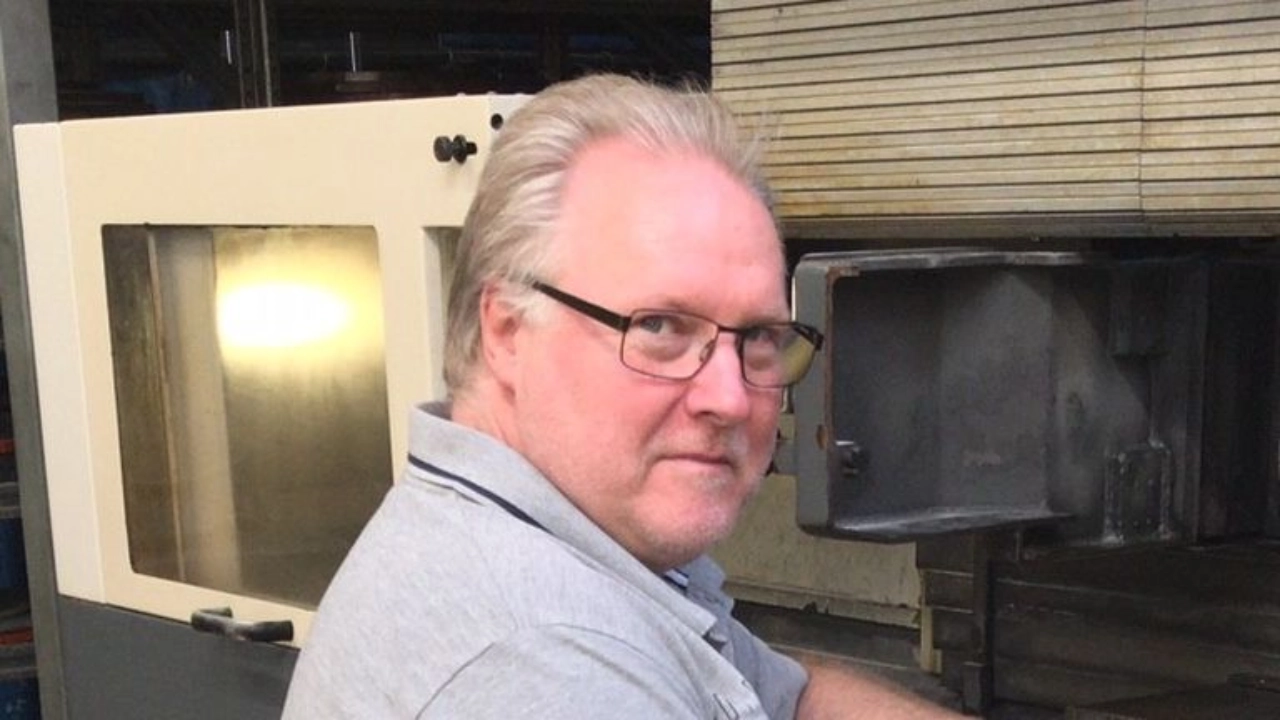
20200505_Liebers_001

Peter Kessler

“I live in the Ingolstadt area. A large portion of my income goes toward rent. Now that I’m on short-time work, I’m afraid I won’t be able to afford my apartment anymore.”

20200505_Liebers_005

Oliver Hermann

“My family is just waiting to finally be able to go out again. However, we’ll still skip outings even after the COVID-19 restrictions are eased. Right now, we have to watch every penny.”

20200505_Liebers_006

Frank Müller

“My family is especially important to me. We have a lot of birthdays coming up. I won’t be buying gifts like I usually do this year. On short-time work, my money only covers the bare essentials.”

20200505_Liebers_008

Quirin Rinberger

“I urgently need new tires for my car. Because of the short-time work, I can’t afford them right now.”

20200505_Liebers_007

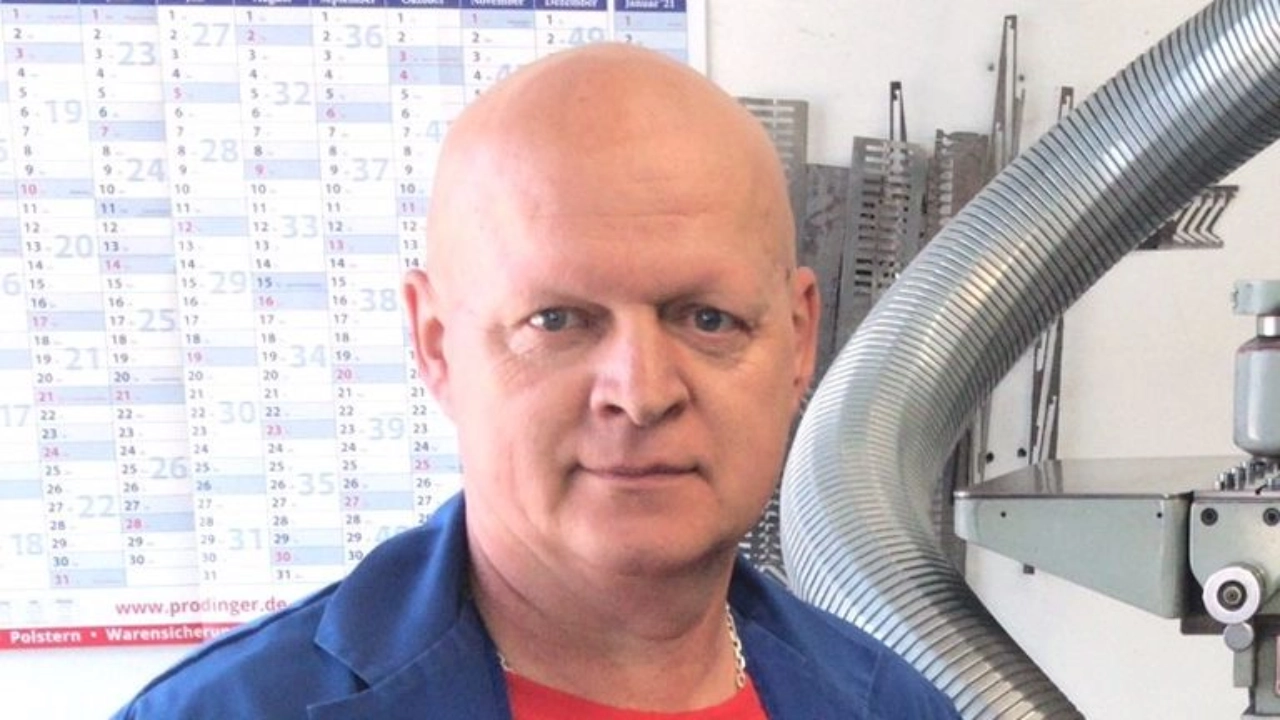
Helmut Retzer

“I proposed to my girlfriend. But the wedding is on hold for now. I can’t afford to get married on my short-time work benefits.”

Increase in short-time work benefits comes too late for many

The employees at Liebers feel left in the lurch—not so much by their employer, but mainly by politicians.

“60 percent. They should be ashamed of themselves,” criticizes works council chairman Mike Zuber. “We’re the economically strongest country in Europe, but when it comes to short-time work benefits, we’re at the very bottom. Everywhere else in Western Europe, it’s 80 percent or more.”

For weeks, IG Metall has been running a campaign to push for higher short-time work benefits. Now the grand coalition has finally decided: Short-time work benefits are to increase —albeit only starting in the fourth month of short-time work. At that point, they’ll amount to 70 percent (77 percent for those with children) of net pay. Starting in the seventh month, the rates will rise to 80 and 87 percent.

For many employees at companies that provide a top-up, this comes at just the right time. Many companies are already facing liquidity problems. The top-up only lasts three to four months.

For employees who receive no top-up at all—as is the case at Liebers in Ingolstadt—the increase comes too late. They have to cut back and do without many things.

Coronavirus Crisis
Landkarte mitmarkern für Geschäftsstellen
IG Metall on Site
Advice, Service, Assistance

Any questions? Contact your local IG Metall office for more information.

Ein lachender Mann mit IG Metall-Kappe in einer Menschenmenge.
IG Metall App
News straight to your smartphone

News on current topics, guides, pay scale tables, and more—download the IG Metall app for Android or iOS!

Subscribe to the newsletter