Automatic translation
This article has been translated automatically using computer technology. While we strive for accuracy, some wording or details may differ from those in the original article.
This translation was not manually reviewed. For important facts, quotations or legally sensitive information, please consult the German original. Individual selections, images, embedded media or technical terms may have been translated differently or incompletely.

IG Metall’s Demands During the COVID-19 Crisis What we want to achieve for workers now

Employees on short-time work are losing a large portion of their pay. The same goes for parents who are currently unable to work due to childcare responsibilities. The federal government could provide relief. What we want to achieve in Berlin.
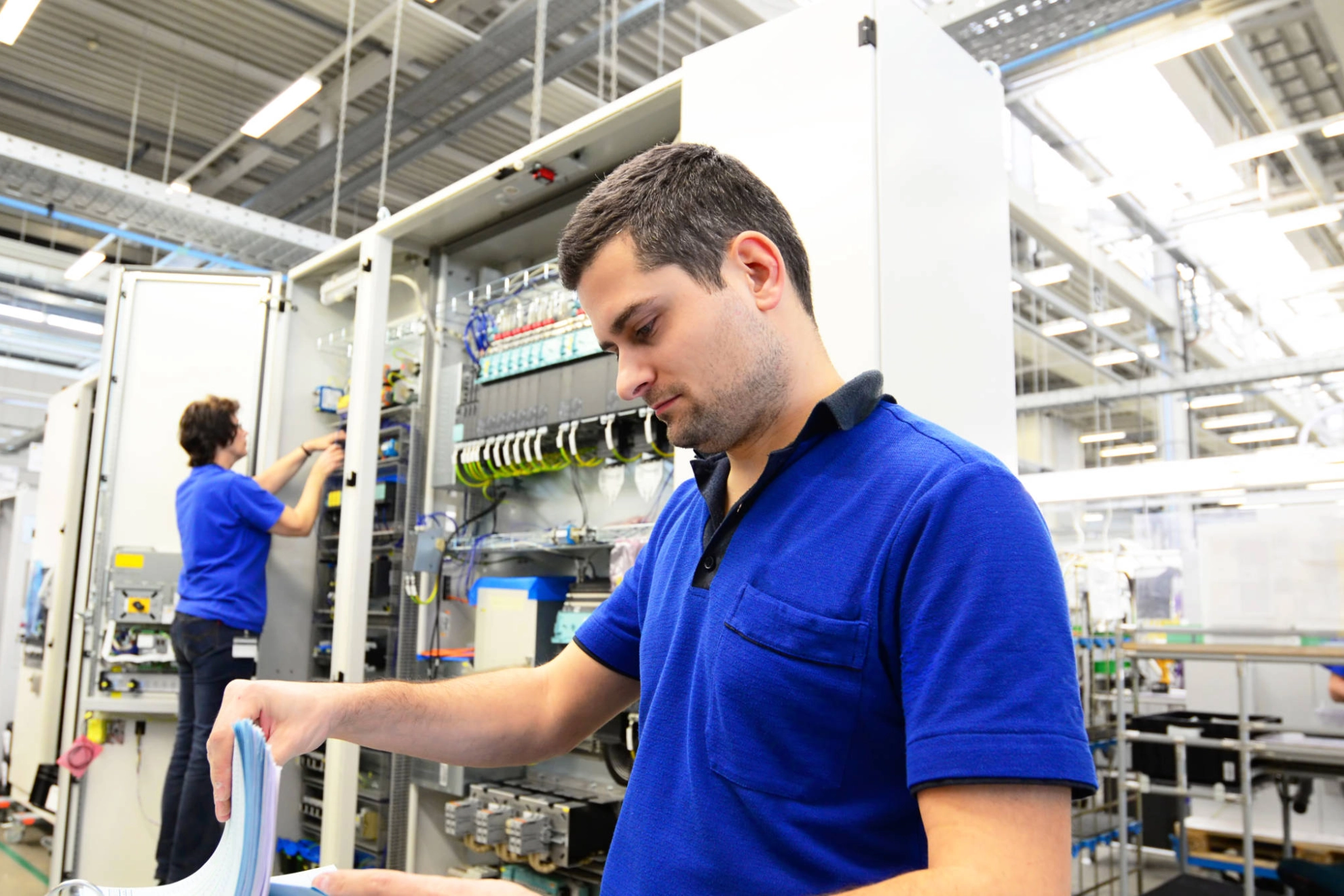
Ein Mann schaut in einen Aktenordner. Im Hintergrund arbeitet eine Frau an Elektronik.

22 April 2020 22 April 2020


The coronavirus threatens us all. The order of the day is solidarity. The German economy is facing a standstill in large parts of the country, which we will not be able to overcome without decisive government intervention.

The federal government has acted quickly and decisively—in part due to our urging. But the relief packages still lack social balance.

We provide an overview of the measures that have been adopted and of IG Metall’s further demands.


Here’s what we want to achieve for workers:

  • Short-time work benefits: The federal government is providing relief to employers during short-time work by reimbursing them for social security contributions. We demand that employees also be supported: through higher short-time work benefits. After all, this involves money that employees and employers have contributed equally to the social security funds. Following weeks of campaigning by IG Metall, the governing coalition has now responded: Short-time work benefits will be increased.
  • Income protection for parents caring for children: The specific provisions in the Infection Protection Act (67 percent of net pay for a limited time) are insufficient. Many parents will lack the money to pay rent and cover their living expenses.
  • A 450-billion-euro investment initiative to ensure a rapid economic recovery after the pandemic. The coalition committee adopted this demand on March 8.


Here’s what the federal government has already decided:

  • Significant easing of short-time work benefits: The threshold for eligible employees will be lowered from one-third to 10 percent; temporary agency workers will be eligible for short-time work benefits; and employees will not be required to accumulate negative hours on their work time accounts.
  • Income protection for parents who must care for their children due to school and daycare closures and are therefore unable to work. However, more needs to be done in this area (see above).
  • Parental allowance: IG Metall has advocated to ensure that COVID-19-related loss of earnings does not reduce the amount of future parental allowance. This prevents employees from suffering double financial losses: first due to short-time work and later while receiving parental allowance. However, the new legal provision must not be limited to the current exceptional situation.

  • “Social Protection Package”: Those who suddenly have significantly less money at their disposal will have easier access to basic income support and the child supplement.
  • Changes to rental law: Tenants who face payment difficulties due to the pandemic cannot have their leases terminated.
  • Government support for businesses: The most massive liquidity assistance for businesses in postwar history is intended to protect companies from insolvency and employees from unemployment. In addition, a 600 billion euro rescue package was established through the so-called Economic Stabilization Fund. A full 100 billion euros alone is earmarked for direct government equity investments in companies.


The impact of this unprecedented pandemic is challenging everyone in this country. We are facing up to this responsibility and working with the other DGB unions to develop proposed solutions.


Note: This article was first published on March 17, 2020. We are updating it on an ongoing basis.


Hol Dir jetzt die IG Metall App!
New on igmetall.de

Subscribe to the newsletter











