Hundreds of thousands of businesses are scaling back operations due to the coronavirus and implementing short-time work. Normally, this means up to 40 percent less pay for employees. But IG Metall and works councils are pushing employers to contribute additional funds to the short-time work allowance—not only in large factories, but also in the skilled trades and among service providers. At Bilfinger EMS, a technical service provider for oil and gas companies, the works council has negotiated an agreement whereby the employer will top up employees’ short-time work benefits to 80 percent of their normal net pay.
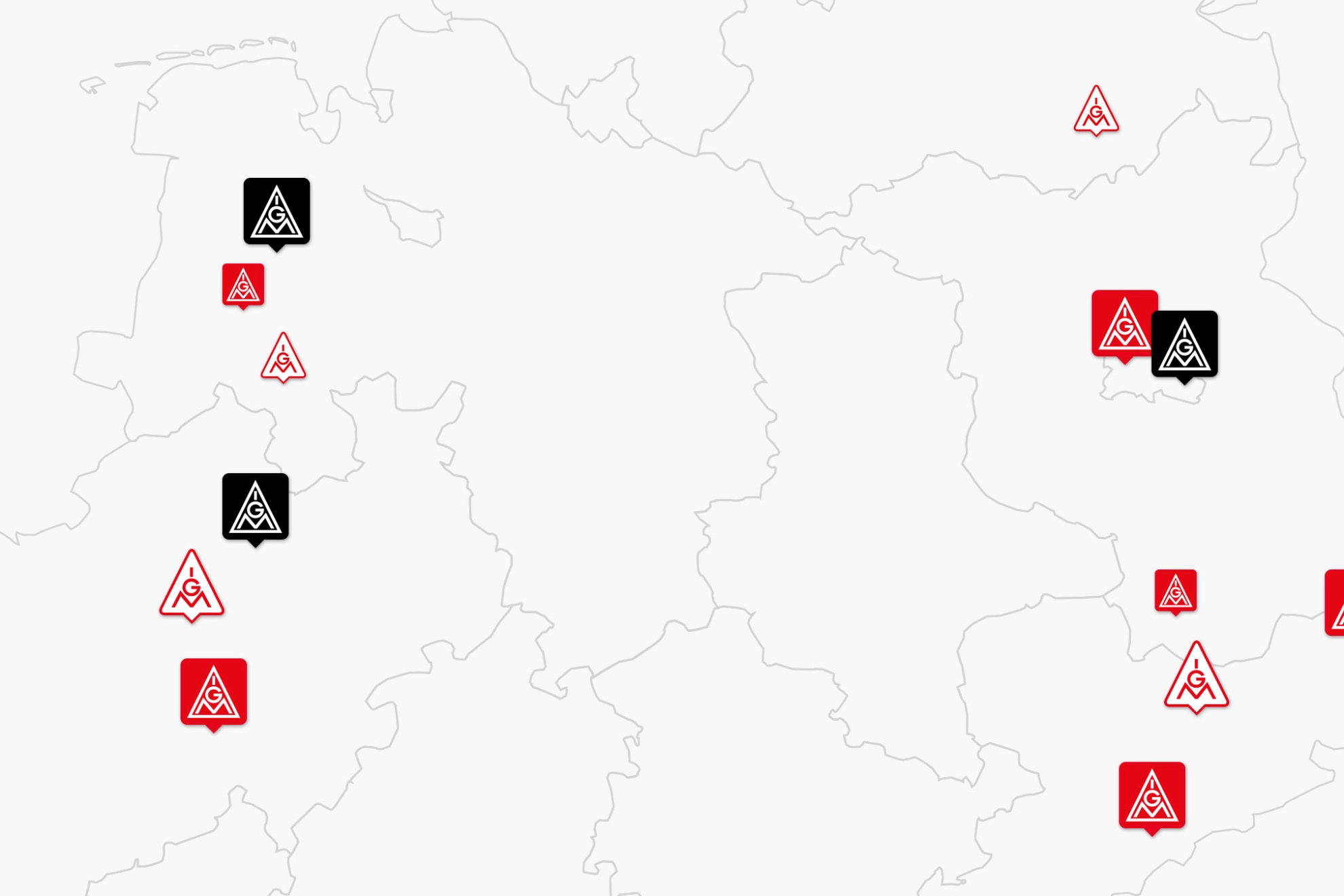
Six locations are participating
“When I first brought up the idea of a top-up, our boss nearly fell off his chair,” reports works council chair Andreas Büter. “But in the end, we were able to convince him. After all, other companies are also contributing something. We finalized the works agreement after three days of negotiations.”
The company agreement to top up short-time work benefits to 80 percent now applies to six Bilfinger EMS locations nationwide. So far, only the Emden location has gone on short-time work—but it could happen to all the others at any moment: Each location has one main client—and if that client closes and no longer allows service providers on-site, there will be no work from one day to the next. In Emden, this meant zero short-time work immediately. That’s why everything had to happen very quickly last week.
Employees are satisfied with the increase
The company agreement has been well received by employees. Andreas Büter and the other works council members informed them via notices and conference calls—and spoke with many of them personally by phone.
“Most employees have no problem going on short-time work. In some cases, they’ll only suffer minor losses,” explains Büter. “Some have to drive 50 or 60 kilometers to work every day. That costs money. The commuting expenses are then eliminated.”
The employees aren’t worried about losing their jobs. As of April 1, Bilfinger EMS in Cloppenburg, Lower Saxony, hired three new employees—despite the looming short-time work. Skilled workers are in short supply. And they’re needed—for the post-COVID future.
More information on short-time work in our guide