The coronavirus pandemic is crippling the economy. Some businesses are facing bankruptcy, while many workers are facing reduced hours or even job loss. As a result, many people are thinking twice about whether to buy expensive goods like cars or to wait until the outlook improves.
The latest figures reflect this: In Germany, new passenger car registrations plummeted by 37 percent in March. In April, the drop was even greater, at over 60 percent. Germany’s leading automotive industry has been hit hard as a result. This threatens companies and jobs. The automotive industry is the driving force behind the entire economy in this country. Other key sectors—mechanical and plant engineering, as well as the textile, steel, and parts of the chemical industries—are directly dependent on it.
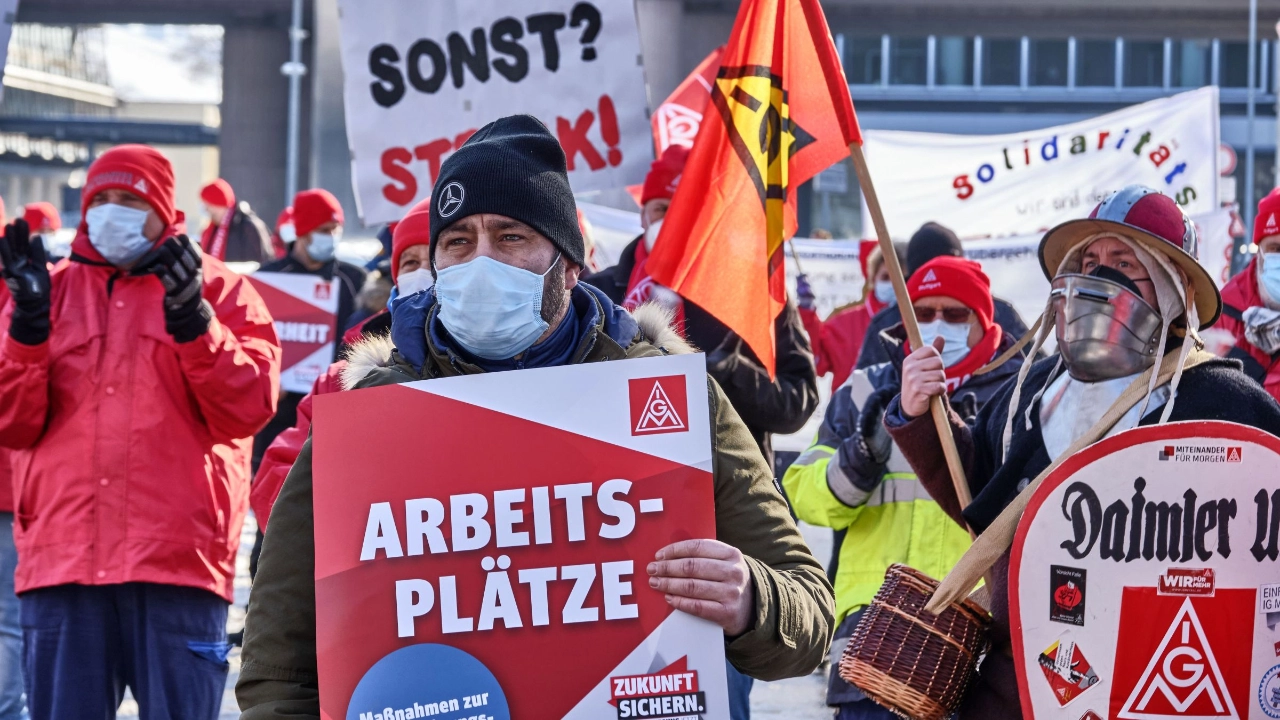
According to an estimate by the Federal Ministry for Economic Affairs, the jobs of over two million people in Germany depend on the automotive industry. Especially in regions with automotive clusters, the security and prosperity of everyone—from assembly-line workers to retailers—are at risk. Jörg Hofmann, President of IG Metall, therefore emphasizes: “We need a signal from policymakers that a major economic stimulus package will also include measures to support the key automotive manufacturing sector.”
Reducing Emissions, Securing Jobs
But what exactly should such a bonus look like? A scrappage bonus modeled on the 2009 program with flat-rate payments does not fit today’s situation and would miss major opportunities. IG Metall is urging that a purchase bonus not only stimulate overall demand but must also make a mandatory contribution to climate protection. Broad-based incentives must be created to encourage the purchase of vehicles with lower CO2 emissions.
However, this does not mean that only the purchase of electric cars should be subsidized. That would not help the climate, as the effect would be too small. Why? For many people, buying an electric car is out of the question as long as the necessary charging infrastructure is still lacking in many places. Furthermore, new electric vehicles—even with incentives—are hardly affordable for broad segments of the population. In addition, delivery times for fully electric vehicles currently range from at least six to eight months. Even if there were a significantly stronger demand for electric cars, no effective economic stimulus could be expected in the short term.
It follows that, in order for a purchase incentive to actually reduce CO2 emissions from the registered passenger car fleet in a meaningful way and to secure jobs, low-emission, modern internal combustion engines must be included alongside electric cars.
Modern internal combustion engines can advance climate protection
A significant reduction in CO2 emissions from road traffic is only possible if vehicles meeting the Euro 4 standard or older are removed from the roads and replaced with electric vehicles as well as efficient gasoline and diesel engines that meet the Euro 6d limit.
This may also apply to vehicles certified to the Euro 6d temp emissions standard. This could result in a maximum CO2 reduction of up to 16 million metric tons per year, corresponding to an annual reduction of 43 percent.
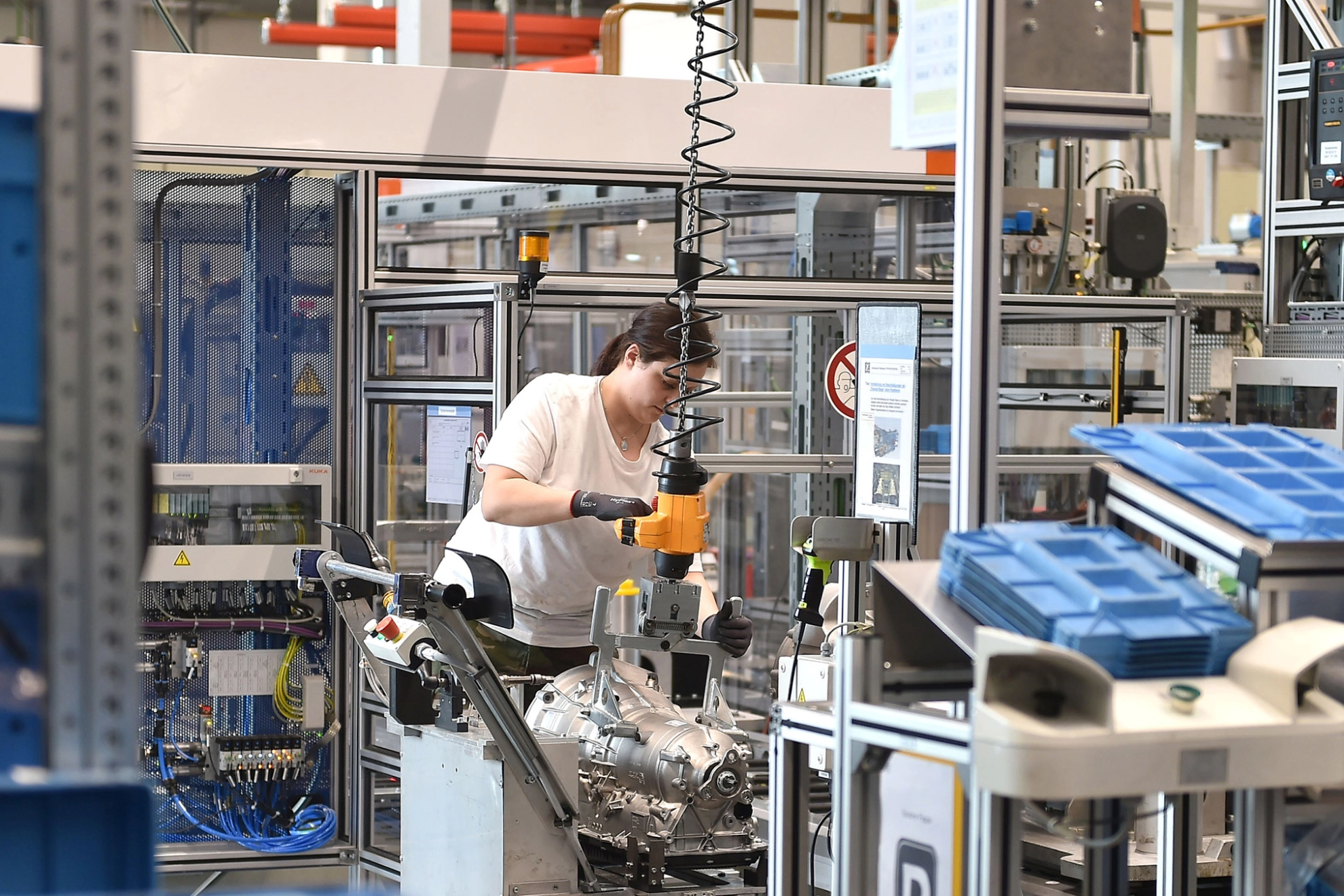
From the perspective of job security, it is also important not to overlook modern internal combustion engines. Although the automotive industry is increasingly focusing on electric vehicles and is in the midst of a digital and ecological transformation, the vast majority of employees—91 percent—are currently still involved in the production of conventional internal combustion engines. This is particularly true for the supplier industry, i.e., the sector of automotive production where the majority of value is created.
Manufacturers Bear Responsibility
However, manufacturers themselves must bear primary responsibility for the entire industry and its workers. It must not be the case that companies offset tax-funded purchase incentives against the discounts currently being offered.
From IG Metall’s perspective, the automakers’ own contribution must therefore be at least equal to the level of discounts that have been standard practice to date. This is the only way to ensure that discounts previously granted continue to be passed on to customers and are not subsidized by an environmental incentive. This could be achieved through a voluntary commitment to which the manufacturers must agree.
This is what a subsidy should look like
Support should be provided for electric vehicles, hybrids, as well as modern, low-emission gasoline and diesel vehicles. For IG Metall, it is also clear that, as part of an overall strategy, a bridge toward electric propulsion is needed. A “turbo bonus”—which would supplement the existing environmental bonus for electric vehicles and temporarily increase the environmental bonus for electric propulsion (BEV/hybrid) through the end of 2020—could contribute to this.
To make good use of the long wait times for electric vehicles, the following provision could help: Anyone planning to buy an electric vehicle but who first switches to or already owns a low-emission internal combustion engine vehicle should be able to redeem the “turbo bonus” when purchasing an electric vehicle or hybrid by 2022. The time until the delivery date can be bridged with an affordable lease agreement or financing. This incentive structure would prevent the existing and very sensible environmental bonus from losing its appeal.
A Turbo Bonus for fleet operators could also be considered if they submit a plan to electrify their fleets so that at least 50 percent of vehicles are electric or hybrid by 2023. Of course, the actual figures would then have to be verified.
Decision on Incentives to Be Made in Early June
During a telephone “auto summit” in early May, Jörg Hofmann already made IG Metall’s position clear to Chancellor Angela Merkel and representatives of the automotive industry. The Chancellor subsequently highlighted the particular importance of the automotive industry for value creation and employment in Germany.
IG Metall and the other participants in the discussion agreed to form a working group to discuss concrete economic stimulus measures that “contribute to modernization toward innovative vehicle technologies,” according to a statement from the Federal Chancellery. Results are to be presented in early June—as part of a major economic stimulus package. This could happen as early as next Tuesday.
This article was originally published at an earlier date and has been updated.