Automatic translation
This article has been translated automatically using computer technology. While we strive for accuracy, some wording or details may differ from those in the original article.
This translation was not manually reviewed. For important facts, quotations or legally sensitive information, please consult the German original. Individual selections, images, embedded media or technical terms may have been translated differently or incompletely.

Statutory Health Insurance Why health insurance premiums will rise in 2023

Premiums for statutory health insurance are rising noticeably. While a victory for the unions is slowing the rate of increase, pressure for reform in health policy is mounting.

Stethoskop liegt auf einem Taschenrechner

3 January 2023 3 January 2023


Anyone with statutory health insurance should expect higher premiums at the start of 2023. Many health insurance plans are raising their supplementary premiums. This means health insurance will become more expensive.

Each insurance provider sets its own exact contribution rate. On average, the supplementary contribution will amount to 1.6 percent of income. Last year, it was 1.3 percent.

Important: This time, statutory health insuranceproviders are not required to notify members of the new premium rate by mail. This obligation to provide information has been suspended by law until June 2023. However, the providers must notify members of the premium increase via their websites or in their member magazines.

Background on the premium increase: Statutory health insurance plans need money. They have accumulated an enormous deficit. One reason for this is expensive new laws that do not improve healthcare but instead benefit doctors and providers of health apps.


Employers Share the Burden

In light of higher premiums, fair financing of health insurance funds is particularly important. Since 2019, employers have been paying half of the supplementary premium. Previously, insured individuals had to shoulder the supplementary premium alone. It was introduced in 2015 and has risen steadily ever since: from 0.9 percent in 2015 to 1.6 percent today.

IG Metall had sharply criticized the one-sided burden on insured individuals and successfully advocated for employers and employees to share the entire health insurance premium—including the supplementary premium.

The return to this equal financing arrangement has saved employees a lot of money: An employee with an annual salary of 42,000 euros (gross) has saved nearly 1,000 euros since 2019*.


A Fresh Start for the Healthcare System

In the long term, only a radical reform can help health insurance plans: a universal health insurance system into which all working people contribute equally. It would bring more money into the system and improve healthcare.

Far too often, the focus is solely on costs. Statutory health insurance plans are expected to engage in a price war. Yet for the insured, care is what matters most. And there have long been major gaps in that area.

Eyeglasses, quality dental prosthetics, certain medications: Insured individuals must pay for all of these out of pocket because they have been removed from the health insurers’ list of covered services. This is a fact that employer representatives like to gloss over when they complain about social security contributions.

*Here’s how we calculated it: 42,000 euros multiplied by the average additional premium, divided by two, and then added up for the years 2019 through 2022. In other words: We added up the employer’s share of the average supplementary contribution for the years 2019 through 2022. For a gross annual salary of 42,000 euros, this amounts to 966 euros.

 

New on igmetall.de
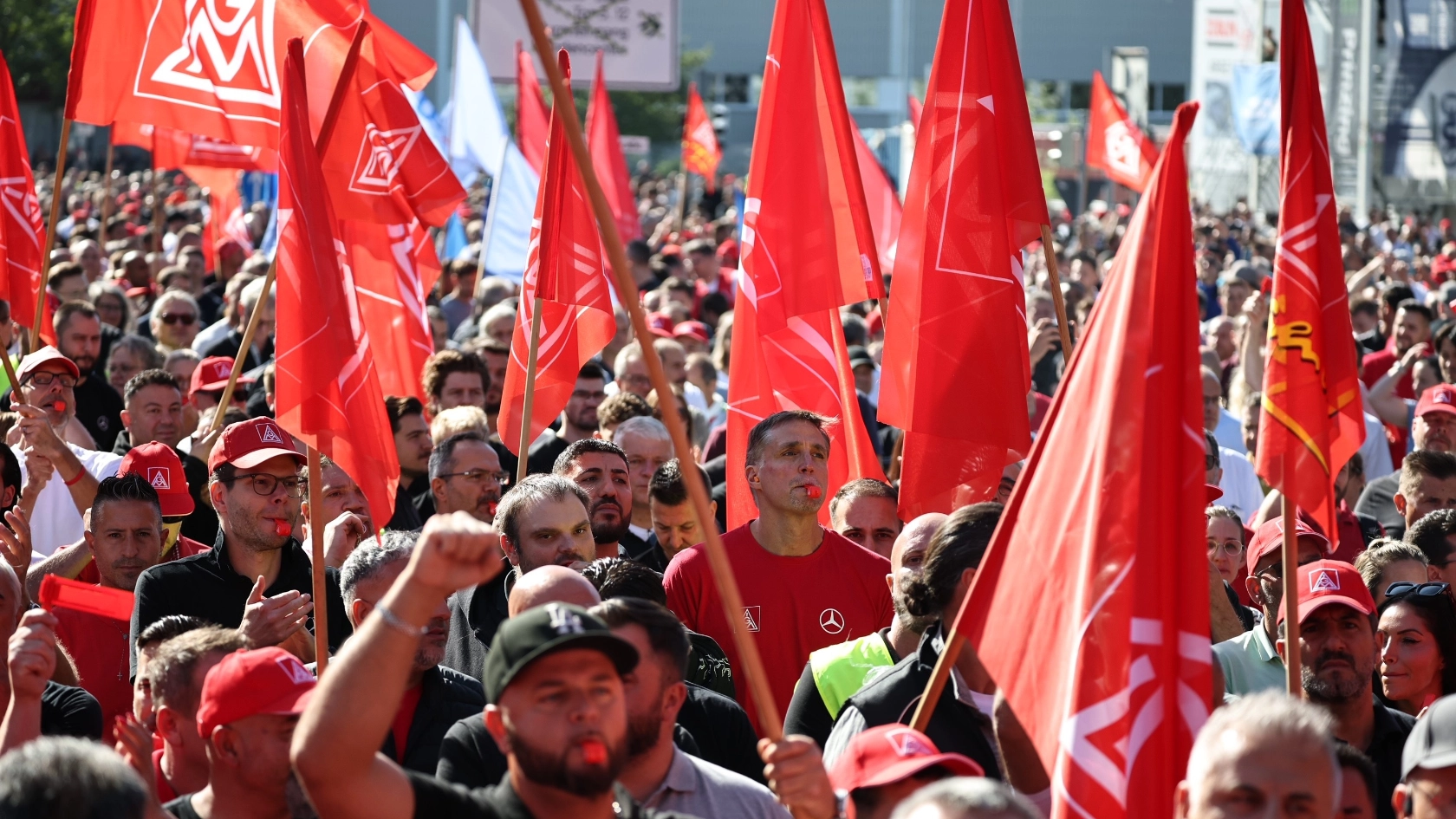
Aktionstag bei Mercedes Benz, Daimler, in Sindelfingen gegen die Angriffe auf Beschäftigten in der Automobilindustrie.
Resistance to Attempts at Drastic Cuts Auto industry workers issue a warning
Sie wollen doch nur dein Bestes
Redistribution Making Germany more equitable: We need this tax reform now
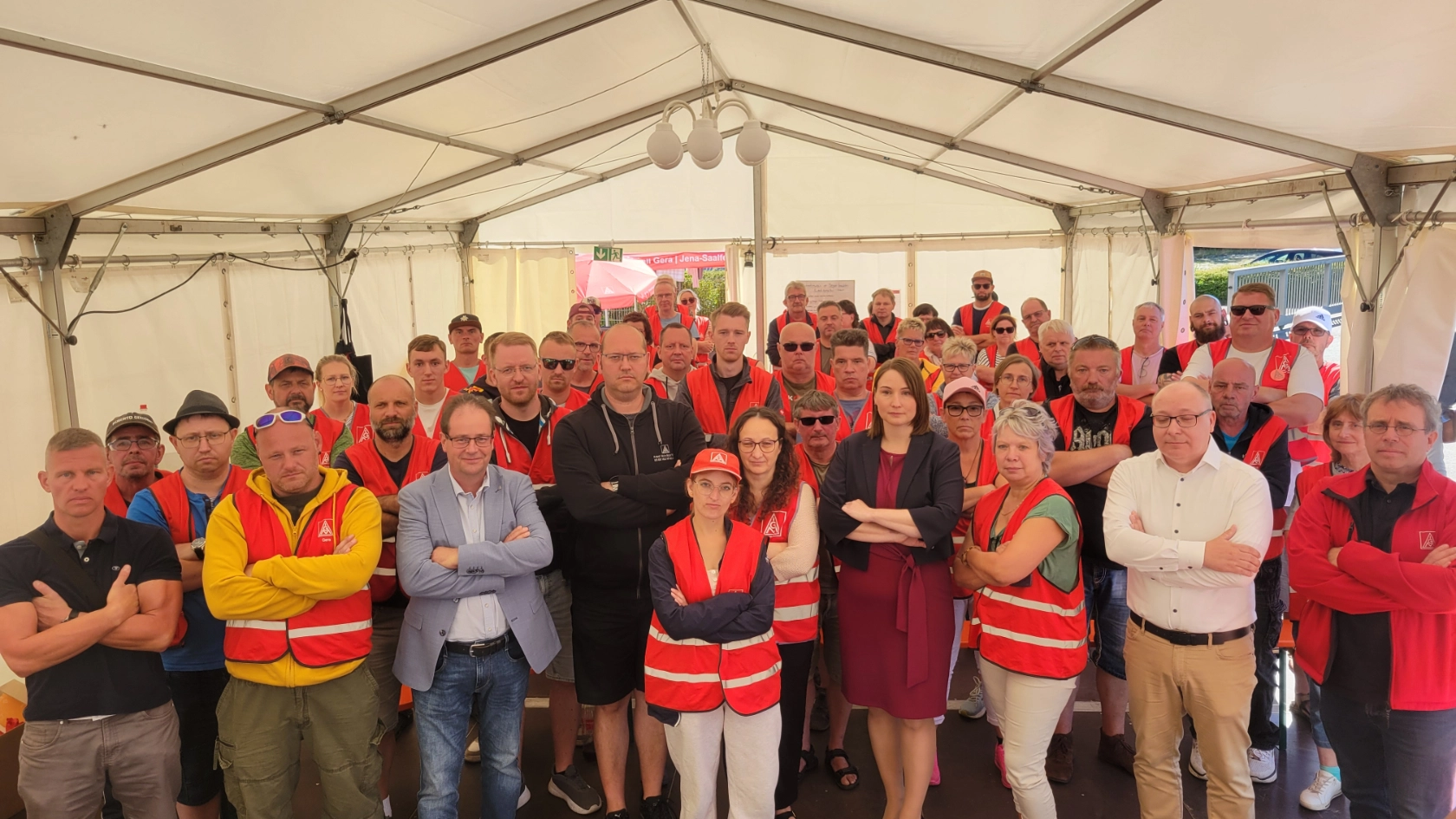
Der Streik bei Kelvion in Nobitz-Wilchwitz begann am 4. August 2026. Die Geschäftsleitung will nach Sarstedt/Niedersachsen verlagern - obwohl die Produktion in Wilchwitz profitabel und bis ins nächste Jahr ausgelastet ist.
"It’s worth fighting for!" Kelvion workers strike for a social collective bargaining agreement
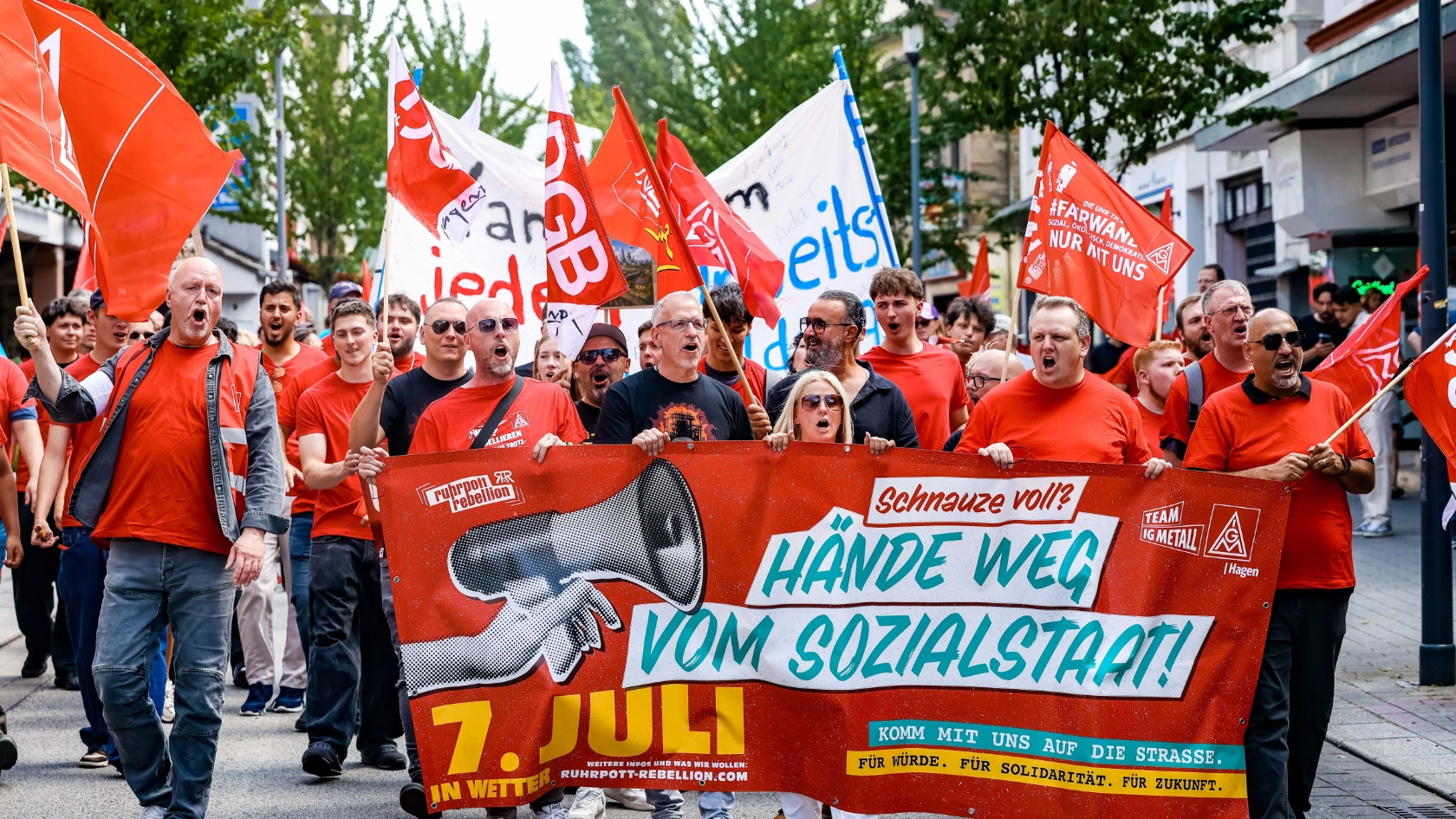
Ruhrpott Rebellion am 07.07.2026
Welfare State September 26: Nationwide Day of Action for Social Policy
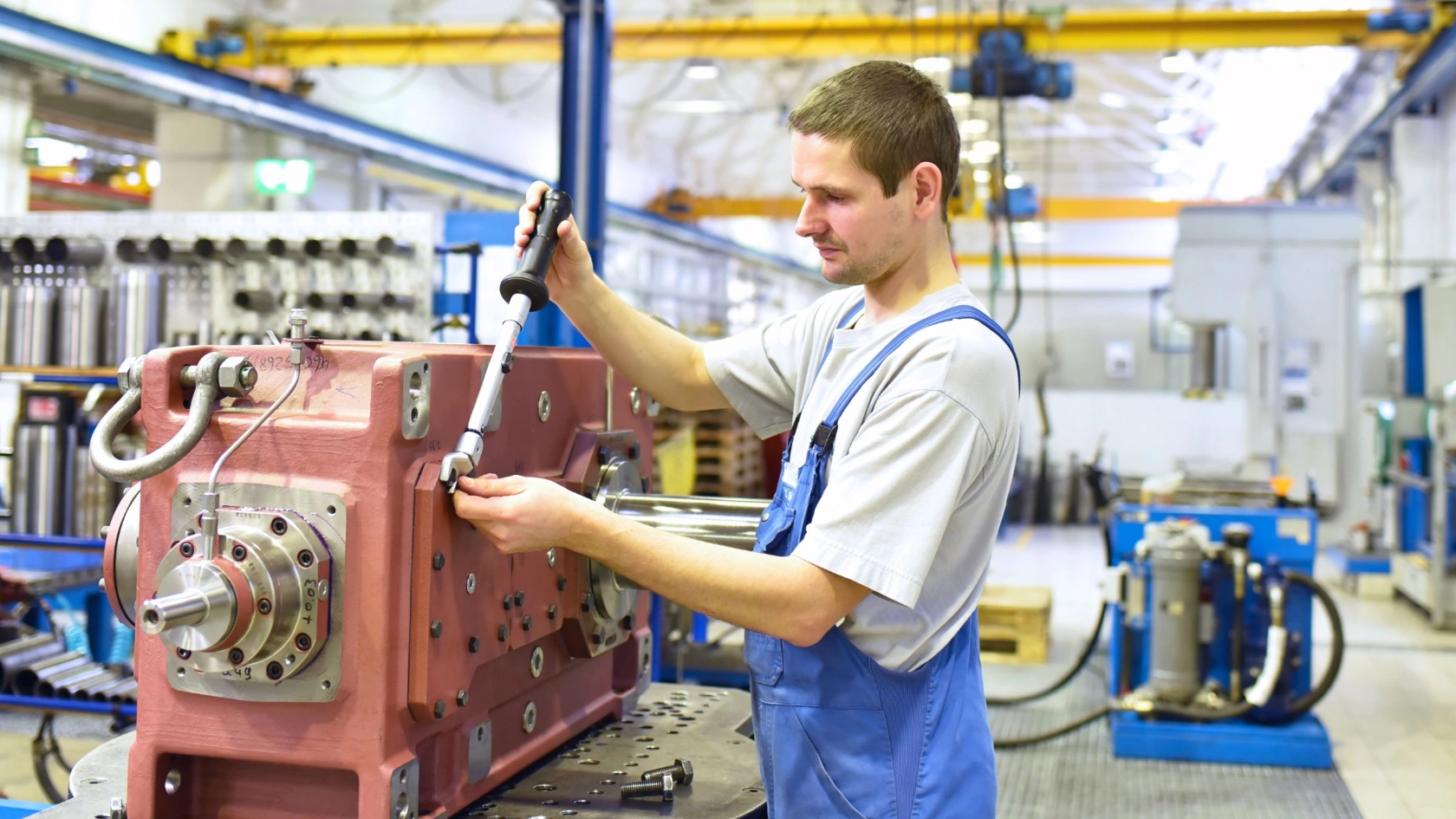
Beschäftigter arbeitet an einem Getriebe in einer Fabrik
Working Hours Why working longer doesn’t help—and actually does more harm than good
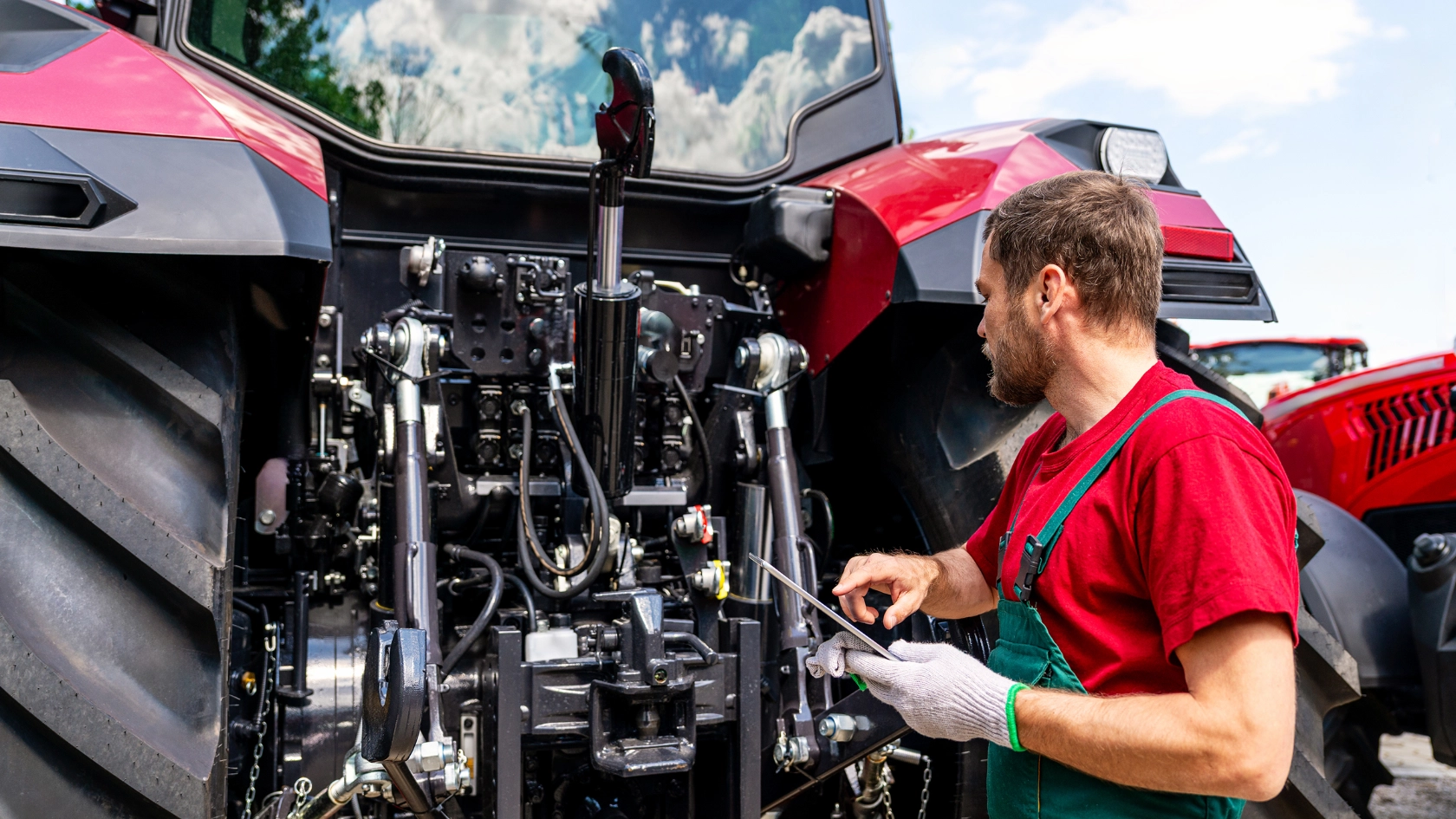
Ein männlicher Land- & Baumaschinenmechatroniker prüft einen Traktor mit einem Tablet
2026 Collective Bargaining Agreement for the Metalworking and Agricultural Engineering Sectors Greater Flexibility in the Metalworking and Agricultural Engineering Sectors in Lower Saxony and Bremen
Elektronikerin prüft die Spannung an einem Schaltschrank.
2026 Collective Bargaining Round for the Electrical Trades Wage Increase in the Electrical Trades in Berlin-Brandenburg
Benjamin Heine ist Mitarbeiter der BMA in Braunschweig
2026 Collective Bargaining Round for Metal Fabrication and Precision Engineering Higher Wages in the Metal Fabrication and Precision Engineering Sectors in Southwest Germany
Metall-Arbeiter beim Schleifen
2026 Collective Bargaining Round for the Metalworking Trade Employees in the Berlin-Brandenburg metalworking sector will receive higher pay
Beschäftigte von Thyssenkrupp demonstrieren in Essen am 23. Mai 2024 gegen das Vorgehen der Geschäftsführung beim geplanten Teilverkauf des Unternehmens.
Defend the welfare state All dates for nationwide actions against cuts to social services
IGM Aktion VW Wolfsburg
On September 21, things will get loud Nationwide Day of Action: Auto Industry Workers Fight Back Against Mass Layoffs
Auszubildender in einer Schreinerei
Apprenticeship Wages Questions and Answers About Apprenticeship Wages

Subscribe to the newsletter