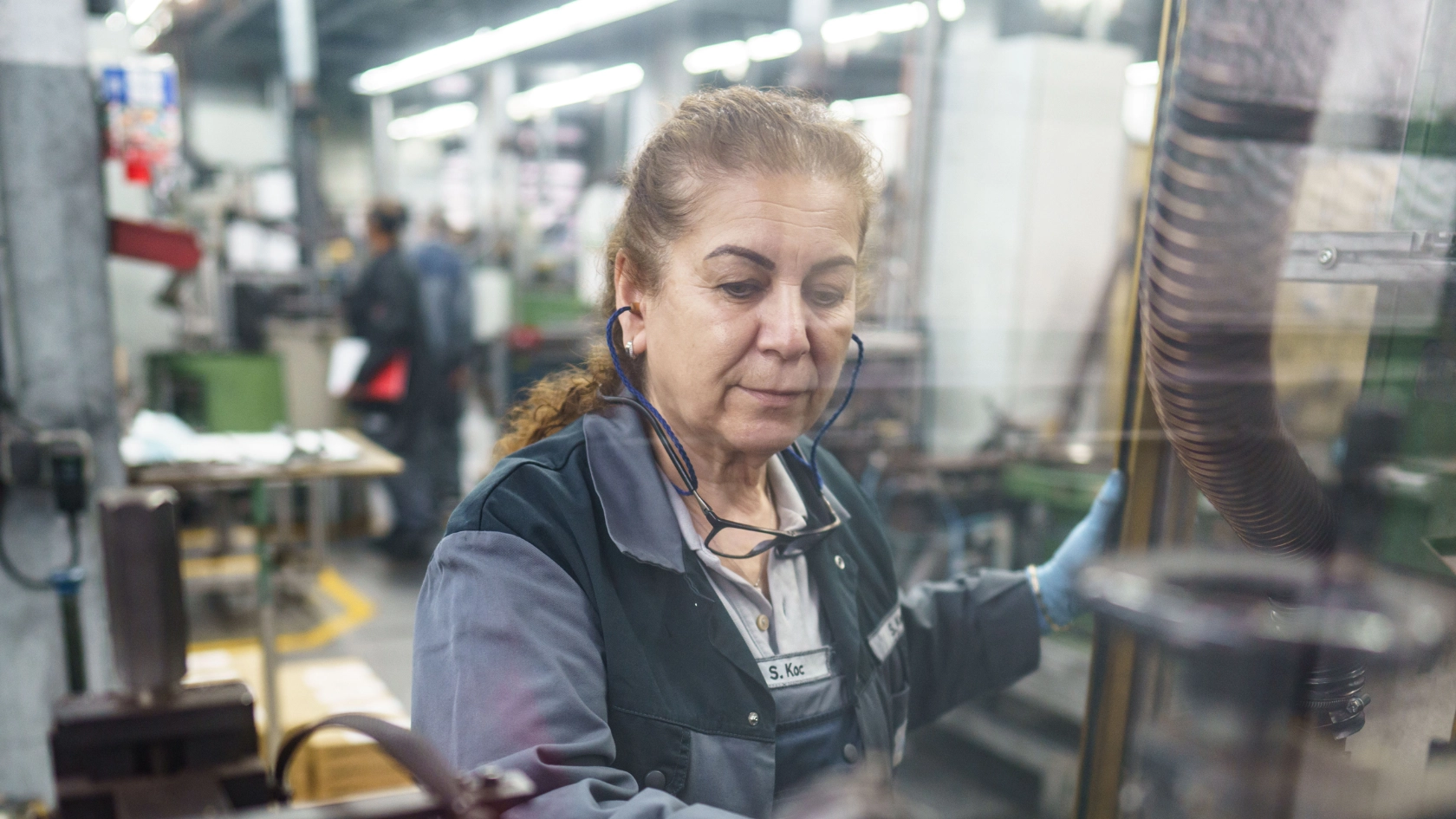
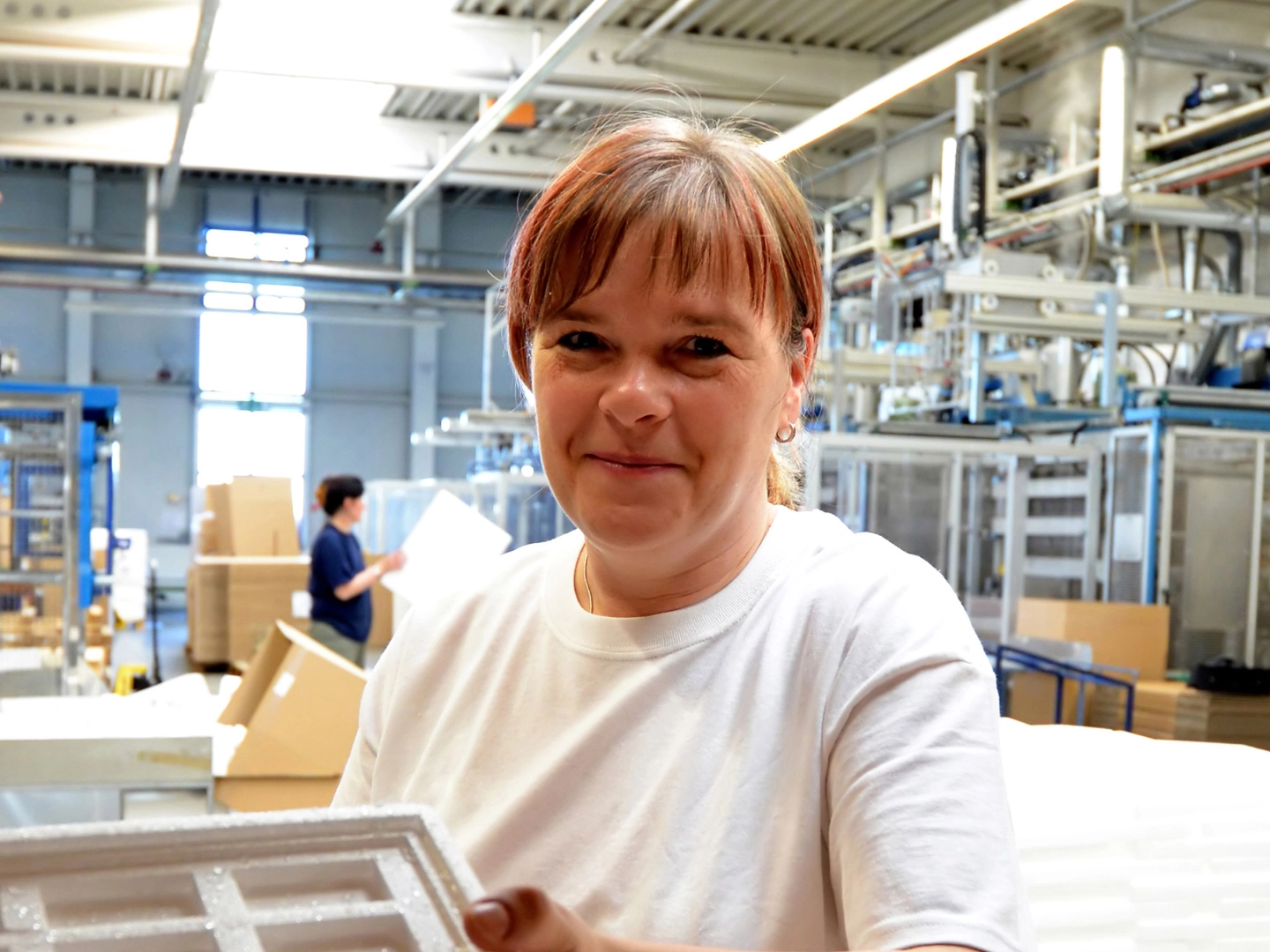
Women covered by collective bargaining agreements are better off. As far as pay is concerned, this conclusion can certainly be drawn from the results of a special analysis of the 2018 Earnings Structure Survey within the metal and electrical industries. While women working in companies not bound by collective bargaining agreements earned 18.4 percent less than their male colleagues, this figure stands at 12.26 percent in companies with collective bargaining agreements. A difference of six percent more or less on your paycheck makes a big difference at the end of the month—as collective bargaining rounds show time and again.
Overall, however, an upward trend can be observed: The overall gender pay gap in German society is not widening but is actually narrowing. In 2019, it fell below 20 percent on average in Germany for the first time. It has been narrowing particularly since the minimum wage was introduced in 2015. Nevertheless, Germany ranks second to last in Europe, ahead of only Estonia. These two countries thus bring up the rear in terms of the “gender pay gap” within the European Union. The average pay gap in the EU stands at 15 percent.
Why is it that women still earn so much less than men? The causes may be varied, but they can be clearly identified: 71 percent of the reasons for the pay gap between men and women can be attributed to structural factors. “Structural” means that women are more likely to work in industries and occupations that pay less and are less likely to hold leadership positions. In addition, women are more likely to work part-time or in mini-jobs. Yet even with the same qualifications and job duties, women in Germany earn 6 percent less on average than their male colleagues.
These structural causes are also why women in the metal and electrical industries earn even less than men, despite collective bargaining agreements that prohibit discrimination. Thus, the pay gap will only narrow significantly here once more women are employed in better-paid occupations and receive better training within companies. The pay gap will only disappear completely if the Pay Transparency Act is expanded into an Equal Pay Act. This is what IG Metall is demanding from policymakers. This would require employers to eliminate pay disparities and to specify minimum wage levels in job postings.
Facts and Figures on the Topic
The pay gap between men and women in companies in the metal and electrical industry that are covered by a collective bargaining agreement is12.26%.
Women in the metal and electrical industries earn 18.4% less than their male colleagues. This is slightly below the national average but is still much higher than in companies with collective bargaining agreements.
The pay gap stood at 20% in 2018. The following year, it narrowed by one percent.
Women in the metal and electrical industry covered by a collective bargaining agreement earn6.14% more than their female colleagues in companies not covered by such an agreement.
Women earn€4.10 less per hour than men in the metal and electrical industries—without a collective bargaining agreement. With a collective bargaining agreement, the difference is €3.81.
Income tax bracket 5: This tax bracket often places women at an additional financial disadvantage. The COVID-19 crisis has now made this even more apparent: The calculation of short-time work benefits, for example, is based on net income. Women in this tax bracket receive significantly less short-time work benefits.
71% of the causes of the pay gap are structural. On average, women work significantly more often in lower-paying jobs, take on more mini-jobs or part-time positions, and are less likely to hold better-paid leadership roles. Women earn less—when viewed from a societal perspective—for the same work in Germany.
On average, women in Germany earn6% less—when viewed from a societal perspective—for the same work.
If trends remain unchanged, it would take another100 years for women in Germany to earn as much as their male colleagues.