Automatic translation
This article has been translated automatically using computer technology. While we strive for accuracy, some wording or details may differ from those in the original article.
This translation was not manually reviewed. For important facts, quotations or legally sensitive information, please consult the German original. Individual selections, images, embedded media or technical terms may have been translated differently or incompletely.

EU Pay Transparency Directive Pay transparency is falling by the wayside

The federal government is failing to implement a key EU directive on pay transparency by the deadline—despite persistently high pay gaps between women and men. Why greater transparency is long overdue and why action must be taken now.

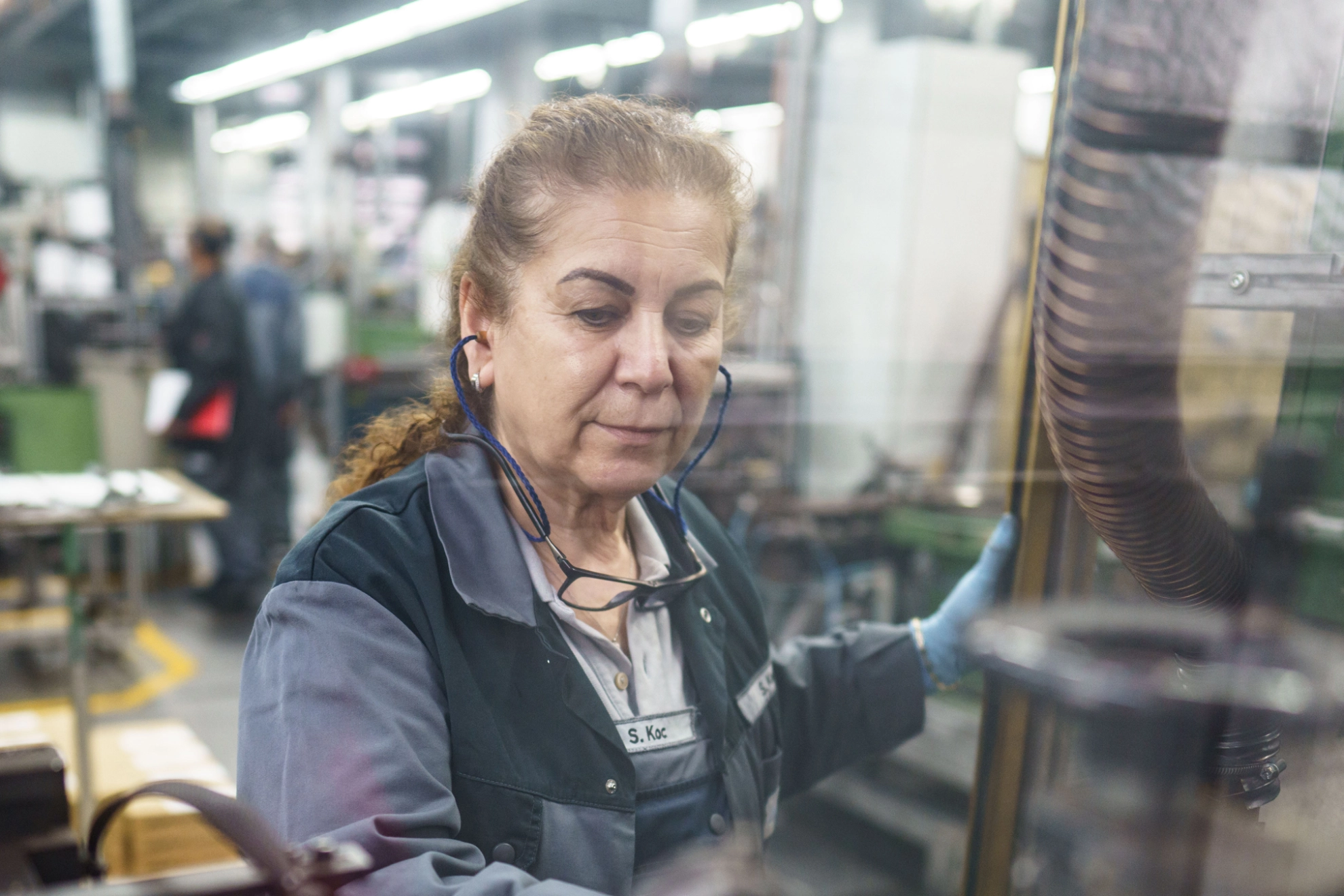
Sebiha Koc an der Maschine zum Schleifen der Bürsten bei AVO Carbon in Frankfurt am Main

8 June 2026 8 June 2026


The federal governments of recent years had three years to transpose the EU Directive on pay transparency into German law. Three years to finally take effective action against pay discrimination. What happened? Nothing. The implementation deadline passed on June 7.

For IG Metall, this is unacceptable. Christiane Benner, president of IG Metall, has strong words for this political failure: “Anyone who wants economic independence and more women in the workforce must finally ensure equal pay. Equal pay is a fundamental right, not just a nice-to-have.”


Equal Pay Is Not a “Nice-to-Have”

Equal pay for equal or equivalent work is one of the fundamental principles of the European Union. Nevertheless, women in Germany still earn significantly less than men on average. The pay gap has remained at a high level for years. Even among those with comparable qualifications and jobs, it stands at 6 percent.

Yet pay disparities don’t just happen on their own. They arise where comparisons are lacking, where biases play a role in promotions or pay decisions, where structures remain opaque, and where employees have no recourse.

This is precisely where the EU Pay Transparency Directive comes in. It requires companies to make their pay structures transparent and to review their internal pay practices. This creates clarity for both employees and employers.

The goal is simple: to identify and eliminate unjustified gender-based pay gaps. However, this requires greater transparency. Transparency is essential to making discriminatory differences visible in the first place and to eliminating them.


Delays Harm Everyone

Instead of taking this step, the federal government is letting the deadline pass, citing concerns for the economy. Yet the current delay harms everyone: companies lack planning certainty, and employees remain in the dark. “Companies and employees need legal certainty; the federal government must establish this now and implement the directive ambitiously,” Benner demands. “Companies with collective bargaining agreements can be granted exemptions regarding auditing and reporting.” This would help strengthen collective bargaining coverage.


Directive Could Bring Economic Benefits

Furthermore, implementing the directive would also bring economic benefits. After all, unequal pay has consequences. It leads to higher rates of poverty among older women, weakens purchasing power, and places a strain on social welfare systems. Fair pay, on the other hand, strengthens the business climate. Companies become more attractive, find skilled workers more easily, and can thereby ensure more stable employment trajectories.


Act now!

The EU has set the course. The need for action is clear. It is now crucial that the federal government does not further delay implementation. The demand from IG Metall, the DGB, and their sister unions is clear: The federal government must put an end to the uncertainty caused by the delay for companies, employees, employee representatives, and unions, and finally provide clarity. For greater wage transparency and pay equity!
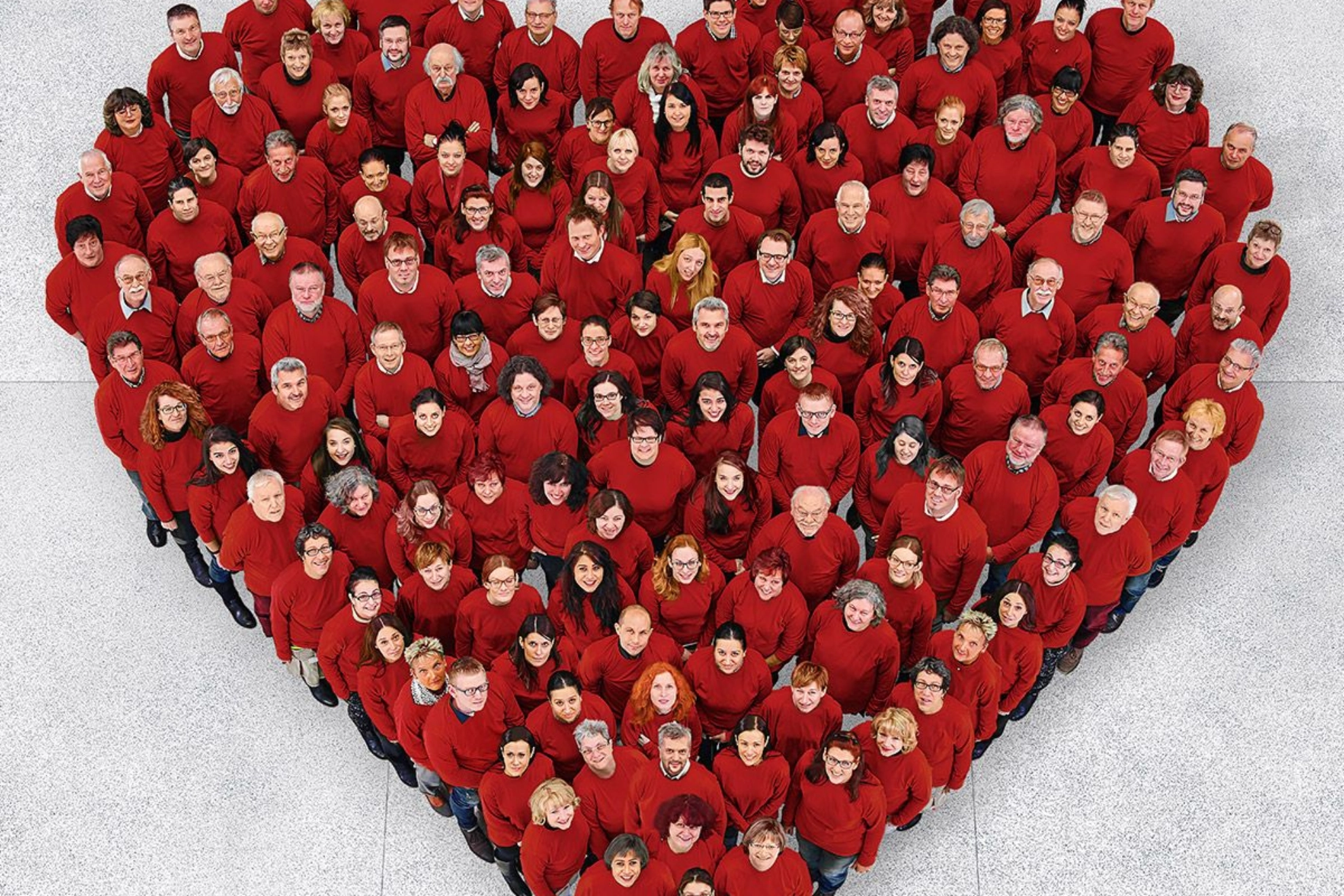
Beschäftigte stehen zu einem großen Herz zusammen
Become a member
Become part of a strong community

From legal protection in labor and social law matters to fair wages and salaries—we take personal and reliable care of our members.

New on igmetall.de
Aktionstag bei Mercedes Benz, Daimler, in Sindelfingen gegen die Angriffe auf Beschäftigten in der Automobilindustrie.
Resistance to Attempts at Drastic Cuts Auto industry workers issue a warning
Sie wollen doch nur dein Bestes
Redistribution Making Germany more equitable: We need this tax reform now
Der Streik bei Kelvion in Nobitz-Wilchwitz begann am 4. August 2026. Die Geschäftsleitung will nach Sarstedt/Niedersachsen verlagern - obwohl die Produktion in Wilchwitz profitabel und bis ins nächste Jahr ausgelastet ist.
"It’s worth fighting for!" Kelvion workers strike for a social collective bargaining agreement
Ruhrpott Rebellion am 07.07.2026
Welfare State September 26: Nationwide Day of Action for Social Policy
Beschäftigter arbeitet an einem Getriebe in einer Fabrik
Working Hours Why working longer doesn’t help—and actually does more harm than good
Ein männlicher Land- & Baumaschinenmechatroniker prüft einen Traktor mit einem Tablet
2026 Collective Bargaining Agreement for the Metalworking and Agricultural Engineering Sectors Greater Flexibility in the Metalworking and Agricultural Engineering Sectors in Lower Saxony and Bremen
Elektronikerin prüft die Spannung an einem Schaltschrank.
2026 Collective Bargaining Round for the Electrical Trades Wage Increase in the Electrical Trades in Berlin-Brandenburg
Benjamin Heine ist Mitarbeiter der BMA in Braunschweig
2026 Collective Bargaining Round for Metal Fabrication and Precision Engineering Higher Wages in the Metal Fabrication and Precision Engineering Sectors in Southwest Germany
Metall-Arbeiter beim Schleifen
2026 Collective Bargaining Round for the Metalworking Trade Employees in the Berlin-Brandenburg metalworking sector will receive higher pay
Beschäftigte von Thyssenkrupp demonstrieren in Essen am 23. Mai 2024 gegen das Vorgehen der Geschäftsführung beim geplanten Teilverkauf des Unternehmens.
Defend the welfare state All dates for nationwide actions against cuts to social services
IGM Aktion VW Wolfsburg
On September 21, things will get loud Nationwide Day of Action: Auto Industry Workers Fight Back Against Mass Layoffs
Auszubildender in einer Schreinerei
Apprenticeship Wages Questions and Answers About Apprenticeship Wages

Subscribe to the newsletter