You and your parents have personally experienced what it’s like to flee your home. What do people fleeing Ukraine need most urgently right now?
Reem Alabali-Radovan: A safe haven. Many are exhausted and traumatized after a long journey, and some are injured. People need a roof over their heads and adequate care, including medical care. That is the top priority right now. We’re addressing this as quickly and with as little red tape as possible—together across Europe, at the federal, state, and local levels. The willingness of citizens to help is also impressive; many are currently offering refugees from Ukraine free housing and assistance with dealing with government agencies—that’s wonderful.
With the influx of refugees from Ukraine, the issue of recognizing foreign professional qualifications has come up again. You’ve identified this as a key goal for your term in office. What are the sticking points on this issue—and what are the consequences?
Alabali-Radovan: Fundamentally,we need a fast and unbureaucratic process for recognizing foreign professional qualifications—regardless of the current situation. Together with Labor Minister Hubertus Heil, I want to advance the recruitment of skilled workers from abroad. According to current estimates, we’re already short 400,000 trained skilled workers per year to fill the gaps in the labor market. To promote good jobs in Germany, the framework conditions must be right.
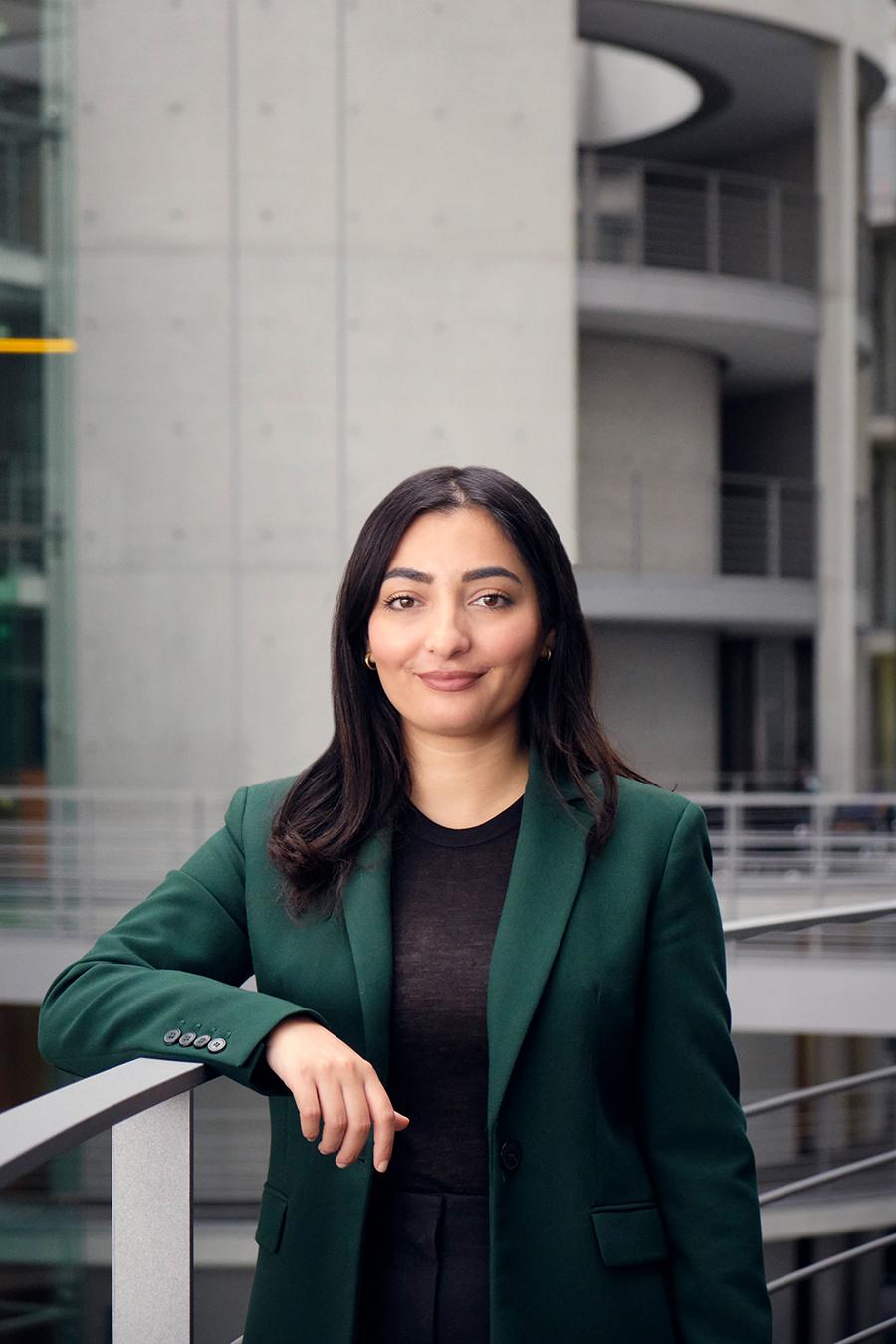
Reem Alabali-Radovan (SPD) is the Federal Government Commissioner for Migration, Refugees, and Integration, as well as the Commissioner for Anti-Racism.
People with a migration background are still underrepresented in politics, business, and public administration. You want to change that. What specific measures will you take?
Alabali-Radovan: As the federal government,we will take the lead with a diversity strategy, including concrete support measures and targets for cultural change. I want the diversity of our society to be reflected at all levels—above all in the civil service and the federal ministries. We want to ensure that qualifications are the deciding factor, not a person’s name, appearance, or background. What’s needed, for example, is effective diversity management and the incorporation of cultural diversity into the mission statements of government agencies—but also actively reaching out to people with an immigrant background during the recruitment process.
What has been holding back representation so far, and where do you already see changes?
Alabali-Radovan: Many people don’t even consider the civil service as an employer. Experiences of discrimination among potential applicants also play a role. We must promote diversity in all areas of society and break down structures so that we can deprive everyday racism and structural racism of their breeding ground.
How does this structural racism manifest itself?
Alabali-Radovan: Racism doesn’t start with violence. It happens in everyday life, every day, everywhere—whether on the train, at the checkout counter, or at the stadium. It can also take the form of discrimination when looking for housing or during job application processes. The government and society must work together to bring about a shift in perspective and support everyone affected by racism. Those affected must be at the center of our efforts. And we all must speak out and intervene whenever people are discriminated against. We must be vigilant when propaganda, disinformation, and conspiracy theories are spread in our communities. Because racism is not just a problem for those affected; it threatens our social cohesion. We must all be anti-racists.
People with immigrant backgrounds also often experience discrimination in the workplace—for example, when looking for a job. How can this be changed?
Alabali-Radovan: By reviewing our hiring processes, for example: Are there unconscious cultural barriers? How are our hiring committees composed, or do we perhaps need to realign our job descriptions?
You’ve announced increased investment in prevention and political education. Is education really the solution to overcoming racism? After all, there are also highly educated racists…
Alabali-Radovan: It’sclear that we also need to make structural changes in Germany by resolutely standing up to hate. We must dismantle far-right extremist cells, tighten criminal law, strengthen prevention efforts, and pass the Democracy Promotion Act to cut off support for radicals—just as Interior Minister Nancy Faeser is currently doing.
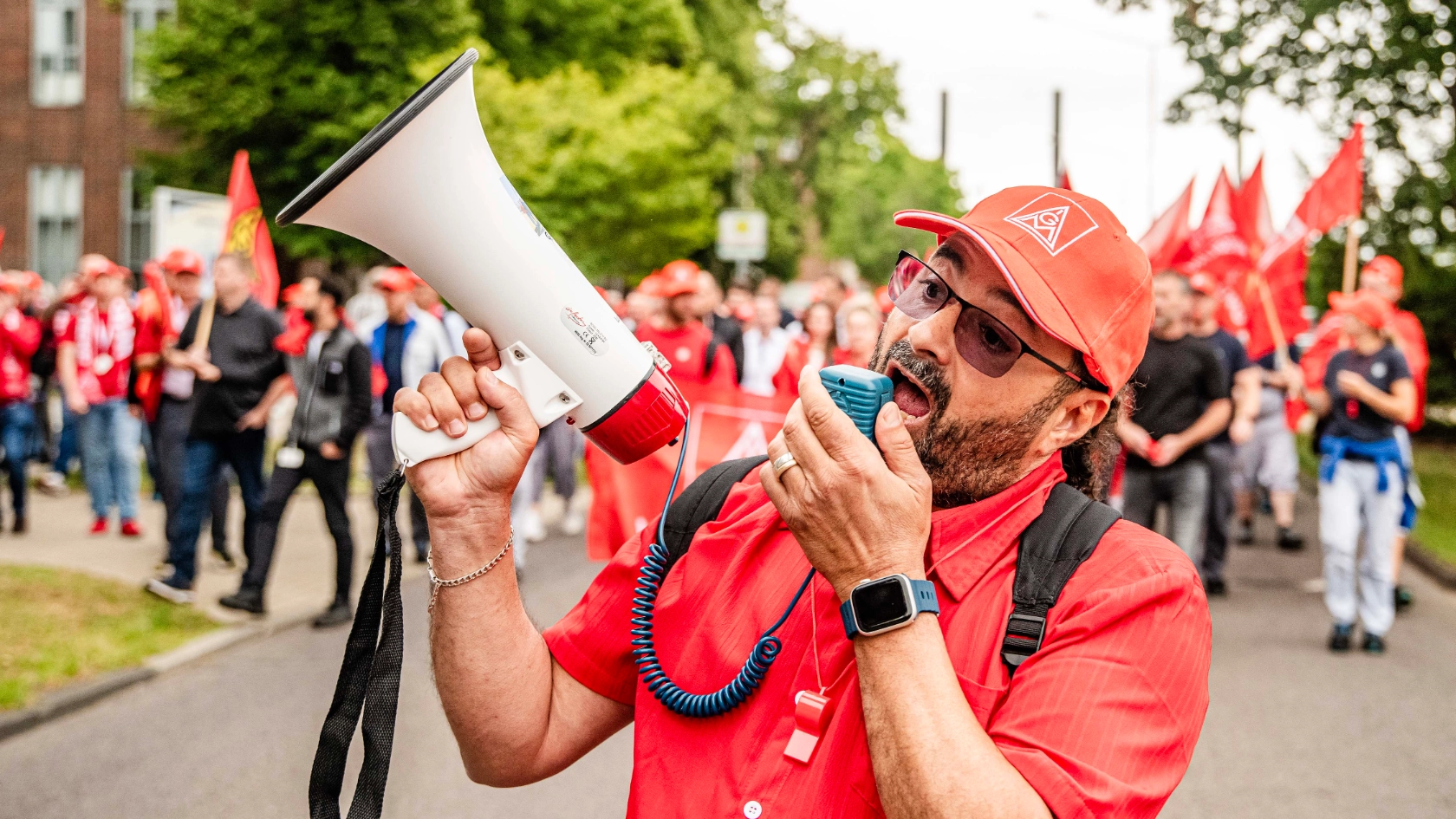
IG Metall is calling for nationwide counseling centers for victims of discrimination. What do you think of the idea—and what should such counseling centers provide?
Alabali-Radovan: As the Anti-Discrimination Commissioner, I am the federal government’s primary point of contact for those affected by racism; I will give them a voice and ensure they are heard. It is important to me to address the diverse and specific needs of those affected by racism. That is why I am currently working closely with migrant organizations and those affected to establish a nationwide counseling center as a low-threshold, multilingual point of contact. It is intended to be a complementary and meaningful addition to existing counseling structures.