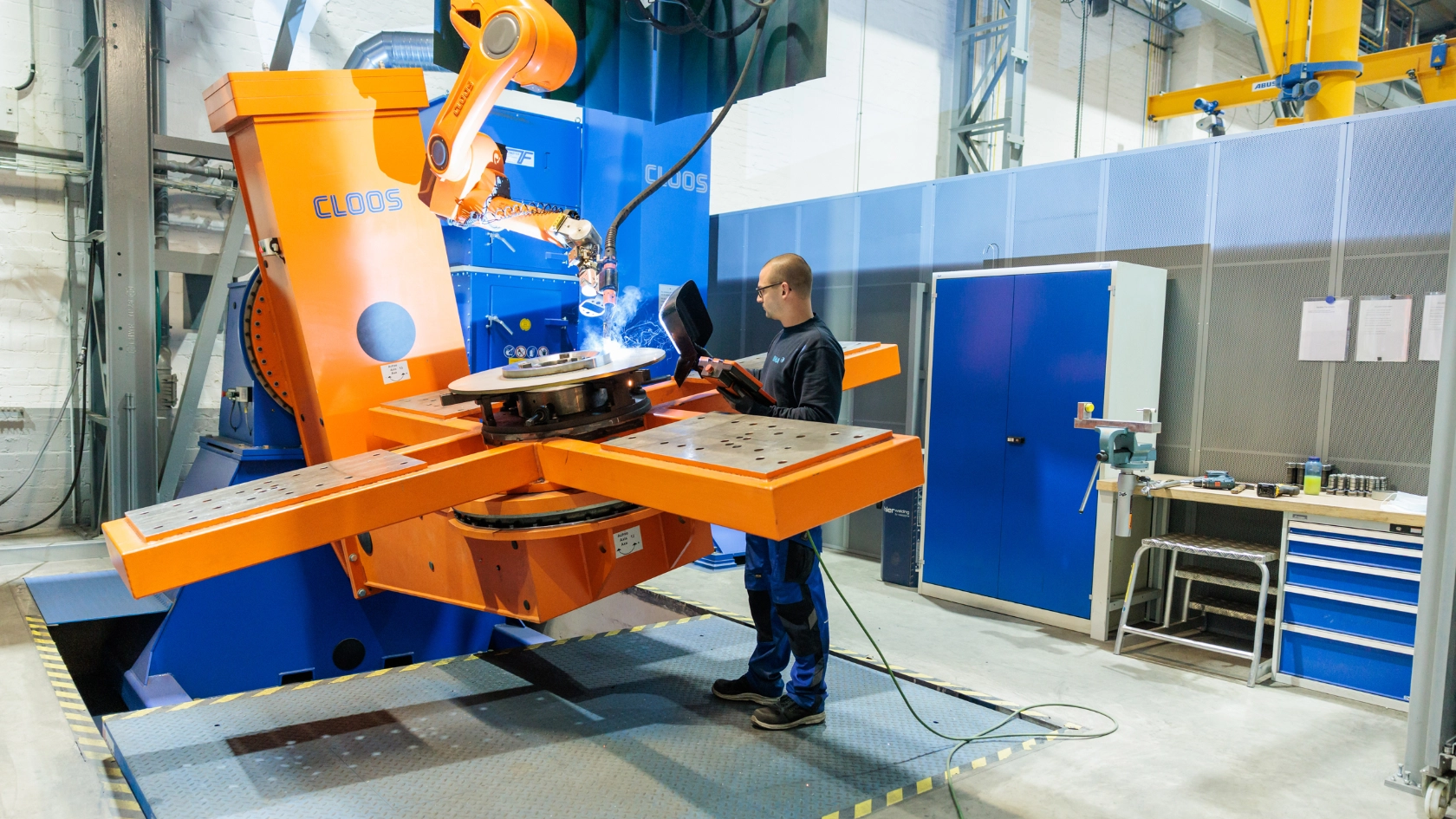
For workers, the stresses caused by work are often far too high. This includes physical demands such as heavy lifting and carrying, as well as exposure to hazardous substances. For many years, psychological stress has been steadily increasing, for example due to rising work intensity or time pressure. Advancing digitalization is creating additional demands that affect workers and their health.
IG Metall is committed to effectively combating and significantly reducing harmful work-related stressors that arise during work. It is dedicated to promoting “Good Work” in workplaces—Good Work means that work promotes health and quality of life, and that every employee can contribute and develop their skills. Good training, professional development, and work conditions that foster learning are fundamental to this. But “Good Work” also means that working conditions must be designed in such a way that family and career are well balanced and that employees’ ability to work is maintained until retirement age.
Shaping Occupational Safety and Health Regulations
IG Metall therefore works within government legislative bodies to close regulatory gaps in the body of regulations and to shape occupational safety and health rules to be as specific and practical as possible—with success: For example, it has succeeded in implementing new workplace regulations on risk assessment and noise exposure. The latter includes new exposure limits to combat noise-induced stress for employees in both direct and indirect work areas. To this end, IG Metall also supports works councils through seminars and practical guides on various topics related to work organization and occupational safety.
Because mental stress and mental health issues in the workplace have now reached alarming levels, IG Metall is advocating for an anti-stress regulation with clear rules. “Unlike with hazardous substances, noise, or inadequate lighting, it is precisely in the area of psychological stress that clear requirements for employers are lacking,” says Hans-Jürgen Urban, executive board member of IG Metall. “We need binding and, above all, practical regulations that provide for effective measures to protect health in cases of psychological stress just as they do for other sources of hazard in the workplace.”
Risk Assessment Is Fundamental
The Occupational Safety and Health Act establishes the fundamental principles of workplace health and safety. It aims to design workplaces to be safe, healthy, and humane from the outset. Work-related health hazards must be eliminated. A key requirement for achieving these goals is the risk assessment of physical and psychological work-related stress. The Occupational Safety and Health Act stipulates that employers are obligated to regularly identify all health hazards at every workplace, implement measures to improve conditions, and evaluate the effectiveness of those measures.
However, risk assessments are still far from being carried out in all workplaces. Works councils play a vital role in shaping and monitoring good working conditions. With their extensive rights of co-determination in occupational safety and health matters, they are able to work toward good working conditions and reduce health risks. Occupational safety and health legislation is an important tool for this purpose. And IG Metall is a competent partner for all issues related to work organization and health protection.