The previous SARS-CoV-2 Occupational Safety and Health Regulation (Corona-ArbSchV) expired on May 25, 2022. As a result, numerous occupational safety and health obligations designed to protect—or intended to protect—the safety and health of employees were no longer in effect. However, the risk of contracting the coronavirus while at work remains high. The federal government anticipates rising infection rates this coming fall and winter.
To reduce employee absences due to illness, safeguard the functioning of critical infrastructure, and prevent undue strain on the healthcare system, the Federal Cabinet has adopted a revised version of the Corona-ArbSchV. This regulation took effect on October 1, 2022, and will be repealed on February 2, 2023.
The new regulation also requires employers to define and implement the necessary infection control measures as part of a workplace hygiene plan. Unlike its previous versions, which declared various COVID-19 protection measures to be binding and thereby made their implementation mandatory, the revised version of the regulation now places particular emphasis on the process of workplace risk assessment: Employers are thus only required to assess the necessity of workplace infection control measures as part of a risk assessment
However, this does not mean that employees may be exposed to the virus without protection while at work: Anyone who goes to work must still be able to rely on the risk of infection being kept as low as possible there.
We provide answers to the most important questions regarding workplace prevention.
What tool is used to identify workplace hazards?
Even with the new COVID-19 Occupational Safety and Health Regulation, therisk assessment pursuant to Sections 5 and 6 of the Occupational Safety and Health Act (ArbSchG) and the corresponding workplace hygiene plan remain the benchmark for businesses. An effective workplace hygiene plan must be developed based on a risk assessment. In doing so, the hierarchy of occupational safety measures (TOP principle) must be followed.
What does the TOP principle mean in concrete terms?
The TOP principle means that technical and organizational measures take precedence over personal protective measures. Technical measures include, for example, floor markings to indicate necessary safety distances, partition walls or protective screens, as well as adequate and regular ventilation. Organizational measures help prevent infection, for example, by modifying production workflows, establishing internal traffic routes, or providing additional work equipment and tools for separate use. Finally, personal protective measures include, on the one hand, individual behavioral requirements and, in particular, the use of personal protective equipment. This also includes wearing face masks.
What must be assessed during the risk assessment?
The new Corona-ArbSchV lists proven measures for infection control in the workplace that must be reviewed as part of the risk assessment and, if necessary, agreed upon with the works council. These include, among others:
- maintaining a minimum distance of 1.5 meters between two people,
- ensuring proper hand hygiene,
- adhering to coughing and sneezing etiquette,
- ventilating indoor spaces in accordance with infection control guidelines,
- minimizing work-related contact between people, for example by reducing the simultaneous use of rooms.
The list of preventive measures to be reviewed expressly does not constitute an exhaustive catalog of obligations. Rather, it sets out minimum substantive requirements for the process of updating the hygiene plan, which the employer must fulfill in all cases. According to the regulation, whether and to what extent further measures are warranted due to the specific circumstances at the workplace—such as requirements of the work system, the nature of the tasks, or the organization of work—must be determined on-site.
Important to note here: The works council has an enforceable right of co-determination regarding the assessment and implementation of the necessary preventive measures as part of the risk assessment. It should exercise this right.
What other measures need to be considered?
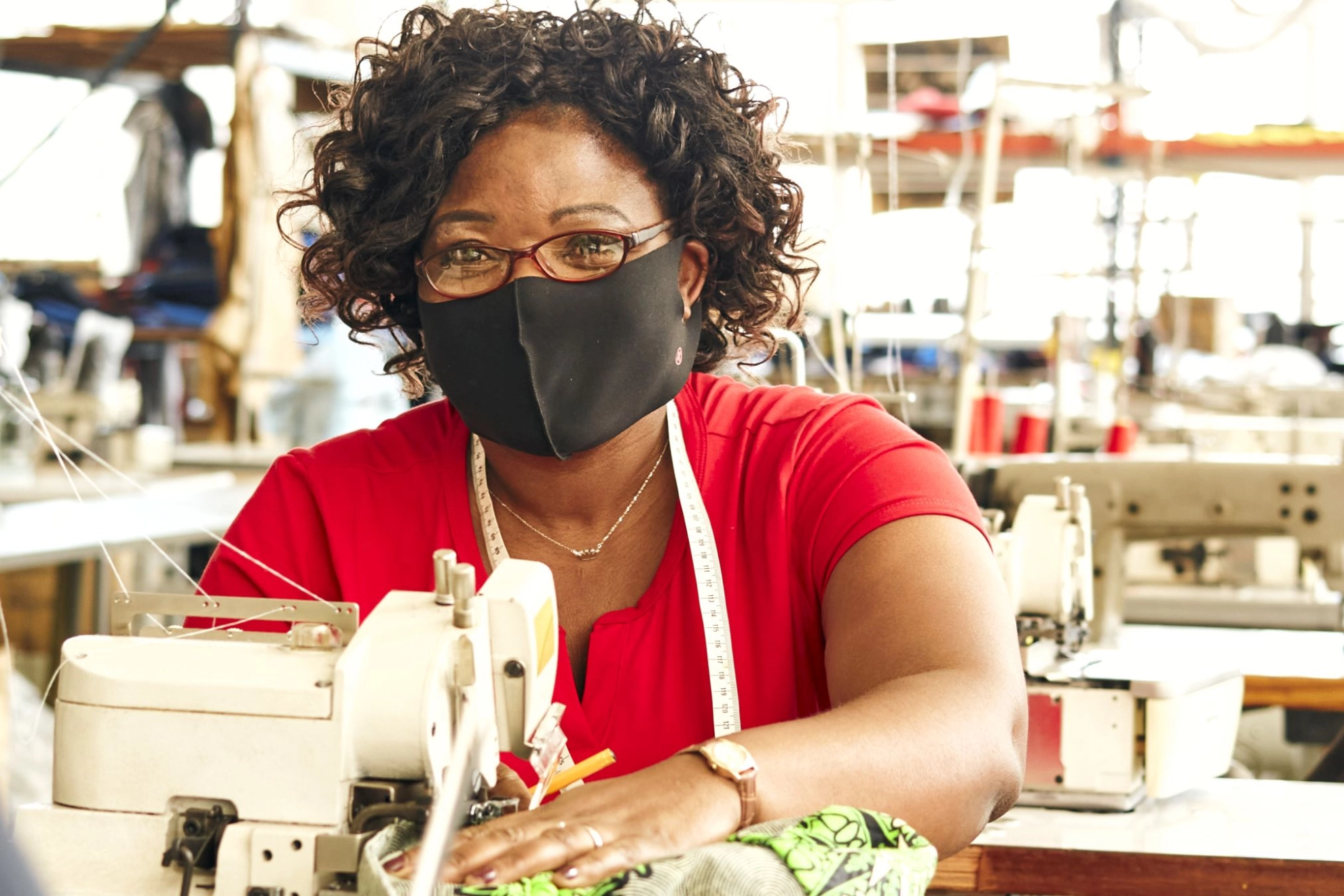
The regulation clarifies that the employer must provide employees with medical face masks (mouth-and-nose protection) or suitable respiratory protection masks if technical and organizational protective measures are insufficient to protect employees—for example, because it is impossible to prevent the minimum distance of 1.5 meters from being breached indoors.
Therefore, if the risk assessment determines that medical face masks for the protection of others or FFP2 masks for self-protection must continue to be worn, the employer must provide them.
Must the employer allow vaccinations during working hours?
Yes. Section 3 of the Corona-AOOS requires employers to allow vaccinations during working hours, regardless of the results of the risk assessment. In addition, the employer must support company physicians and occupational health services in administering vaccinations.
Is implementing the regulation the responsibility of the works council?
First and foremost, the responsibility lies with employers: They are legally responsible for protecting health in the workplace. According to the Occupational Safety and Health Act, the employer bears the costs for all occupational safety and health measures. However, this does not mean that the works council has no role to play in this matter. On the contrary: The works council has an enforceable right of co-determination in the planning and implementation of infection control measures.
First and foremost, the responsibility lies with employers: By law, they are responsible for protecting health in the workplace. According to the Occupational Safety and Health Act, the employer bears the costs for all occupational safety and health measures. However, this does not mean that the works council has no role to play in this matter. On the contrary: The works council has an enforceable right of co-determination regarding the planning and implementation of infection control measures.
The full scope of the works council’s rights to information and co-determination opens up far-reaching opportunities for influence. With these tools, it can ensure that
- that the hygiene plan includes all measures that, in his opinion, are necessary to protect the health of employees,
- that employees are adequately instructed on the preventive measures that have been implemented, and
- that the costs for the selected occupational safety measures are borne solely by the employer.
What should I do if there is no works council at my company?
The need to ensure effective infection control naturally applies even if there is no works council at the company. In this case, employees should advocate for the protection of their health: The Works Constitution Act (Section 81, Paragraph 3) stipulates a right to be heard for employees. This applies to all measures concerning occupational safety and health.
In addition, the Occupational Safety and Health Act (Section 17, Paragraph 2) provides for a right to file a complaint regarding deficiencies in preventive measures. If the employer fails to remedy these deficiencies, employees can contact the competent state authority for occupational safety and health or the relevant workers’ compensation association.
Measures to Combat the COVID-19 Pandemic in the Workplace (PDF, 5 pages)
Guide: What Employees Need to Know About Vaccination in the Workplace