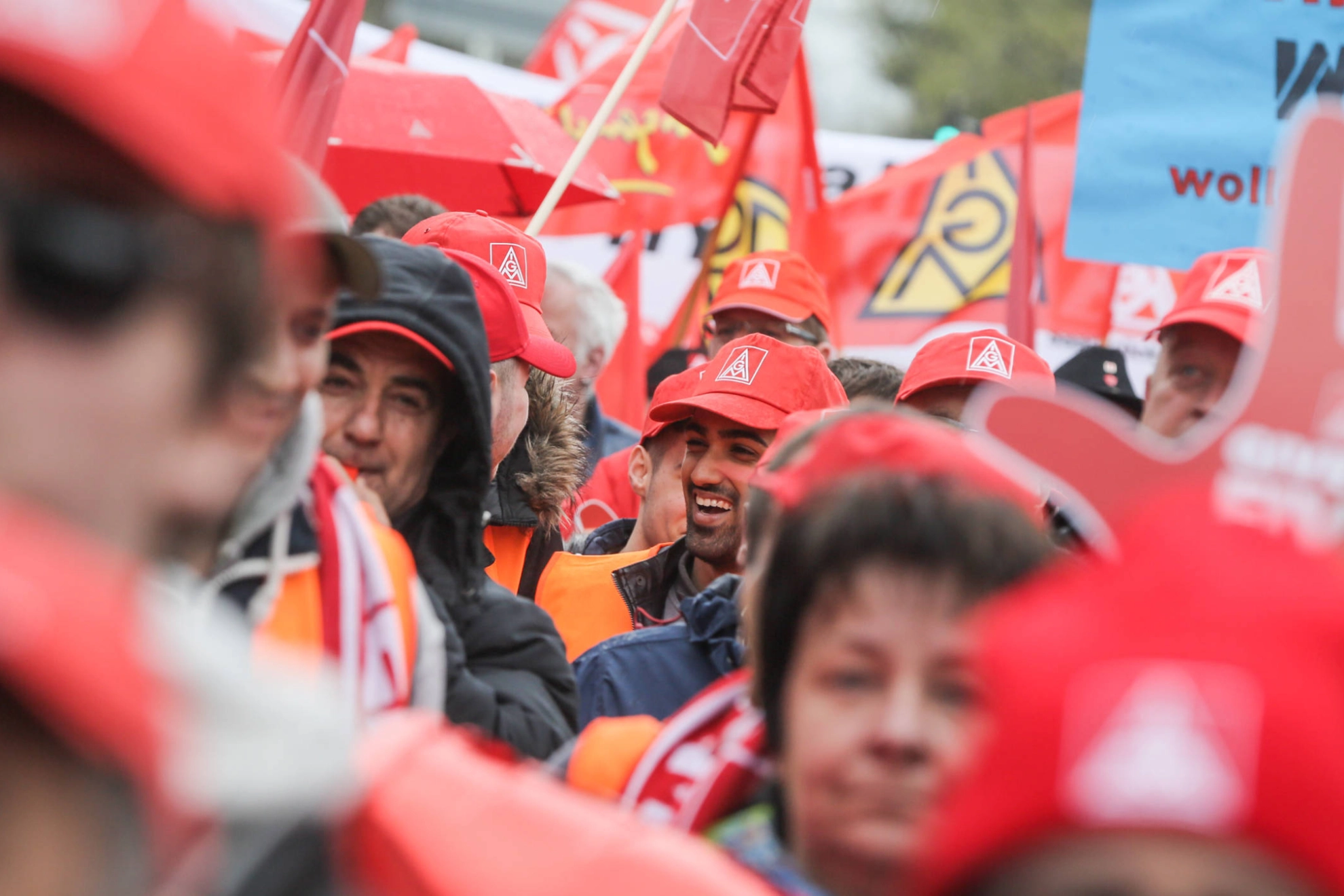
Employees are set to bear the brunt of the cuts. They alone are expected to foot the bill for the economic slump in sales triggered by the COVID-19 crisis —at least if Continental’s corporate leadership has its way. Last fall, management had already presented plans for an excessive cost-cutting program. The target was 500 million euros annually. The rationale at the time: a slowing automotive market and problems with the company’s transformation.
Now, a few months later, in light of the COVID-19 crisis, the corporate executives feel they need to ramp up the cuts even further. Once again, they can’t come up with anything better than to keep tightening the cost screws. Instead of 500 million, they now aim to cut costs by over one billion euros. That’s how easy management wants to make it for themselves. Crisis? Let the employees foot the bill! That seems to be their idea. Instead of 20,000 jobs worldwide, as many as 30,000 are now on the line, 13,000 of them in Germany. But what does “on the line” mean? The corporate executives remain vague on this point. In the past, they rarely spoke of layoffs, but they didn’t want to rule them out either. The jobs would “change,” was their phrasing. The numbers show what that means: 3,000 positions have already “changed.” Specifically, “change” in this case means that 2,000 employees have already left the company.
Conti is putting its future viability at risk
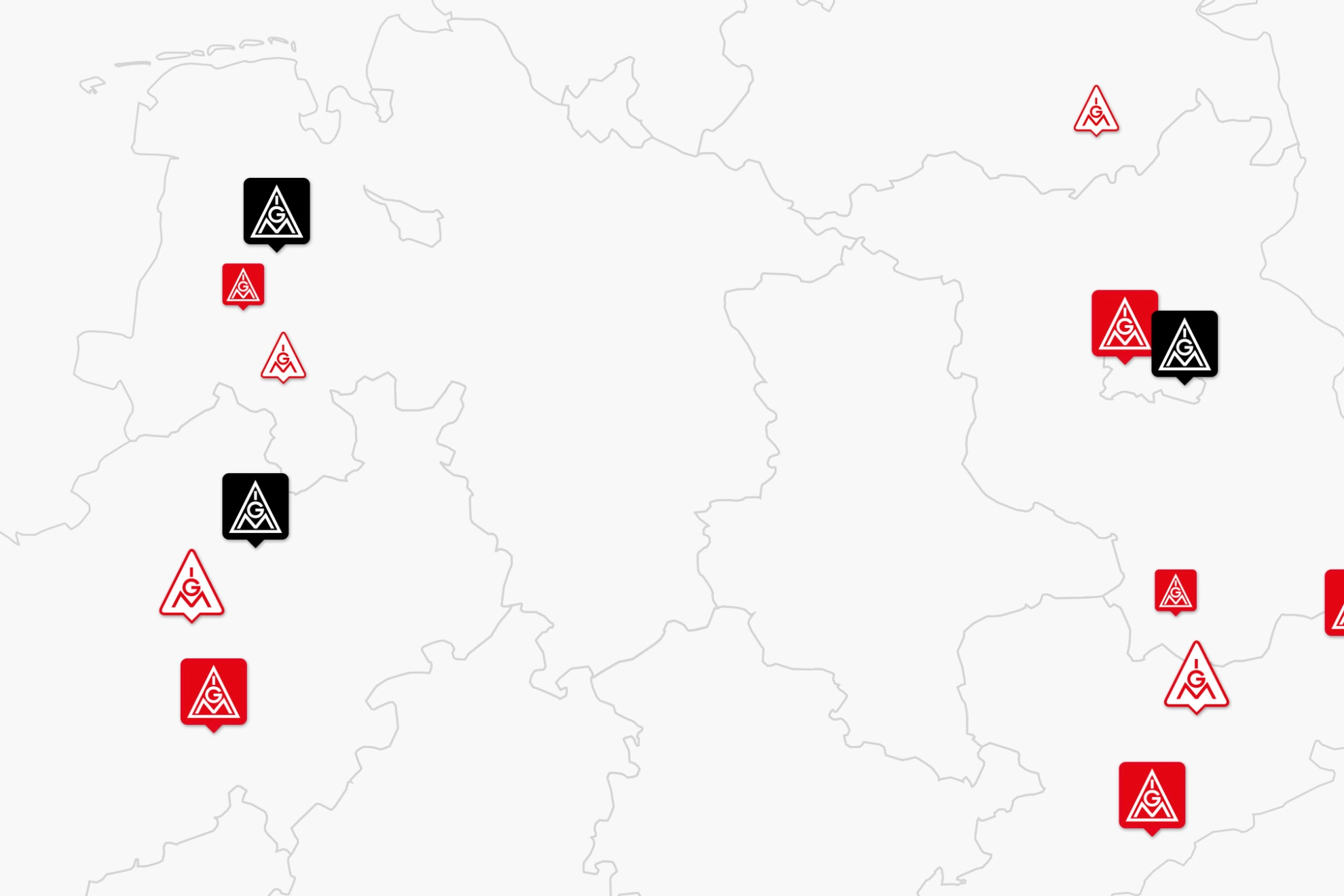
And how does the company plan to “change” further now? Currently, Continental executives are planning to close locations: Karben by the end of 2024, the automotive site in Nuremberg by the end of 2022, and the Vitesco site in Mühlhausen by the end of 2022.
While other major suppliers have been able to reach compromises and guarantee job security in the medium term, Continental is planning massive cutbacks—and this after the company has posted solid returns for ten years. Why? It’s reasonable to assume that Continental’s management hopes the cost-cutting program will give it a competitive edge in the market and on the capital markets. But this strategy rarely pays off. After all, any company that wants to go on the offensive again after the crisis needs skilled workers. The planned cost-cutting program, however, threatens to trigger a massive “brain drain,” which is likely to come at the expense of innovation, quality, and customer satisfaction. Management is thus recklessly jeopardizing the company’s long-term viability.
Employees and IG Metall are fighting back
Faced with such a lack of scruples, one is actually at a loss for words. Christiane Benner, Second Chair of IG Metall and a member of Conti’s supervisory board, nevertheless finds the right words: “Squeezing plants like lemons and then turning off the lights when the margins are no longer right is unimaginative. We find Continental’s behavior irresponsible.” Christiane Benner makes it clear that what’s needed is a forward-looking business strategy, not blunt cost-cutting programs. That’s why the union will also demand a genuine business strategy from the supervisory board. One thing is clear: We need visions for the future for each individual location. Christiane Benner also criticized the fact that, while discussions about future prospects have already begun at some locations, the Executive Board is nevertheless pushing for job cuts. “We need leadership that can handle the crisis—not ‘Sun Kings.’”
IG BCE also stands alongside IG Metall: Under the guise of the COVID-19 crisis, it appears that “everything that no longer meets profitability targets is to be swept aside,” criticizes Francesco Grioli, a member of the Executive Board of IG BCE and of the Conti Supervisory Board.
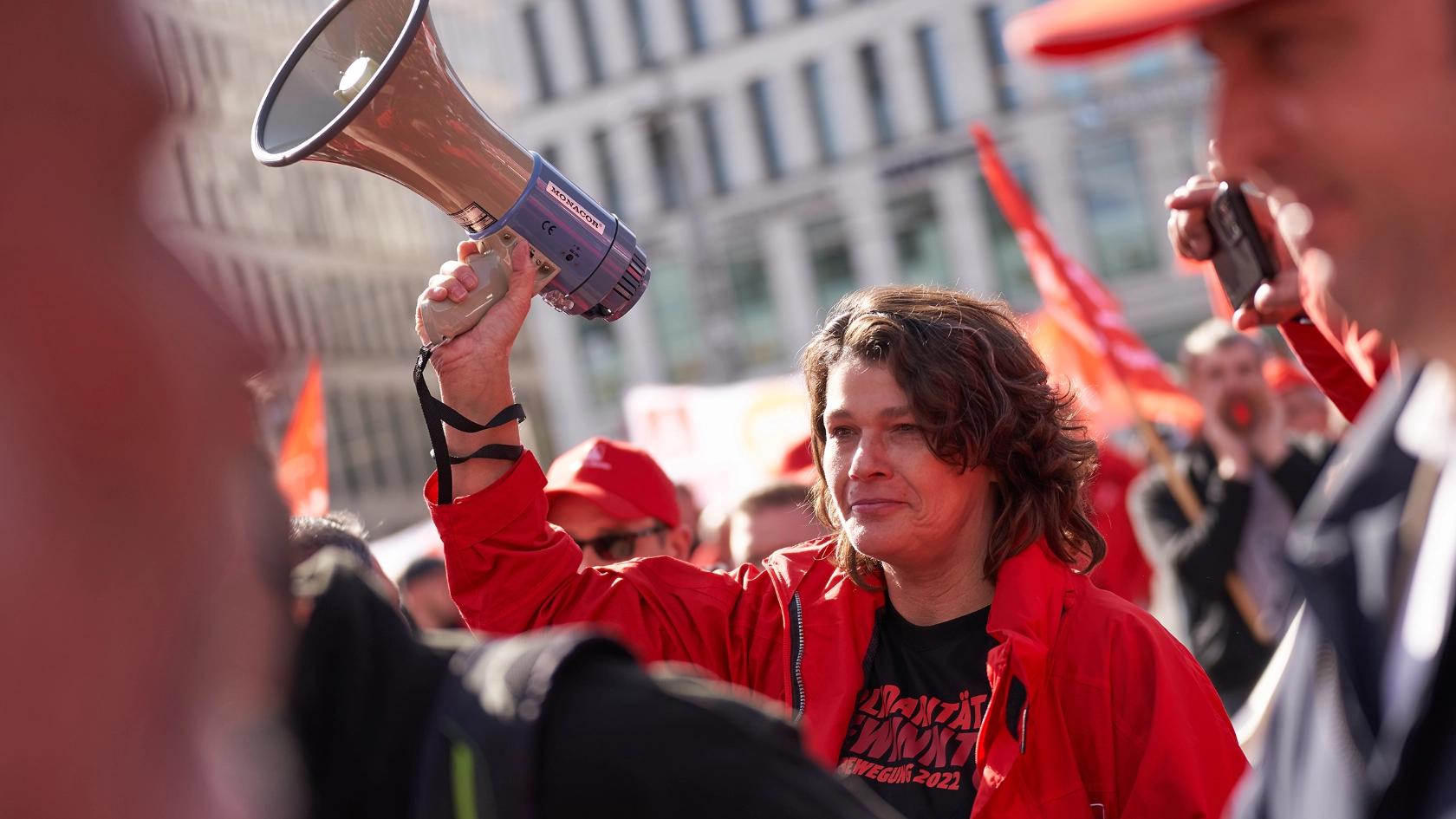
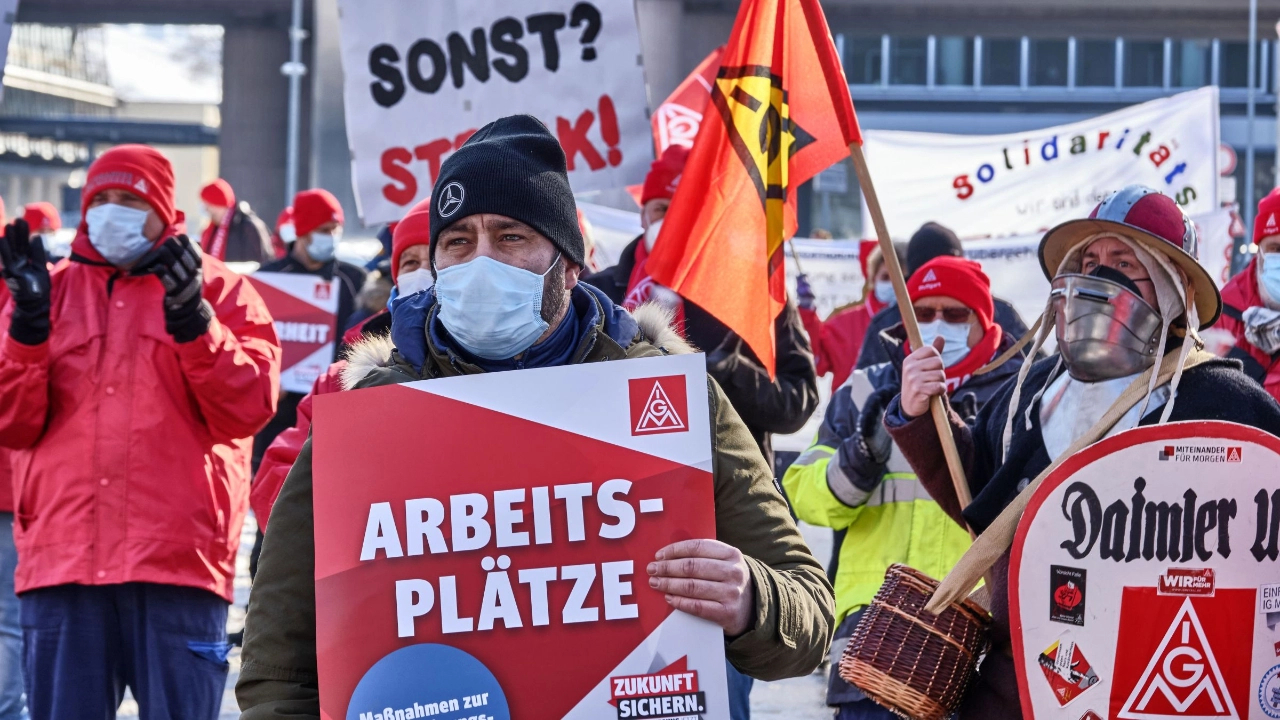
Employees will express their views on the cost-cutting plans and their corporate leadership through nationwide actions next week, from Monday through Thursday.
You can support the Conti employees by signing this petition
Hasan Allak, chairman of the Continental AG Group Works Council, has launched a petition in collaboration with IG Metall and IG BCE. In it, he writes: “For us—the works councils of Continental and Vitesco Technologies and the unions IG Metall and IG BCE—job security and reliable prospects for all employees remain our top priority!” The petition explicitly calls on the Continental Executive Board to
- make full use of all available labor market policy tools
- make balanced use of the options provided by collective bargaining agreements
- work together with employee representatives to find solutions that are guided by a spirit of solidarity and fair burden-sharing and that offer prospects for the future.
You can support the petition—and thus the employees—with your signature. Click here to access the petition.