Automatic translation
This article has been translated automatically using computer technology. While we strive for accuracy, some wording or details may differ from those in the original article.
This translation was not manually reviewed. For important facts, quotations or legally sensitive information, please consult the German original. Individual selections, images, embedded media or technical terms may have been translated differently or incompletely.

Better with a Works Council Run for the 2026 works council election now

Works council members have special rights that allow them to protect their colleagues. They make workplaces safer, better, and healthier. Without representation of workers’ interests, democracy and the rule of law often end at the factory gate. The next works council elections are coming up—strengthen the “IG Metall Team.”

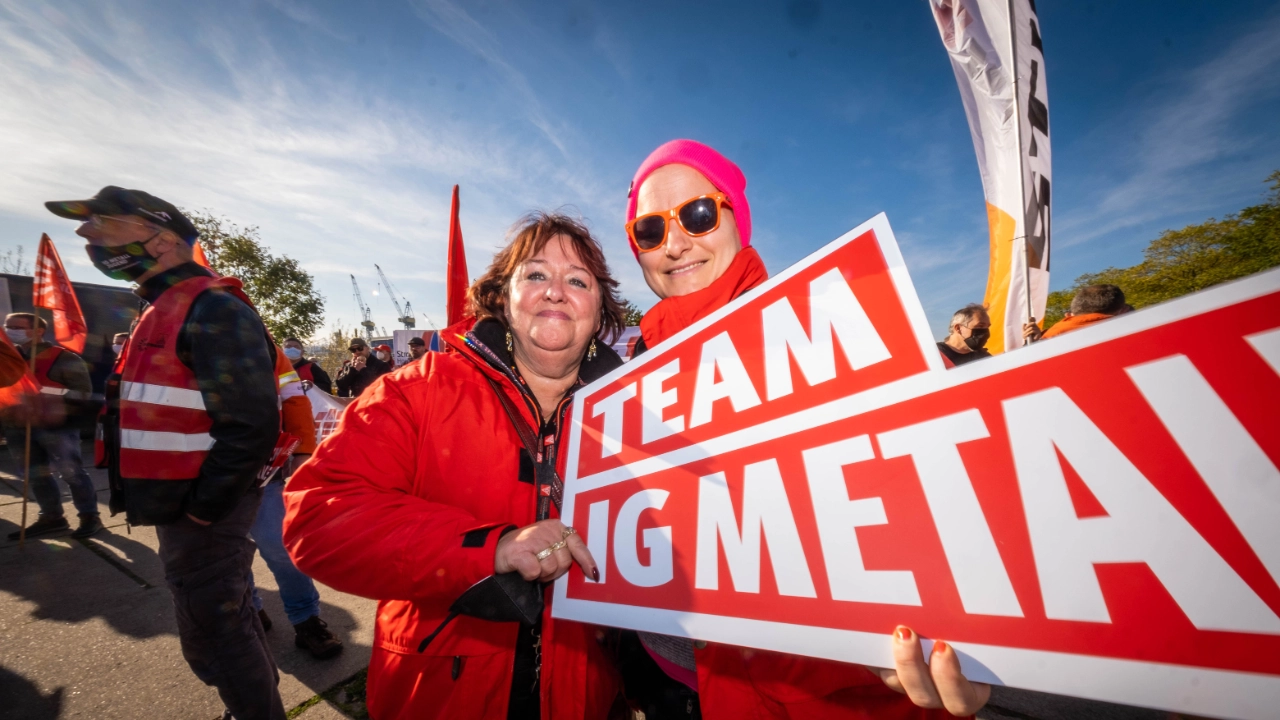
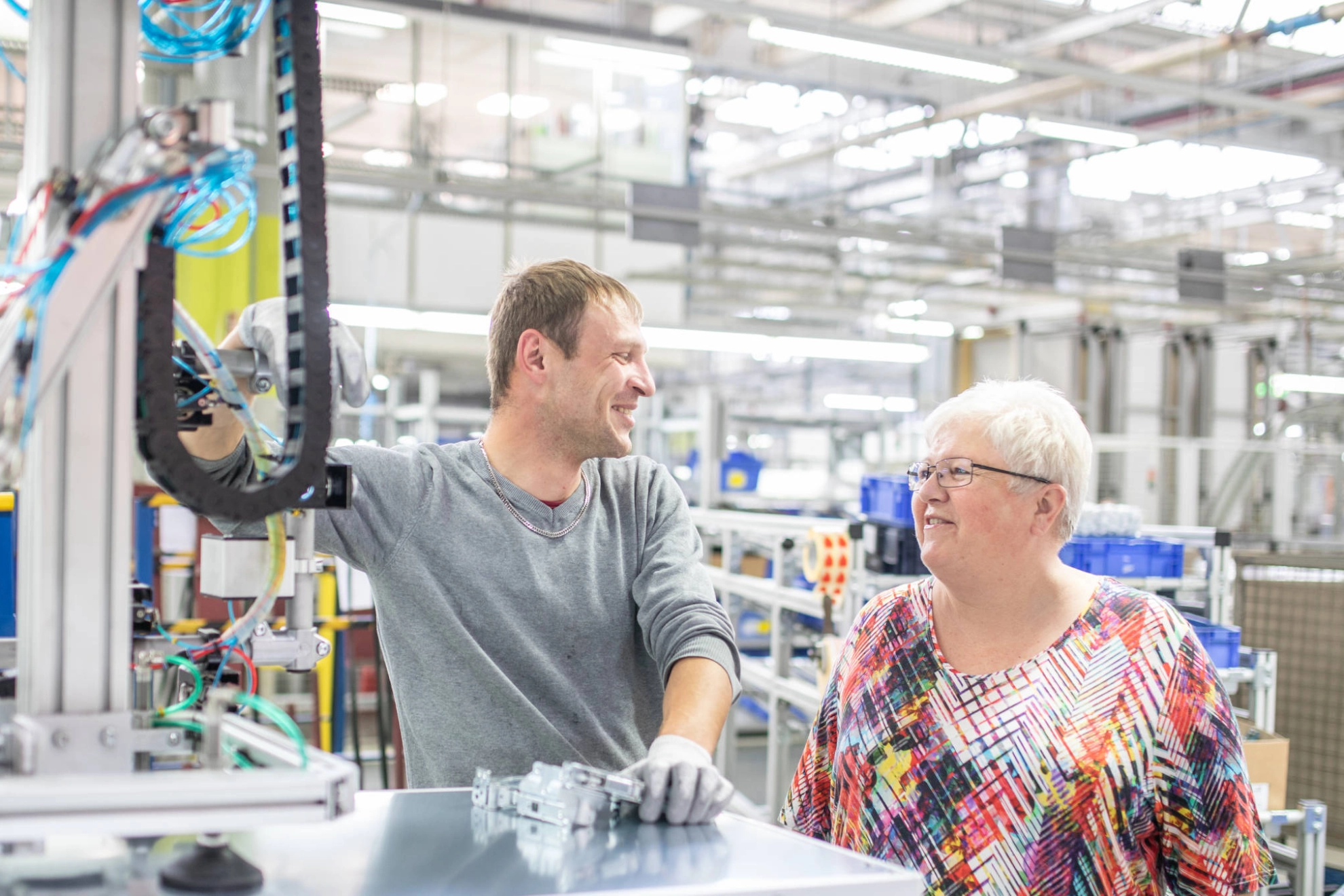
"Nötig sind konkrete Maßnahmen, um Belastungen spürbar zu senken", Gundi Fetze, Betriebsräting bei BSH in Giengen und Dirk-Peter Kasat.

12 August 2025 12 August 2025


From March to May 2026, works council elections —our elections at the workplace—will take place again. You, too, can run for office and help ensure good, secure jobs at your workplace. In works council elections, all employees at the workplace are eligible to vote and—if they have been with the company for at least six months—to run for office, regardless of their nationality. 

Works councils are more important now than ever: Many companies are in crisis, cutting jobs, relocating, or closing down. With a works council, jobs are significantly more secure, there are fewer layoffs, fairer rules for leaving the company, and higher severance packages—and often, employees working with a works council and a union are even able to prevent closures.
 

More Job Security with a Works Council

Under the Works Constitution Act, the employer must fully inform the works council about so-called “operational changes.” The works council can make counterproposals, consult experts—such as those from the union—and negotiate agreements with the employer to secure jobs, for example, based on IG Metall’s collective bargaining agreements on job security. And the works council can compel the employer to conclude a reconciliation of interests or social plan that addresses continuing education, transfer companies, and severance payments. Together with a union—which can also call for strikes, for example, to secure a social collective bargaining agreement—employees can make a closure very costly for the employer.

Without a works council, however, everyone has to fight on their own. Private lawyers can’t even come close to matching those figures. Overall, studies show that companies with works councils invest more for the long term and are more resilient to crises. They cut fewer jobs and are better able to retain skilled workers. They are often more productive and economically successful, in part because motivated employees contribute their ideas. According to a study by the Hans Böckler Foundation, even the profit margins of companies with works councils are 11 percentage points higher.
 

Better Jobs and Higher Wages

Employees at companies with works councils earn more— around 10 percent more, depending on the study. This is particularly true for companies with acollective bargaining agreement with a union, where the works council ensures that the terms of the agreement—such as those regarding pay grades—are actually followed. In such cases, pay is 14.2 percent higher, according to the German Economic Institute (iw). With a collective bargaining agreement and a works council, pay is also more equitable—with fewer disparities, for example, between men and women: equal pay for equal work. In times of crisis, works councils negotiate intelligent, fair arrangements, often based on collective bargaining agreements. Without a works council, however, wages are often cut indiscriminately.

In addition to higher pay , employees at companies with works councils get 1.3 more days of vacation. Companies with works councils also more frequently offer flexible and family-friendly work schedules. There are more opportunities for working from home—and more continuing education.
 

Healthier Work Environments with a Works Council

Works councils are legally mandated to protect employees’ health. They monitor workplace safety and implement health and safety measures. With a works council, risk assessments—which are actually required by law—are also conducted more frequently. 

Without a works council, however, there is no one to monitor health and safety, despite a minimum inspection quota that has been in effect since 2021. The employers’ associations, funded by employers, have “contact” with 17 percent of companies each year. State regulatory agencies, such as the labor inspectorate, inspect only 1.8 percent of companies per year. This means:

The Labor Inspectorate, on average, visits once every 55 years.
 

Democracy in the Workplace

Through their works councils, employees can have a say in the operations of their workplace and their company. The works council has co-determination rights regarding issues such as health, continuing education, and transfers; it must be consulted in the event of layoffs and can make proposals to secure employment.

In an increasing number of workplaces, works councils—with the support of IG Metall—are ensuring that employees, as experts in their work, help shape processes and contribute ideas—and in this way can secure the future of their workplace themselves.
 

You, too, can run for office

Any employee aged 18 or older who has been with the company for at least 6 months can run for the works council. Talk to your works council, your IG Metall shop stewards, or your local IG Metall office. IG Metall advises and trains works council members for their work.

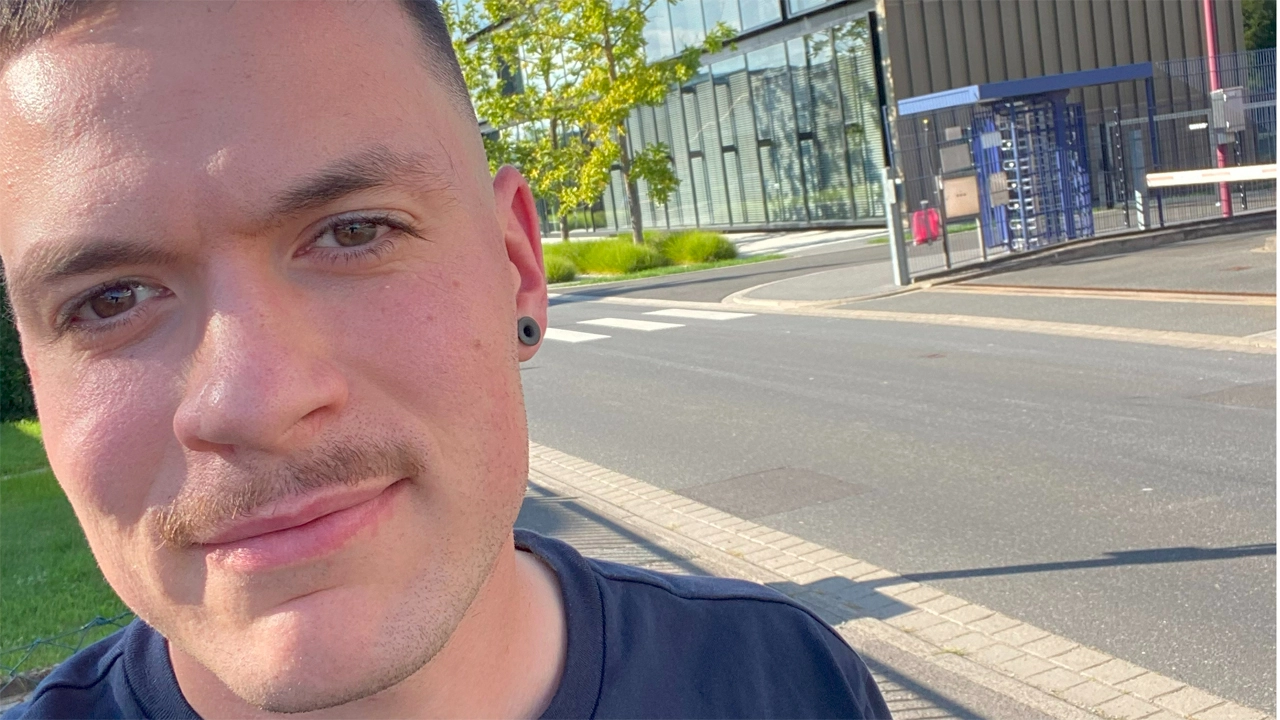
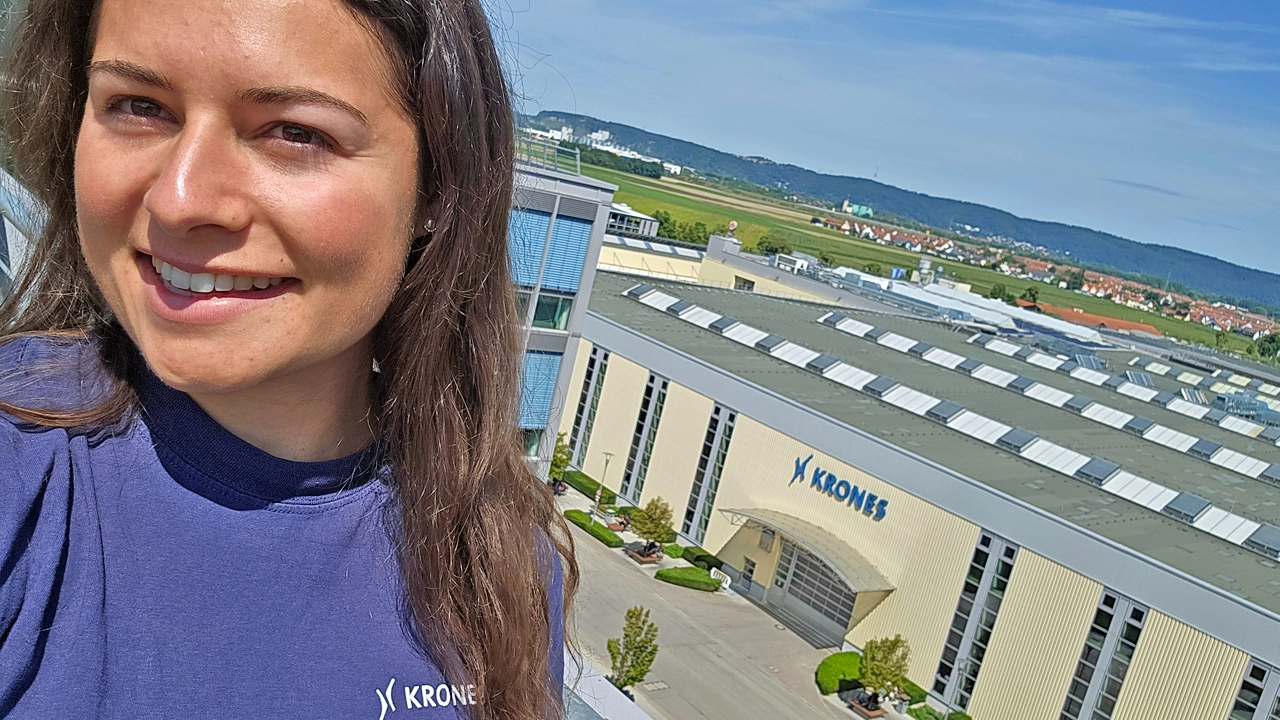
Karina Brückl, Mechatronikerin, Krones, Neutraubling
Karina Brückl, mechatronics technician, Krones, Neutraubling

“Support—that word best describes why I’m running for the works council for the first time. I think it’s important for employees to have people in the company who listen to them, take them seriously, and offer support. Together with a strong works council, I want to advocate for their interests and achieve the best possible outcomes for the employees.”

 Benjamin Schmidt, Teamleiter elektronische Baugruppenfertigung, WIKA, Klingenberg
Benjamin Schmidt, Production Team Leader, WIKA, Klingenberg

“You can always complain, but if you want to actively work on solutions, that’s done through the works council. I had a bad experience at my old company. There, the works council sided with management. WIKA, however, is a very employee-friendly company. I want to play an active role here and also contribute ideas for improvements on behalf of the employees.”

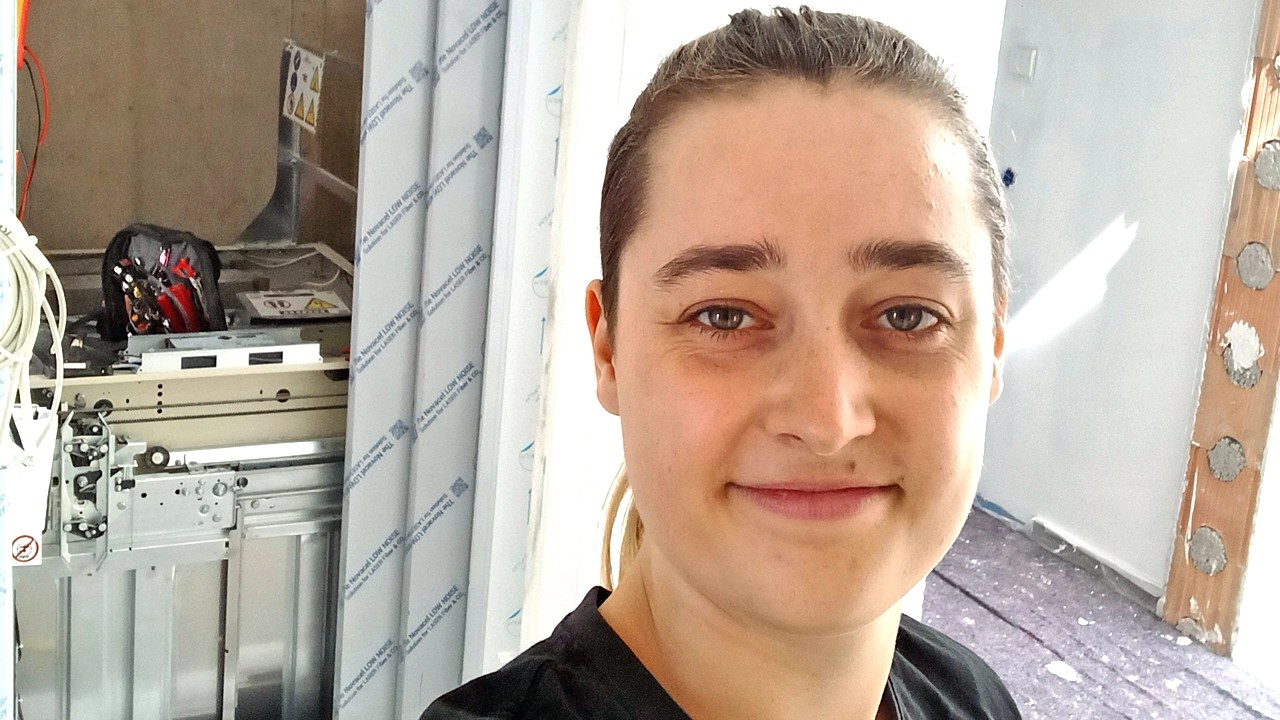
Sybille Güniker, Mechatronikerin, TK Elevator, Frankfurt a.M.
Sybille Güniker, Mechatronics Engineer, TK Elevator, Frankfurt

“I’m running for the works council because it goes without saying that I’m committed to securing jobs and safe working conditions, as well as better wages. We’re currently undergoing restructuring; ThyssenKrupp sold us to private-equity investors, and we’re set to go public soon. That means a lot of uncertainty. I’m committed to ensuring the best possible future.”


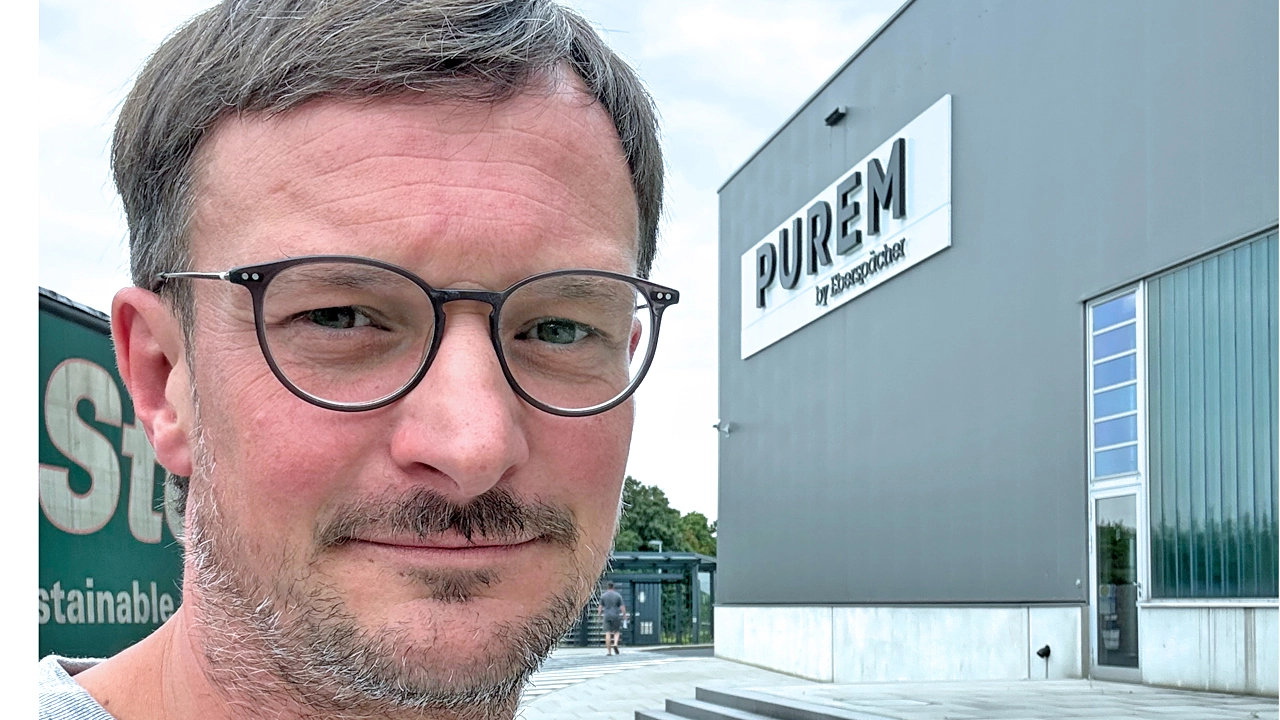
Lars Jungmichel, Prozessingenieur, Purem, Wilsdruff
Lars Jungmichel, Process Engineer, Purem, Wilsdruff

“I’m thinking about running for the works council for the first time. If I want to make a difference, I can’t wait for others to take action—I have to take matters into my own hands. I’m already an IG Metall shop steward. And it’s important that we have some say here so we can secure the best possible outcome for the employees, who have already sacrificed so much.”

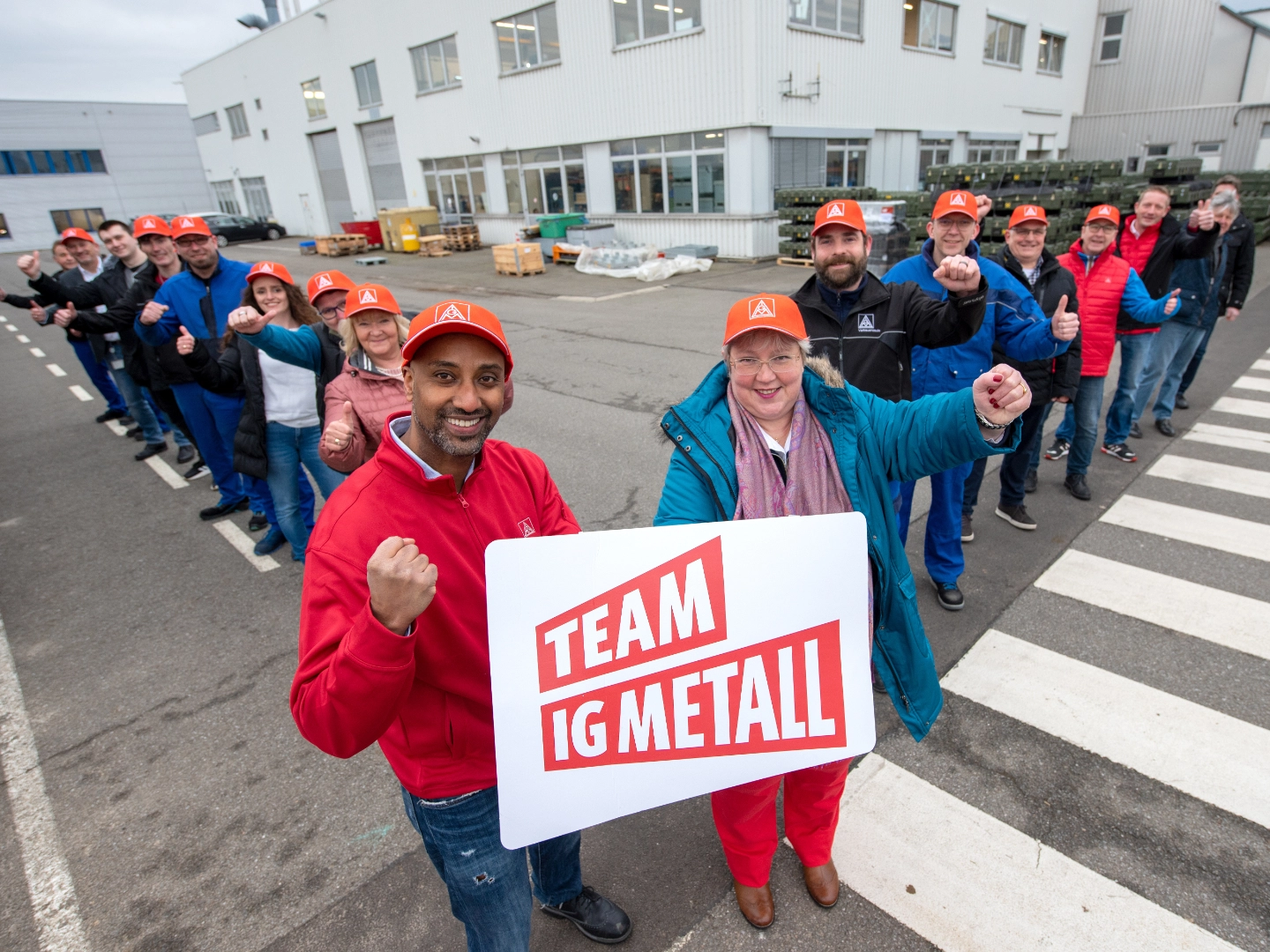
Running as “Team IG Metall”

Are you a works council member who needs posters and other materials for your election campaign? Then you’ll find plenty of tips and digital tools for the 2026 works council election on our Active Members Portal.

  • Überblick über die verschiedenen Wahlverfahren

  • Antworten auf juristische Fragen

  • Arbeitshilfen für Wahlvorstände

  • Und vieles mehr ...

Login


All employee groups should be represented

IG Metall supports its works council members. It offers them training and guidance at the workplace—and stands by them in all professional and legal matters. Works councils advocate for all employees; they stand for diversity and equality. That’s why it’s important that all employee groups are represented on the works council: people of all backgrounds, women and men, from production and the office, young and old.


Works Council Election – Run for Office Now

The nomination of candidates for the works council election is underway. Any employee who has been with the company for at least six months is eligible to run. If you want to run, contact your works council, the IG Metall shop stewards at your workplace, or the election committee. These are the employees who organize the election.

In larger companies, there are primaries in which the union representatives nominate the IG Metall candidates. In some companies, multiple slates compete against each other in what is known as a slate election. Only the IG Metall slate guarantees that you will receive competent advice and training. A joint slate of candidates is preferable. In that case, there is what is known as a “personal election,” in which employees can choose their own candidates in a truly grassroots, democratic manner.

Members of the works council are legally protected against dismissal. This also applies to members of the election committee, candidates for the works council election, and employees who initiate the works council election. Protection against dismissal under Section 15 of the Protection Against Dismissal Act was further improved by the Works Council Modernization Act in June 2021 and extended to employees who prepare for the works council election.

Does your company not yet have a works council, and do you need help setting one up? Contact your local IG Metall chapter!

Recommended reading on this topic:

Works Council Elections
Works Council
New on igmetall.de
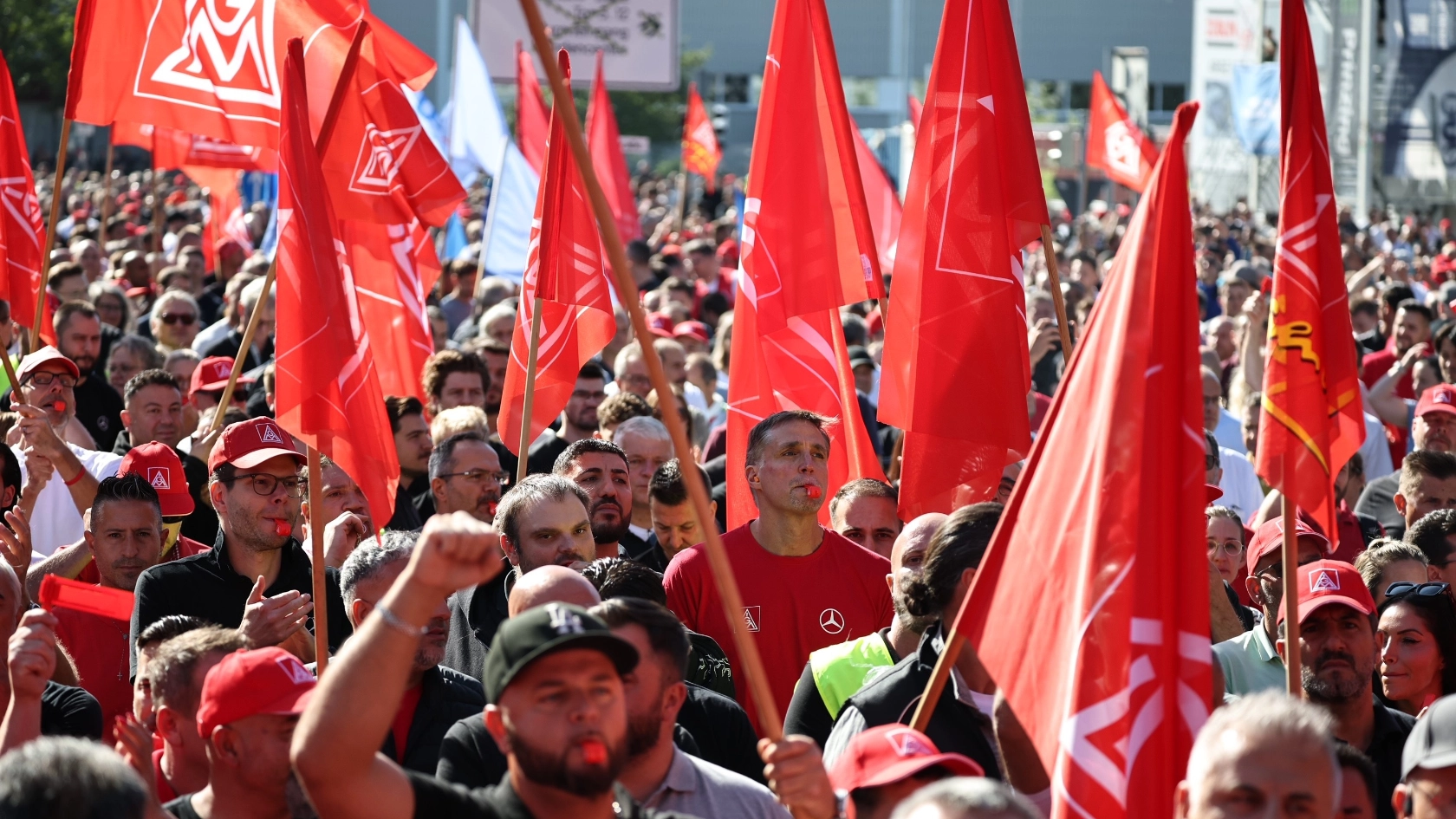
Aktionstag bei Mercedes Benz, Daimler, in Sindelfingen gegen die Angriffe auf Beschäftigten in der Automobilindustrie.
Resistance to Attempts at Drastic Cuts Auto industry workers issue a warning
Sie wollen doch nur dein Bestes
Redistribution Making Germany more equitable: We need this tax reform now
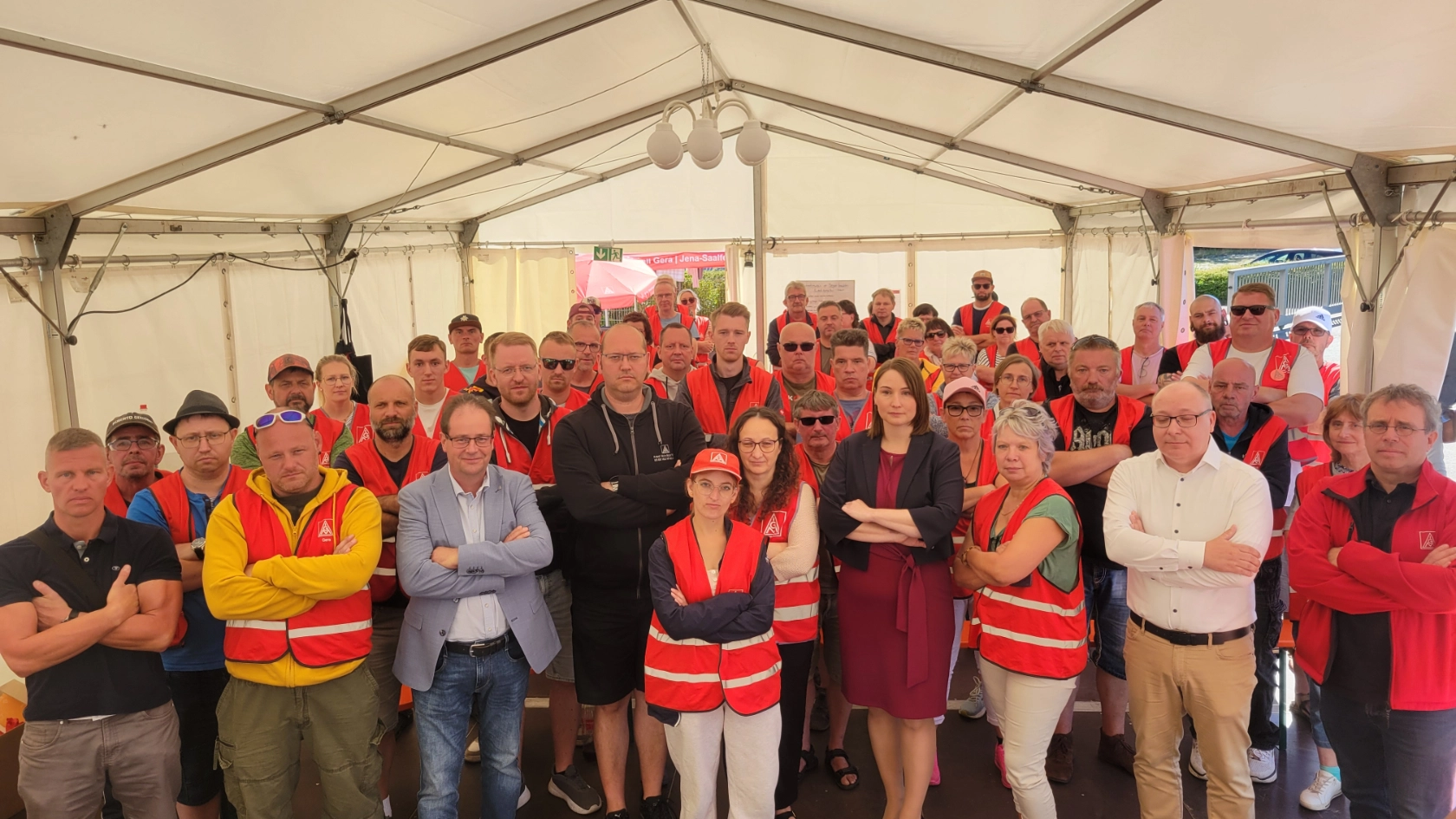
Der Streik bei Kelvion in Nobitz-Wilchwitz begann am 4. August 2026. Die Geschäftsleitung will nach Sarstedt/Niedersachsen verlagern - obwohl die Produktion in Wilchwitz profitabel und bis ins nächste Jahr ausgelastet ist.
"It’s worth fighting for!" Kelvion workers strike for a social collective bargaining agreement
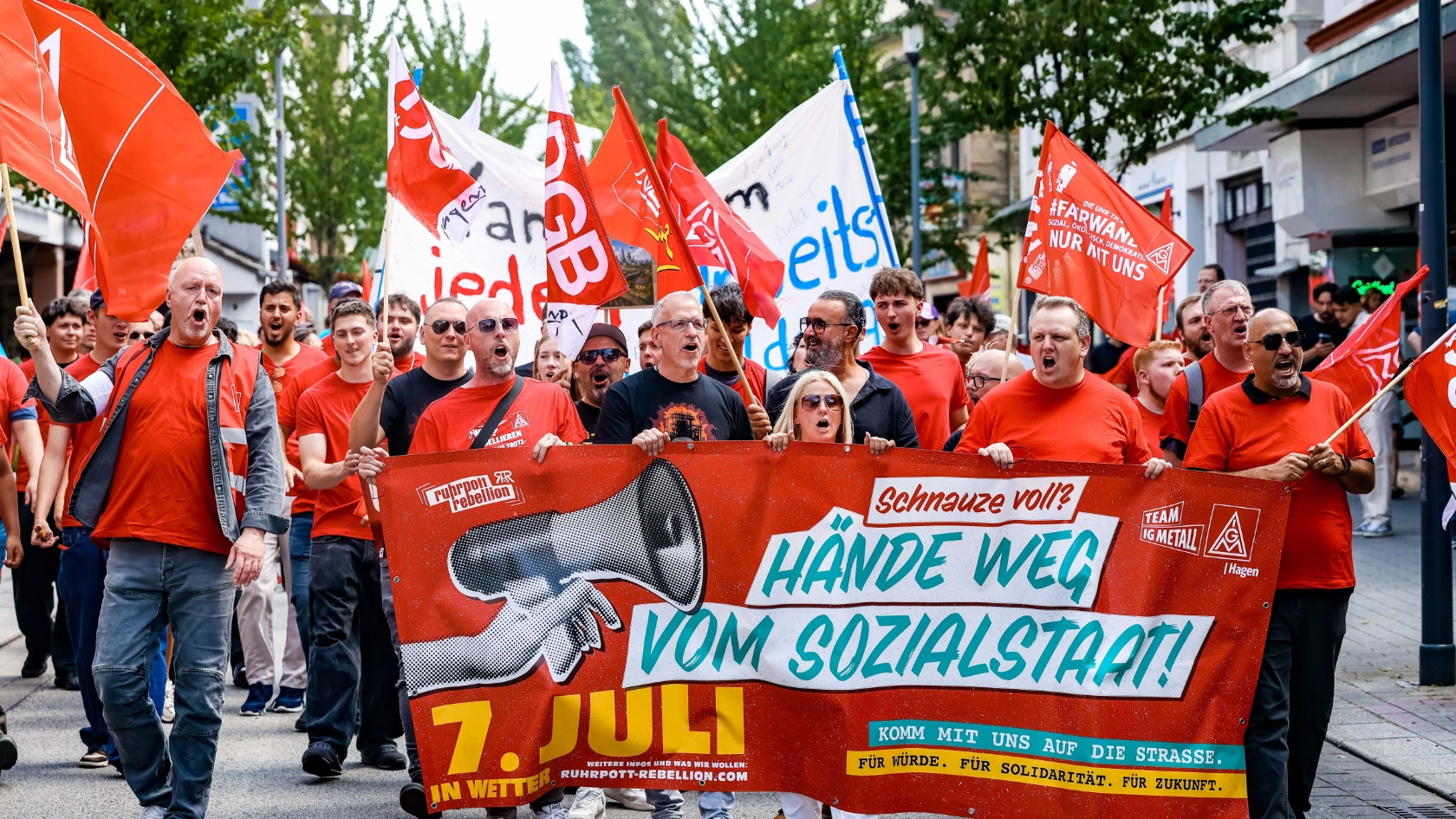
Ruhrpott Rebellion am 07.07.2026
Welfare State September 26: Nationwide Day of Action for Social Policy
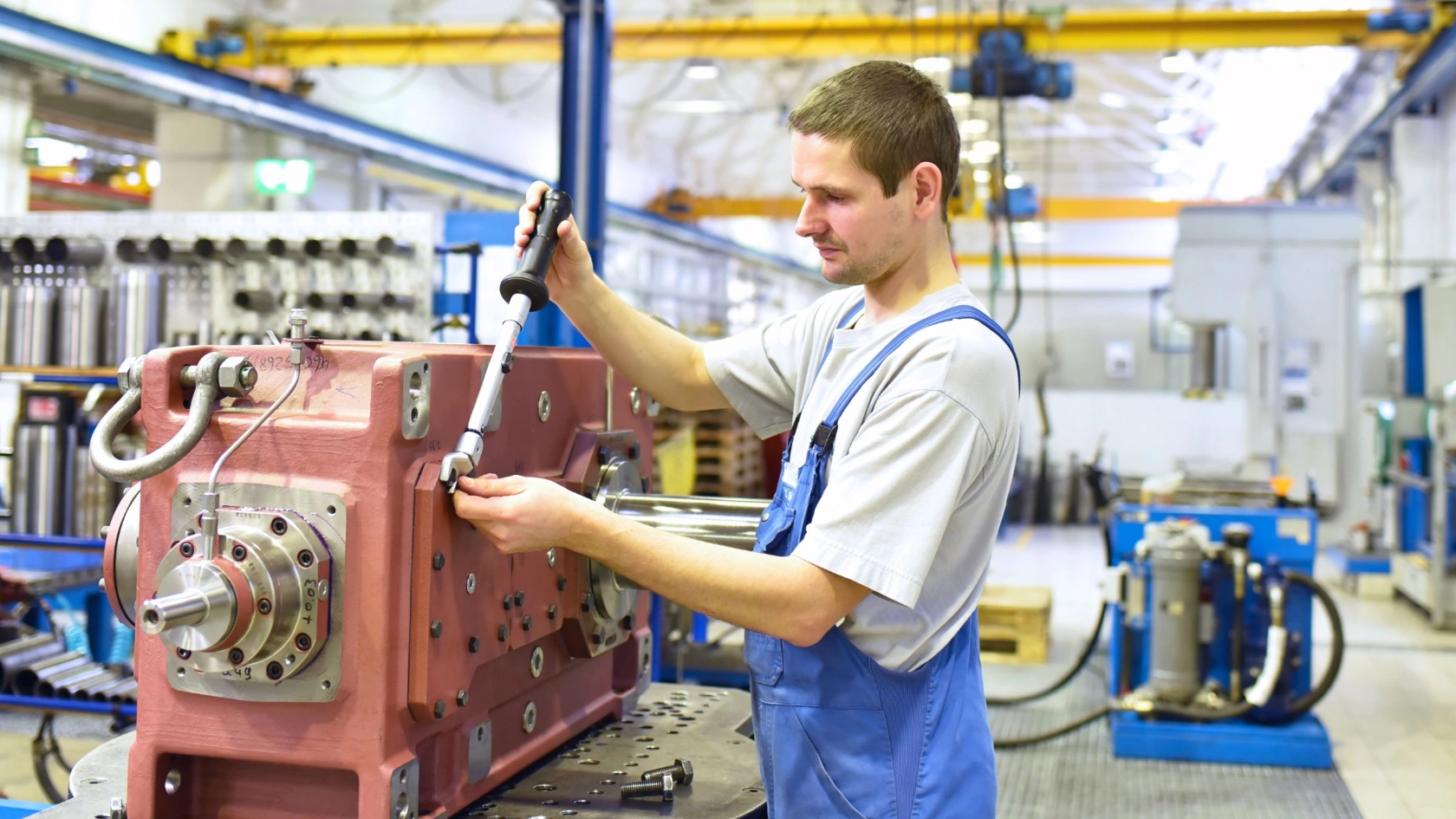
Beschäftigter arbeitet an einem Getriebe in einer Fabrik
Working Hours Why working longer doesn’t help—and actually does more harm than good
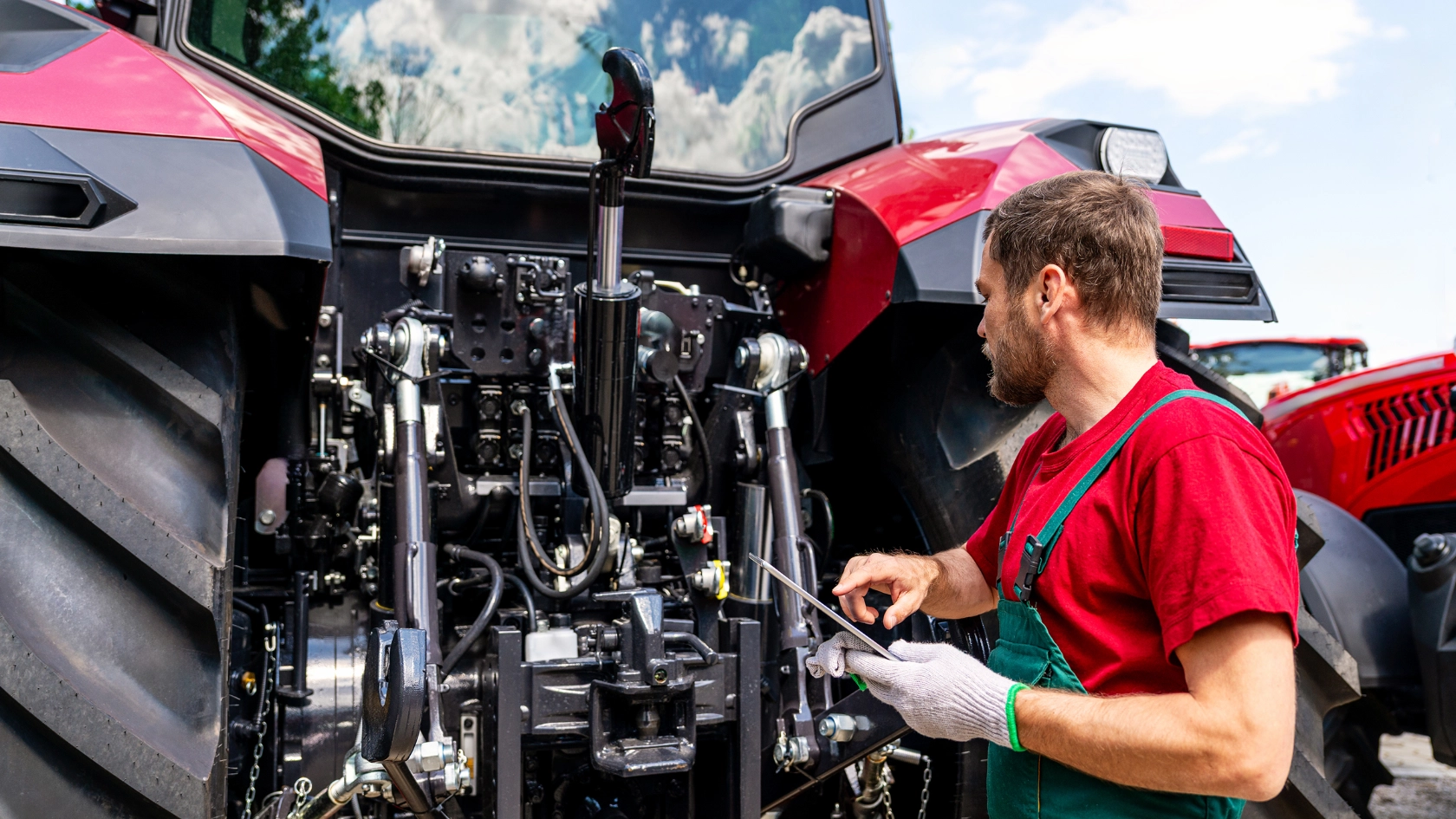
Ein männlicher Land- & Baumaschinenmechatroniker prüft einen Traktor mit einem Tablet
2026 Collective Bargaining Agreement for the Metalworking and Agricultural Engineering Sectors Greater Flexibility in the Metalworking and Agricultural Engineering Sectors in Lower Saxony and Bremen
Elektronikerin prüft die Spannung an einem Schaltschrank.
2026 Collective Bargaining Round for the Electrical Trades Wage Increase in the Electrical Trades in Berlin-Brandenburg
Benjamin Heine ist Mitarbeiter der BMA in Braunschweig
2026 Collective Bargaining Round for Metal Fabrication and Precision Engineering Higher Wages in the Metal Fabrication and Precision Engineering Sectors in Southwest Germany
Metall-Arbeiter beim Schleifen
2026 Collective Bargaining Round for the Metalworking Trade Employees in the Berlin-Brandenburg metalworking sector will receive higher pay
Beschäftigte von Thyssenkrupp demonstrieren in Essen am 23. Mai 2024 gegen das Vorgehen der Geschäftsführung beim geplanten Teilverkauf des Unternehmens.
Defend the welfare state All dates for nationwide actions against cuts to social services
IGM Aktion VW Wolfsburg
On September 21, things will get loud Nationwide Day of Action: Auto Industry Workers Fight Back Against Mass Layoffs
Auszubildender in einer Schreinerei
Apprenticeship Wages Questions and Answers About Apprenticeship Wages

Subscribe to the newsletter