Labor lawyer Dr. Till Bender, DGB Rechtsschutz GmbH
Working hours are a matter of personal responsibility
The situation is different if the employer maintains an overtime account. The missed hours are then recorded as negative hours and can be made up at a later time. However, the employer cannot force anyone to make up the hours missed in the morning by working later in the evening, especially not if, for example, a part-time employee has to leave at noon to pick up a child from school.
But to be clear once again: Everyone is personally responsible for arriving at work on time. In the event of tardiness, the right to wages is generally forfeited, regardless of whether the tardiness was the employee’s own fault or not!
Absence for Personal Reasons
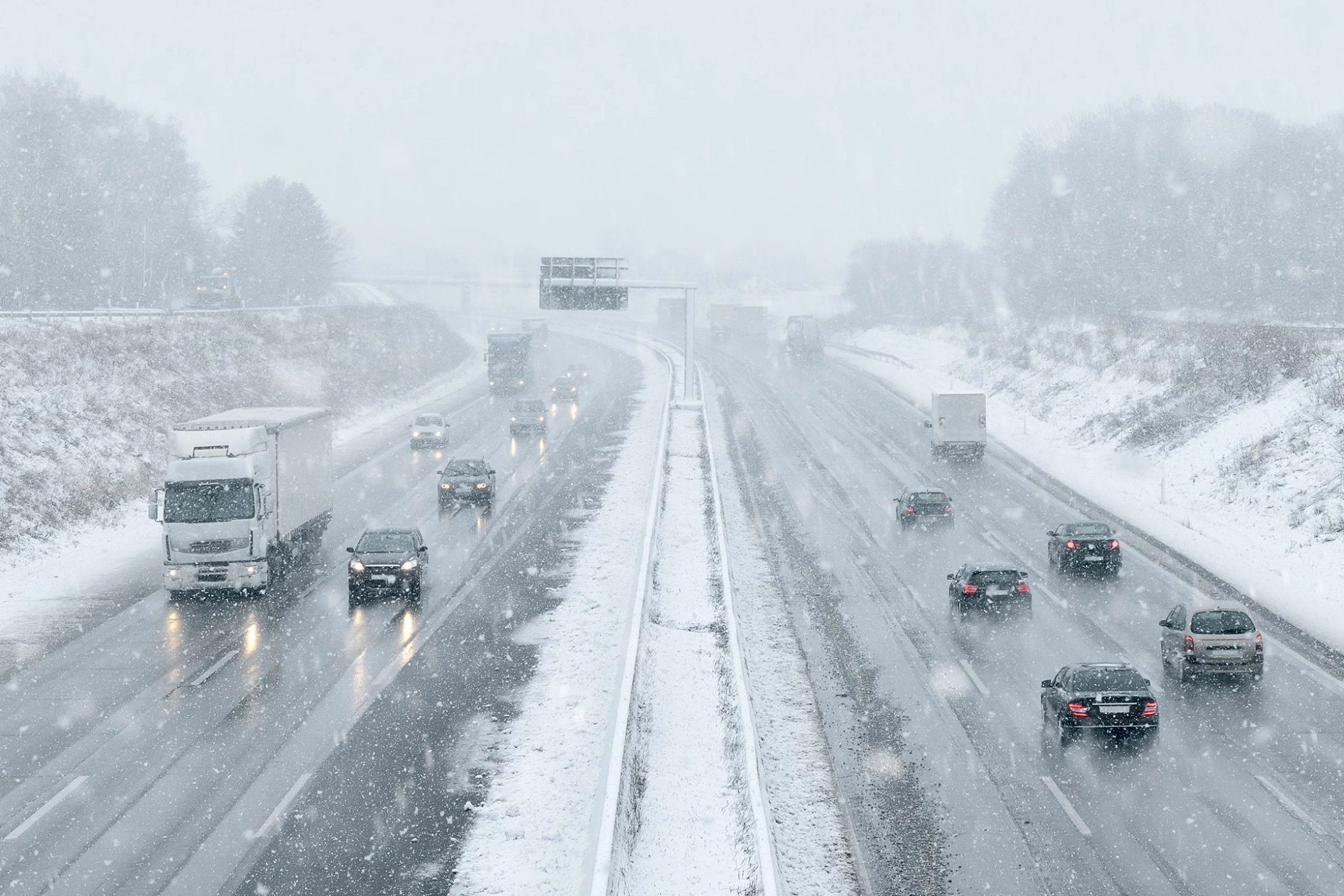
The employer is required to continue paying wages despite a lack of work only in a few exceptional cases—namely, when the employee is “prevented from performing their duties for a relatively insignificant period of time due to a reason inherent to the employee themselves and through no fault of their own,” meaning they are absent from work. However, snowfall or black ice are not “personal” reasons but rather objective circumstances that affect everyone equally. The same applies to flooding, demonstrations, roadblocks, general driving bans, or strikes by public transportation operators.
A subjective reason exists, for example, if a daycare center or school remains closed due to weather conditions and the employee cannot find alternative childcare. This is because the reason for the inability to work then lies “in the person” of the employee, since their own child absolutely needs care. In this case, the employee is entitled to continued payment of wages, at least for a few days.
This entitlement arises from Section 616 of the German Civil Code (BGB). However, the provision of Section 616 BGB is derogable—that is, not only can terms be improved in favor of employees, but the entitlement can also be limited or even completely excluded. This can be done through an employment contract, a collective bargaining agreement, or, under certain circumstances, a works agreement.
Warning for Weather-Related Tardiness
Another question is whether delays caused by ice and snow can lead the employer to issue a written warning. This depends on the individual case, because a written warning may only be issued for culpable conduct. A written warning in the event of a sudden winter storm or traffic chaos caused by an accident would certainly not be justifiable.
However, the employer can require the employee to generally adapt to weather conditions and plan for more travel time accordingly. The employer should no longer accept the excuse that the employee cannot arrive at work on time due to snow after three or four days at the latest. In that case, a warning would be justified, especially if all other employees are on time.
Cases of “force majeure” also preclude a written warning; however, caution is required here: Not every adverse environmental condition constitutes a case of “force majeure.” This applies only in rare instances, such as when the German Weather Service urges the public not to go out on the roads due to flooding or icy conditions. Such events, against which no employee can prepare, also do not result in a written warning if the employee fails to show up for work.
Commuting Accidents
Accidents occur more frequently in adverse weather conditions. Legally, the same rules apply here as for commutes to and from work in general: If the accident occurred on the direct route to work, it is considered a work-related accident, and the treatment costs are covered by the workers’ compensation insurance fund; the fund may also pay a disability pension if applicable.
Absence from Work Due to Bad Weather
In exceptional cases, work may even be impossible to perform at all because weather conditions cause major disruptions to business operations. However, this issue no longer falls under the category of commuting risk but rather under general operational risk, which is generally borne by the employer. If risks within the employer’s sphere of responsibility make it impossible to work, this cannot be at the expense of the employee, which means the employee continues to receive their wages even if they are not working.
Under certain circumstances, however, the Federal Employment Agency may step in with short-time work benefits in such situations; in the traditionally seasonal construction industry, there is also an entitlement to seasonal short-time work benefits.
Note: IG Metall members are represented free of charge by attorneys from DGB Rechtsschutz GmbH in labor and social courts, if necessary. The first point of contact for any issues is your local IG Metall office. You can find more information on union legal protection here.