Automatic translation
This article has been translated automatically using computer technology. While we strive for accuracy, some wording or details may differ from those in the original article.
This translation was not manually reviewed. For important facts, quotations or legally sensitive information, please consult the German original. Individual selections, images, embedded media or technical terms may have been translated differently or incompletely.

Federal Constitutional Court Upholds Ban Temporary workers may not be used as strike breakers

The Federal Constitutional Court has upheld the statutory ban on the use of temporary agency workers as strike breakers, which was introduced in 2017. The judges’ reasoning: Otherwise, strikes would be rendered ineffective and unions would be at a disadvantage in collective bargaining. The DGB unions welcome the ruling.

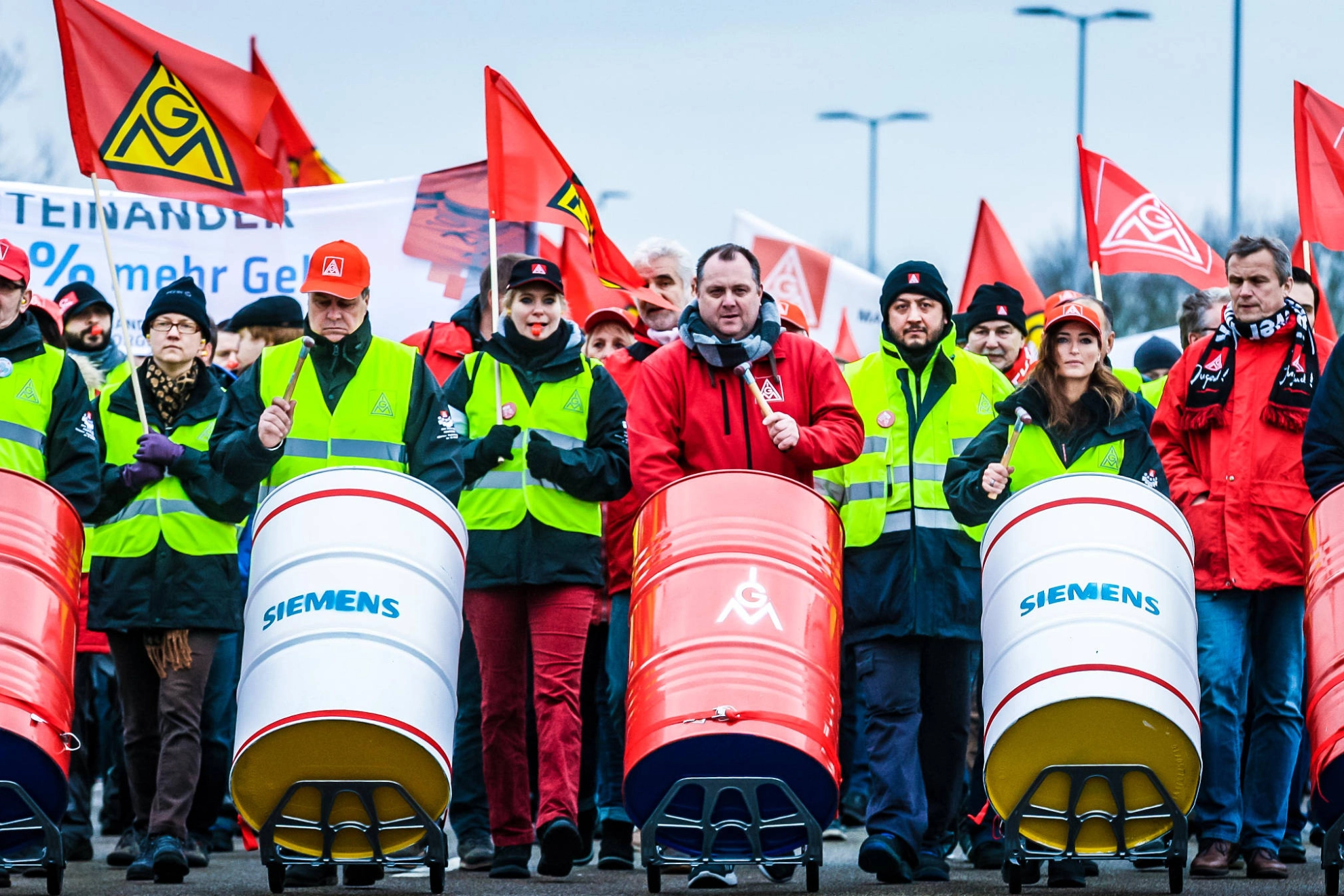
Streikende an der Spitze eines Demonstrationszuges, die auf Fässern trommeln.

7 August 2020 7 August 2020


An employer may not allow temporary agency workers to work if its operations are directly affected by a labor dispute. This has been stipulated in the revised Temporary Agency Work Act since 2017. Temporary agency workers may not be used as strike breakers. The Federal Constitutional Court has confirmed this—and rejected a constitutional complaint filed by a movie theater operator.

The judges’ reasoning: If temporary agency workers were used as strike breakers, strikes would become ineffective, thereby shifting the balance of power in collective bargaining disputes to the detriment of the unions. With the legal ban introduced in 2017, the legislature curbed the increasing use of temporary agency workers during strikes and thus restored parity between unions and employers.


Federal Constitutional Court Upholds Position of DGB and IG Metall

The DGB unions welcome the decision of the Federal Constitutional Court. In addition to the federal government, the Federal Ministry of Labor and Social Affairs, the Federal Labor Court, the German Federal Bar Association, the Confederation of German Employers’ Associations, and the employers’ associations of the metal and electrical industries, the German Trade Union Confederation (DGB), IG Metall, and ver.di also submitted statements on the constitutional complaint prior to the court’s decision: If the use of temporary agency workers in companies affected by strikes were unrestricted, the unions would otherwise have no means left to exert pressure on the negotiating counterpart. Negotiating parity would not only be disrupted but would cease to exist altogether.

In its decision, the Federal Constitutional Court essentially concurred with the unions’ position: “It must be taken into account that the unions, in particular, are dependent on a balanced balance of power in labor disputes,” the court stated in its reasoning. “They cannot turn to other bargaining partners but must, in order to negotiate their positions on an equal footing, be able to exert sufficient pressure on the employer side through the use of industrial action. The employer side is not dependent on this to the same extent. It has control over the means of production, investments, locations, and jobs and therefore regularly possesses considerable potential to exert pressure.”


Reasons for the Decision of the Federal Constitutional Court
Labor and Social Security Law

New on igmetall.de
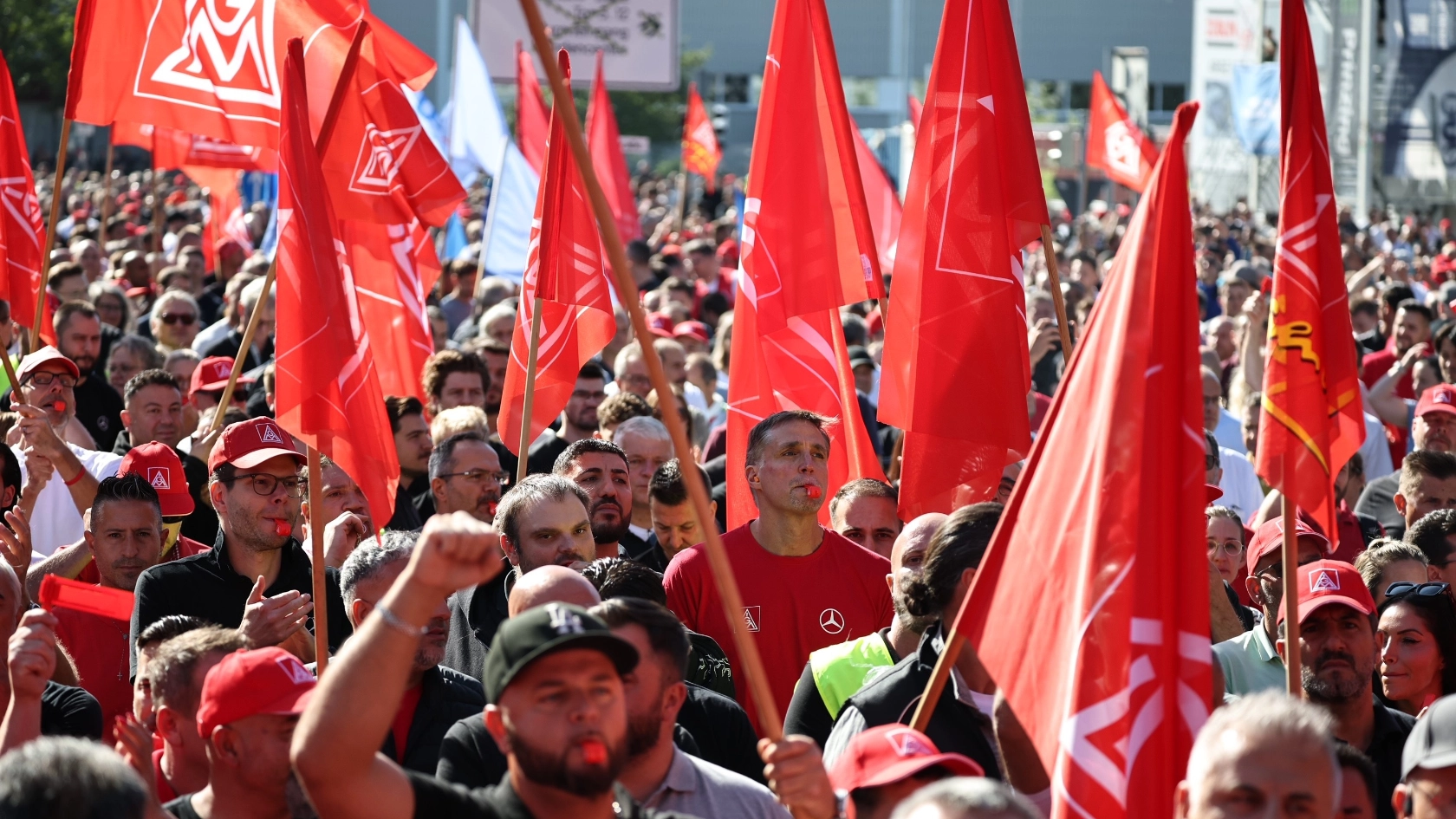
Aktionstag bei Mercedes Benz, Daimler, in Sindelfingen gegen die Angriffe auf Beschäftigten in der Automobilindustrie.
Resistance to Attempts at Drastic Cuts Auto industry workers issue a warning
Sie wollen doch nur dein Bestes
Redistribution Making Germany more equitable: We need this tax reform now
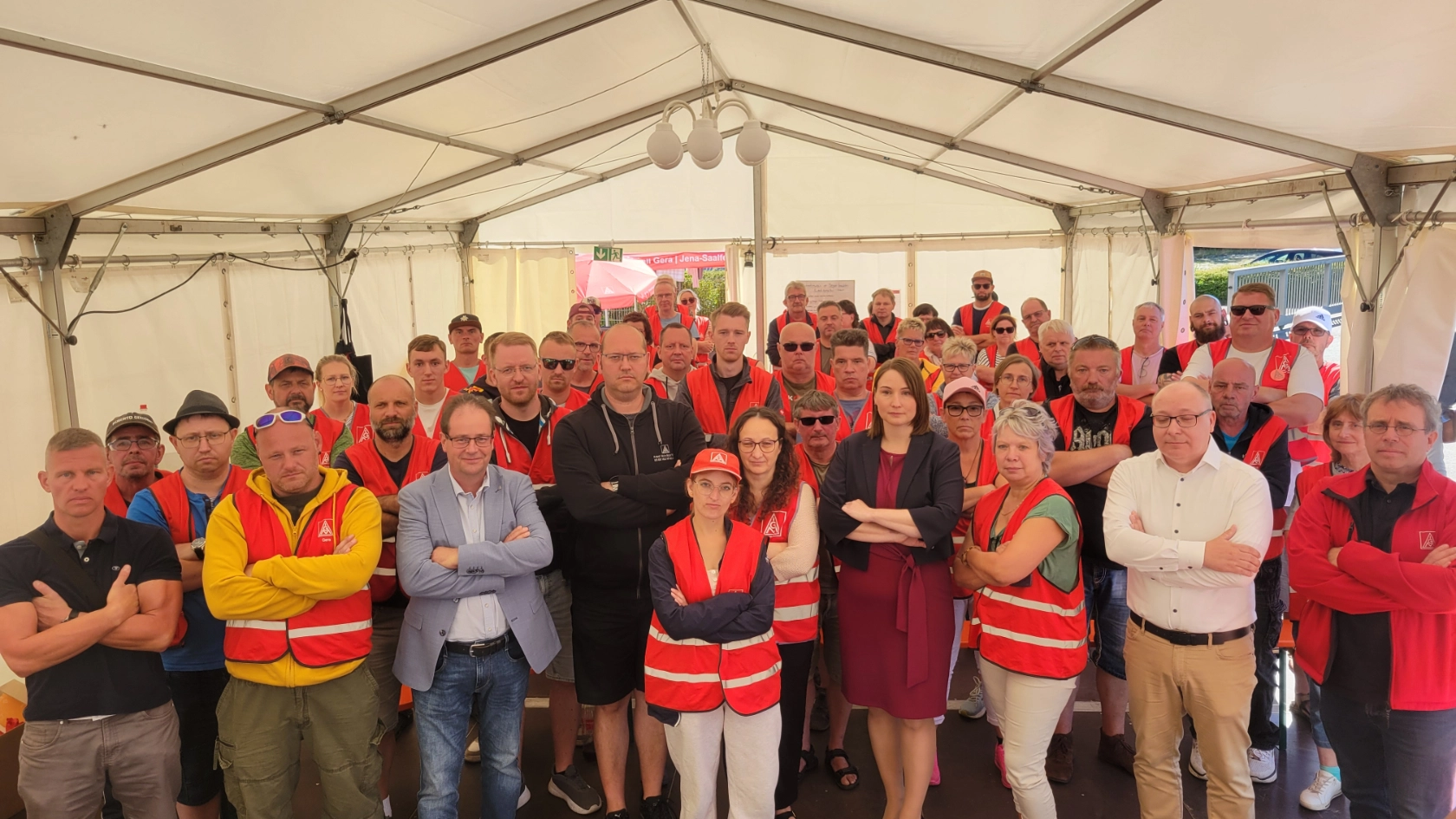
Der Streik bei Kelvion in Nobitz-Wilchwitz begann am 4. August 2026. Die Geschäftsleitung will nach Sarstedt/Niedersachsen verlagern - obwohl die Produktion in Wilchwitz profitabel und bis ins nächste Jahr ausgelastet ist.
"It’s worth fighting for!" Kelvion workers strike for a social collective bargaining agreement
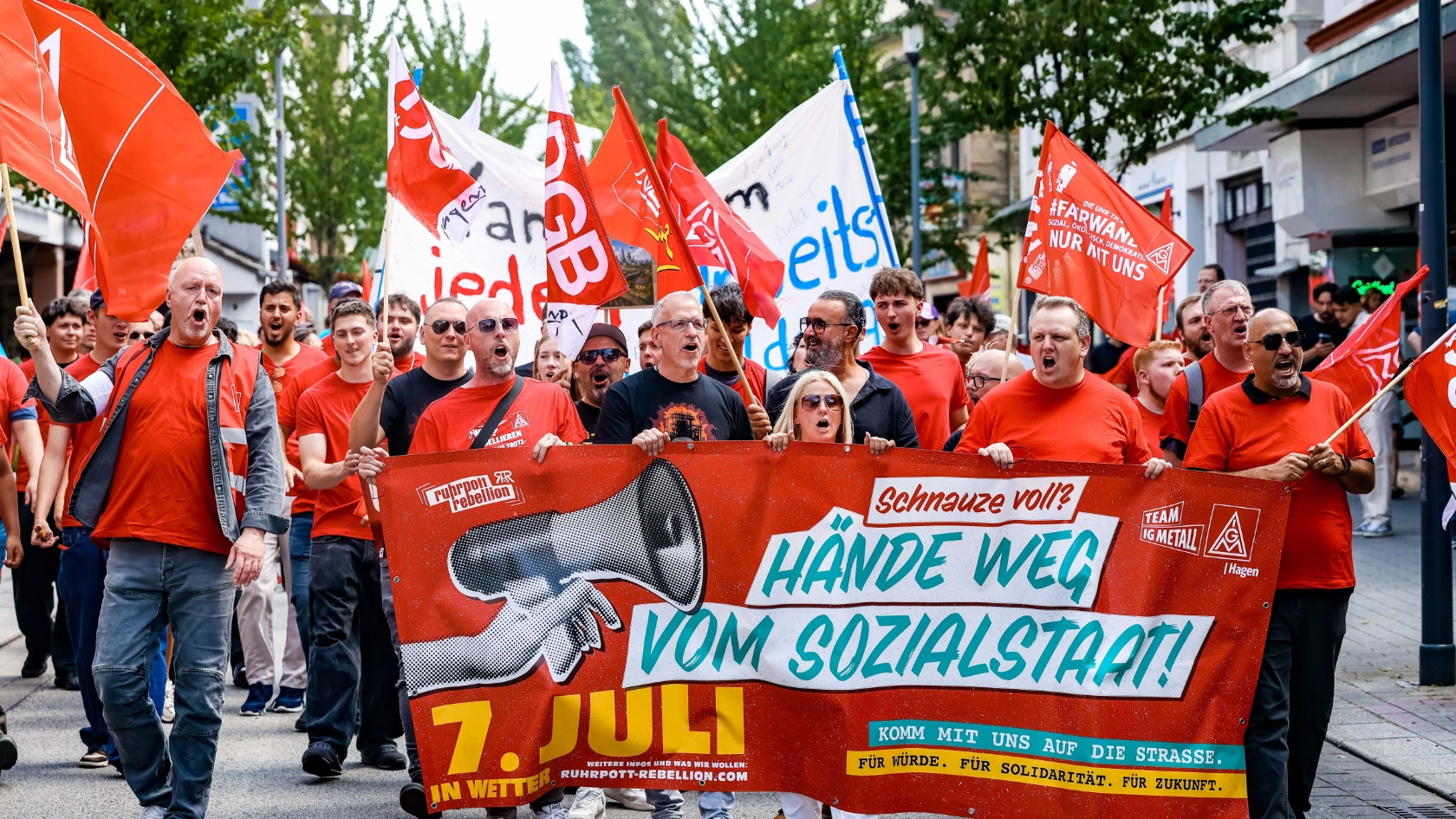
Ruhrpott Rebellion am 07.07.2026
Welfare State September 26: Nationwide Day of Action for Social Policy
Beschäftigter arbeitet an einem Getriebe in einer Fabrik
Working Hours Why working longer doesn’t help—and actually does more harm than good
Ein männlicher Land- & Baumaschinenmechatroniker prüft einen Traktor mit einem Tablet
2026 Collective Bargaining Agreement for the Metalworking and Agricultural Engineering Sectors Greater Flexibility in the Metalworking and Agricultural Engineering Sectors in Lower Saxony and Bremen
Elektronikerin prüft die Spannung an einem Schaltschrank.
2026 Collective Bargaining Round for the Electrical Trades Wage Increase in the Electrical Trades in Berlin-Brandenburg
Benjamin Heine ist Mitarbeiter der BMA in Braunschweig
2026 Collective Bargaining Round for Metal Fabrication and Precision Engineering Higher Wages in the Metal Fabrication and Precision Engineering Sectors in Southwest Germany
Metall-Arbeiter beim Schleifen
2026 Collective Bargaining Round for the Metalworking Trade Employees in the Berlin-Brandenburg metalworking sector will receive higher pay
Beschäftigte von Thyssenkrupp demonstrieren in Essen am 23. Mai 2024 gegen das Vorgehen der Geschäftsführung beim geplanten Teilverkauf des Unternehmens.
Defend the welfare state All dates for nationwide actions against cuts to social services
IGM Aktion VW Wolfsburg
On September 21, things will get loud Nationwide Day of Action: Auto Industry Workers Fight Back Against Mass Layoffs
Auszubildender in einer Schreinerei
Apprenticeship Wages Questions and Answers About Apprenticeship Wages

Subscribe to the newsletter