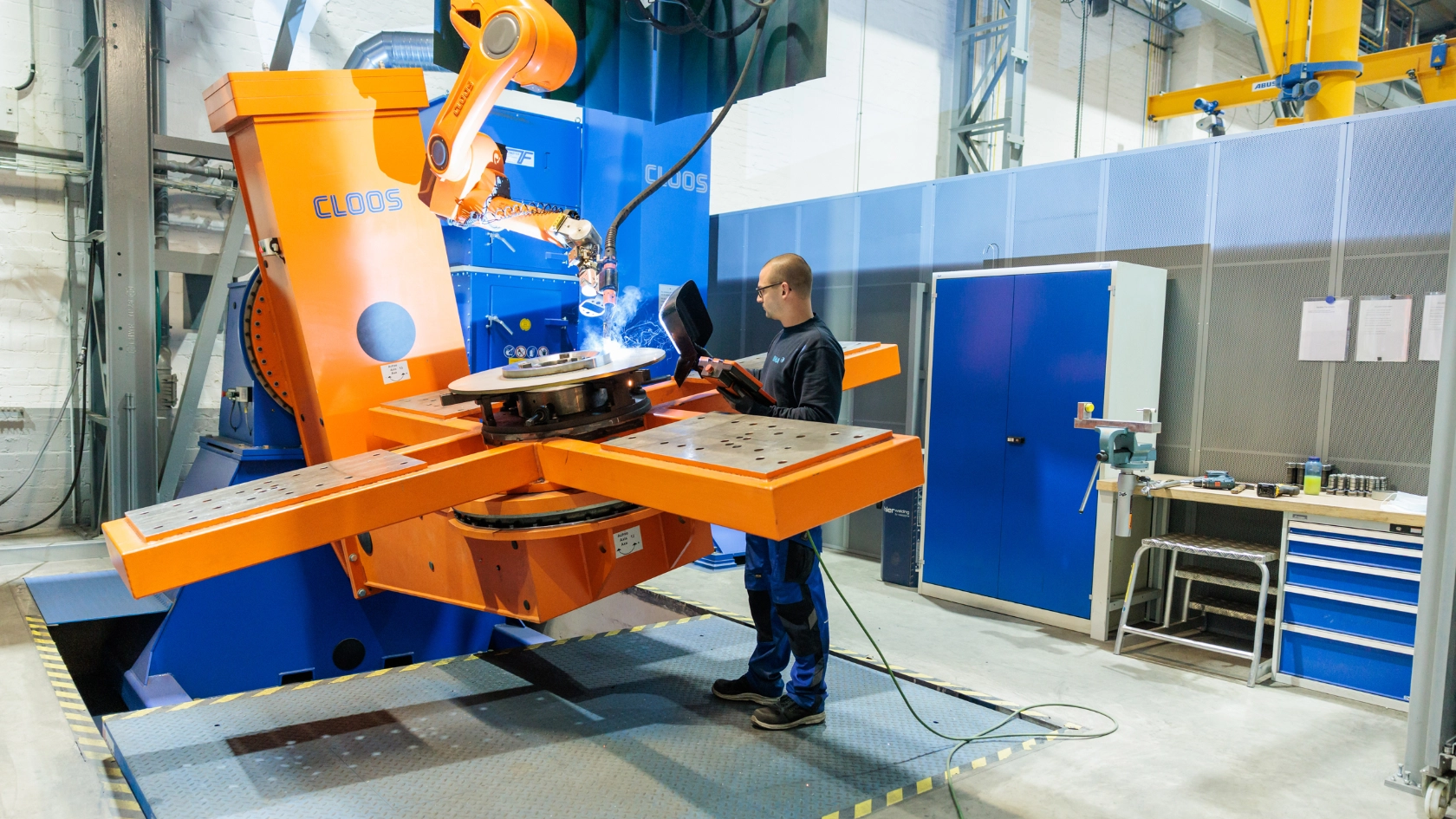
In 2011, employees at the automotive supplier Koyo in Halle, Westphalia, gave their employer 150,000 euros. Not all at once, not all of them, and they didn’t hand it over in a briefcase—they gave him work, hour by hour. Jens Engelbrecht did the math.
“In 2012, 6,400 working hours expired at our site. For pay grade 12, that amounts to 150,000 euros, excluding social security contributions,” says the works council chair. 560 people work at the Bielefeld location. About half of them—especially those in the higher pay grades—have flex time. Their hour accounts stopped counting actual working hours after 20 hours. The works council had established this rule 20 years ago. It wanted to prevent employees from working endlessly. After all, no one would work for free. “That’s what we thought back then,” says Engelbrecht.
A mistake, as the statistics show. The Institute for Employment Research (IAB) counted nearly one billion hours of unpaid overtime last year. Many people don’t watch the clock at work. When a project needs to be finished, they work into the evening—and with laptops and cell phones, even on vacation and on weekends.
Overtime, extra shifts—working hours are on the rise in both the east and west. In the metal and electrical industries, the standard workweek is 35 hours in the west and 38 hours in the east. In reality, working hours in the east and west have long since converged, averaging 40 hours per week for full-time employees in 2014.
Many don’t question their working hours
Times changed gradually. Works council member Engelbrecht can’t say when it started. “At some point, we noticed that people were hardly handing in any overtime slips anymore.” No one protested as the workdays grew longer and longer. The works council finally took a look at the work time accounts: in 2011, 5,800 hours had expired; in 2012, it was 6,400; and so it went, year after year.
And this isn’t just how things are at Koyo. After all, the work has to get done. Hardly anyone questions whether there simply isn’t too much work for too few people. Some because they enjoy their work. Others because they’re under pressure—because colleagues, the boss, or the customer are waiting. Many don’t question their working hours, but they sense that their work and personal lives are becoming unbalanced.
In the IG Metall employee survey, one in two respondents said they feel rushed or under time pressure at work. Four-fifths feel that in recent years they’ve had to get more work done in the same amount of time. Just as many are willing to work flexibly. But they also want flexibility when it comes to their own needs—when they have to care for children, sick or elderly relatives, when they need time for friends and hobbies, or when they want to pursue further education.
No Hours Are Lost
At the automotive supplier Koyo in Halle, times have since changed. Working hours no longer go to waste. For four years, works council member Engelbrecht and his colleagues lobbied the employer. They calculated for their coworkers which pay grade they would be in if their salary were adjusted to reflect their actual hours worked.
“That was a hard pill for some to swallow,” says Engelbrecht. In 2015, the employer was finally willing to negotiate a new agreement on flex time. While the new agreement still caps hour accounts at 35 plus hours, it specifies what happens to the hours that exceed that limit. “Working hours no longer expire. Hours above 35 are either used up or paid out,” says Engelbrecht. Overtime slips are once again arriving at the works council, and Engelbrecht is having discussions he hasn’t had in years. “In the design department, we’re now talking about hiring more staff.”