Mobility Sectors
The mobility sectors include the automotive industry, the aerospace industry, the rail industry, and ship and boat building. Collective bargaining agreements for the metal and electrical industries generally apply to these sectors.
With over 830,000 employees (2018), the automotive industry forms the heart of German industry. The sector is currently particularly affected by the transformation process: digitalization, new global value chains, the development of new propulsion systems, and the ecological transition are presenting this export-oriented sector with new challenges.
With 52,500 direct employees in Germany and revenue of approximately 11 billion euros (German Railway Industry Association, for the full year 2017), the railway industry is part of Germany’s industrial core. The rail industry includes manufacturers of rail vehicles, companies specializing in control and safety technology and infrastructure, as well as their associated suppliers and service providers. The planned transportation transition could open up new opportunities, particularly for this sector.
With 109,500 employees, the aerospace industry is considered one of Germany’s key industries. It is characterized by a dominant European OEM and a large number of small and medium-sized suppliers. The order book is good to very good. However, the trend toward global value chains, as well as digitization and automation processes, poses major challenges for workforces and companies.
Experts estimate that the shipbuilding and boatbuilding sectors, including suppliers, generate total annual revenue of approximately 18 billion euros (as of 2018). Suppliers account for 70 to 80 percent of value added. While cruise ship and yacht construction in particular provide employment, there are uncertainties in naval shipbuilding.
Machinery and Plant Engineering
With more than one million employees (as of 2018), mechanical and plant engineering is the largest employer in German industry and a driver of innovation in the context of Industry 4.0. The sector forms the foundation for the success of other industries and represents a crucial link in the value chain of many industrial sectors—such as the steel and automotive industries. Therefore, without mechanical engineering and its equipment, major industrial projects of the future cannot be accomplished. Key subsectors of mechanical engineering include automation technology, construction machinery, power tools, and the construction of energy plants and power plants.
Electronics Industry
The electrical industry encompasses the entire electronics sector, medical technology, white goods (electrical household appliances), and the IT industry. The electrical industry is heavily export-oriented and one of the oldest sectors represented by IG Metall. The digitization of processes plays a major role here.
Steel Industry
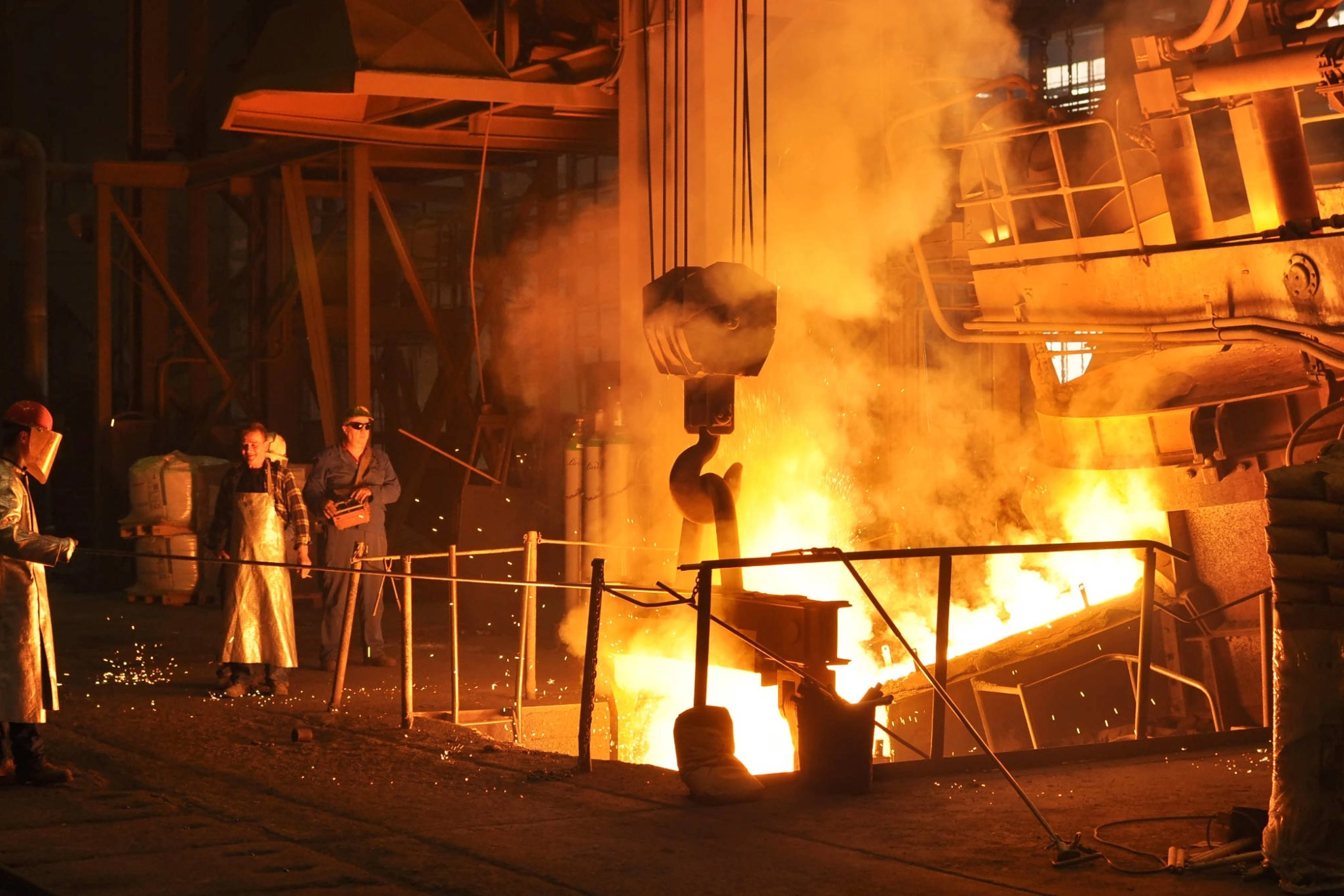
The steel industry also includes the sub-sectors of the aluminum industry, the foundry industry, and the forging industry. The sector currently employs over 70,000 workers (as of 2018). All areas are cost-intensive and energy-intensive. The industry is constantly driven by the need for resource efficiency and the reduction of CO2 emissions. Environmental, climate, and energy policies will continue to be the key transformation issues for the industry in the coming years. Further challenges include restructuring within the industry as well as current global trade policies.
Wood and Plastics
The wood and plastics sector comprises various industries with their respective sub-sectors. The furniture industry and the wood industry are the largest sectors within this group. However, this could change, as the plastics processing industry within IG Metall is growing increasingly rapidly. This is due to new materials and improved manufacturing processes. Across the entire sector, more than 182,000 employees generate revenue of 41.7 billion euros. While the wood industry and the plastic building materials sector benefited from the stable economy and the boom in the construction industry, the furniture industry experienced very mixed results.
Textile Sectors
The textile sectors encompass the textile and apparel industry as well as textile services. The textile and apparel industry currently employs over 80,000 workers (as of 2018). Textile services include, for example, laundries. The sector has traditionally been characterized by relatively low collective bargaining coverage and low wages. The market is under significant pressure from discount retailers. Many companies pass this pressure on to their employees. However, IG Metall has achieved many improvements in recent years: numerous companies have returned to collective bargaining agreements, and a certificate of social responsibility has been introduced. This allows for verification of compliance with statutory minimum standards.
Skilled Trades
The skilled trades sector encompasses 92 industries within IG Metall’s organizational scope. The key sectors are the automotive trades, the electrical trades, the plumbing, heating, and HVAC trades, the metalworking trades, the carpentry and joinery trades, and various healthcare-related trades. Of the 5 million workers in the skilled trades, 2.1 million belong to IG Metall’s organizational scope. The skilled trades sector is primarily characterized by small and medium-sized enterprises, but is currently undergoing a structural shift toward large “skilled trades conglomerates.” The transformation of the world of work will also change the nature of work in the skilled trades sector; for this reason, strong workplace co-determination and well-organized workforces are essential.
Work in the following sectors:
Industry-Related Services
The manufacture of industrial products involves the convergence of many different work processes. In addition to the actual production, machines must be cleaned and maintained, pipes and lines laid, and individual parts ordered and transported. This work is increasingly being outsourced to specialized industrial service providers—more and more often as part of a full-service package. The ability to focus on their core business is a key reason why industrial companies outsource tasks—and even entire production areas—to industrial service companies.
Facility service companies plan and manage buildings and facilities. They handle the maintenance and upkeep of building systems, security, cafeteria operations, and much more. One in ten workers in Germany is already employed in the facility services sector.
Contract Logistics
Contract logistics is a service model that combines multiple services and is widely used in the automotive and vehicle manufacturing industries, as well as in the aerospace industry. Contract logistics services include customer-specific freight forwarding activities such as transportation, warehousing, and transshipment, and encompass additional logistics and production-related services for the metal and electrical industries.
Temporary Staffing
The assignment of workers to third parties—known as temporary staffing—has become an integral part of our working world. Employees of staffing agencies are temporarily assigned or loaned by their employers to companies in the metal, wood, plastics, and textile industries, among others. Staffing agencies now view temporary staffing as a distinct industry in its own right. More than one million people work in temporary employment—with little chance of transitioning to a permanent position at the company where they are assigned.