Automatic translation
This article has been translated automatically using computer technology. While we strive for accuracy, some wording or details may differ from those in the original article.
This translation was not manually reviewed. For important facts, quotations or legally sensitive information, please consult the German original. Individual selections, images, embedded media or technical terms may have been translated differently or incompletely.

Additional caregiving responsibilities during the COVID-19 pandemic Working mothers bear the brunt

Women could emerge as the biggest losers from the COVID-19 crisis, says Professor Lena Hipp. Job satisfaction is declining, and traditional gender roles are becoming more entrenched. But the sociologist sees ways out.
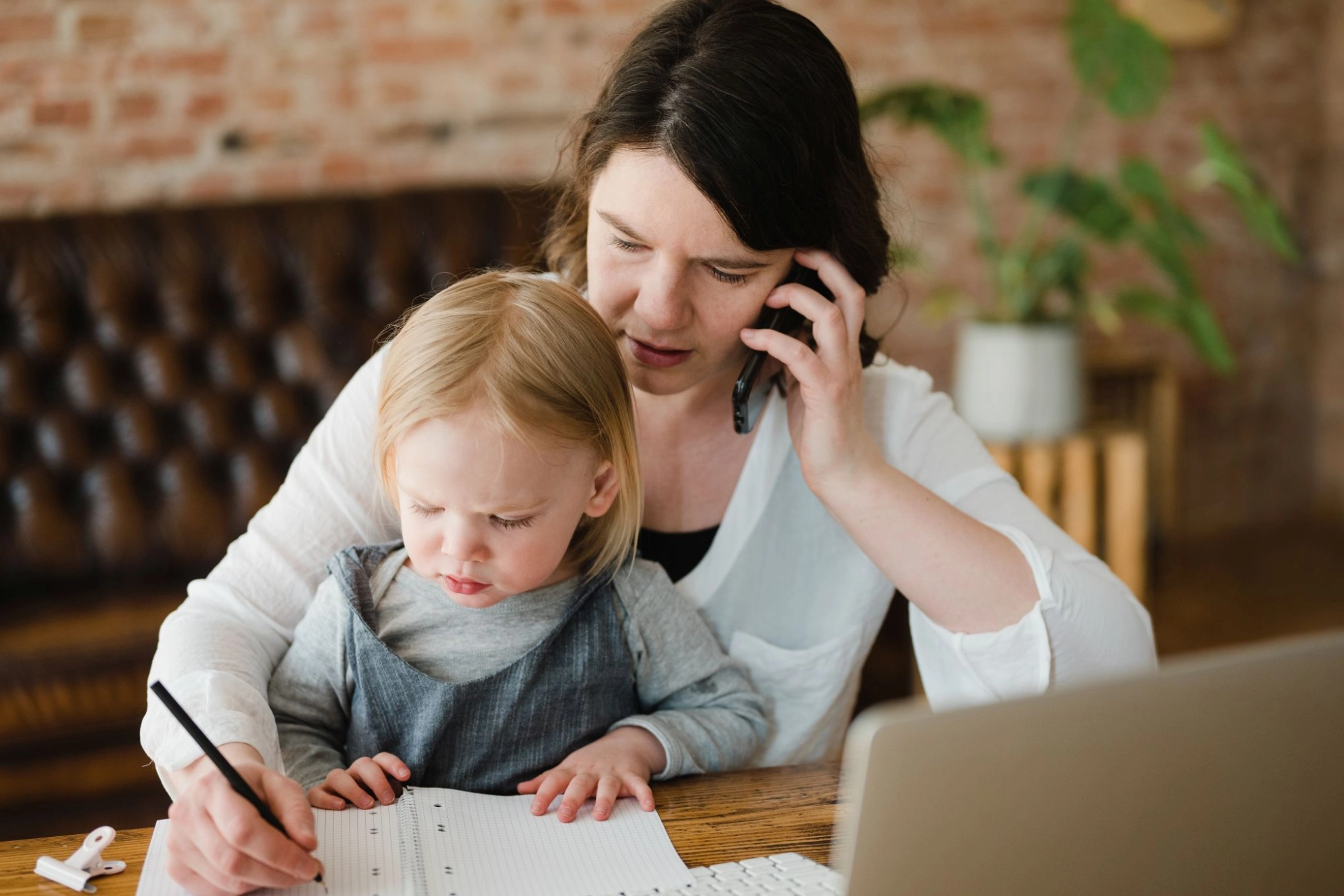
Mutter mit Tochter im Arm am Telefonieren im HomeOffice

20 May 2020 20 May 2020


Many working parents have had to reduce their working hours to care for their children. What impact does this have on families?

Lena Hipp: Financial worries and hardships are spreading among many people. Our survey on daily life during the pandemic clearly shows this. Families suffering significant losses therefore urgently need better support. Of course, many parents would already be helped if daycare centers and schools were fully open again. However, children’s health must not be put at risk.


Who will solve the work-life balance problems caused by closed daycare centers and schools?

Mostly women. I also fear that they will emerge from the COVID-19 crisis as the biggest losers. Women generally already spend more time on family and household chores. Our data show that this is now becoming even more acute during the crisis. It is primarily women who are reducing their working hours or even taking a complete leave of absence from their jobs to care for their children.


20200518_Lena_Hipp_Sozialforschung_001.jpg

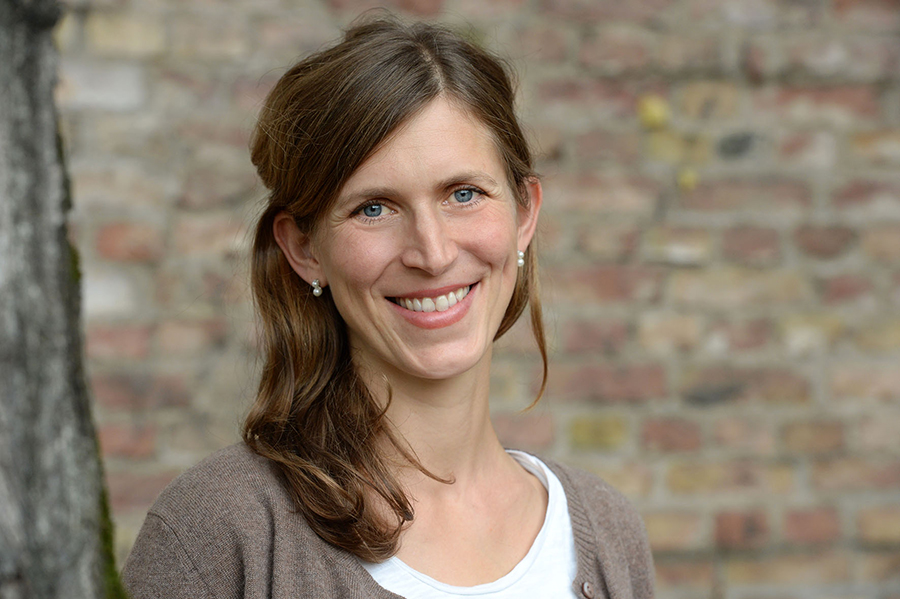
Prof. Dr. Lena Hipp is analyzing the impact of the COVID-19 pandemic on work and family life at the Berlin Social Science Center (WZB). (Photo: David Ausserhofer)


What are the consequences of this trend?

Economic dependence on one’s partner is increasing. Traditional gender roles are reinforcing themselves once again. Compared to fathers, mothers’ life satisfaction has dropped significantly since the start of the crisis.


So is gender equality slipping further out of reach?

The results of our study suggest so. Unequal representation of women and men in leadership positions, unequal pay in so-called “women’s” and “men’s” occupations—even for the same work and qualifications—these disparities existed even before the crisis. Now, however, they could widen even further.


What can be done about this?

Men and women must be able to share household and family responsibilities more equitably. This requires appropriate support measures. In addition, systemically important professions—in which women are also the majority—must be better compensated. Special support programs are also needed to ensure that women have equal opportunities to attain leadership positions.


Click here for the survey results from the Berlin Social Science Center

Coronavirus Crisis
Landkarte mitmarkern für Geschäftsstellen
IG Metall on Site
Advice, Service, Assistance

Any questions? Contact your local IG Metall office for more information.

Ein lachender Mann mit IG Metall-Kappe in einer Menschenmenge.
IG Metall App
News straight to your smartphone

News on current topics, guides, pay scale tables, and more—download the IG Metall app for Android or iOS!

Subscribe to the newsletter