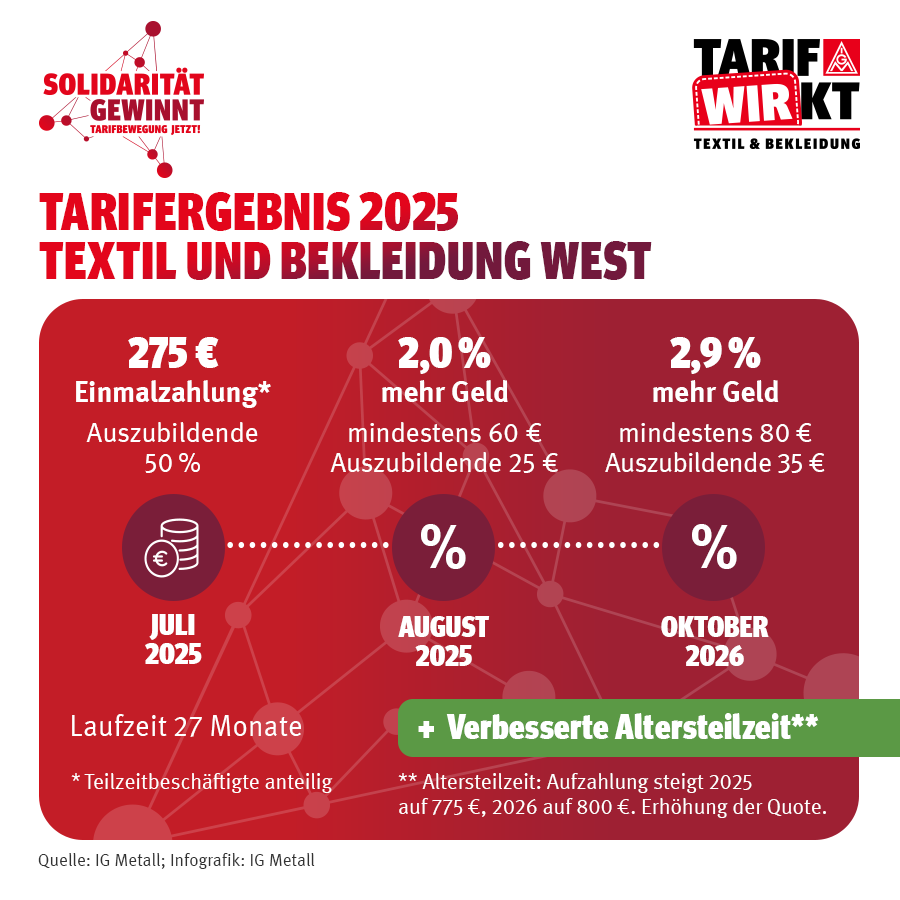
This summer, workers in the western textile and apparel industry will have more money in their wallets: In July, employees will receive a one-time payment of 275 euros, followed in August by a permanent wage increase of 2 percent, with a minimum of 60 euros. Apprentices will receive a one-time payment of 137.50 euros in July and a permanent increase in their apprenticeship wages of 25 euros in August.
These are the first stages of the 2025 collective bargaining agreement. The second part of the pay increase will follow next year.
The continuation and improvement of the partial retirement program, as demanded by IG Metall, is also part of the agreement. “In a time of economic and political uncertainty, we have succeeded in putting together a comprehensive package for employees that provides relief on several levels,” said IG Metall negotiator Miriam Bürger following the negotiations in Eitorf (North Rhine-Westphalia).
Substantial Increase for Lower Pay Grades
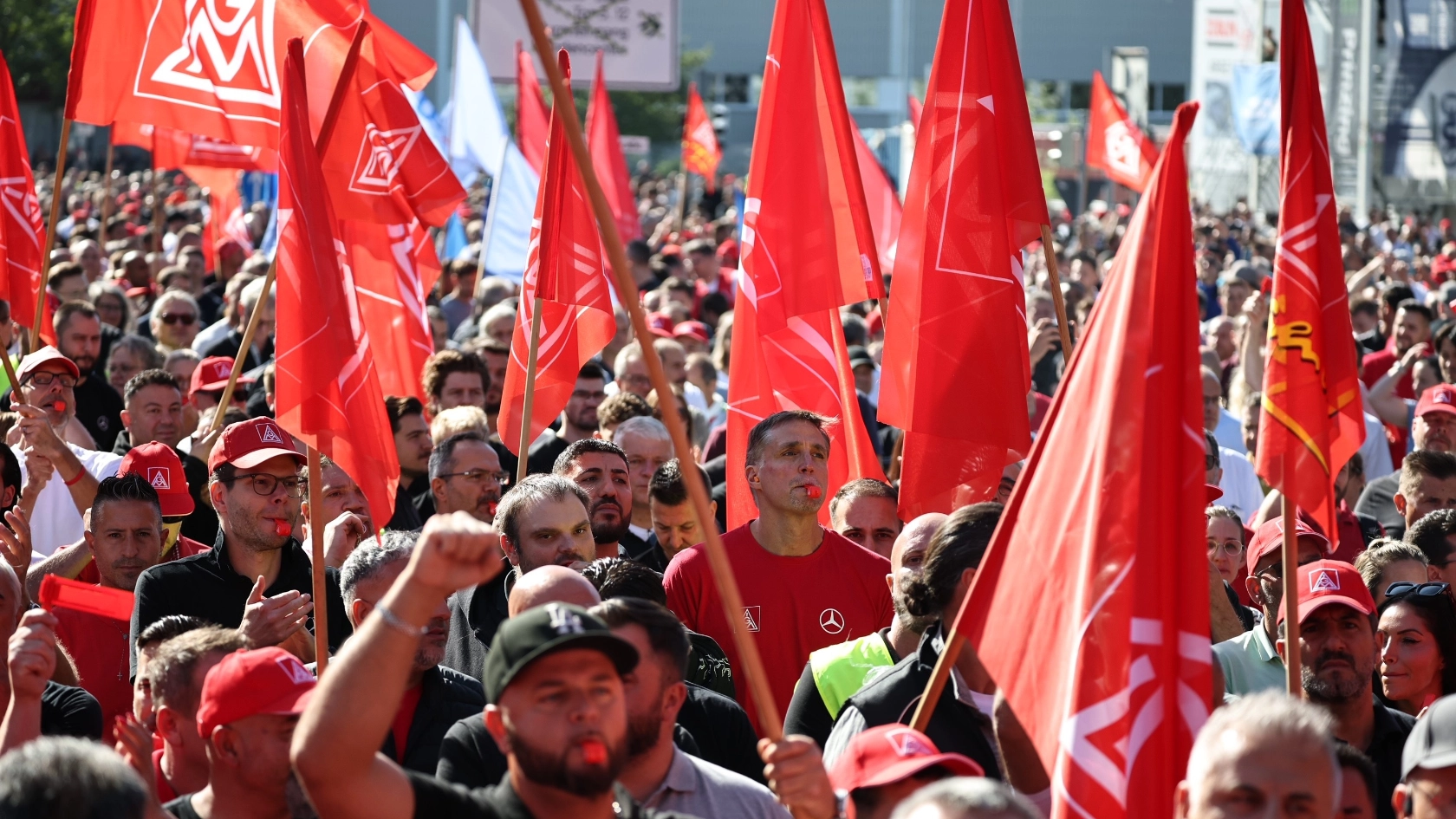
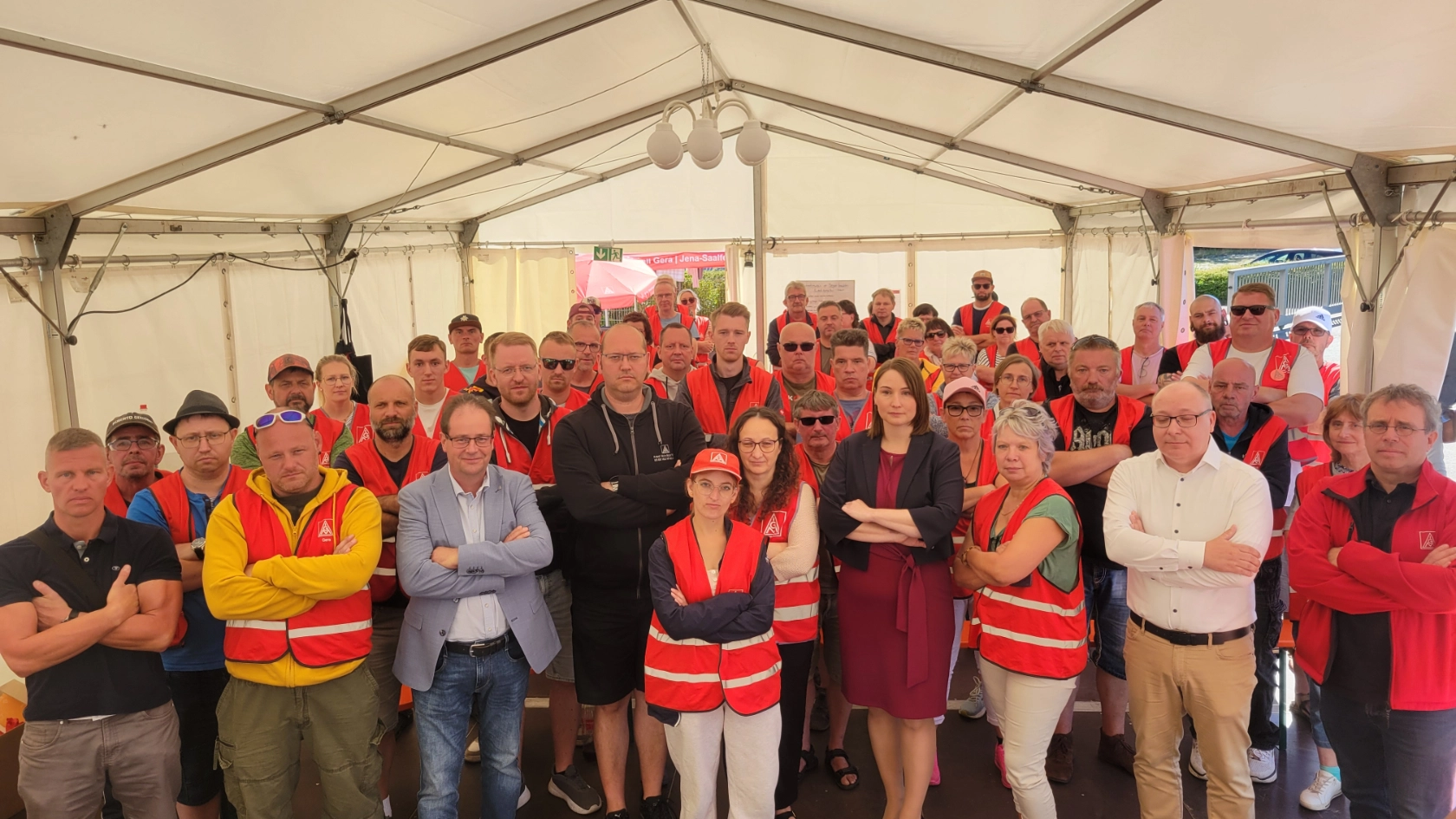
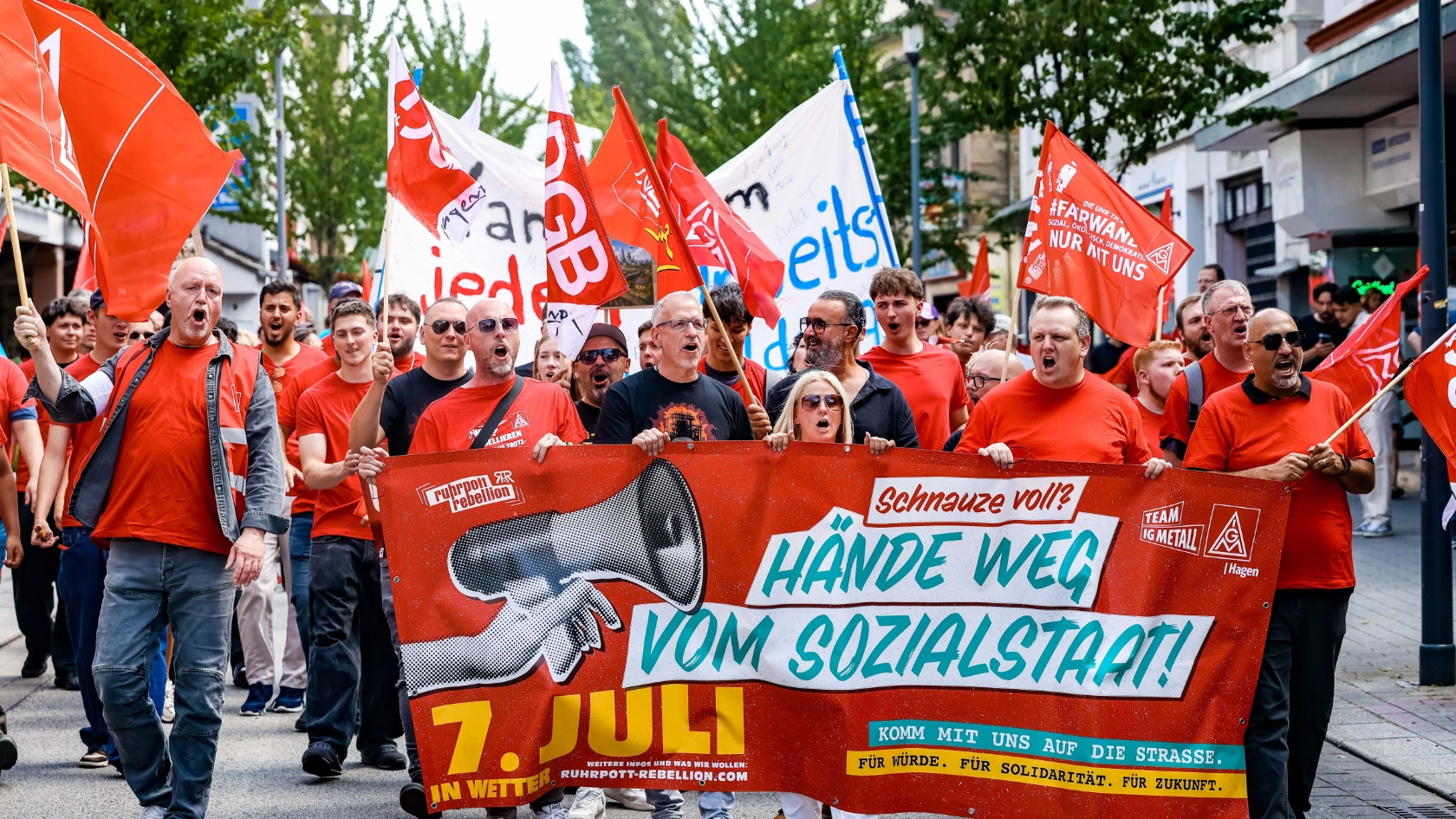
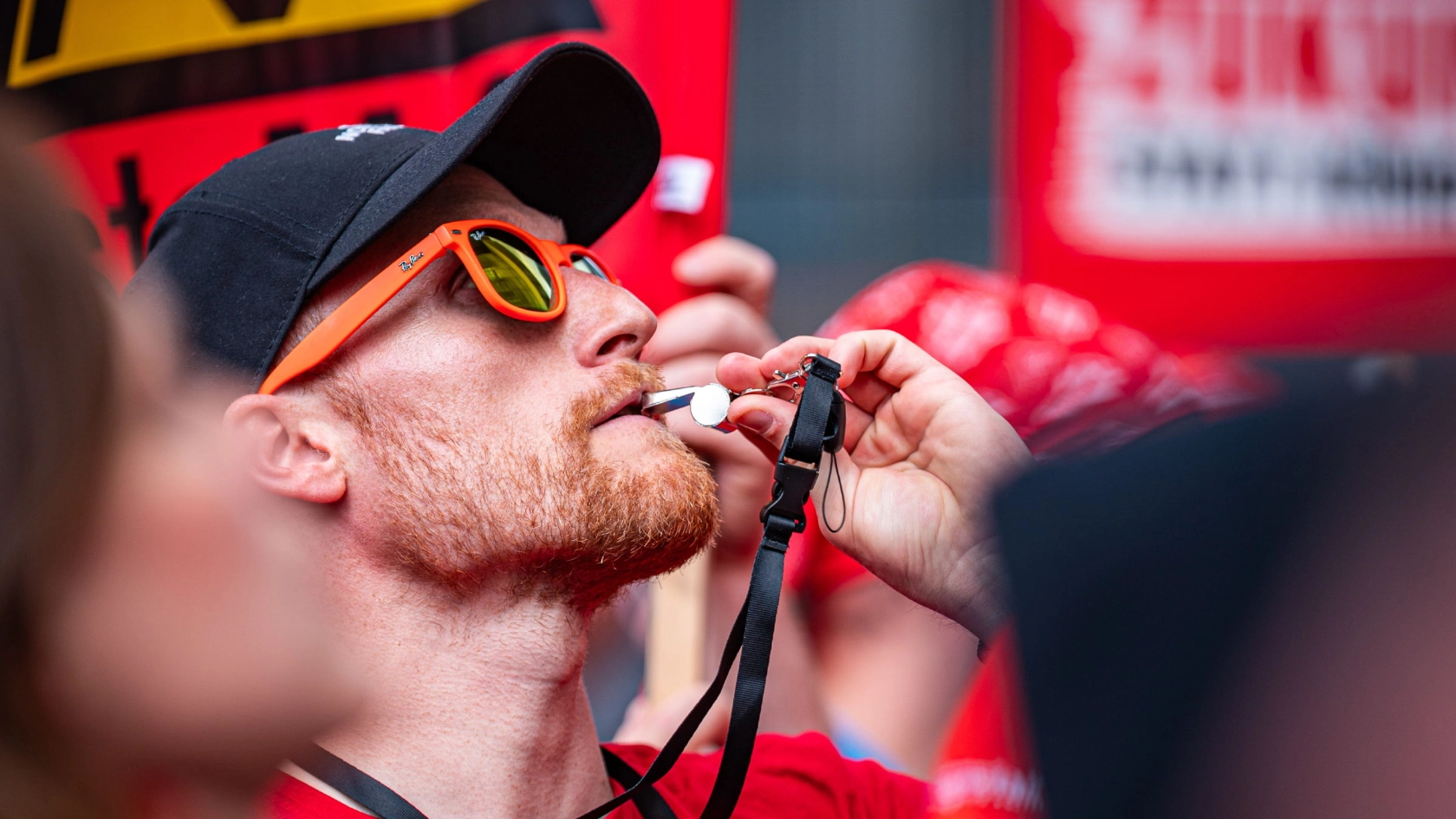
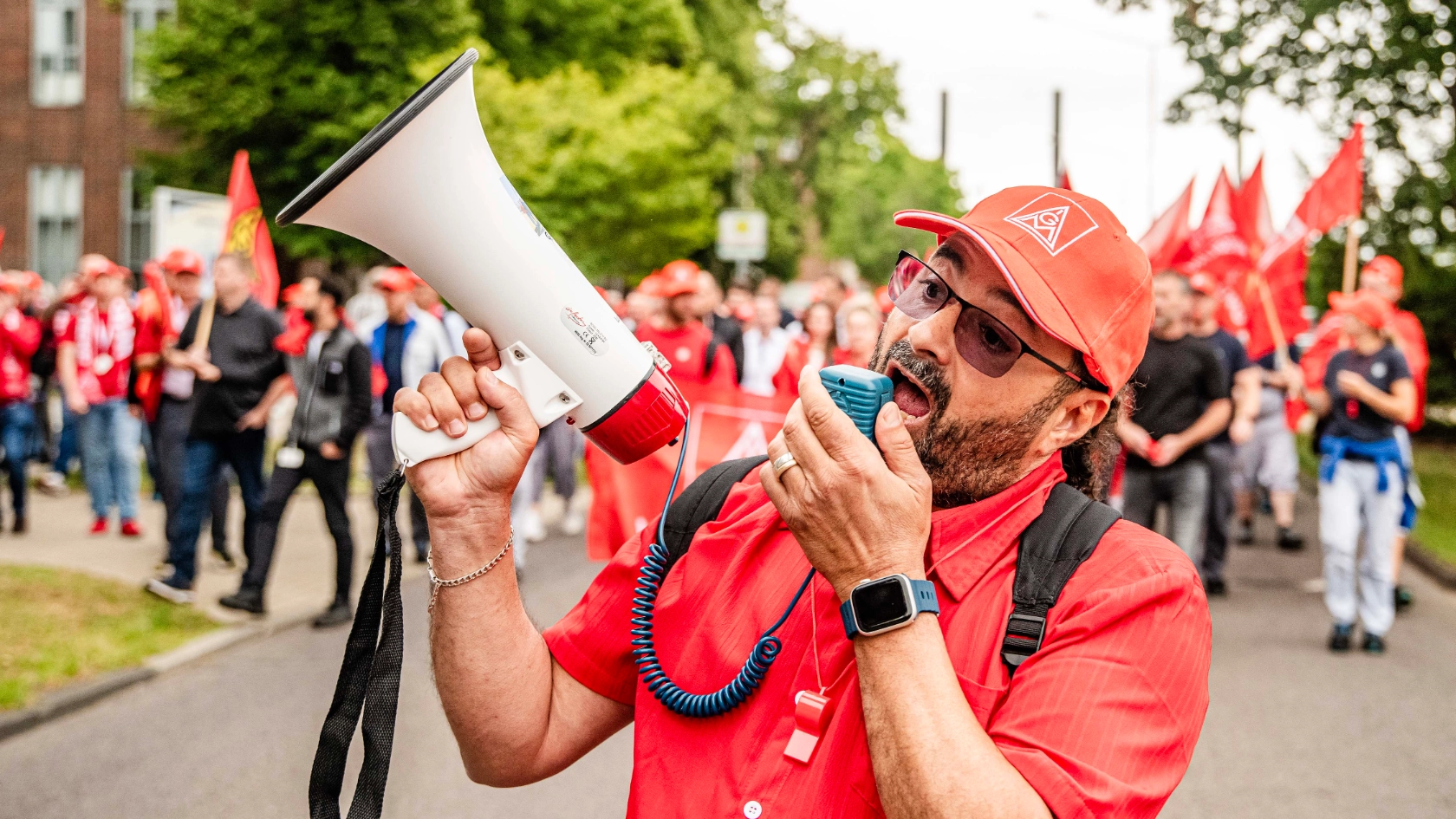
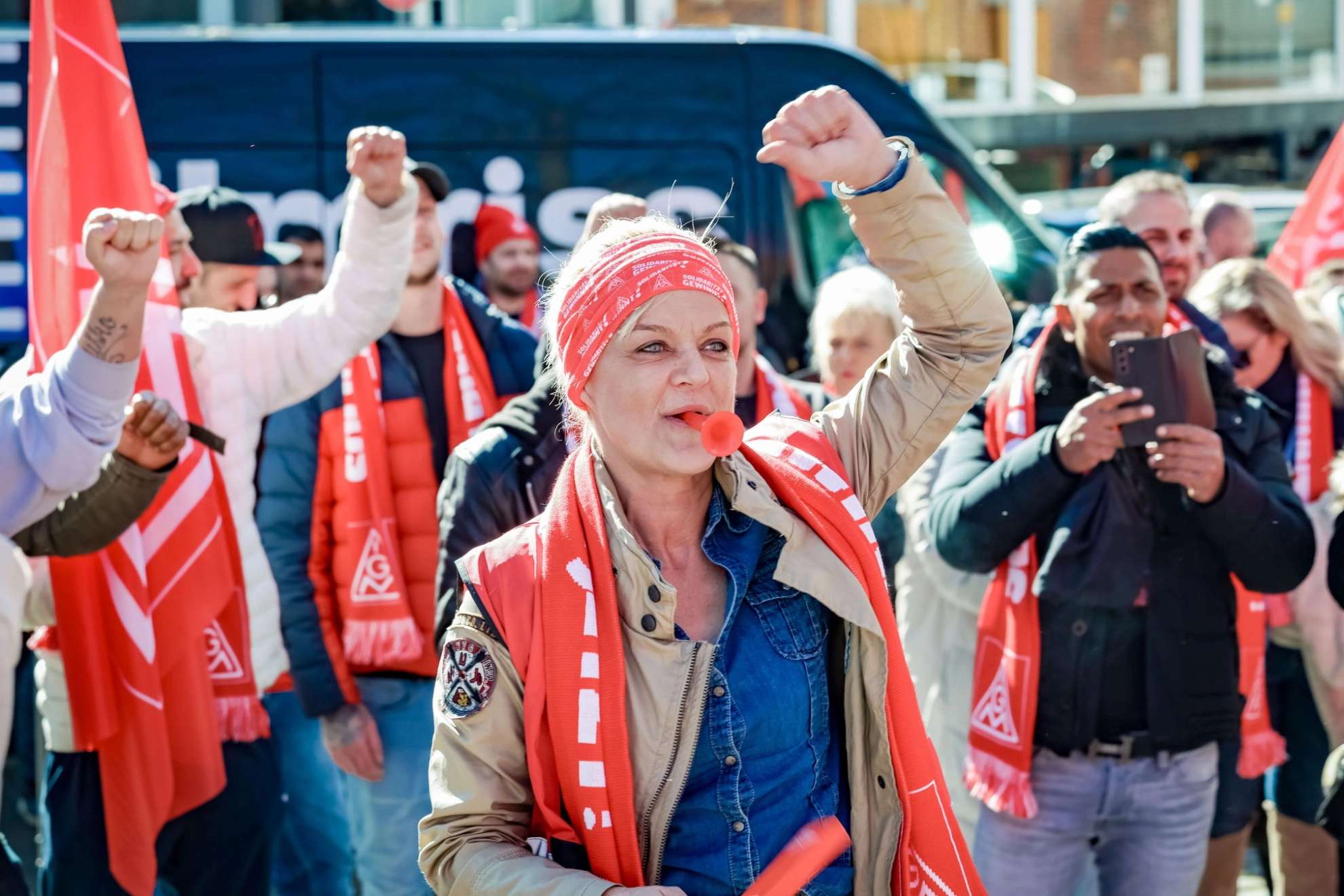
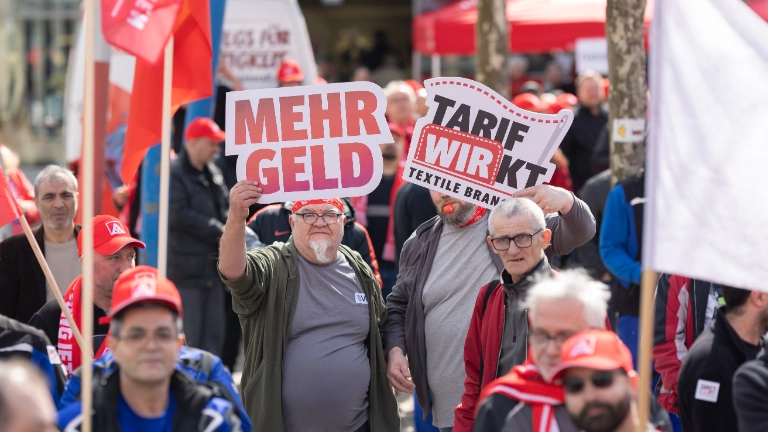
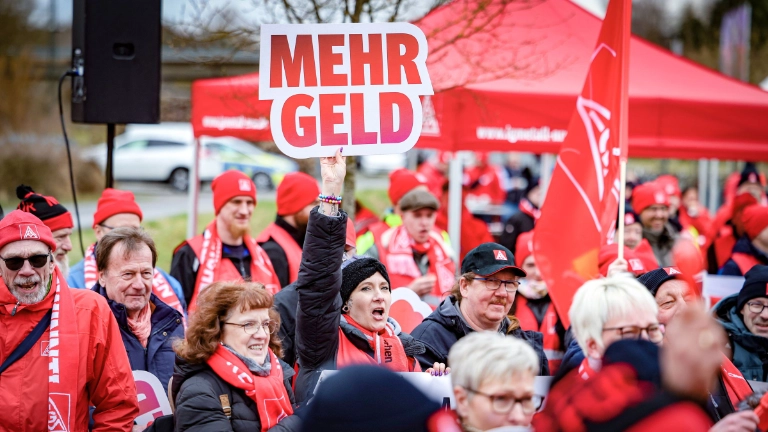
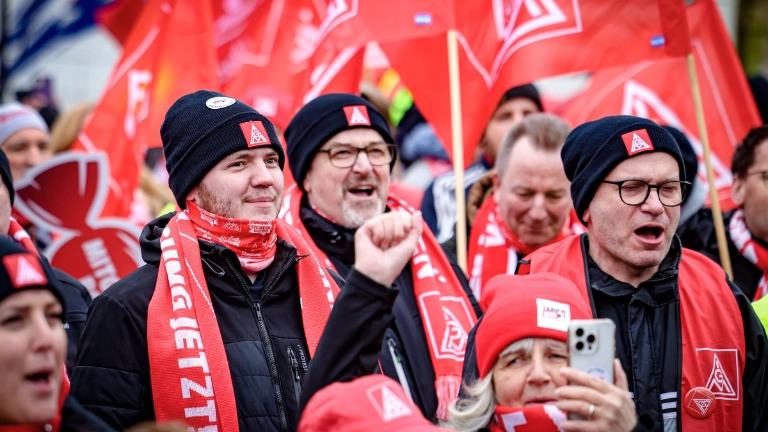
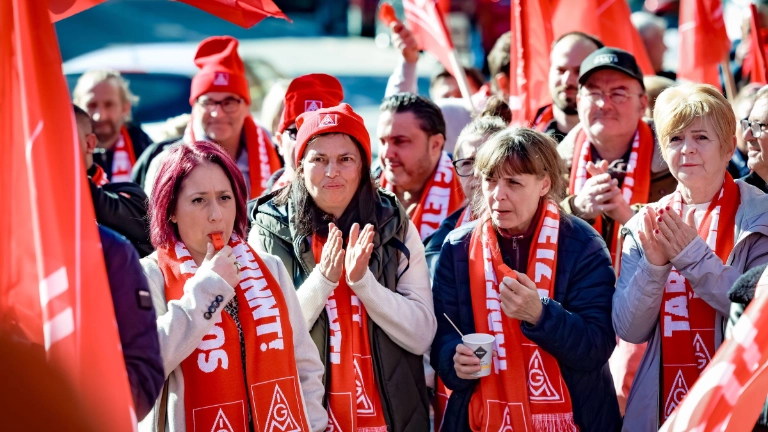
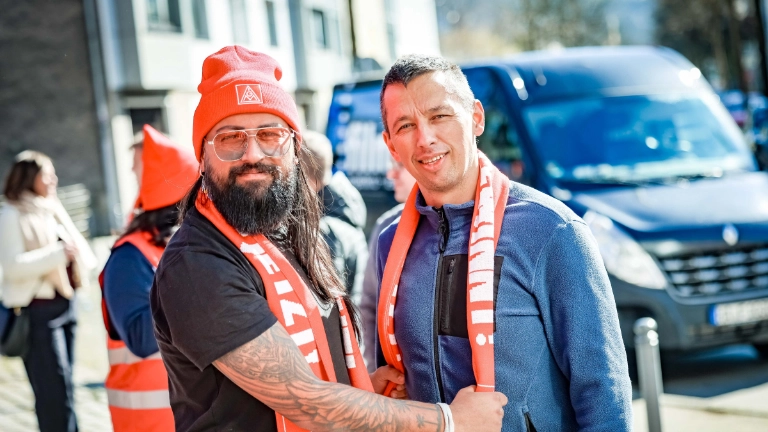
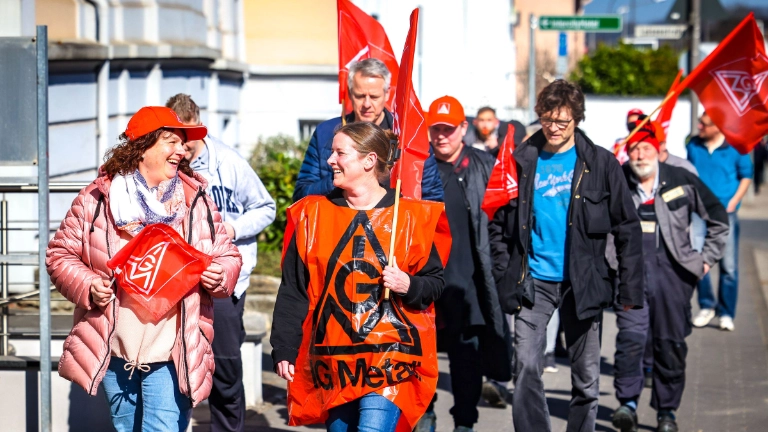
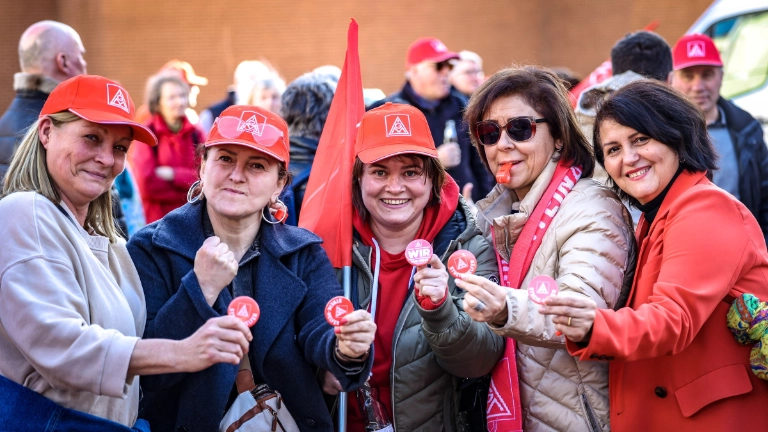
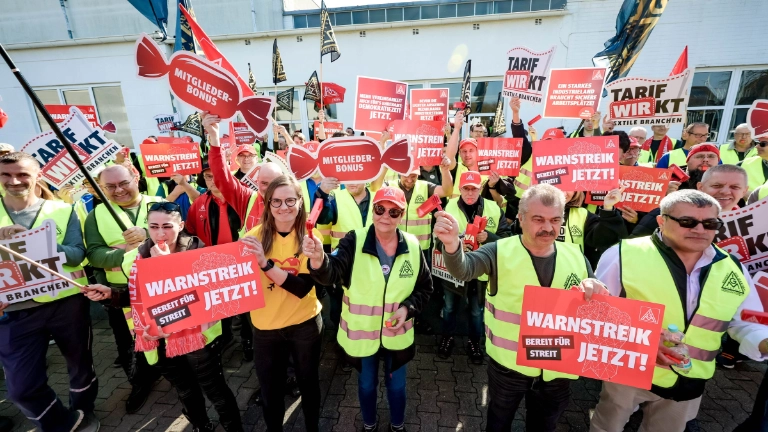
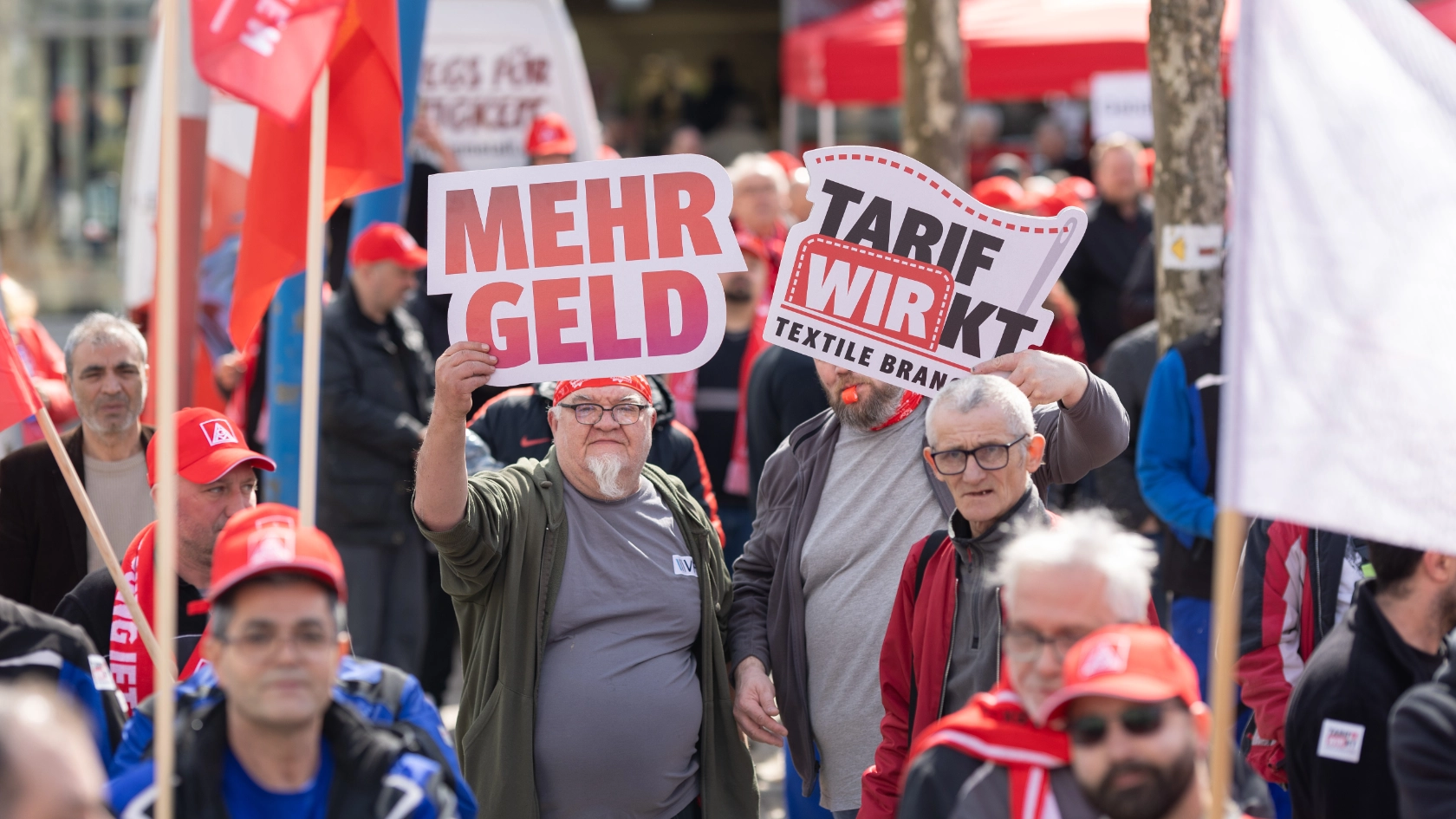
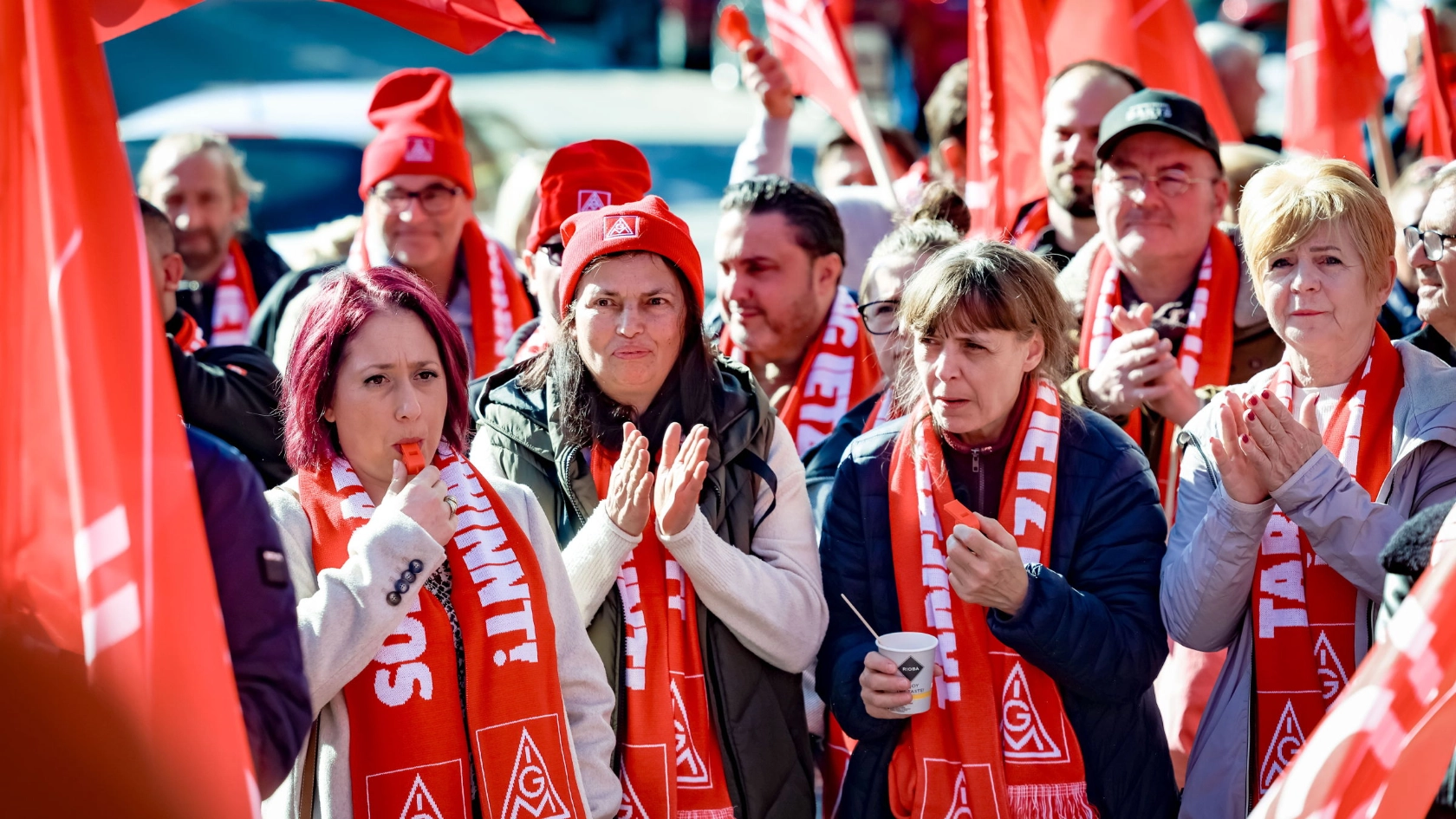
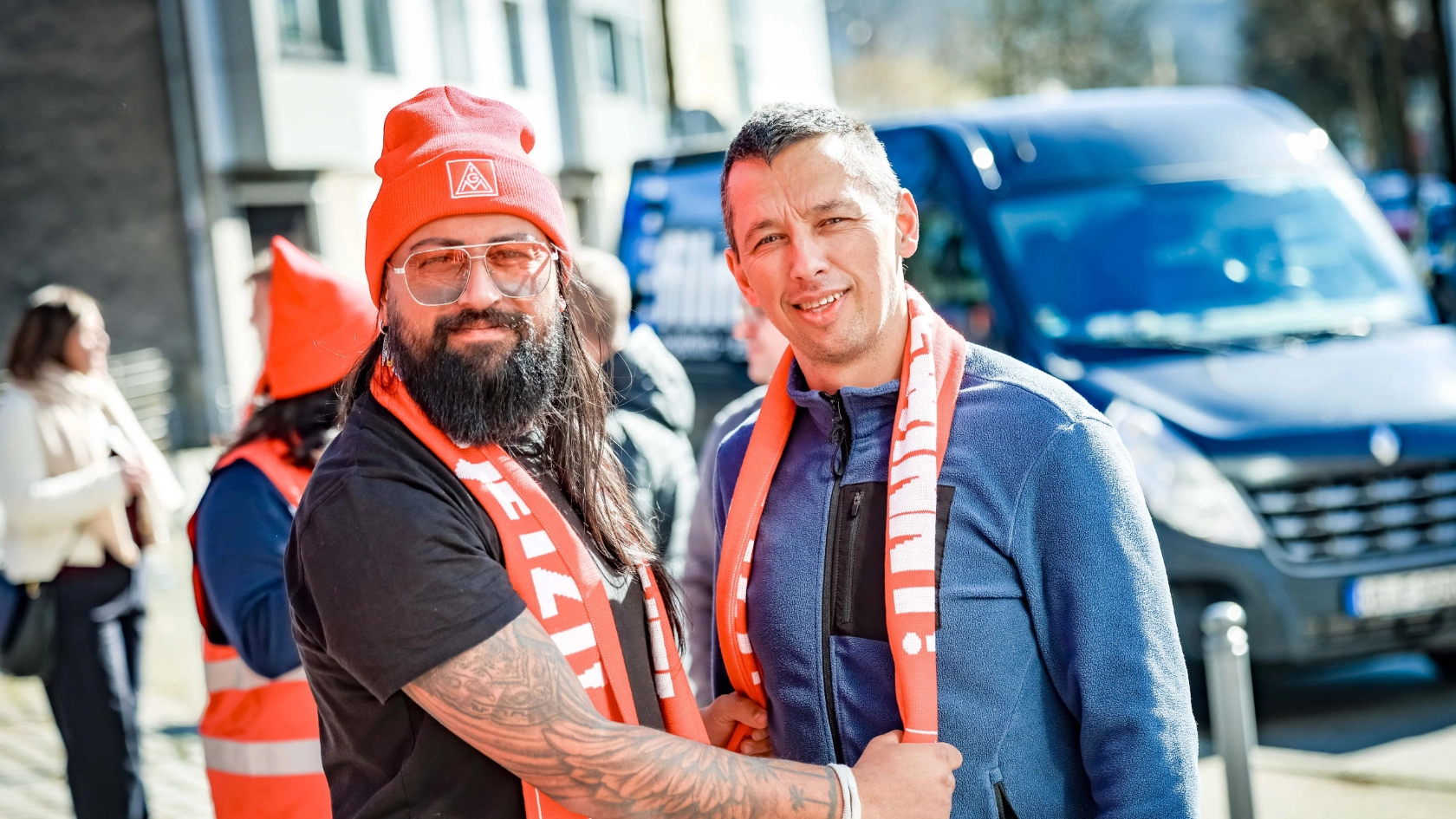
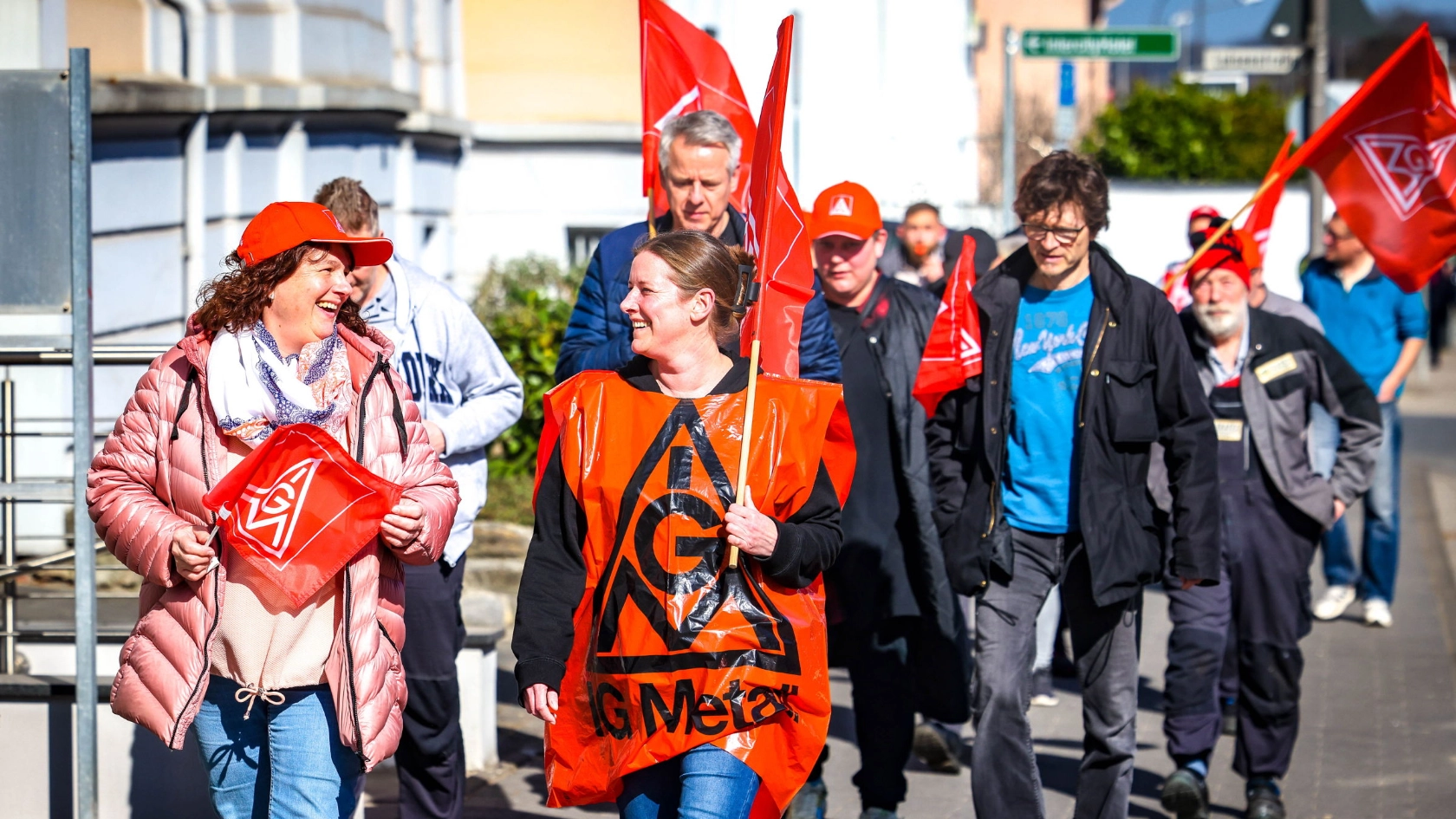
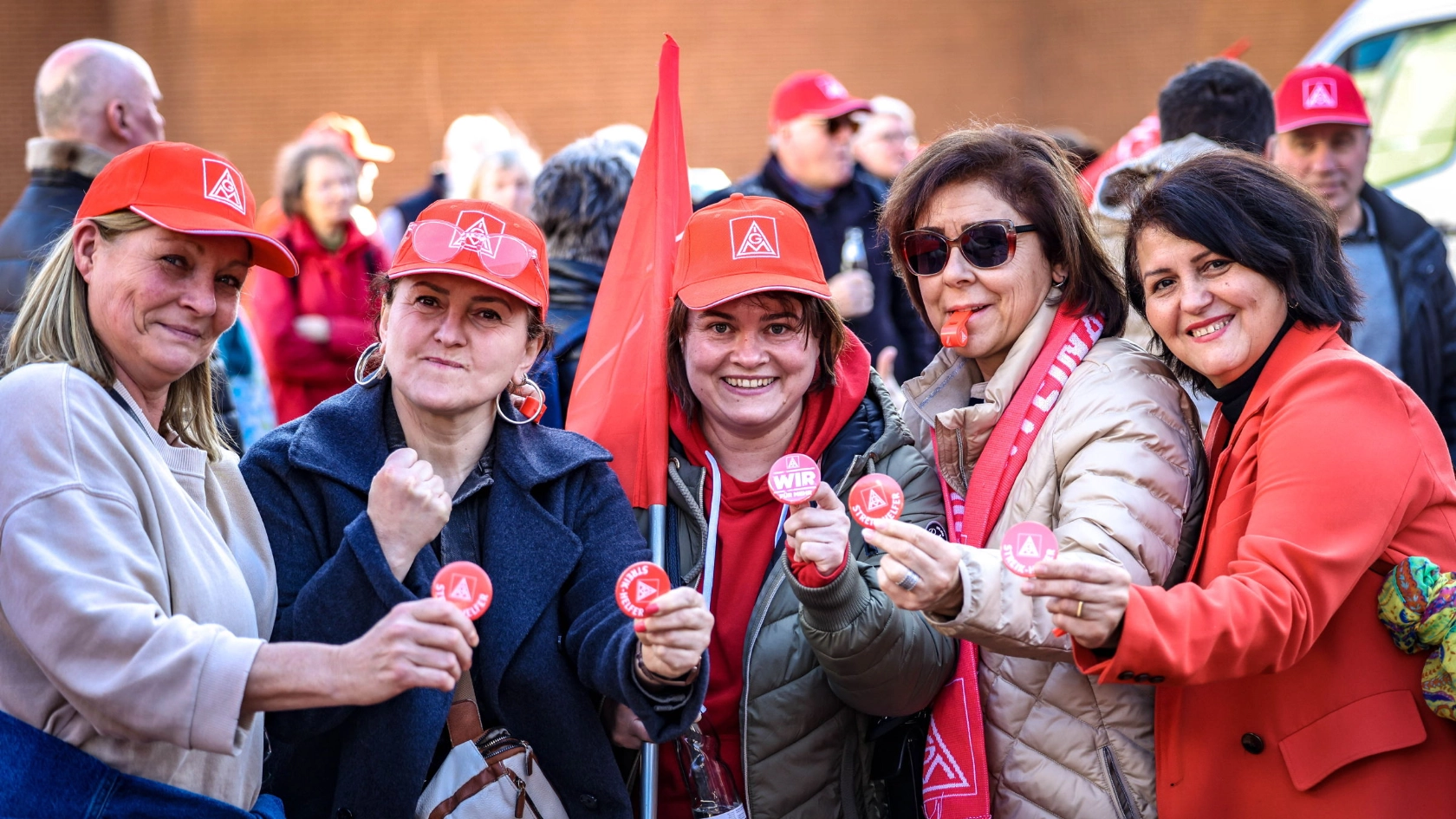
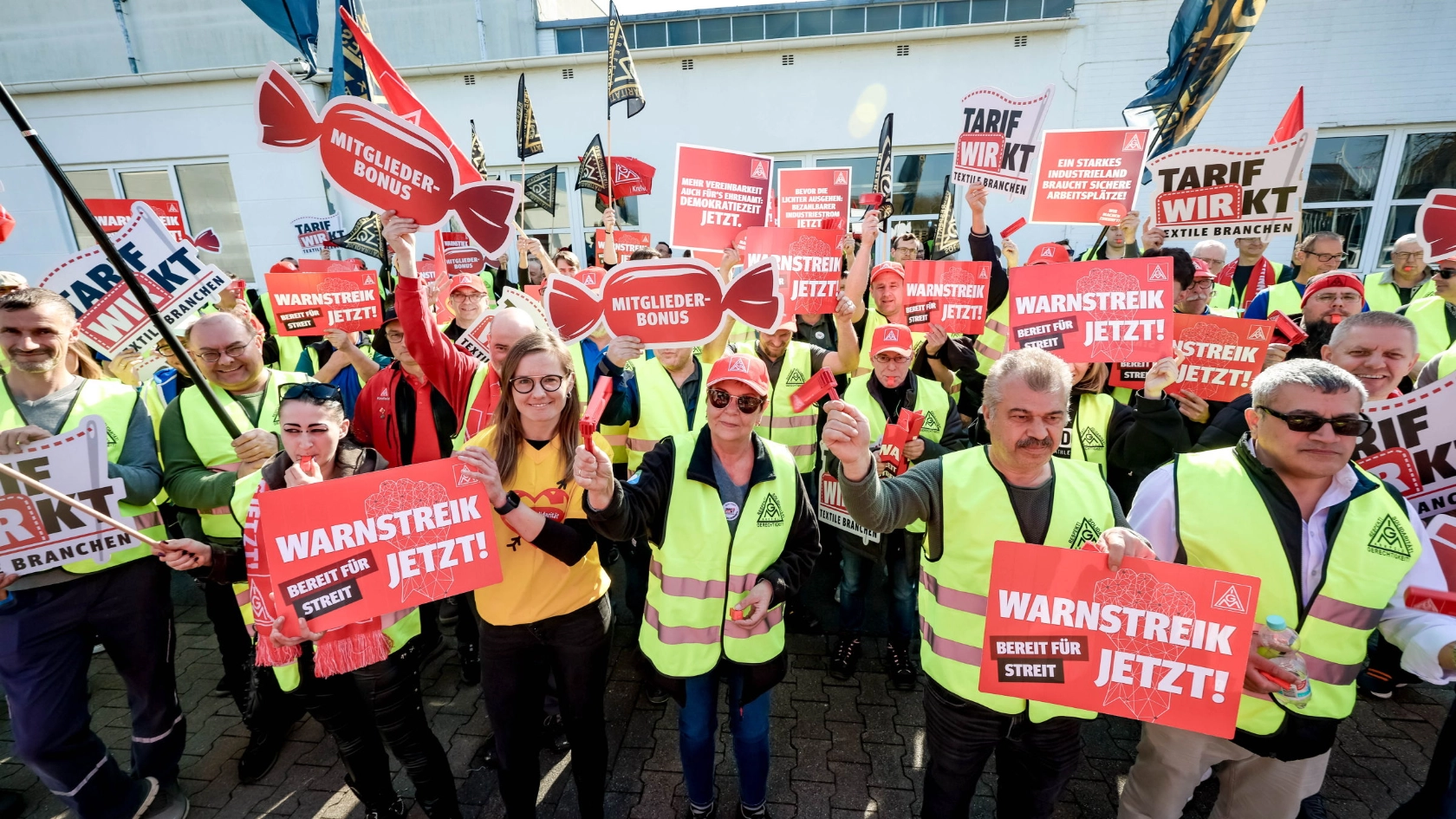
22,000 textile workers applied pressure during the 2025 collective bargaining campaign through warning strikes and other actions. Thanks to their commitment, a breakthrough was achieved in mid-April in the collective bargaining negotiations for the West German textile and apparel industry.
The second phase of the pay increase will follow in October 2026: an additional 2.9 percent, with a minimum of 80 euros. Apprentices will receive a permanent increase of 35 euros in their training allowances. The agreement is valid for 27 months.
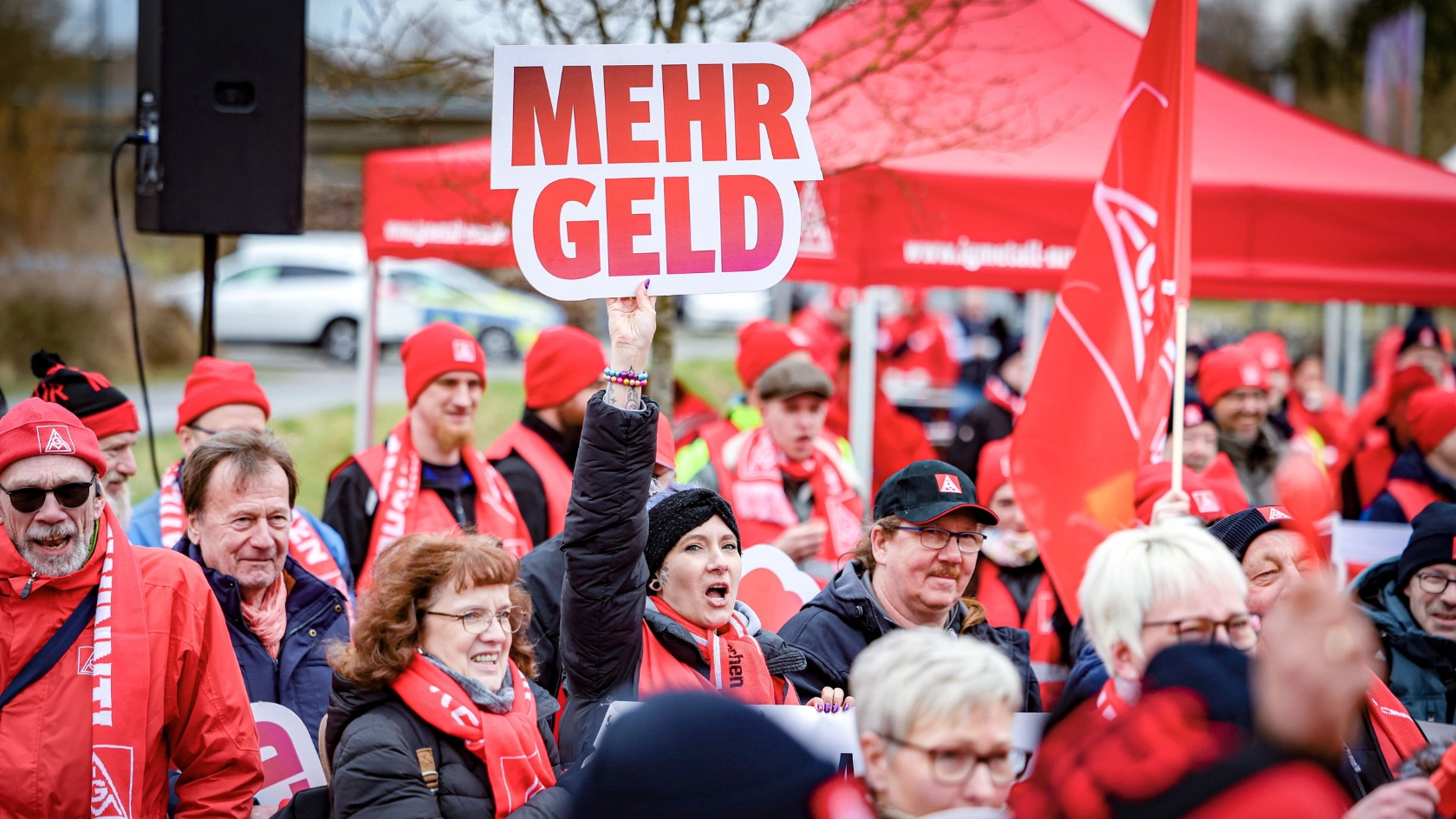
“More money is the necessary response to rising prices. The collective bargaining agreement provides relief for workers’ wallets,” said Bürger. The minimum increases of 60 euros in August 2025 and 80 euros in October 2026 represent a disproportionately large increase in salaries and wages, particularly for lower pay grades. For half of IG Metall’s members, this means a total pay increase of 5.1 percent.
Companies facing difficulties can adjust the one-time payment and the pay scale increases in consultation with IG Metall. Job security was agreed upon as a condition for such adjustments.
Improvements to the partial retirement program
The collective bargaining-covered partial retirement program is being extended and improved: The employer’s supplement to the partial retirement pay will increase from 750 to 775 euros per month in 2025 and to 800 euros per month in 2026. With an increased eligibility rate, more older employees can now retire early.
In addition, the bargaining parties have committed to continuing discussions on potential member benefit programs during the term of the collective bargaining agreement.
Warning strikes brought about a turnaround
The employers had made virtually no concessions in the weeks leading up to the fourth round of negotiations. In the second round, they presented an inadequate offer, which they improved only marginally in the third round. The employees responded to the employers’ minimal concessions with two intense waves of warning strikes, thereby increasing the pressure.
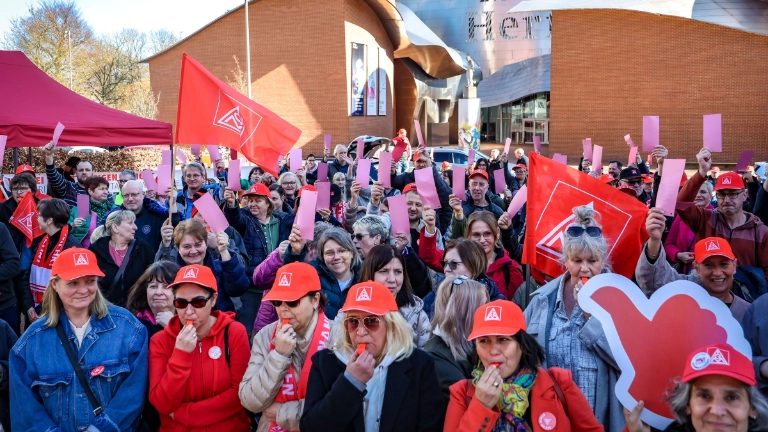
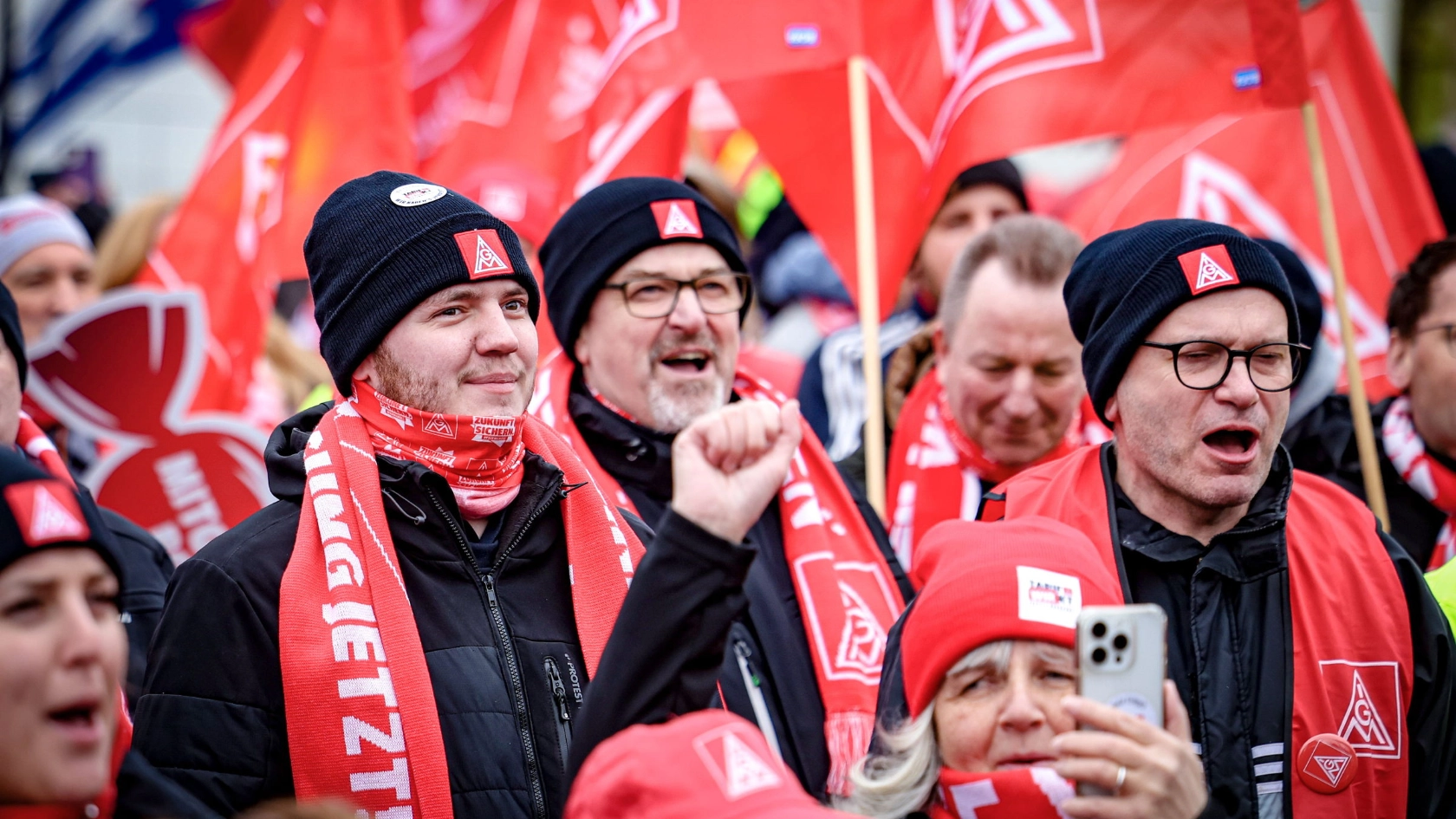
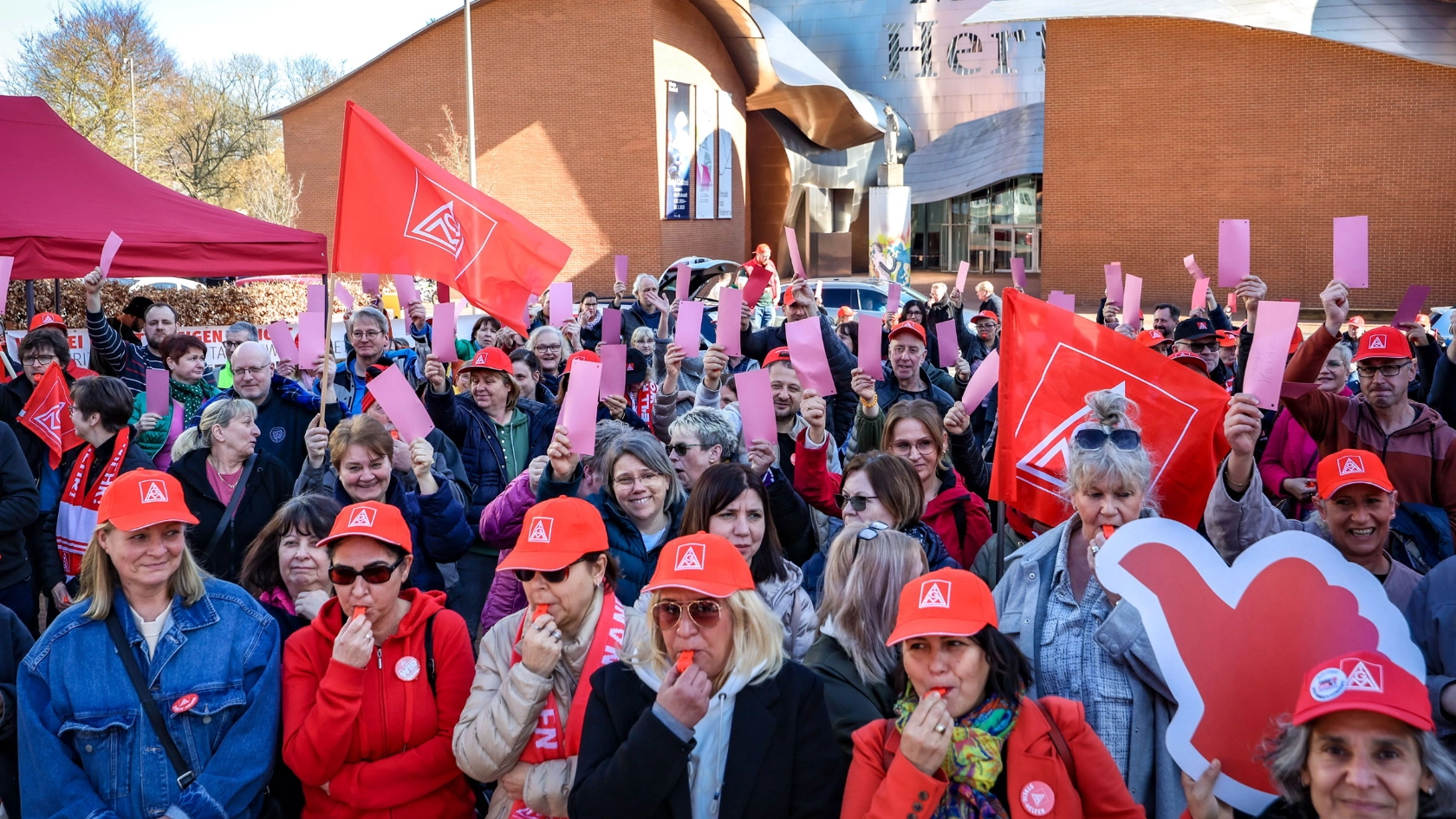
One day before the fourth round of negotiations, more than 800 employees rallied behind the negotiating committee during a day of action in Heidenheim—with success. “22,000 colleagues have sent a clear message in recent weeks. The employers have seen that we mean business,” Bürger affirmed. “The breakthrough in the negotiations would not have been possible without their commitment.”
Note: The textile industry in eastern Germany has its own collective bargaining agreements.
 IG Metall Locally