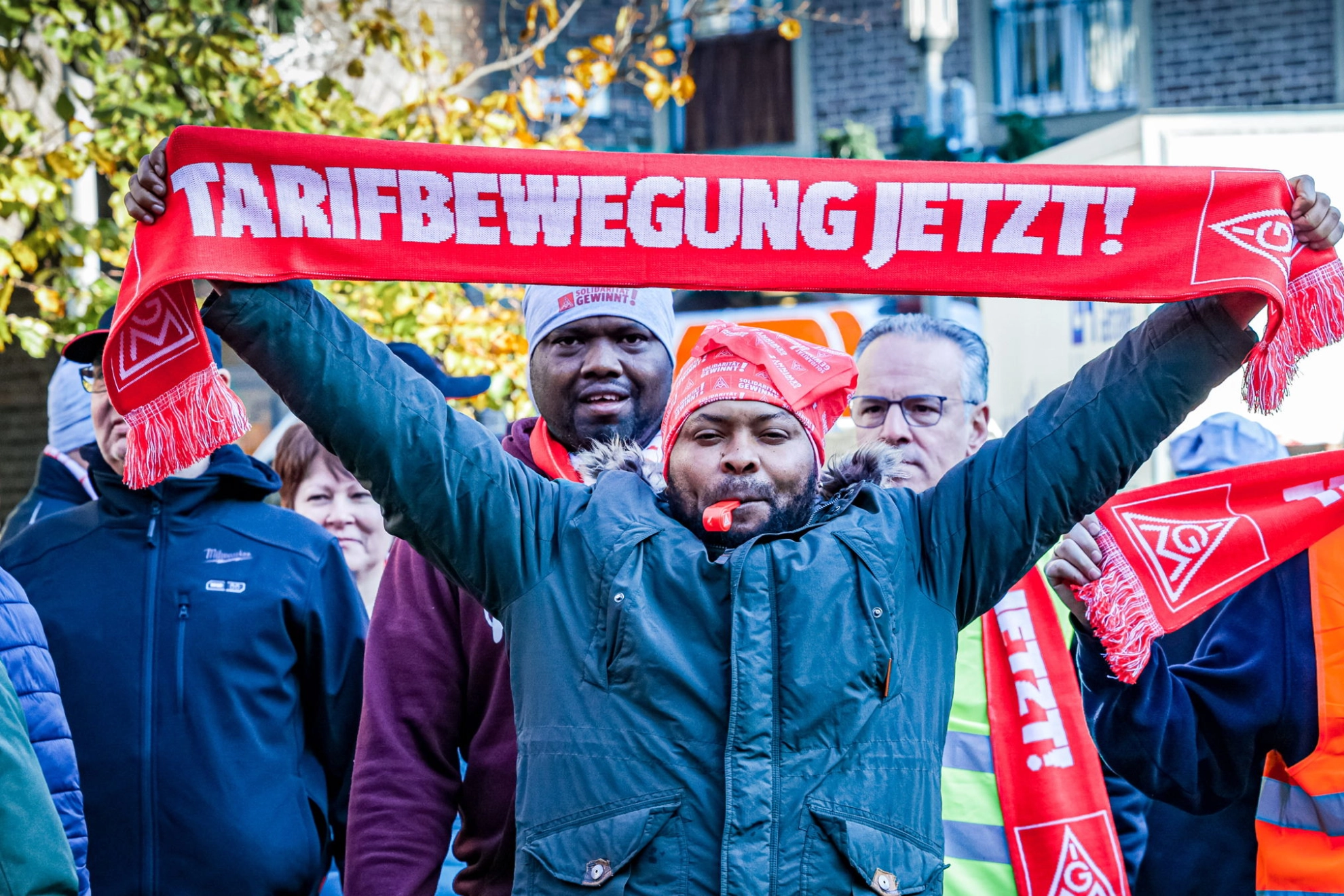
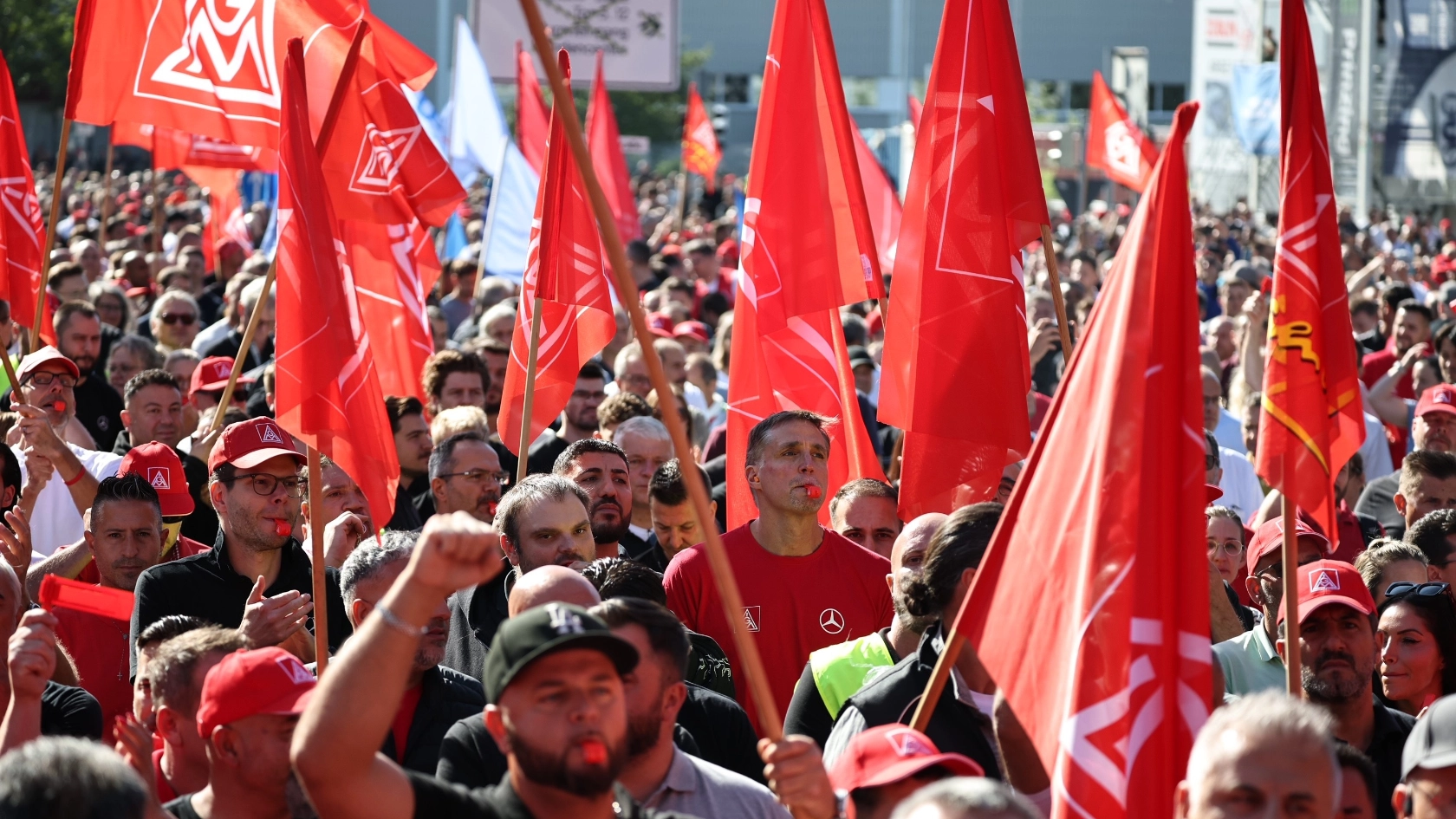
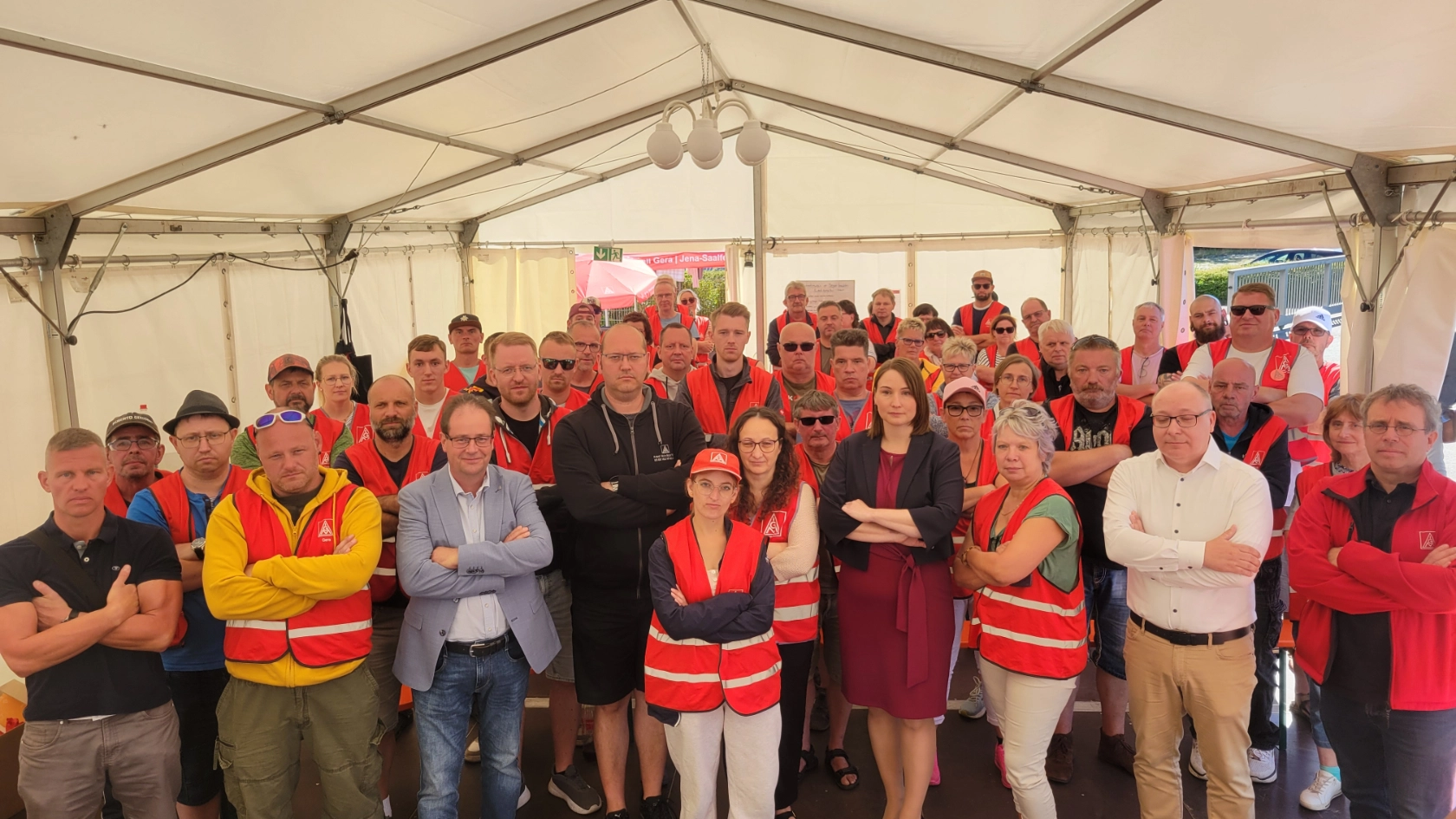
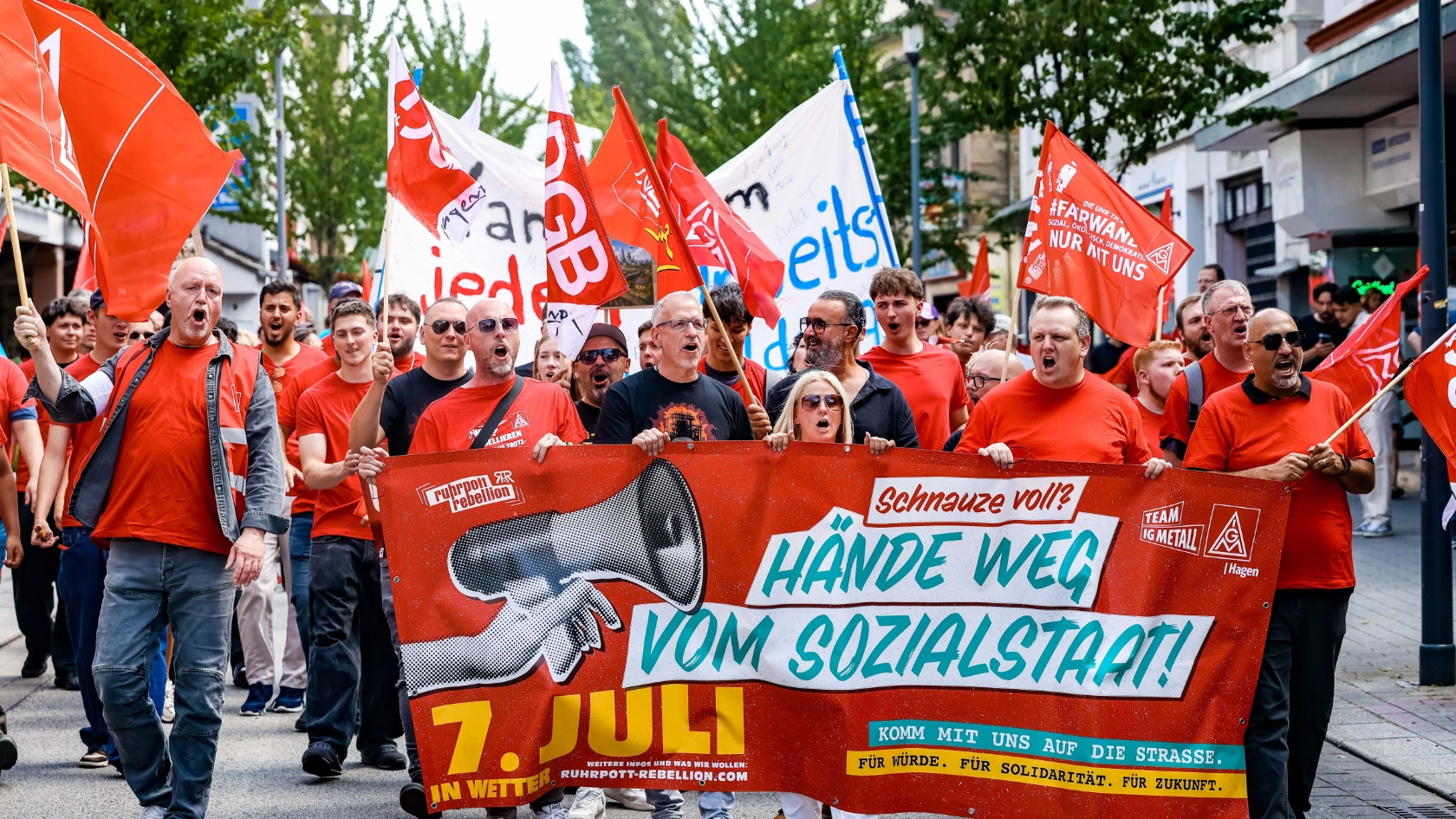
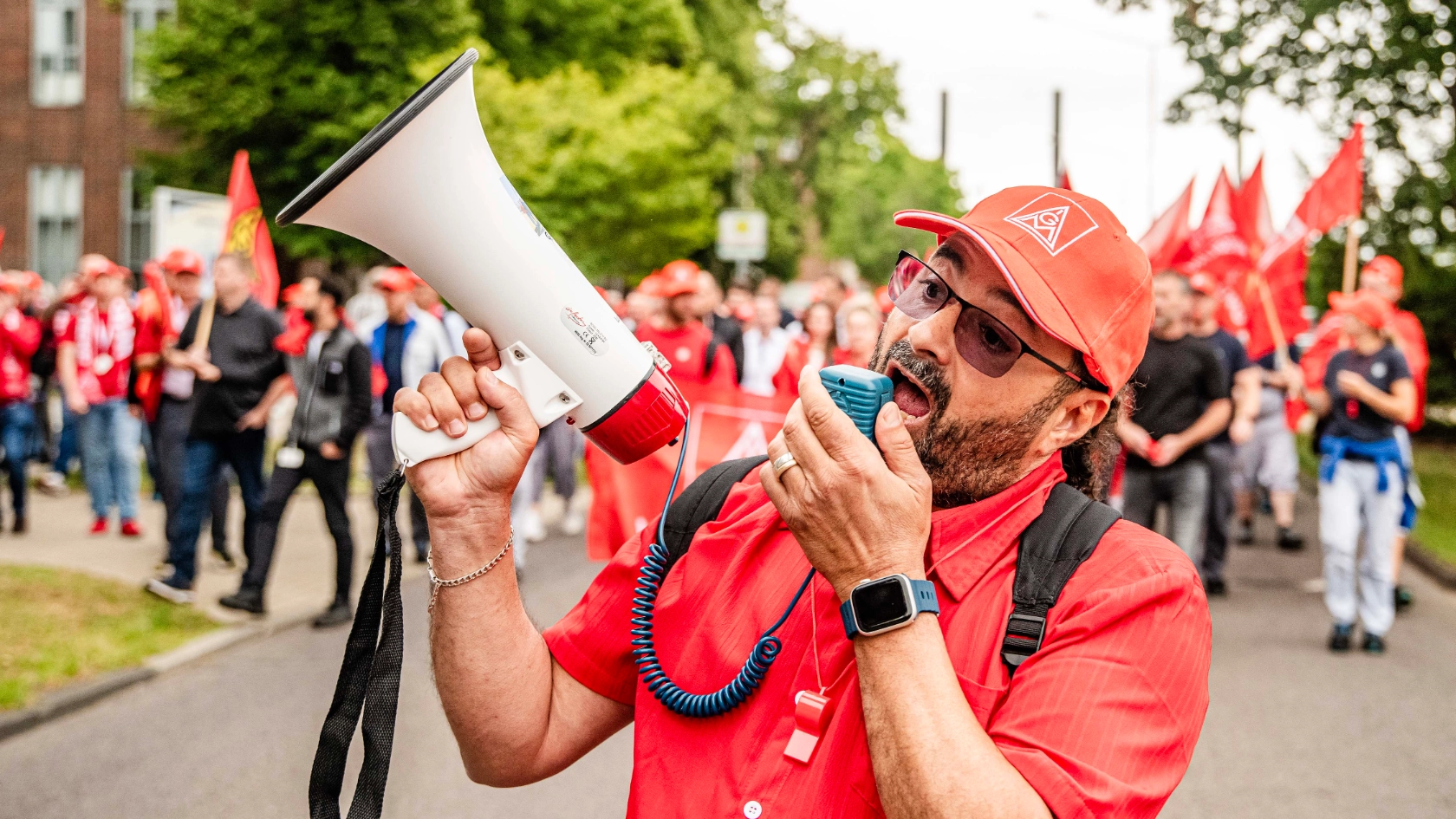
It all kicks off in September: that’s when collective bargaining negotiations in the metal and electrical industries will begin. Thebargaining committeesfor the individual bargaining regions officially launched the debate on demands yesterday. They plan to finalize their demands on June 21. On July 9, the IG Metall executive board will then make the final decision.
One thing is already clear: Above all, employees are prioritizing a permanent increase in wages. This became evident during the discussions in the bargaining committees and is also reflected in the results of an IG Metall survey in which approximately 318,000 employees participated.
In addition to the demand for higher pay, the issues of working hours and an increase in apprenticeship wages are also part of the debates.
Workers Are Struggling with Rising Costs
Following the record inflation of recent years, prices for everyday necessities remain high and are putting a strain on workers’ wallets. “Today, significantly more money must be spent on rent, utilities, and groceries than two years ago,” emphasizes Jörg Köhlinger, district director of IG Metall Mitte. “Our colleagues in the metal and electrical industries are quite rightly expecting a significant and sustainable wage increase to offset the sharp price hikes,” states Dirk Schulze, district director of IG Metall Berlin-Brandenburg-Saxony.
Boosting Purchasing Power—So the Economy Can Grow Again
The economic situation in Germany is mixed. This is also reflected in the survey of employees. In contrast, the situation at local workplaces is perceived far more positively: 80 percent of employees consider the economic situation at their workplace to be okay, and 44 percent even consider it good or very good. “Overall, employees perceive the economic situation at their workplaces much more positively than the current lamentations of the employers’ associations would suggest. There is something to be shared,” said Nadine Boguslawski, a member of the IG Metall executive board responsible for collective bargaining policy.
Horst Ott, district director of IG Metall Bavaria, also makes it clear: “Employees know very well how their company is doing. If they have to work a lot of extra shifts, the situation can’t be that bad.”
Barbara Resch, district director of IG Metall Baden-Württemberg, emphasizes that the range of varying conditions will be taken into account in the demands. “Nevertheless, one thing is clear: A pay increase that affects the pay scale is our top priority.”
This is because savings rates among workers remain high due to last year’s high inflation. Yet private consumption is the most important pillar of the German economy, even ahead of exports. “The goal now is to put our colleagues on a more solid financial footing through further stable wage increases and thereby boost purchasing power,” explains Thorsten Gröger, district director of IG Metall Lower Saxony and Saxony-Anhalt.
Remaining Attractive for the Future
Issues such as working hours and the particular financial strain faced by apprentices and dual-track students are also important to many of those surveyed. Securing a skilled workforce through attractive training conditions is fundamental to the future of these industries. Even now, the money available to dual-track students and apprentices is nowhere near enough. Many rely on second jobs just to make ends meet. “A disproportionately large increase in apprentice wages is the right path. Now, young and old must work together to make this happen,” said Daniel Friedrich, district director of IG Metall Küste.
Further Discussions in Workplaces and Locally
The discussion regarding the demands is now continuing in workplaces and at local meetings. On June 17, the IG Metall Executive Board will issue a recommendation for demands based on the debate to date. On June 21, the bargaining committees—primarily made up of works council members and shop stewards from the workplaces—will meet again to formulate their demands.