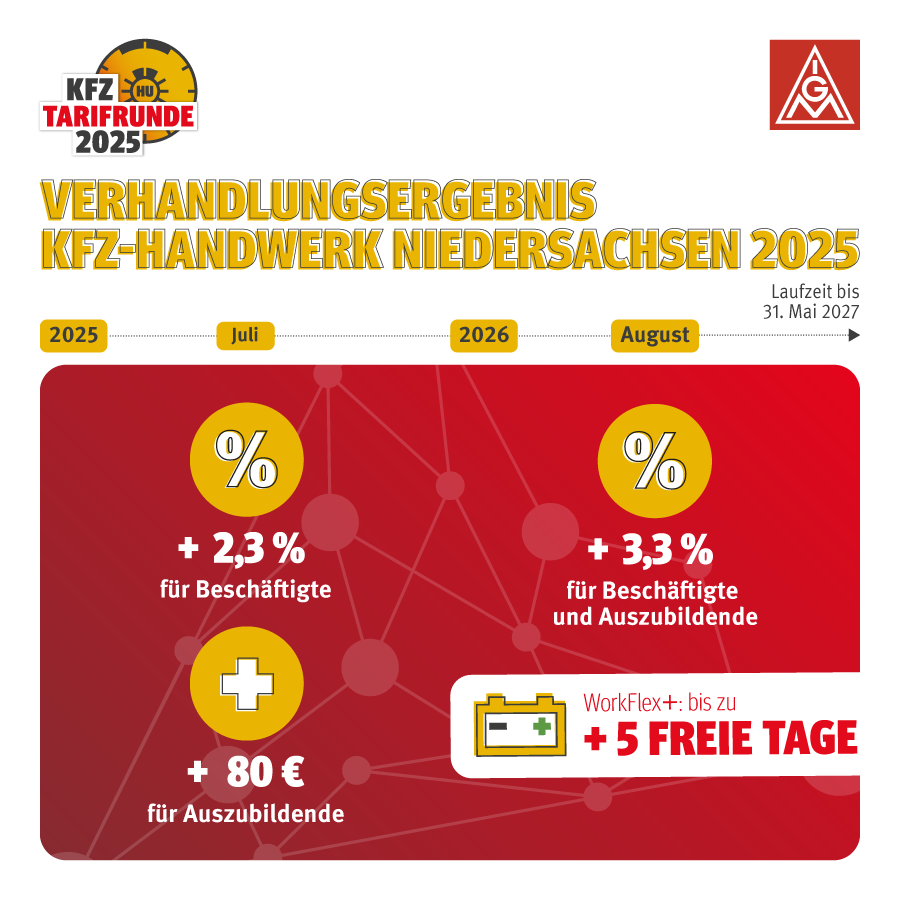
Starting in July, wages will increase by 2.3 percent, and monthly apprenticeship stipends will rise by 80 euros. Starting in August 2026, wages and apprenticeship stipends will increase by an additional 3.3 percent. The new wage agreements will remain in effect until the end of May 2027.
IG Metall has now also reached this negotiation outcome in the automotive trade sector in Bavaria. Previously, collective bargaining agreements had already been reached in Lower Saxony, Hamburg, Hesse, Schleswig-Holstein, Rhineland-Palatinate, Baden-Württemberg, Northeast Germany, Saarland, and North Rhine-Westphalia. As a result, the collective bargaining agreement now applies nationwide—except in Bremen, where different terms apply and the previous wage agreement does not expire until July 31.
You can find an overview of the collective bargaining agreements already reached here.
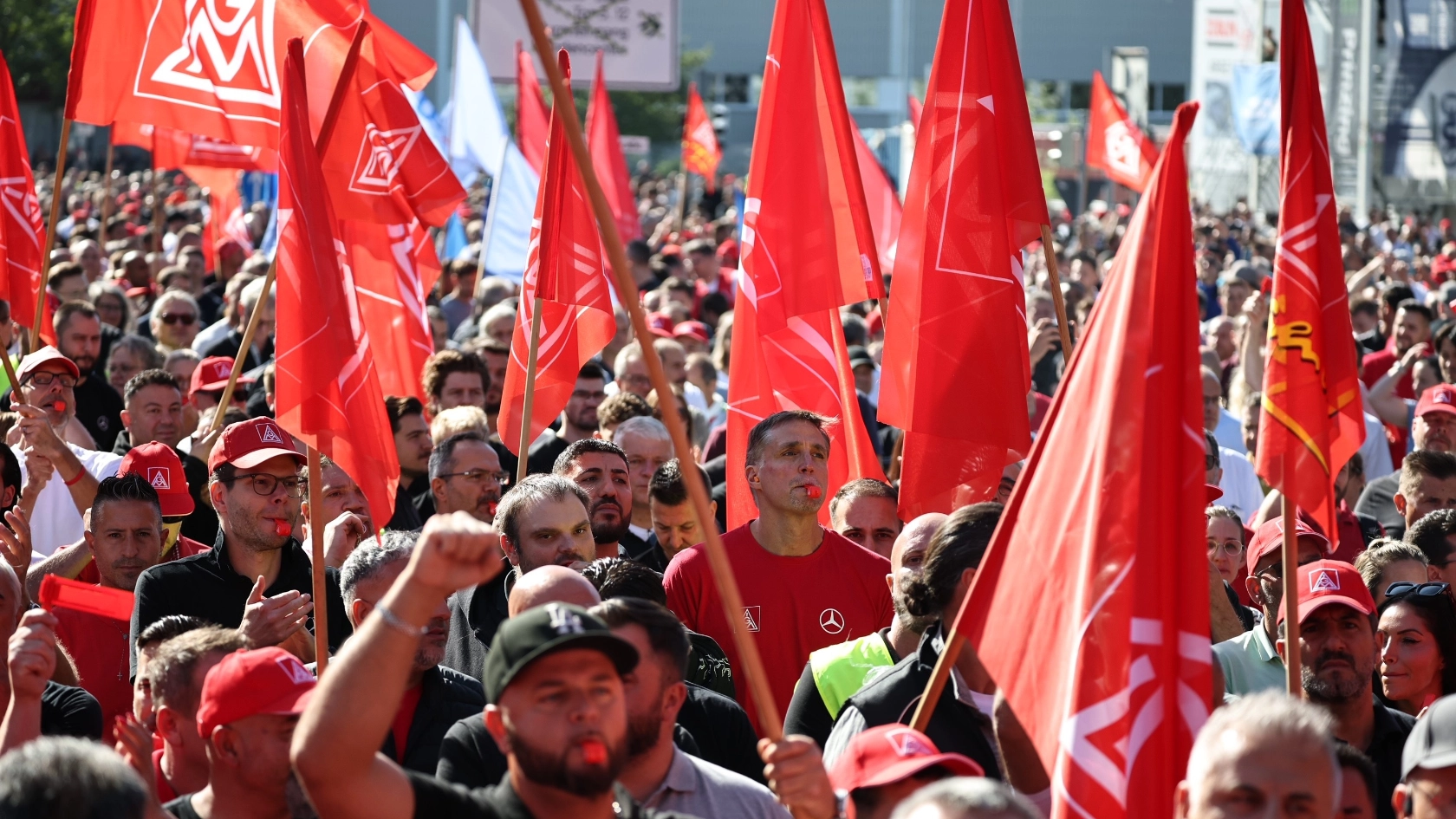
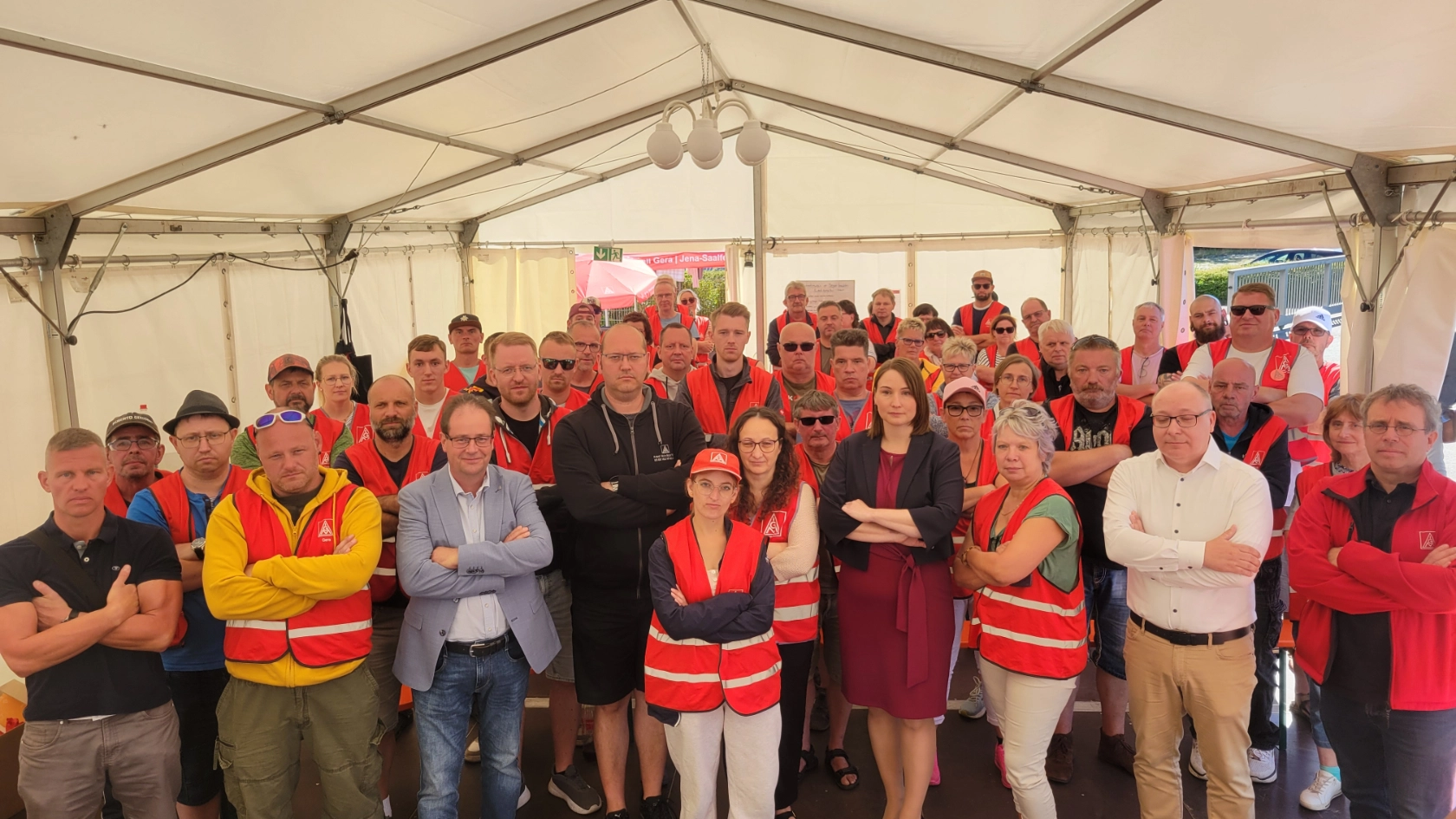
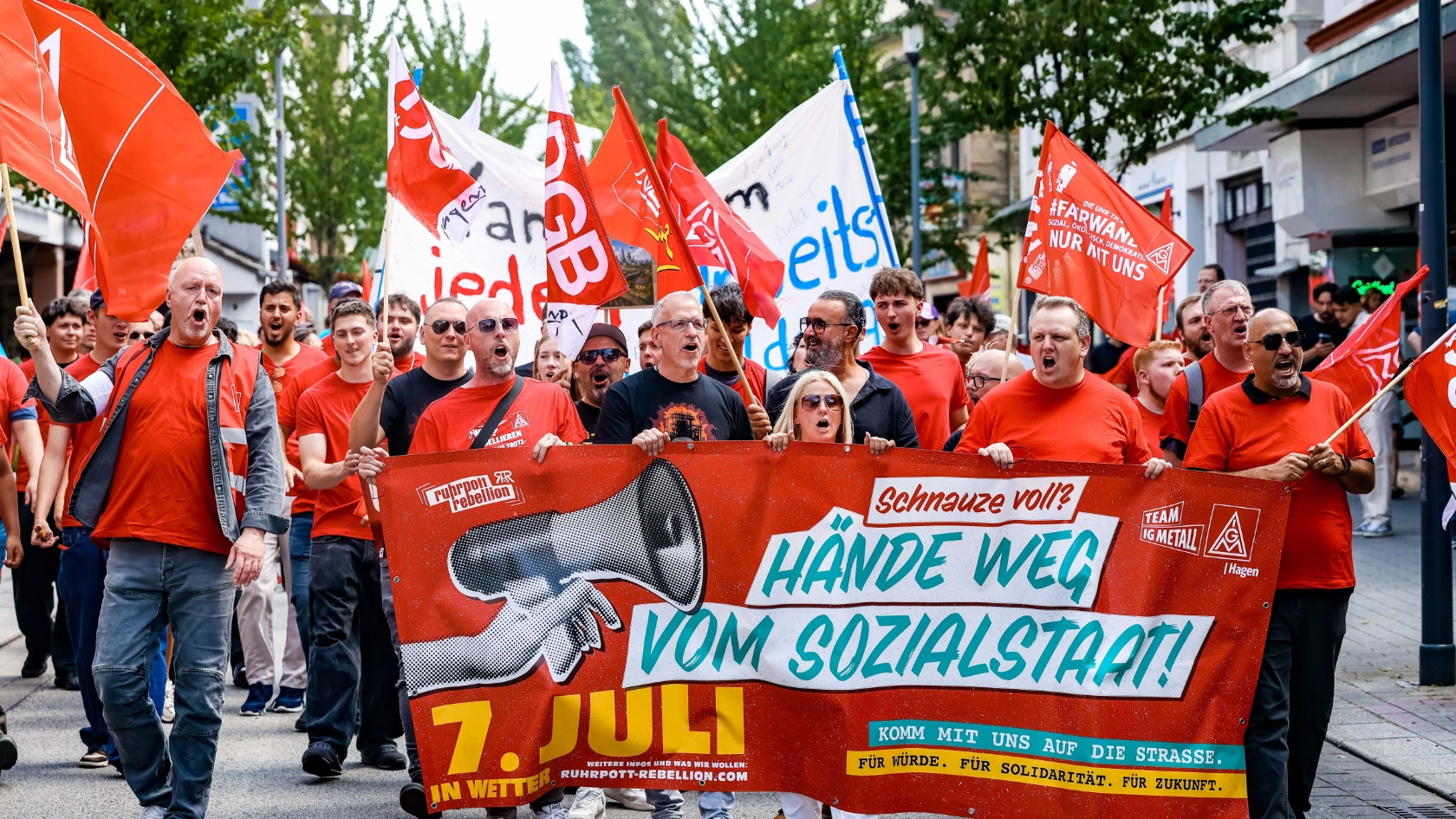
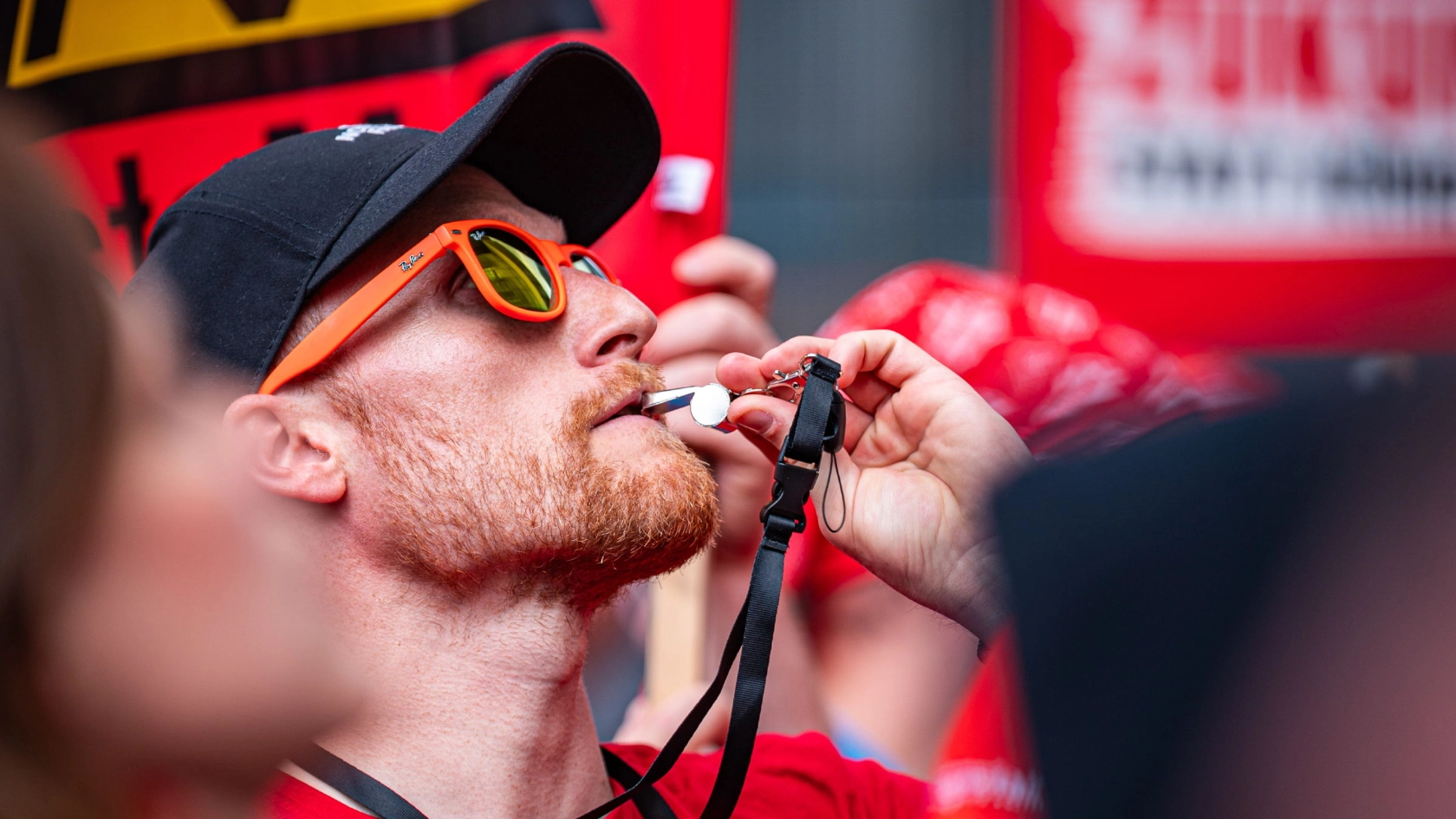
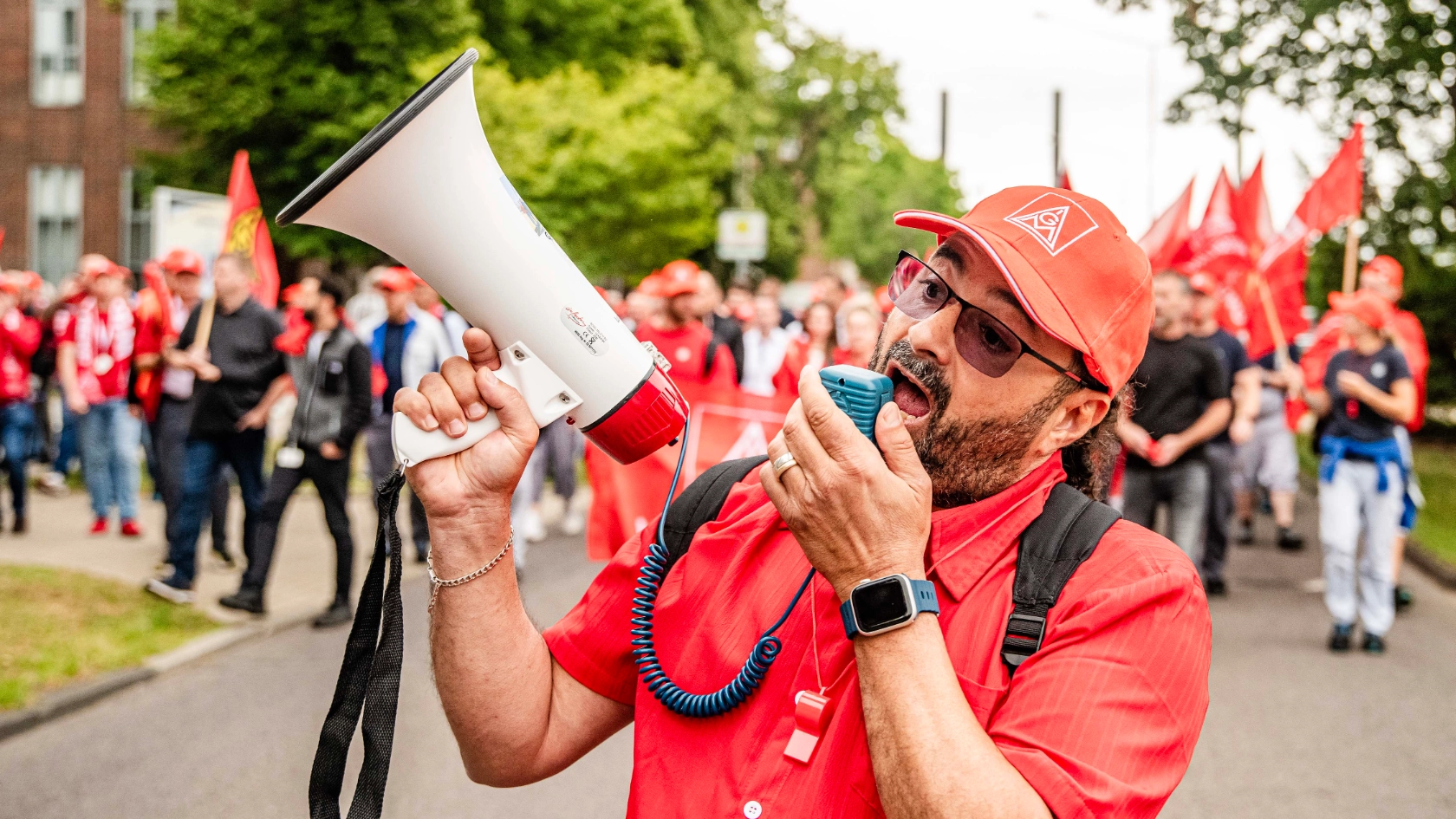
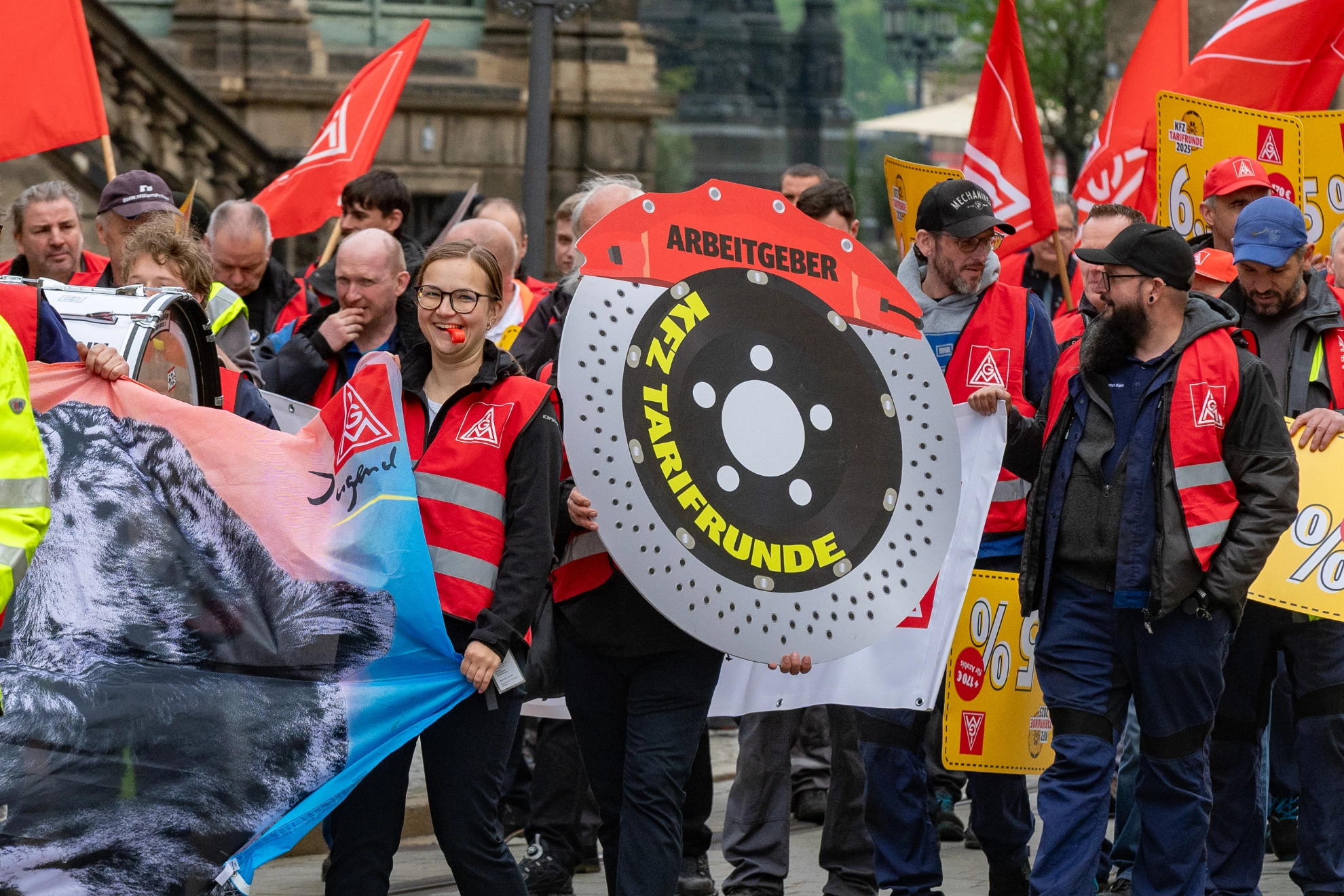
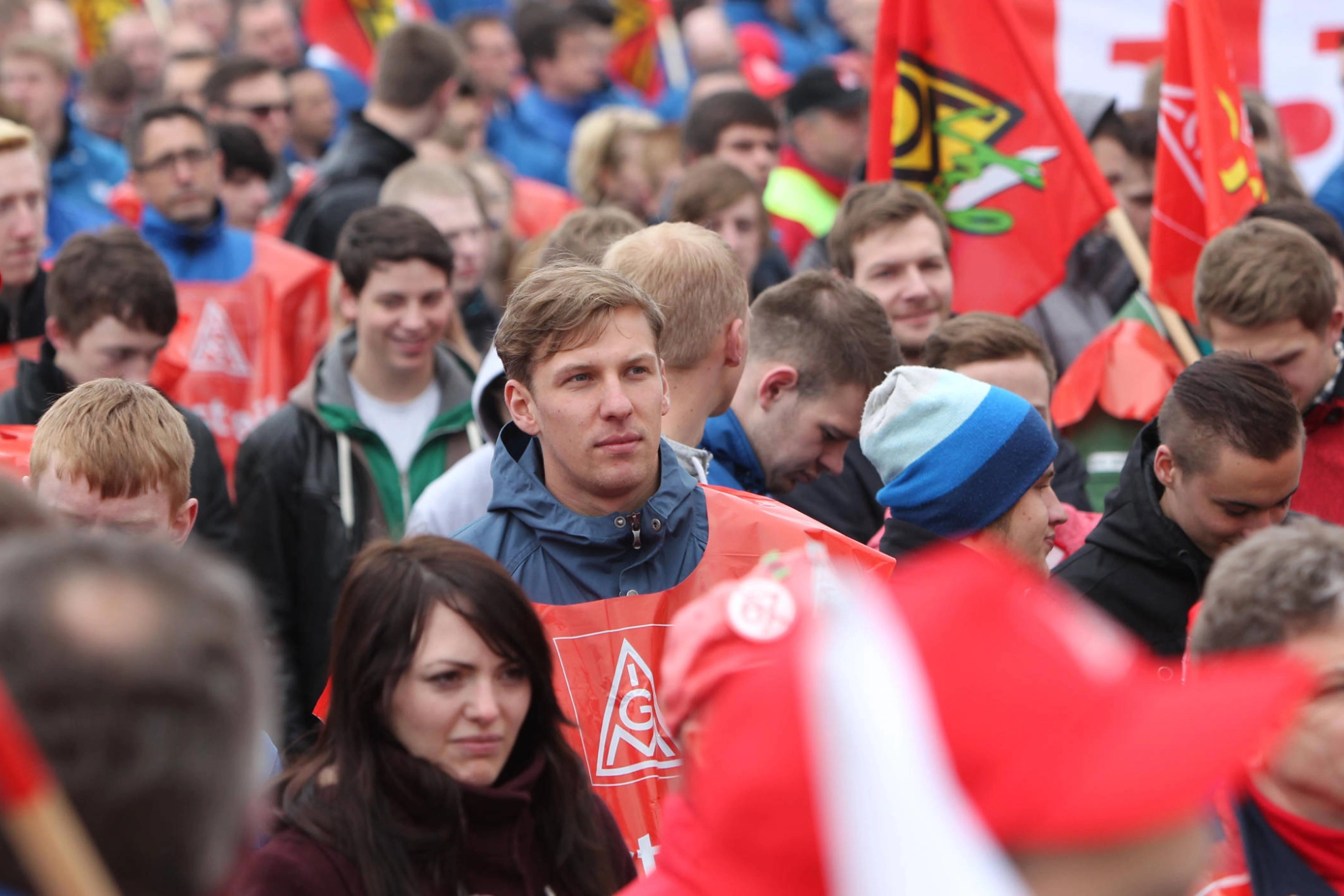
25,000 workers used warning strikes and demonstrations to pressure for a collective bargaining agreement in the automotive trade.
Up to 5 additional days off per year
In addition to higher pay, IG Metall has secured a work-life balance provision: Starting in 2026, employees will be entitled to convert pay into additional time off—allowing them to take five additional days off per year. IG Metall and employers have agreed to this in a new collective bargaining agreement (“WorkFlex+” / conversion of pay into time).
In return, more employees can also agree to a 40-hour workweek with the approval of the works council. By offering this choice between pay and time off, IG Metall is responding specifically to the situation in auto repair shops. Many employees want not only more pay—but also greater control over their time. This new provision is a concrete step toward reducing workloads and improving work-life balance.
“The collective bargaining agreement shows: We do not need the eight-hour workday to be abolished as planned by politicians,” explains IG Metall’s collective bargaining director, Nadine Boguslawski. “On the contrary: Companies and employees need flexible working hours under collective bargaining agreements that aim to reduce stress and enhance employer attractiveness. The new five days off send the right signal for a first shift in thinking within the skilled trades sector in light of labor shortages and a lack of skilled workers.”
In the Northeast collective bargaining region—where IG Metall and the employers of the Central German Automotive Industry Collective Bargaining Association negotiated jointly on behalf of the six federal states of Berlin, Brandenburg, Mecklenburg-Western Pomerania, Saxony, Saxony-Anhalt, and Thuringia—an agreement was reached to harmonize the collective bargaining agreements.
A first concrete step toward harmonization is now being taken for apprentices. Following the initial increase of 80 euros in July 2025—as in the other collective bargaining regions—the second increase in August 2026 will be significantly higher for many apprentices in the Northeast collective bargaining region: All apprenticeship wages will be adjusted beyond the usual 3.3 percent increase to match the highest apprenticeship wages in the previous collective bargaining regions. Throughout the entire Northeast collective bargaining region, apprenticeship wages ranging from 1,088 euros per month in the first year to 1,224 euros in the fourth year will then apply starting in August 2026—an increase of 115 to 184 euros over current levels.
A joint working group comprising IG Metall and employers is set to begin discussions in the coming months regarding further adjustments, such as to wages and salaries.
“This collective bargaining agreement was only possible because the employees fought for it in solidarity. This shows how important it is to stand together in collective bargaining efforts,” explains Alexander Reise, IG Metall’s chief negotiator for the NordOst bargaining region. “It is particularly important to us in the NordOst bargaining region that we have taken the first step toward harmonizing the collective bargaining agreements. Equal work deserves equal working conditions.”
Pressures on the Automotive Repair Industry Have Increased
The automotive trade is facing a period of dual strain. On the one hand, repair shops are dealing with consistently high workloads. The used-car market is booming, the average age of vehicles is rising, and the need for repairs is growing. At the same time, there is a shortage of skilled workers, appointments are scarce, and employees in many places are working at full capacity.
On the other hand, the transformation of mobility is having an impact on the shops. Manufacturers are focusing on electric mobility, digitized vehicle systems, and new sales channels—but the structural consequences fall on the shoulders of the employees: less predictable workflows, increasing complexity in fault diagnosis, and greater time pressure in service.
From IG Metall’s perspective, the collective bargaining agreement in the automotive trade therefore contributes to securing a skilled workforce: good work attracts good people. Anyone who wants to attract young talent must offer more than just the minimum wage, weekend work, and rigid working hours. With this agreement, the bargaining partners are sending a clear signal: good training, good pay, and good working hours—that is and will remain the standard in the automotive trade.
“The industry’s economic success is based on the performance of employees in workshops and car dealerships. Through their work, they ensure that mobility functions—often under intense pressure and with a great deal of expertise,” explains Markus Wente, chief negotiator for IG Metall Lower Saxony. “This work deserves recognition, and it needs relief. With this agreement, we’re bringing both back to the workplaces.”
Collective bargaining results already achieved:
 IG Metall Locally