New future collective bargaining agreement at Bosch Mobility—Bosch’s automotive division. IG Metall and the company aim to secure the company’s long-term viability through this agreement. Employees are helping to shape the vision for Bosch’s German mobility locations. Layoffs for operational reasons are ruled out through the end of 2027. The agreements affect nearly 80,000 employees.
Works Councils Involved in Strategic and Economic Planning
“First and foremost, employees at the Mobility sites can look forward to job security through 2027,” explains Frank Sell, Chairman of the General Works Council for the Mobility division and Vice Chairman of the Supervisory Board of Robert Bosch GmbH. “Even more importantly, the works councils will now also be involved in strategic and economic planning at an early stage—for example, regarding the establishment of future products and the development of strategic visions. In this way, we are shaping the future of the German Mobility sites well beyond 2027.”
Bosch had originally planned the transformation without involving the employees. In February, management announced that e-mobility and hydrogen initiatives would primarily be rolled out in lower-cost countries abroad.
Up to 20,000 Employees Take Action
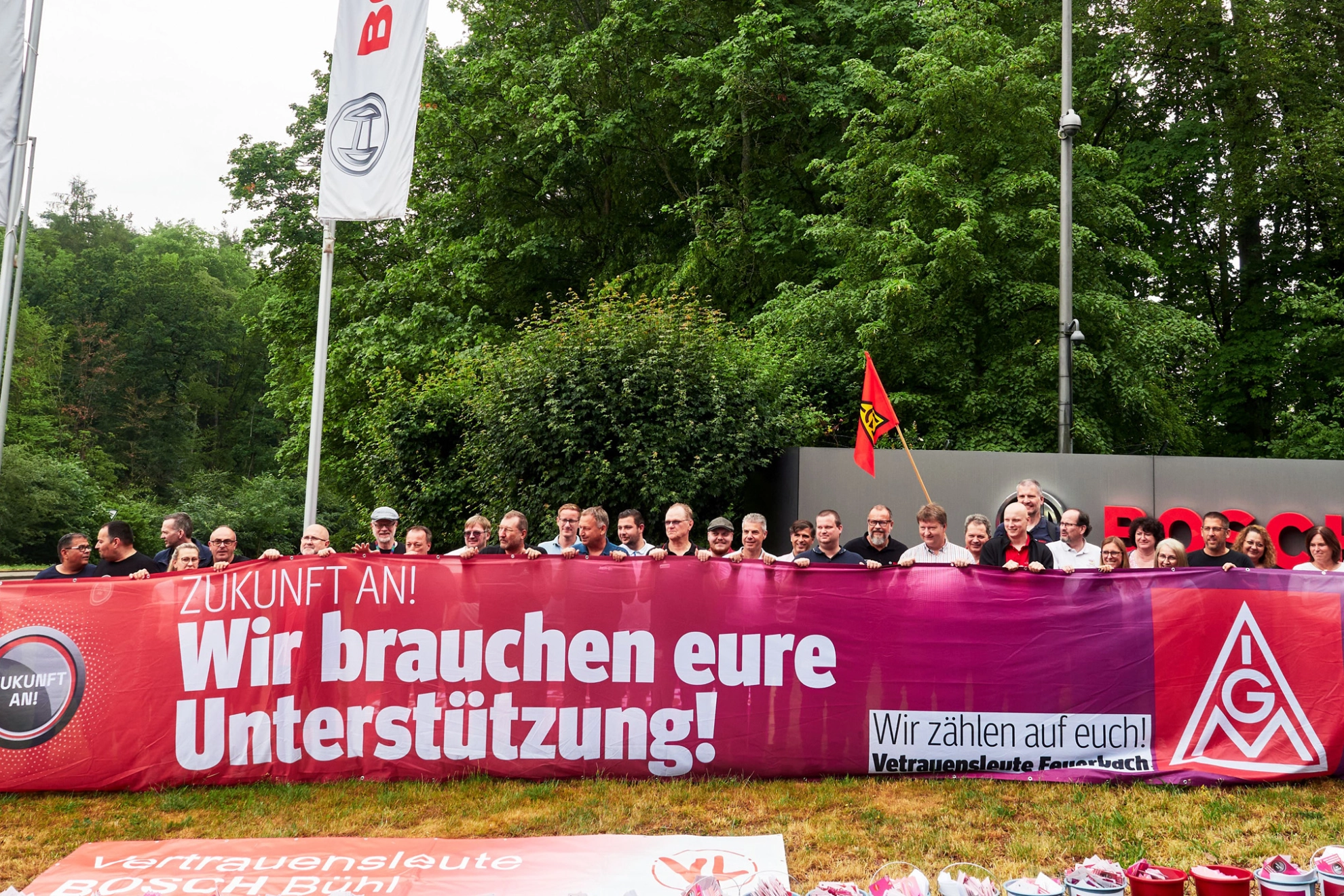
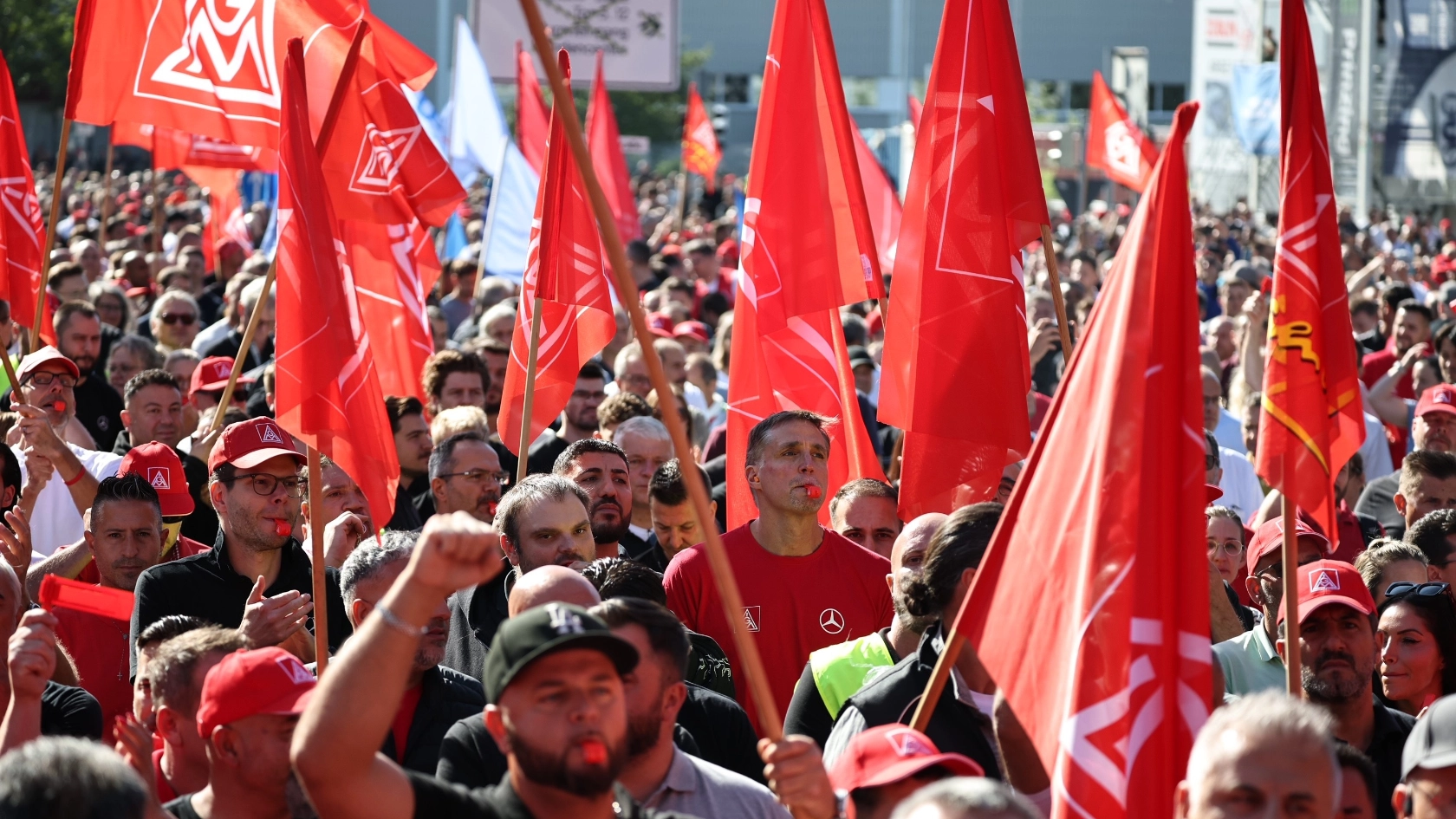
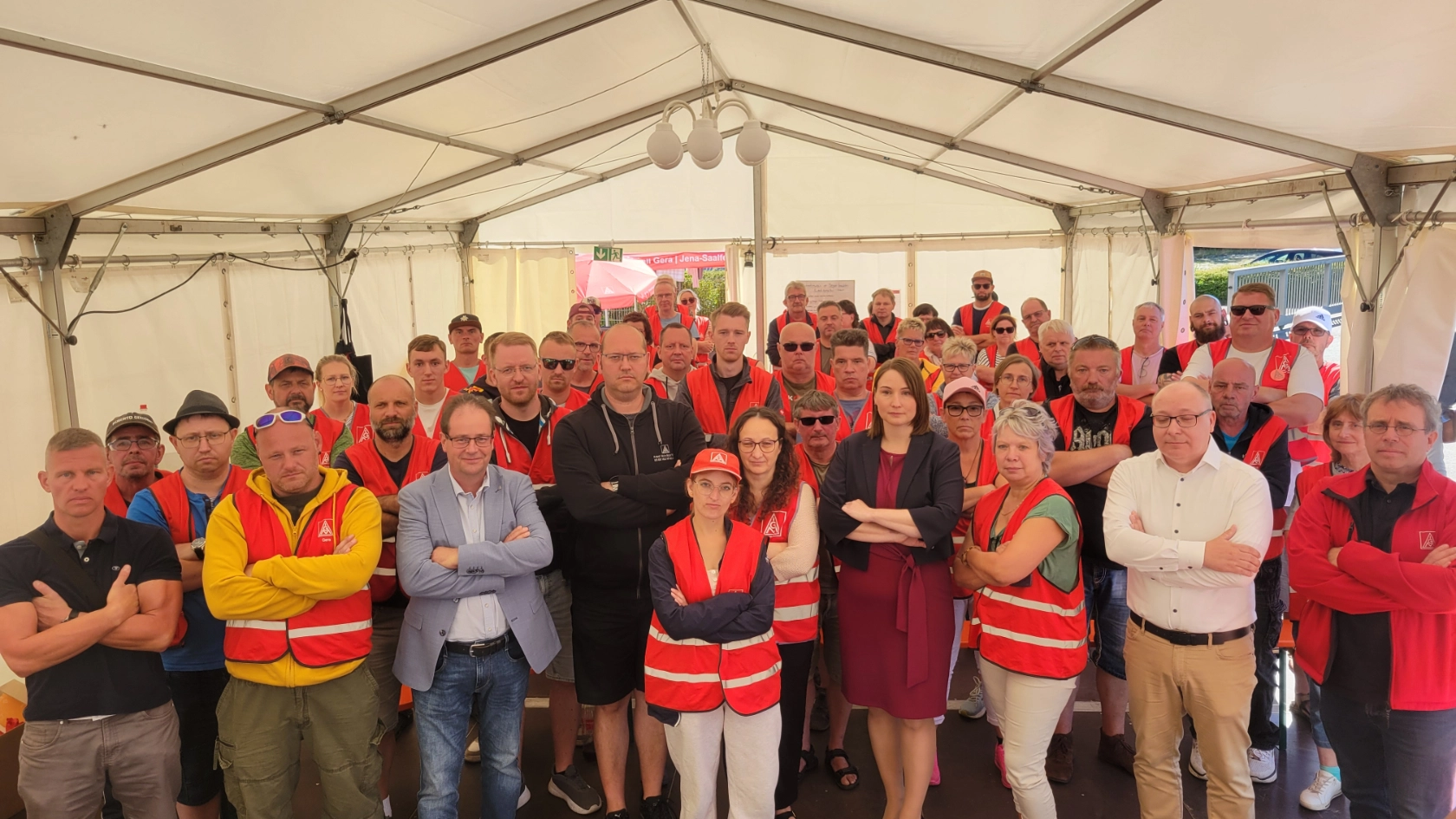
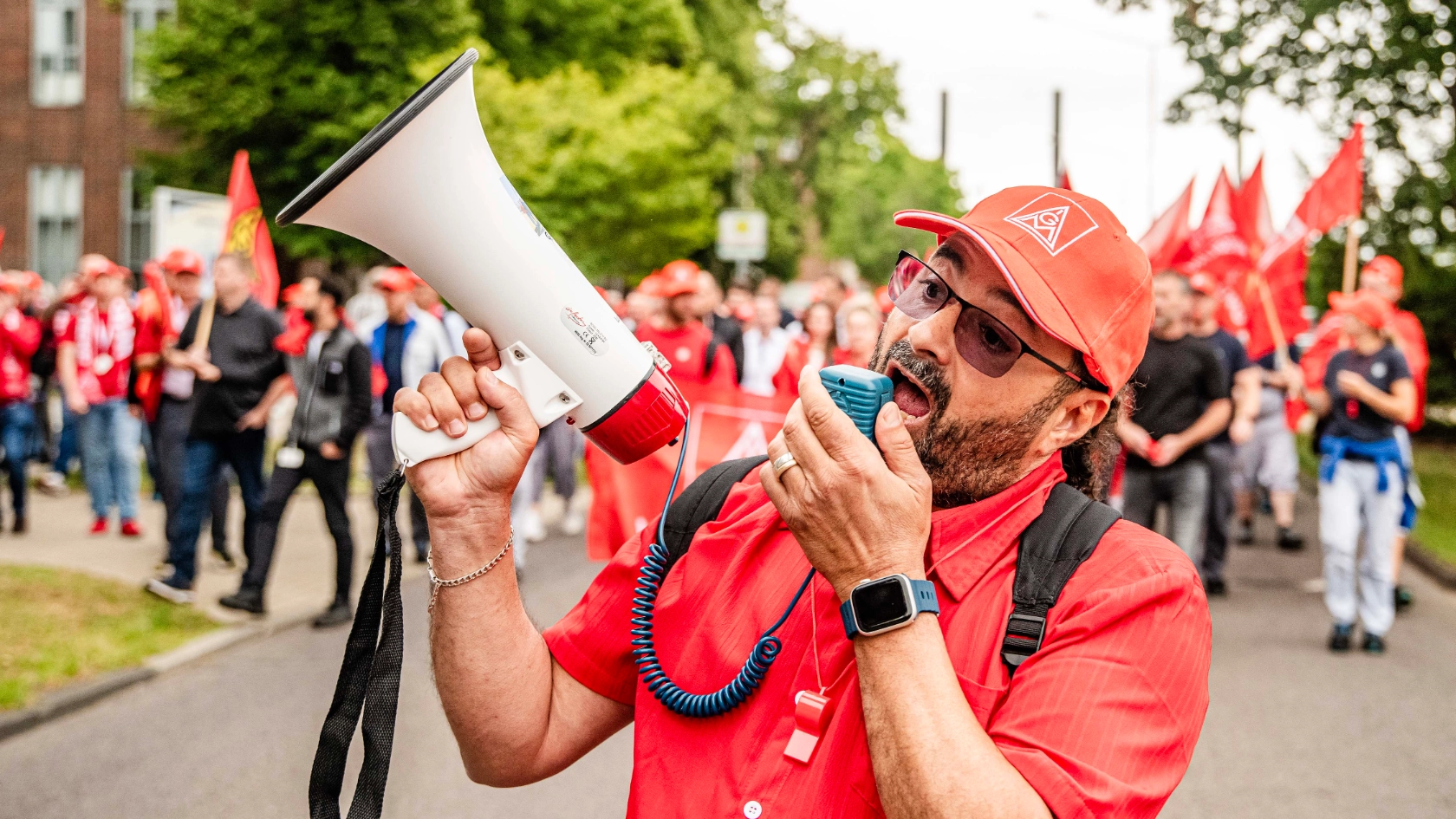
However, employees, works councils, and IG Metall have ramped up pressure in recent months. In February, 17,000 employees from nine mobility sites were connected live via parallel town hall meetings. In a survey, 98 percent of employees voted in favor of IG Metall securing a future collective bargaining agreement. Hundreds of employees joined IG Metall. 20,000 signed postcards with their demands, which were dumped at the feet of management.
With the new “Future” collective bargaining agreement, IG Metall, the works council, and Bosch aim to tackle the transformation: e-mobility and hydrogen, a strong focus on software, new vehicle architectures, automated driving functions, and the rising demand for mobility services. “The transformation of mobility is drastically changing our business. Our goal is to remain efficient and competitive. We can only achieve this if everyone pulls together and takes responsibility,” says Stefan Grosch, who has served as the new managing director and director of labor relations at Robert Bosch GmbH since March. “With the agreement we’ve reached, we’re strengthening our social partnership. Collaboration with the unions will also be essential for shaping the future.”
Employees Help Develop Vision Statements
Now it’s time to put the agreement into action. In the next step, employees and their works councils will help develop roadmaps for the individual locations. From IG Metall’s perspective, the agreed-upon package offers the opportunity to shape the future in the interests of employees and could serve as a model for other companies, particularly in the automotive supply industry.
“The outcome of the negotiations demonstrates once again that collective bargaining agreements are essential for the long-term viability of companies and provide binding safeguards for employees,” explains Nadine Boguslawski, Chief Representative of IG Metall Stuttgart and a member of the Supervisory Board of Robert Bosch GmbH. “Now it’s a matter of working with the General Works Council and IG Metall to flesh out these visions for the future.”
Further background information is available from IG Metall Baden-Württemberg