Holger, at ZF WABCO, too, more and more digital assistance systems are being used. How can—and how should— works councils support the implementation of such systems?
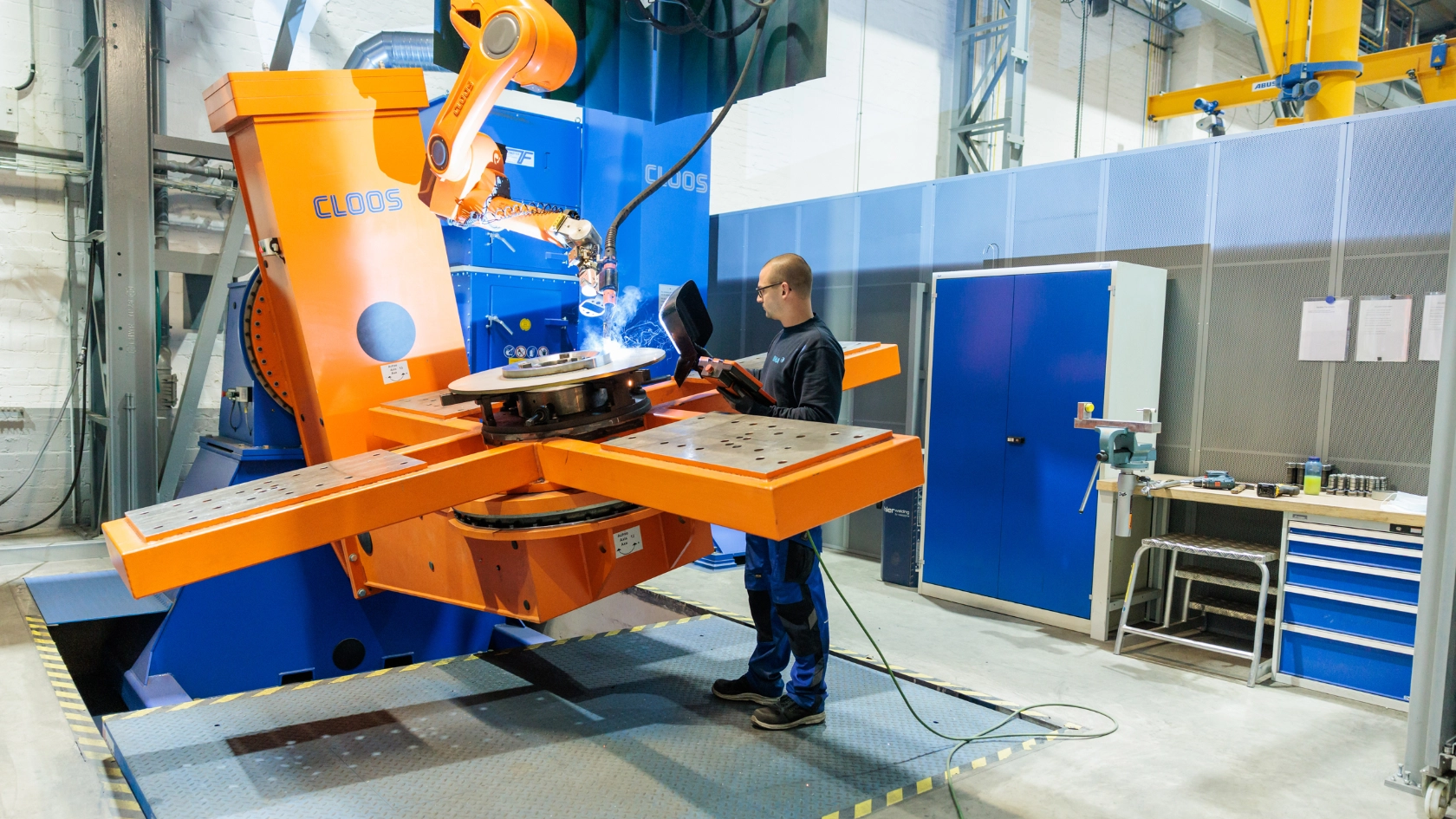
Holger Schott: They must guide and facilitate the process—that’s the most important thing. One thing is clear: No one will be able to avoid artificial intelligence in their workplace. Whether in manufacturing, with machines that are becoming increasingly intelligent, or in service, for example, with VR headsets. As works council members, we must therefore prepare early on to shape the introduction of digital technology in such a way that people are not ultimately left behind.
Why is it essential for works councils to get involved as early as possible in the introduction of software programs, cloud solutions, or robot-controlled process automation?
The fact is: Digital assistance systems are on the rise, and the market is developing—it must be said—technically impressive solutions. However, these developments are rarely created in Europe, and for this reason, the solutions are very often not designed with employees in mind. Instead, they’re geared toward streamlining and profit maximization. This is a problem because once digital systems are implemented, they’re much harder to change later on than if we’re involved in the implementation from the very beginning and take our colleagues’ needs into account from the start.
Digital assistance systems—and indeed all systems that process data—have a major impact on employees: They can make their work easier, eliminate monotonous tasks, and enhance the value of their work. However, many systems can also be used to monitor performance and behavior. How can the works council effectively prevent this?
Quite simply: performance and behavioral monitoring must be ruled out from the very beginning. In our experience, this is the greatest fear employees have regarding “the robot colleague.” If someone helps me, that’s one thing—but if I then have to worry that they’re monitoring me while doing so, it creates an entirely different dynamic. It is therefore essential that we consistently exercise our right to co-determination—which, according to the Works Constitution Act, we have regarding the introduction and use of technical equipment—and rule out performance and behavioral monitoring.
Why is it important to involve employees as early as possible?
Involving our colleagues is of fundamental importance. If only because participation is a prerequisite for recruiting as many new members as possible. And then, of course, employees are the experts in their own workplaces; they know exactly how digital assistance systems can help—and how they cannot. This knowledge must be articulated before digital systems are introduced because, as I said, changing a process after it has been successfully implemented is incredibly difficult, as it then raises expectations.
At ZF WABCO, you’ve concluded a works agreement that regulates the introduction and use of all systems that process employee data, ensuring that employees are protected against the misuse of their personal data, that their personal rights are respected, and that their data is handled in accordance with data protection law. How is this specifically ensured?
Quite simply: In a framework works agreement—which essentially serves as an overarching umbrella—we’ve stipulated that the processing of any personal data is generally prohibited at our company. However, we do allow exceptions in justified cases. Incidentally, this is exactly how it works under the EU’s General Data Protection Regulation (GDPR) as well. The GDPR prohibits data processing—unless there is a legal basis for it. By the way: The intention to use data to generate profit and conduct business does not constitute a legal basis for permissible data processing.
What steps must be taken when introducing digital systems?
That depends on the specific system. What is the same for all of them, however, is that performance and behavioral monitoring must be ruled out from the outset and as a matter of principle. If employees do not have to fear new technology because it is not used for monitoring but solely for support, then the most important step has already been taken.
What general approach to handling employee data have you agreed upon, and for what purposes is the collection and processing of employee data permitted?
Processing is always permissible when it is either required by law, when the person concerned has given voluntary consent, or when there is a legitimate interest. Since laws usually do not apply and “voluntariness” is not considered to exist in an employment relationship, the only basis is usually legitimate interest. This often leads to disputes because everyone believes they have such an interest. The works council must examine this very closely. It’s important to engage in early and in-depth discussions with the employer, because these conversations clarify how the data is intended to be used. And very often, it turns out that things work just fine without personal data. But you only realize this when you seriously ask yourself: Why do I need this data? Do I really need it? My favorite example here is signing documents: A lot of data is generated—the location and date must be entered, and a signature must be provided. But let’s be honest: Why do we need the location? The date and signature are completely sufficient—everything else is just a matter of habit. We need to break this habit by critically examining every instance of data collection.
Negotiating such a works council agreement requires expert knowledge of how digital assistance systems work. So does every works council need its own specialists, primarily to ensure that data protection is properly regulated in the best interests of the employees?
No, that’s not necessary. It’s perfectly sufficient to bring in external expertise. What’s truly important, however, is that the works council has a fundamental understanding of data protection. All members of the works council must be aware that the processing of personal data should always be critically scrutinized. Ideally, this is then generally prohibited by a framework works agreement—and specific exceptions are henceforth always permitted on a case-by-case basis. This ensures comprehensive protection of employee data.