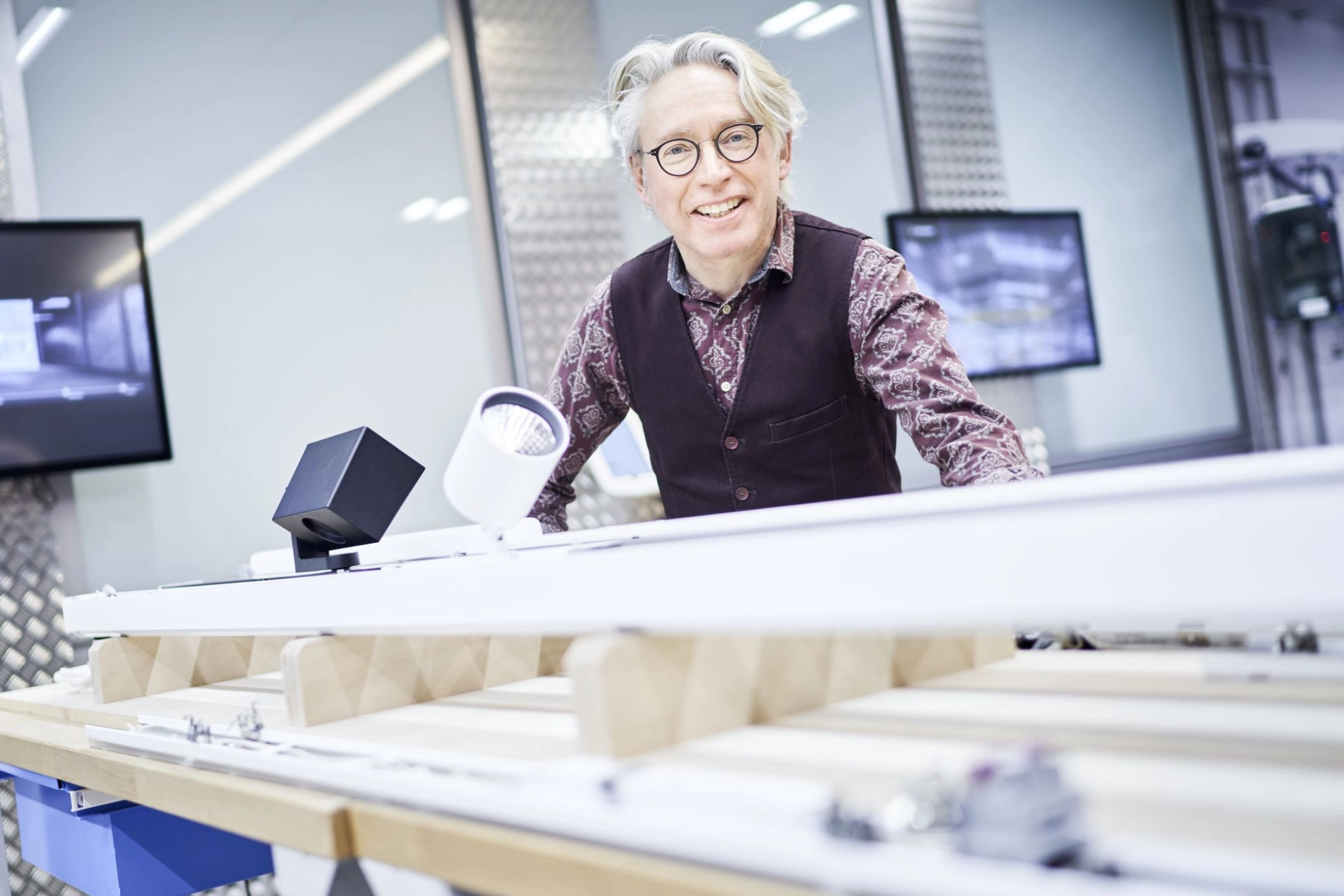
Erich, you’re the vice chair of the works council at Trilux and have been with the company for many years. Has change and transformation also reached your industry? Or is everything still the same because, after all, people will always need lighting?
Erich Bullmann: That’s true—people will always need light. But not all lighting fixtures are created equal! A lot has happened at our company in recent years. We’ve gone through several stages of transformation here. And we’re still deep in the midst of change.
How is this change manifesting itself?
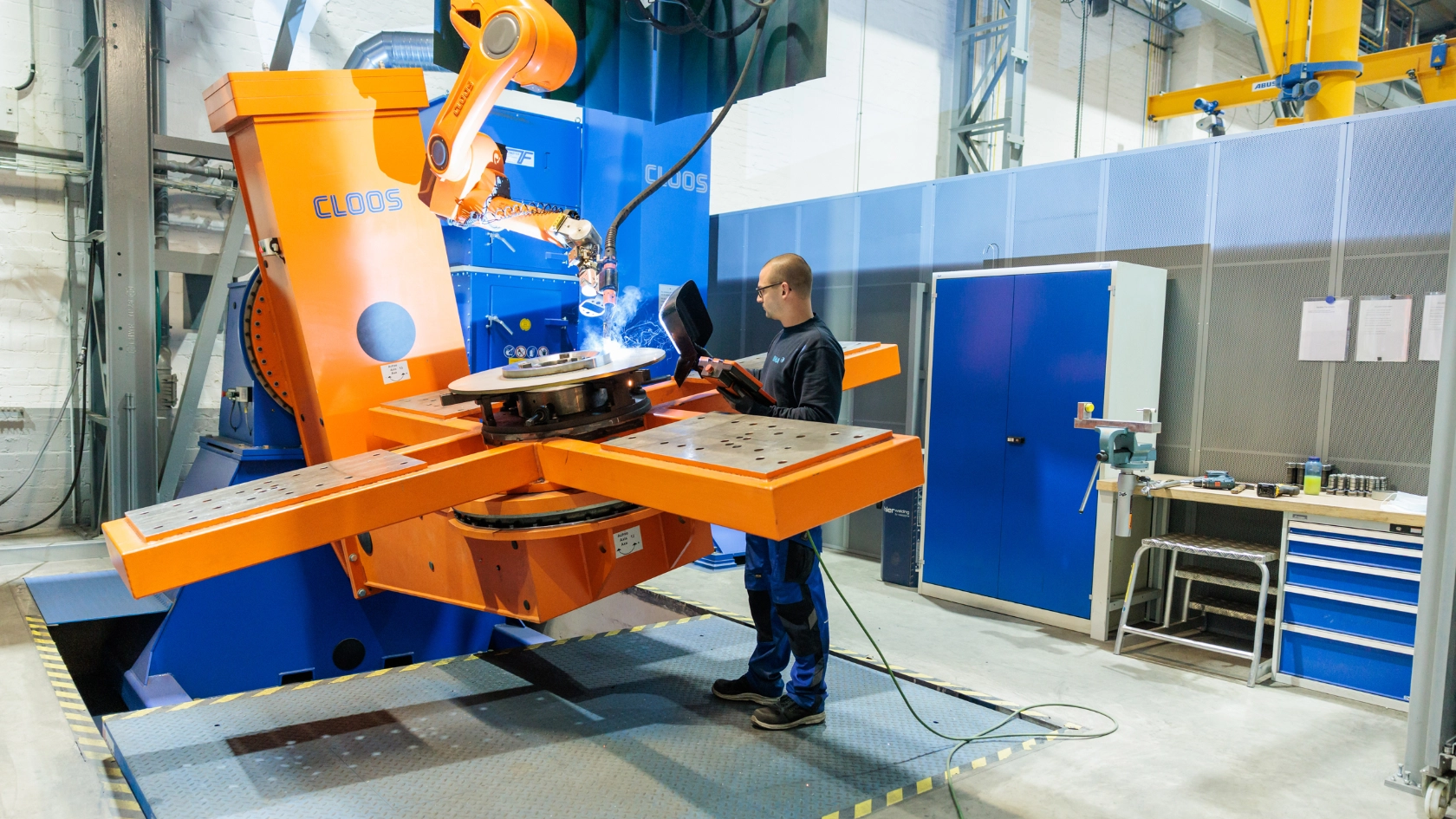
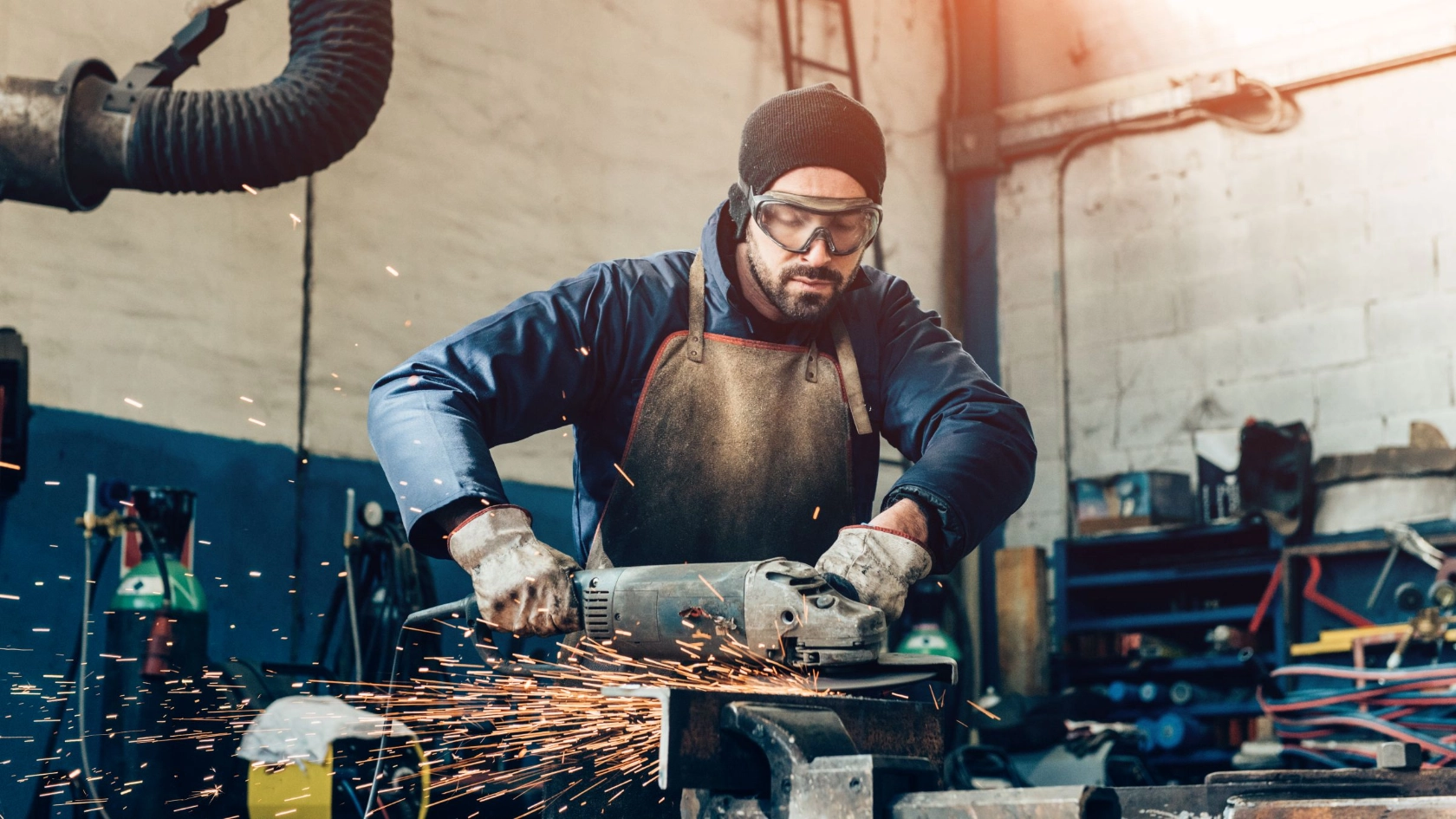
Trilux specializes in technical lighting fixtures. At our Arnsberg facility, we produce large industrial luminaires, as well as luminaires for schools, offices, and industrial facilities. When I started in 1990, a luminaire was little more than a sheet-metal box with a bulb inside. Our colleagues here were basically just working with sheet metal. That changed radically with the introduction of LED luminaires twenty years ago, if not sooner.
In what way?
To manufacture LED luminaires, you need completely different, entirely new skills and qualifications. It’s no longer so much about mechanical knowledge, but rather, above all, an understanding of electronics. But it doesn’t stop there. Our new luminaires involve lighting control and data transmission. That requires IT and software knowledge, as well as digital expertise. Trilux is undergoing a comprehensive transformation; our industry is undergoing a comprehensive transformation. Our work is changing.
That is precisely the starting point of the “Thinking About IG Metall from the Workplace” project: This transformation is fundamentally changing our working lives, our economy, and our society. To remain strong in the future, IG Metall must change. What motivated you to become a change promoter?
To be honest, it was pure curiosity. I read the title,“Thinking About IG Metall from the Workplace Perspective.” I asked myself: What does that mean? Then I got in touch with my local office. And that’s when I knew: I want to be part of this.
As a change promoter, you’re driving your own workplace project forward. You’ve set out to strengthen the work of shop stewards at your workplace…
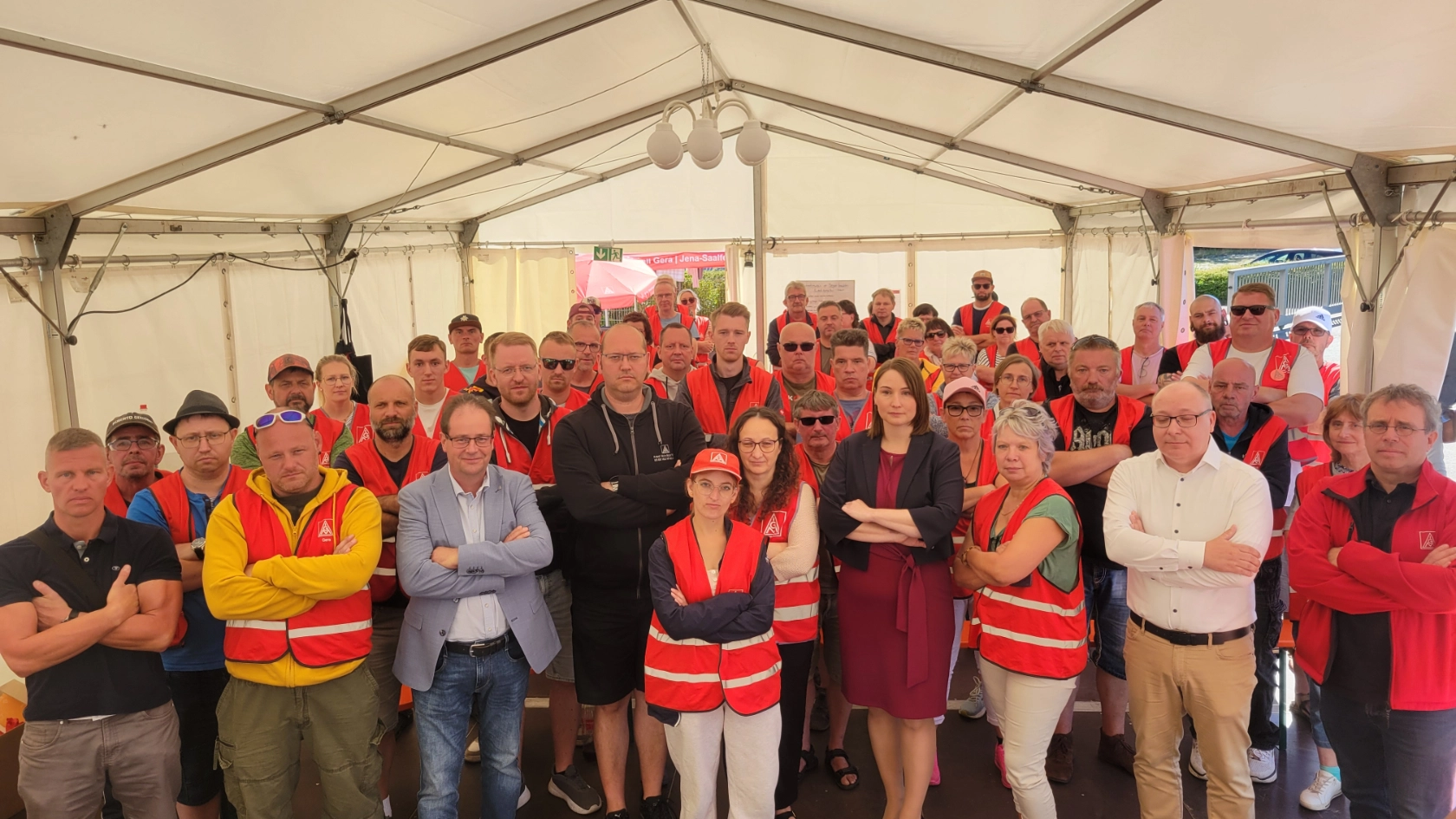
Yes. Until now, shop steward work at our company existed only on paper. It wasn’t actually being put into practice. But that’s fundamentally important. Our shop stewards need to be visible. We want to show our colleagues: IG Metall isn’t just the executive board in Frankfurt. IG Metall—first and foremost—is its members. And those are our colleagues at the workplace. People I can talk to, who are approachable.
As a change promoter, you’ll be guided and supported by IG Metall’s training centers…
Yes, we attend what are called the “Future Series.” They consist of individual modules. Theoretical seminar blocks alternate with practical phases on the job. That’s brilliant because it allows you to immediately put what you’ve learned in the seminar into practice at work. You then bring the experiences you gain from that back to the next theory session at the training center. There, you have the space to discuss the projects together—what’s going well right now, but also what isn’t going so well.
How far along are you with your project?
We’re right in the middle of it. We ran a great poster campaign to spark the employees’ curiosity. We sent postcards to the employees. We’re reaching them even while they’re working from home. Union work can still happen during a lockdown.
A total of 1,000 change promoters are being trained. They’re trying out new approaches in the workplaces and providing impetus for the further development of IG Metall. What kind of change would you like to bring to IG Metall?
I don’t have a magic formula—I don’t think anyone does. It’s important that we learn from one another, that we network and exchange ideas much more than we have in the past. Above all, it’s important to me that my colleagues at work start seeing IG Metall once again as more than just the sum of all its members—as approachable people, not as an abstract organization.
How can we make that happen?
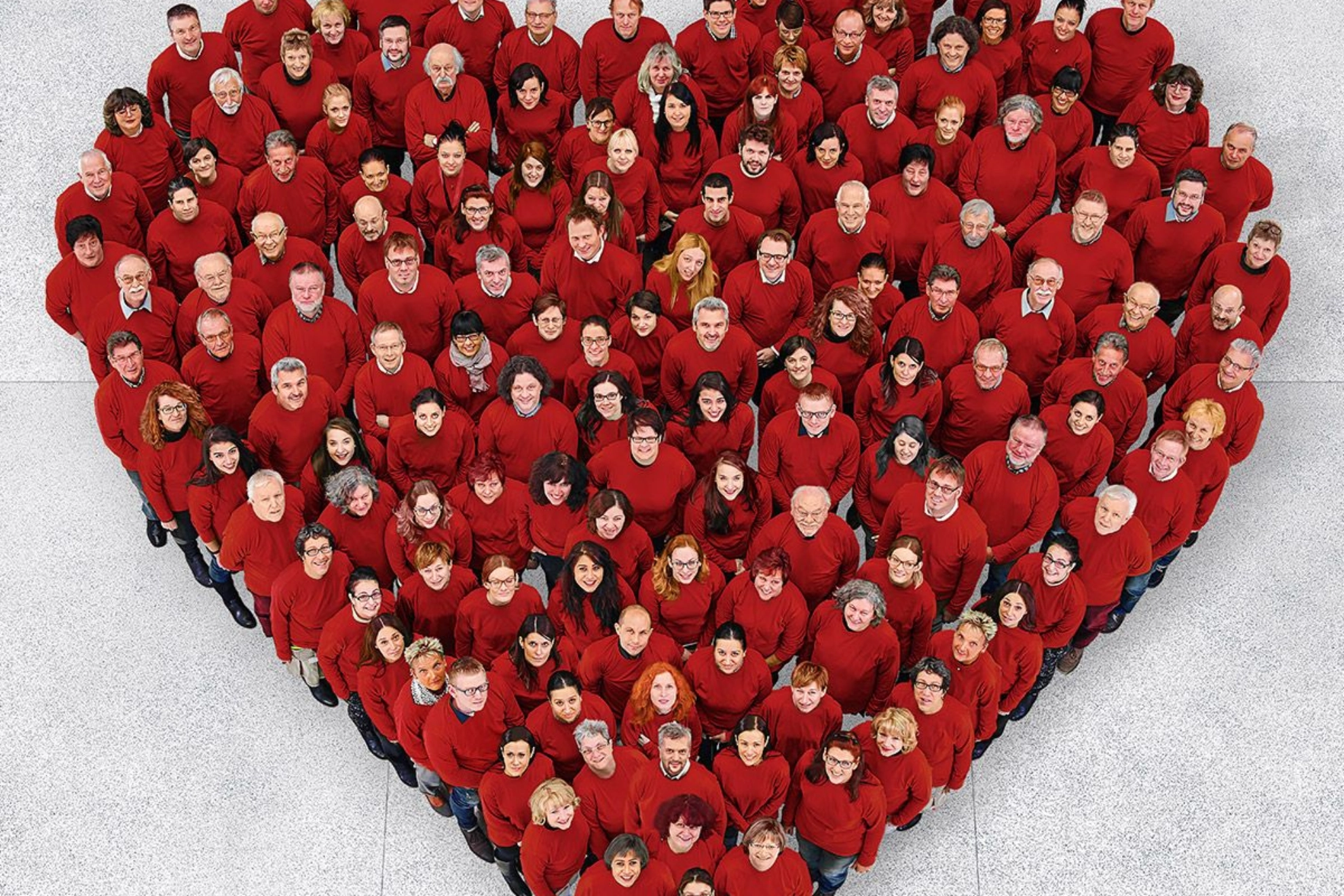
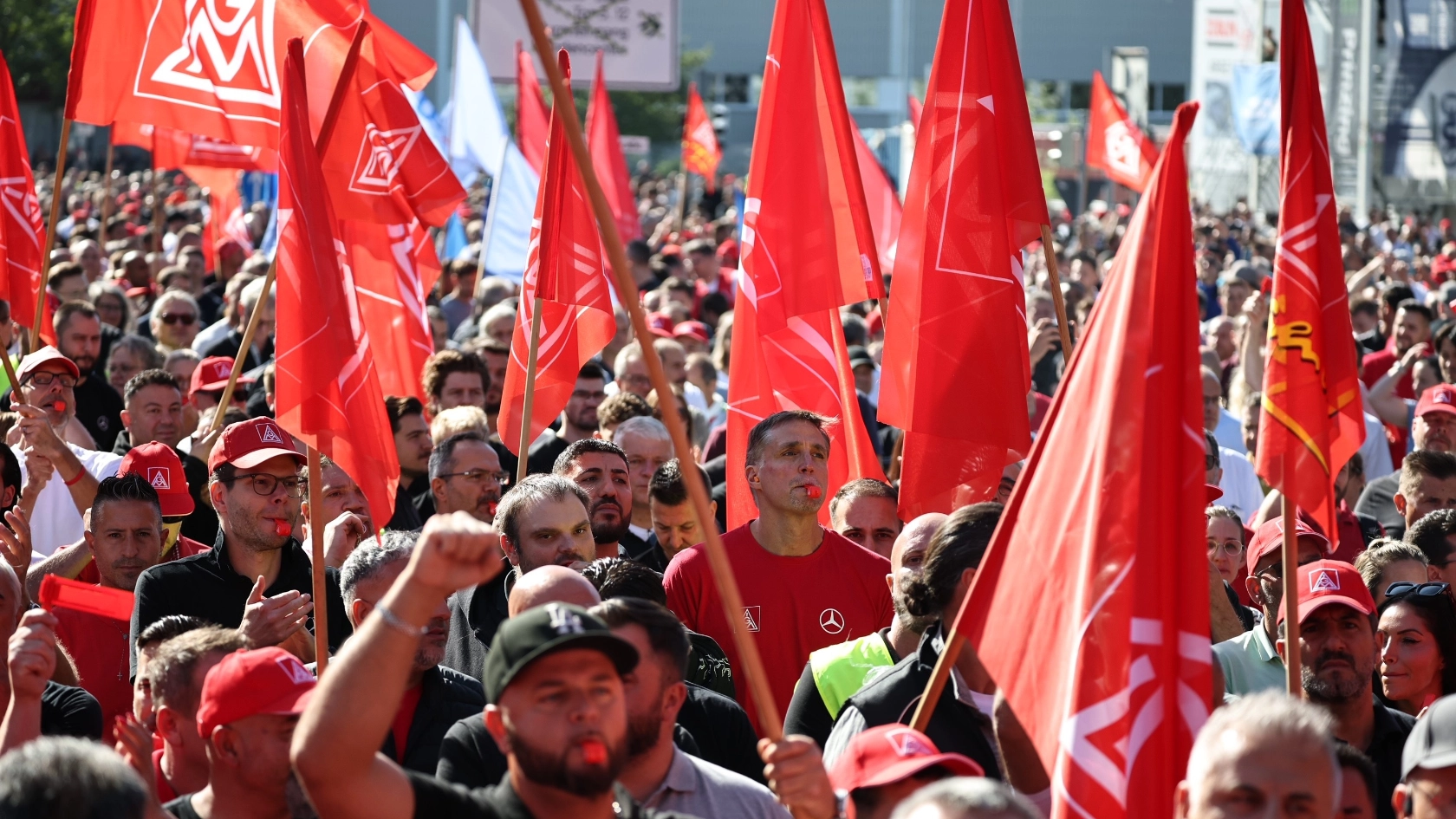
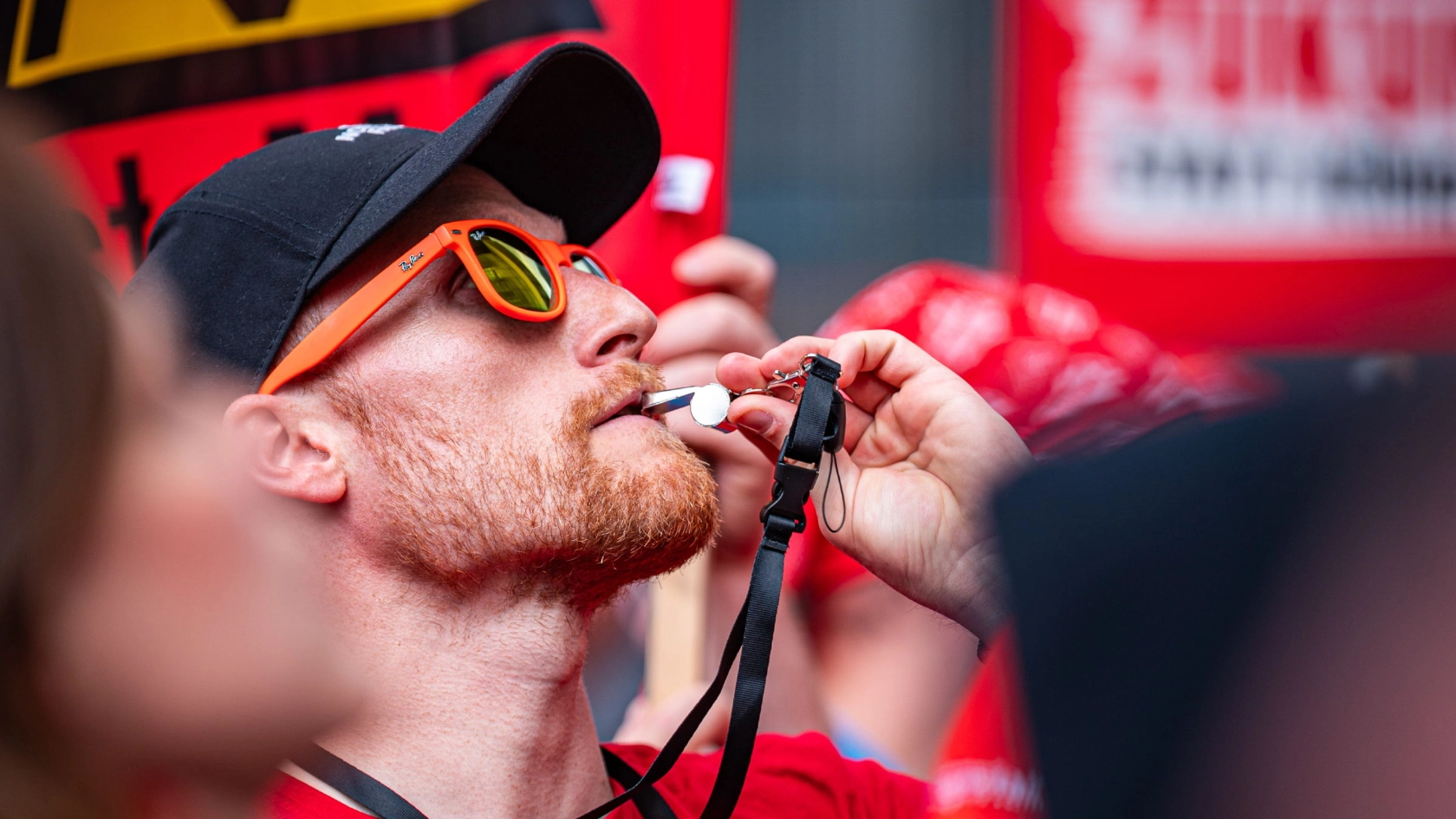
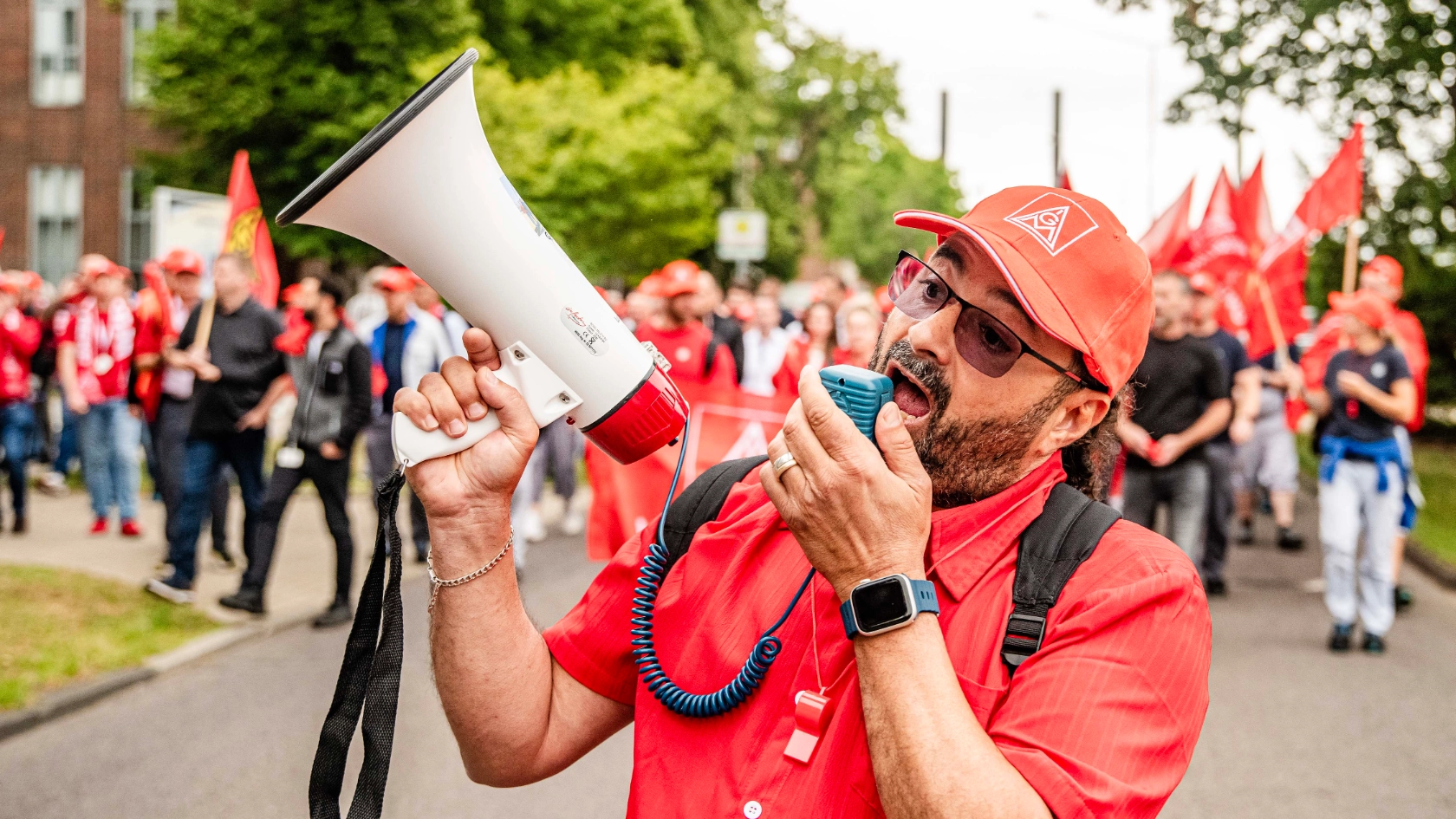
I think we need to constantly remind ourselves: We’re a great community. We’re a strong organization. You can see that again right now in the collective bargaining movement: We stand together, and together we’re strong. But sometimes I feel like our good work isn’t visible enough.
Perhaps we need to make greater use of digital communication tools and experiment with new ways of reaching out. I also think it’s important that we remain visible in the broader social and political landscape. But we must never forget that it’s the direct, personal contact with our colleagues that ultimately matters most.