The next federal government must quickly turn things around. It must invest money to improve conditions for industry.
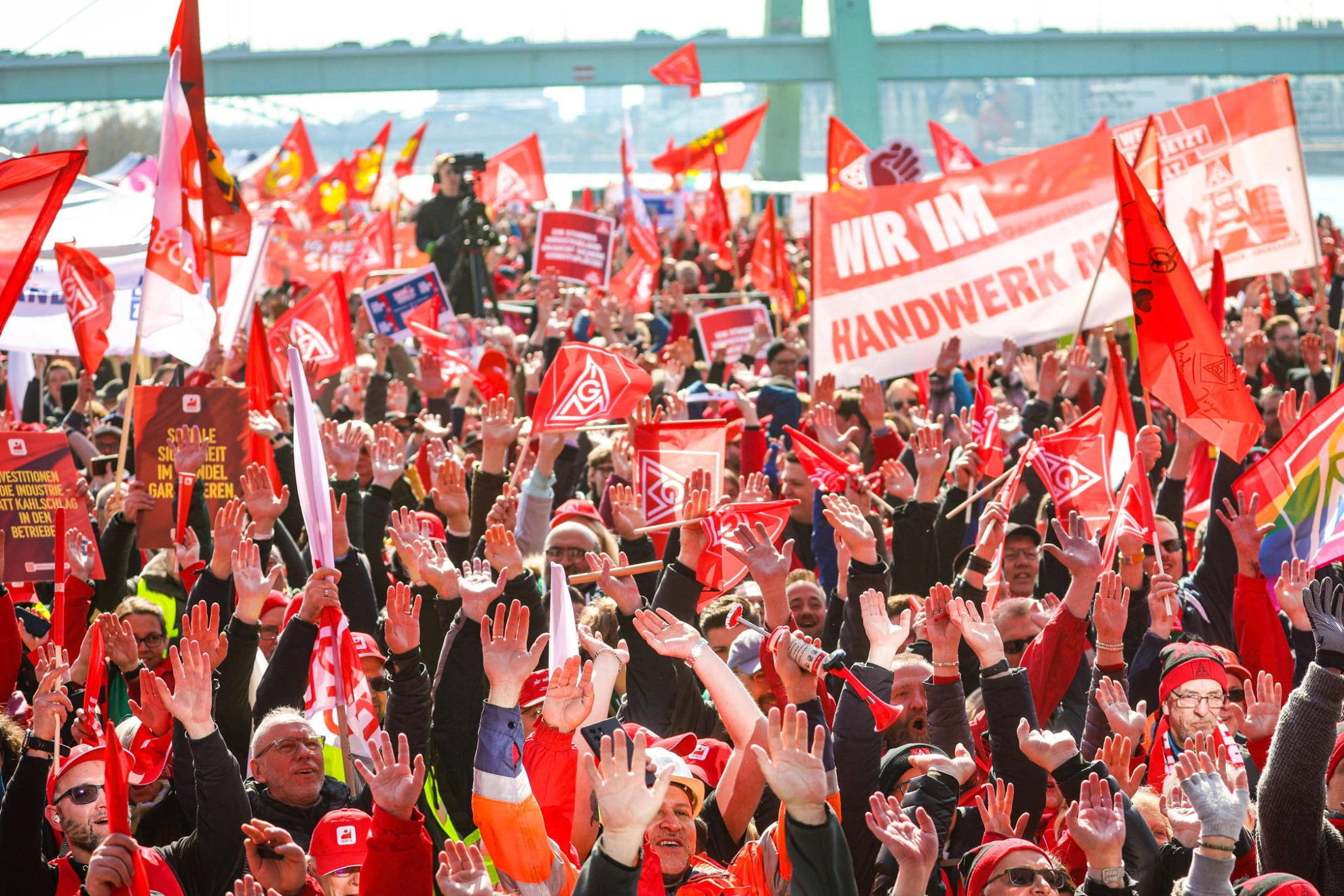
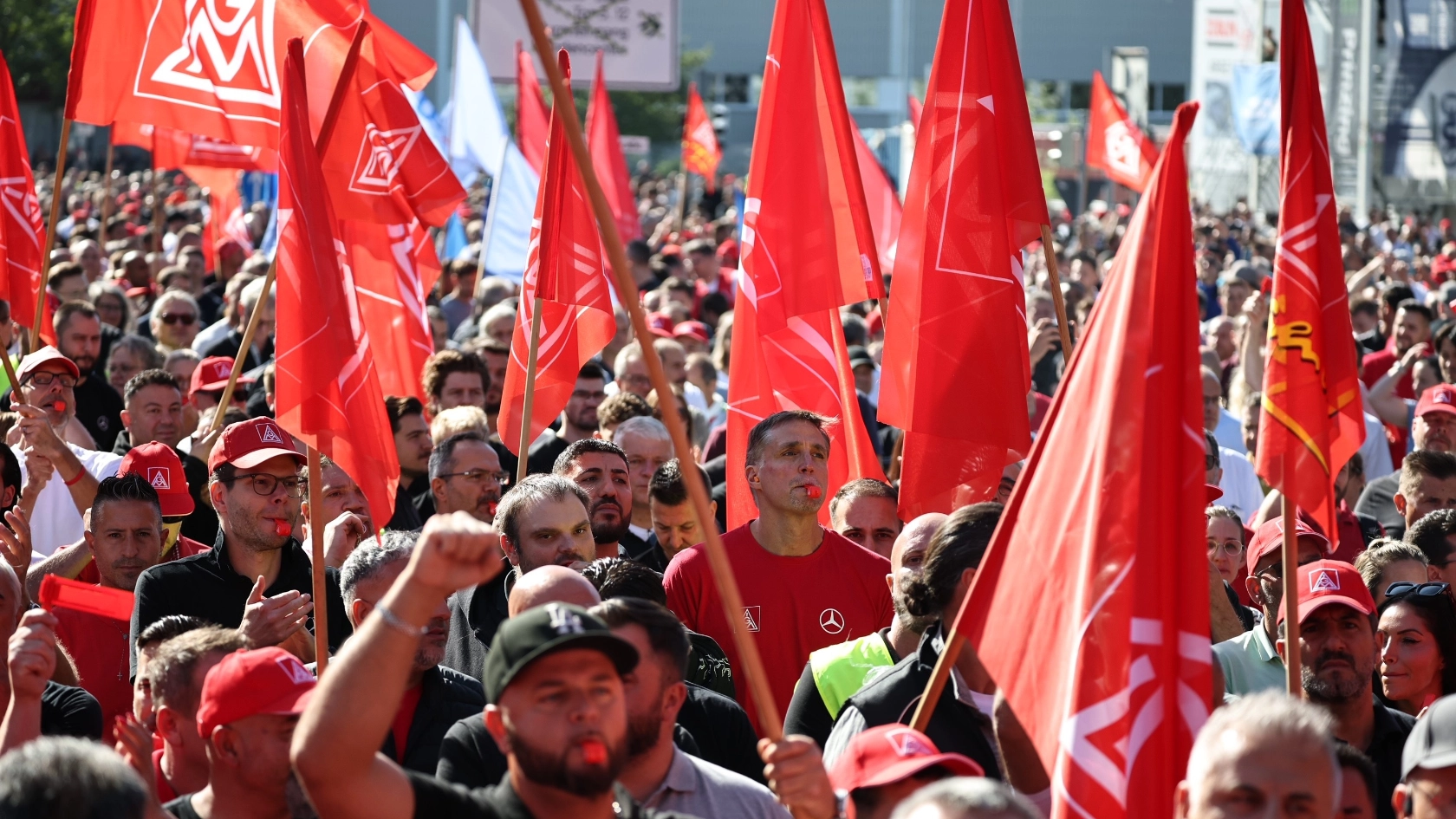
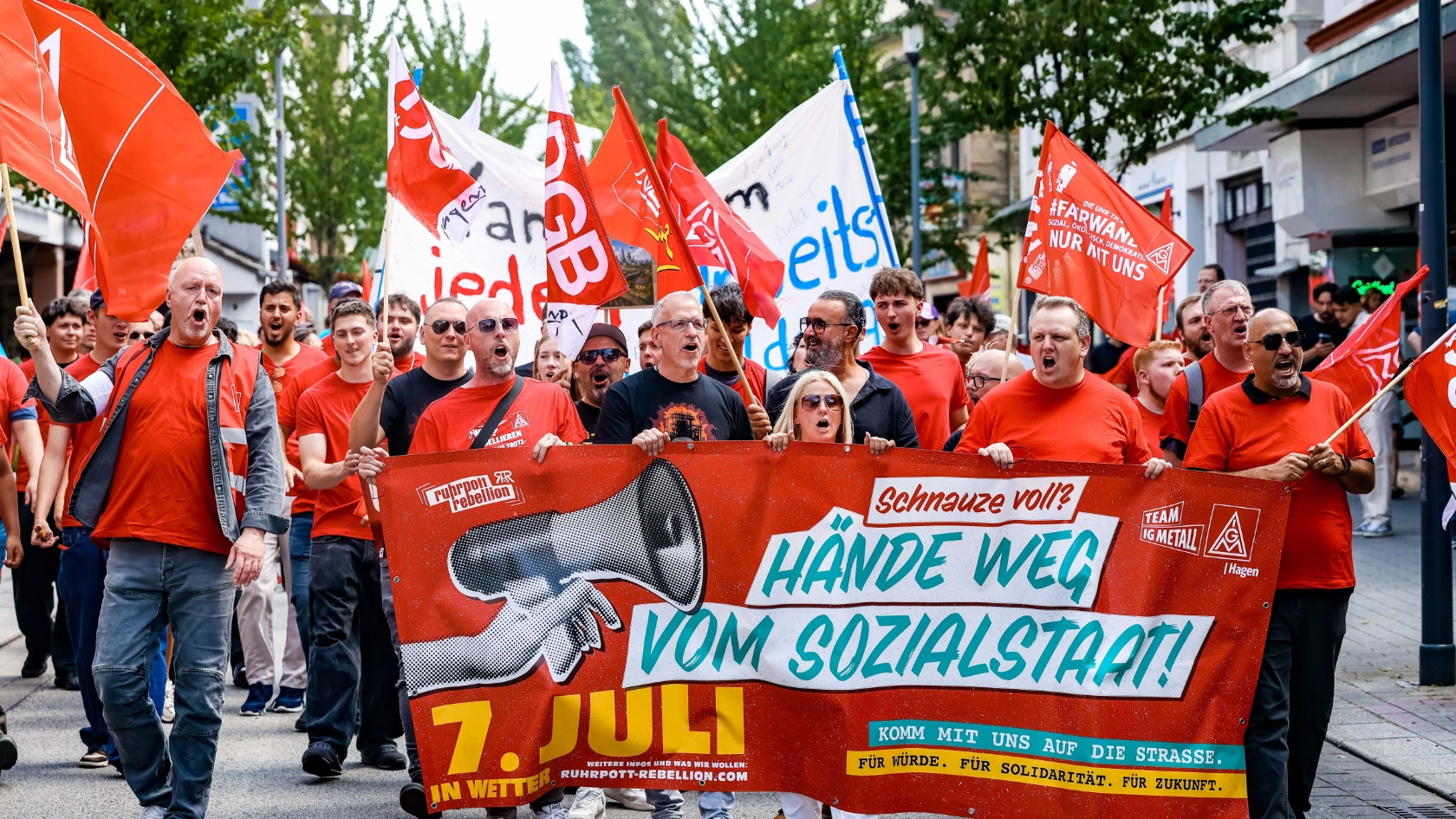
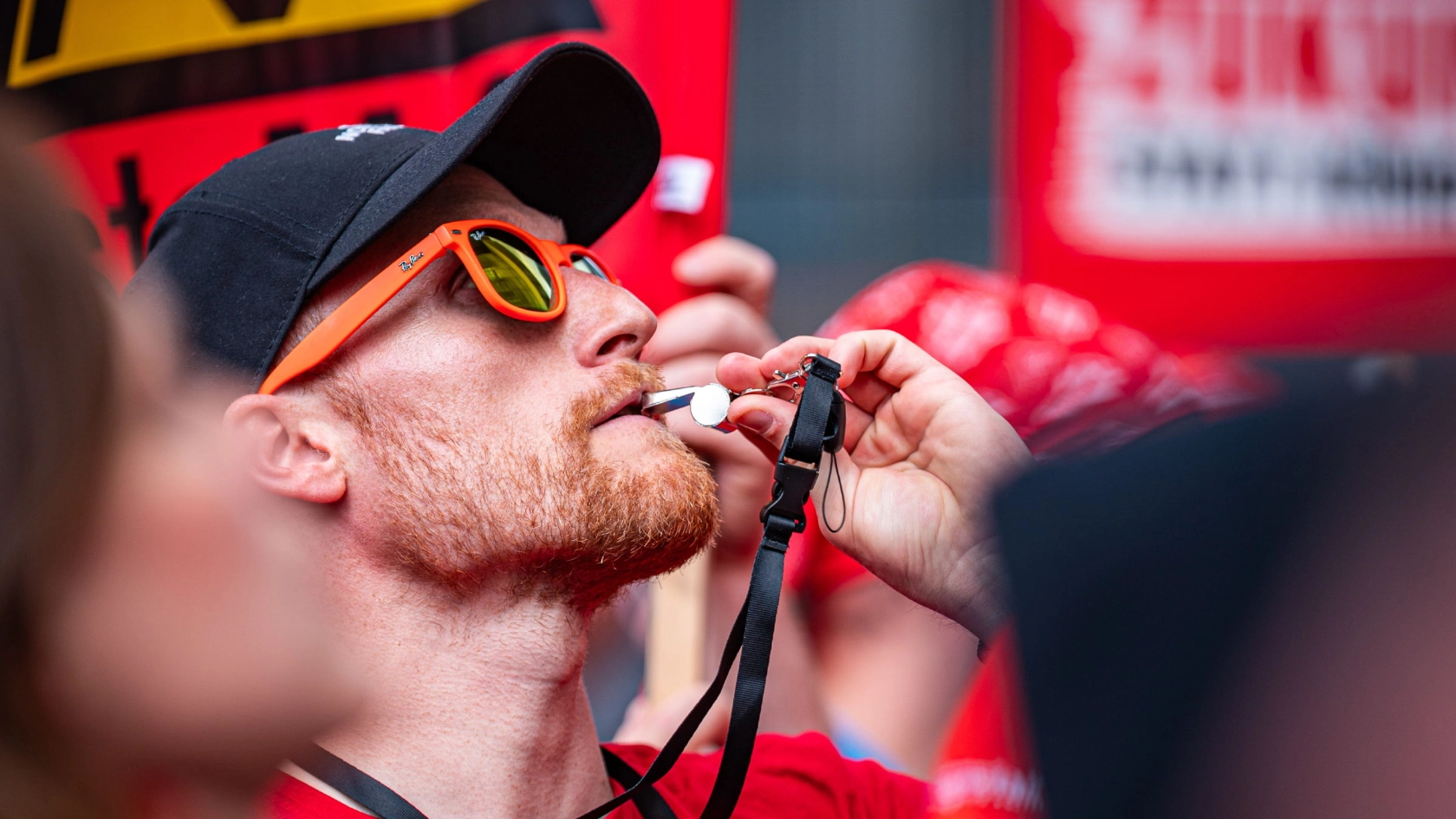
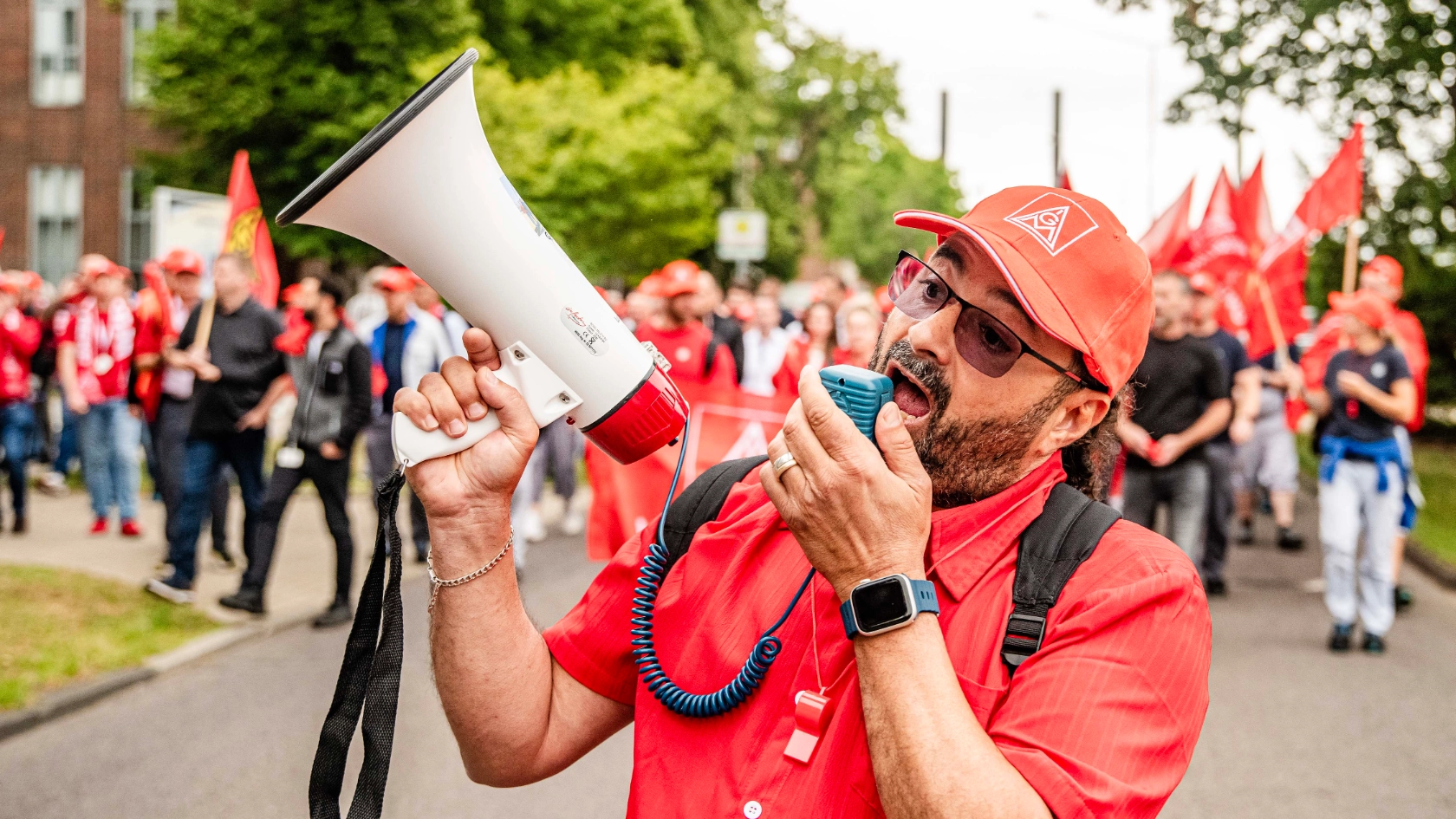
IG Metall has been calling for this for months. And metalworkers have now once again exerted powerful pressure to make this happen. Around 81,000 workers heeded IG Metall’s call for a nationwide day of action. It was the union’s largest public demonstration in decades.
Five Cities, One Wake-Up Call
The large-scale demonstrations in five cities serve as a loud reminder to the next federal government. After all, no problems have been solved yet—even though the CDU/CSU and the SPD have announced a major investment package. Nothing has been decided yet. And many plans are still vague or insufficient.
And then there are the employers. Many continue to rely on old reflexes: cutting jobs, making cuts, and relocating operations. But what’s needed is exactly the opposite: proactive corporate strategies that drive innovation and growth, and that preserve and create jobs.
“Without industry, Germany is a poor country—and we won’t let that happen,” said Christiane Benner, President of IG Metall, at the rally in Hanover. “We expect more from employers. They’re cutting back, making cuts, and looking to relocate, and they show no signs of shaping innovation or the future. But we can shape the future; we can embrace new technologies; we can build a green industry. And now we want to make that happen!”
These are the messages from Leipzig, Frankfurt am Main, Cologne, and Stuttgart:
In Stuttgart, Jürgen Kerner, Second Chair of IG Metall, said:
“Politicians have woken up, recognized the gravity of the situation, and set the right course. Now we must consistently pursue this path, keep up the pace, and keep our eyes on the goal: a strong industry that continues to ensure secure jobs and broad prosperity in Germany.”
In Cologne, Nadine Boguslawski, Chief Treasurer of IG Metall, said:
“Germany is a run-down building and needs a complete overhaul. Tens of thousands of well-paid jobs covered by collective bargaining agreements are at risk. The future coalition’s 500 billion euros for infrastructure will only be beneficial if it is used wisely. This money is only properly invested if it secures jobs and makes our industry and skilled trades fit for the future.”
In Frankfurt, Hans-Jürgen Urban, Executive Board Member of IG Metall, said:
“We are calling for a future-proof, socially and environmentally sustainable industry that produces goods with high utility value, does not overburden nature, and provides safe and fairly paid jobs.”
In Leipzig, Ralf Reinstädtler, Executive Board Member of IG Metall, said:
“Germany needs a complete overhaul. The house is on fire—we want to see action.” Addressing politicians and employers, Reinstädtler said: “Show respect for the workers! Seek intelligent solutions instead of drastic cuts and job losses!”
These are the demands of metalworkers:
1. Secure industrial jobs:
A strong industrial sector creates prosperity. We demand investment in future-proof jobs, new technologies, and renewable energy—in every plant, in all companies, in rural areas and in cities.
2. Fair financing
Industrial transformation costs money. But the burden should be distributed fairly among everyone. We demand higher taxes on the wealthy and a reform of the debt brake to make investments in our future possible.
3. Social security for all
No one should be left behind; the welfare state must build bridges. We need secure, decent pensions, fair working hours, and a functioning healthcare system. Education must be promoted, and vocational training and continuing education must be strengthened.
Signs of Hope
IG Metall’s demands constitute a blueprint for the future of the German economy. If policymakers and employers follow this blueprint, jobs in industry will be preserved. Then workers and their families will have a future.
That is also what Mathias Köhler is hoping for. The trained machinist took the bus from the Palatinate to Frankfurt this Saturday.
“I’m taking part in today’s day of action to send a message,” says the metalworker, who is the works council chair at Fischer CNC-Technik in Neustadt an der Weinstraße. “We workers must make it clear that austerity policies cannot continue like this. It does no good if we save ourselves into ruin.”
This wake-up call has finally reached Berlin.

To load this video, you must enable YouTube cookies and thereby agree to the YouTube privacy policy.