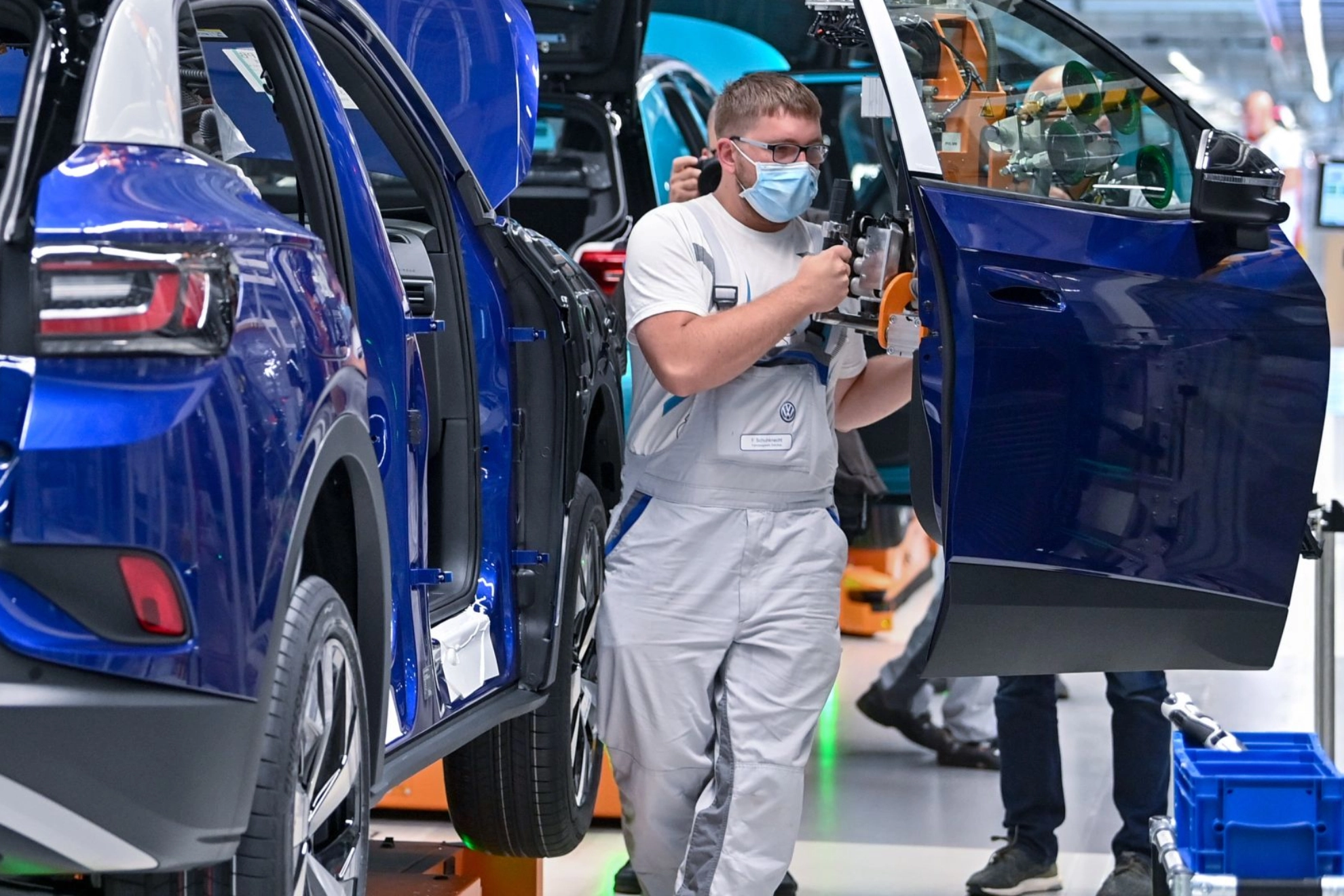
The automotive industry is undergoing a comprehensive structural transformation. Digitalization, connectivity, the automation of products and production, as well as the emergence of new mobility services and innovative, digital business models are playing an increasingly important role. However, the most important driver of these changes is climate protection.
Why do we need to rely on new powertrains?
CO2 emissions from hundreds of millions of passenger cars and trucks contribute significantly to climate change worldwide. This has led to growing global pressure to transition to more climate-friendly alternative propulsion technologies. As a result, many countries have already announced phase-out dates for fossil-fuel-powered internal combustion engines. The European Commission also wants all new cars registered in the EU to be climate-neutral starting in 2035. And in China—Germany’s most important export market—alternative powertrains are also being promoted. The result is a global trend toward decarbonization, alternative powertrains, and, in particular, electrification.
What are the policy requirements?
Germany recently tightened its climate targets and enacted a new Climate Protection Act; according to this law, the Federal Republic is to become climate-neutral as early as 2045, rather than in 2050. The path to achieving this goal is also to be more ambitious: By 2030, CO2 emissions are to be reduced by 65 percent, instead of the 55 percent called for in the “old” Climate Protection Act. Federal policymakers have stepped up their climate protection efforts after the Federal Constitutional Court ruled in April 2021 that parts of the “old” German Climate Protection Act were unconstitutional and the EU tightened its climate protection targets in December 2020. So while federal policymakers in Germany are currently tightening the reins on climate protection, in Europe it is the European Commission that wants to pick up the pace on climate action. It aims for Europe to become the first climate-neutral continent. To achieve this, greenhouse gas emissions in Europe are to fall by at least 55 percent by 2030. The European Commission has just presented a detailed plan, “Fit for 55,” outlining how this is to be achieved. Among other things, it includes a ban on internal combustion engines starting in 2035—a measure being introduced through the back door.
What CO2 regulations apply to the automotive industry?
The regulation on fleet emission limits was last revised in 2019. Since then, automakers have been required to reduce the CO2 emissions of their fleets by 37.5 percent by 2030 compared to 2021. Now the European Commission has gone a step further: Starting in 2035, the reduction in CO2 emissions compared to 2021 is to be 100 percent. In plain language, this means that all new cars registered by then must produce zero CO2 emissions. At the same time, at the national level, the German government’s current target for the transportation sector remains to reduce CO2 emissions from transportation by 40 to 42 percent (compared to 1990 levels) by 2030. However, the transportation sector in Germany is still far from achieving this target as well.
Why is the industry increasingly focusing on electric cars?
Many countries have set phase-out dates for fossil-fuel-powered internal combustion engines. China, one of the most important export markets, has made a political commitment to electric cars as the future alternative. But even in the German and European domestic markets, the stricter CO2 limits for the automotive industry by 2030 and 2035, respectively, can only realistically be achieved through battery-electric powertrains—that is, purely battery-powered vehicles and plug-in hybrids. To meet these limits, between 14 and 16 million electric cars will need to be on the road by 2030. This means that the lion’s share of new vehicles sold each year will be electric by 2030.
What about hydrogen and e-fuels?
Both the direct use of green hydrogen in fuel cells and the use of synthetic fuels in internal combustion engines—with green hydrogen as an intermediate product—can contribute to climate-neutral mobility. These technologies offer the best solution, particularly in areas where the use of batteries is not a viable or optimal option from a technological standpoint. For example, in air and maritime transportation. Hydrogen can also play a role in heavy-duty transport and commercial vehicles. However, the lighter the vehicle, the more efficient and economical the electric car becomes. Consequently, the use of fuel cells in passenger cars is expected to remain very limited over the next 10 to 15 years. Forecasts predict that by 2040, the share of fuel-cell passenger cars will be only 10 percent. Their contribution to achieving the climate targets for passenger cars by 2030 is therefore negligible.
Are there even enough batteries and battery raw materials?
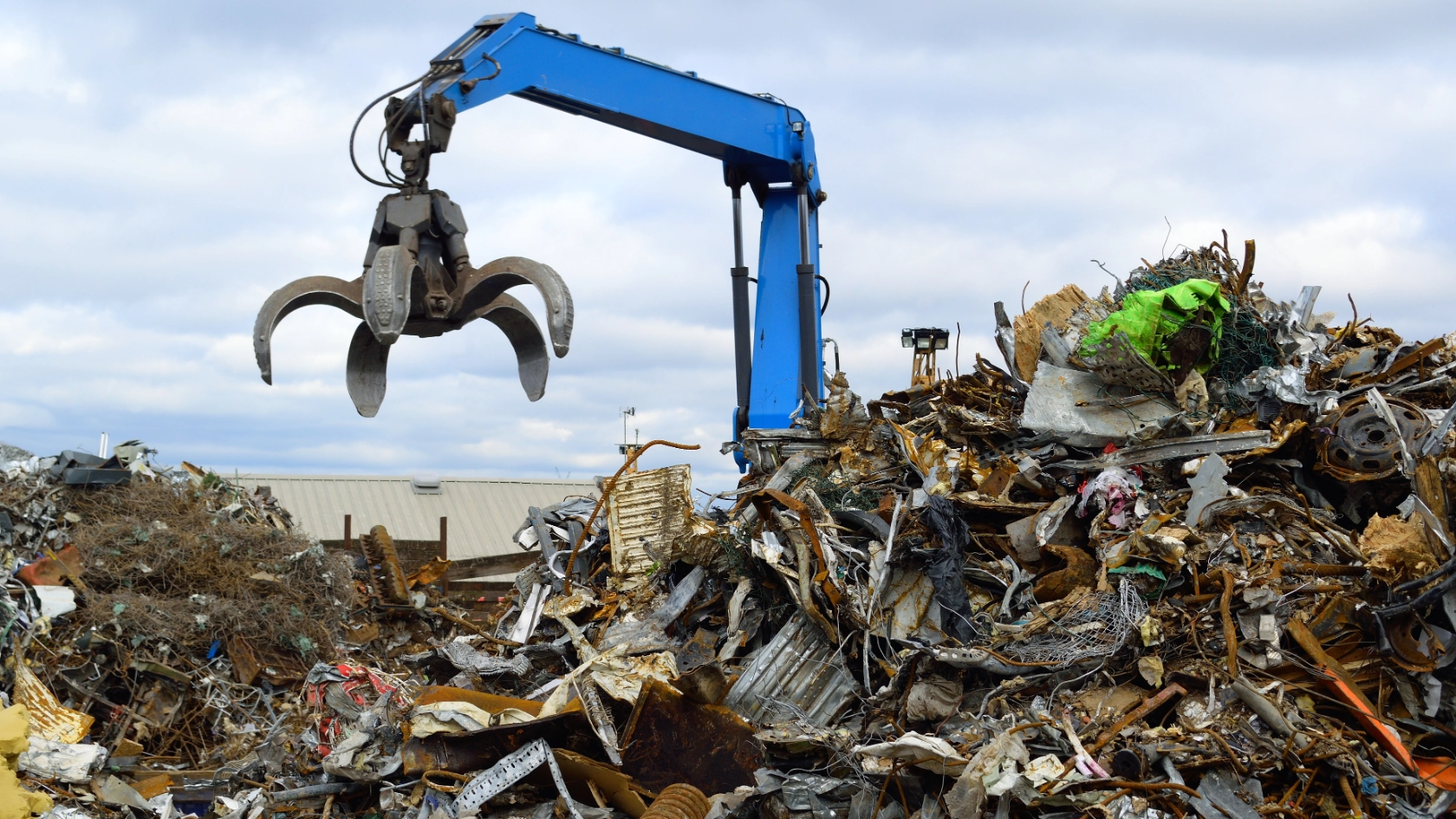
Demand for batteries will double over the next two to three years. Fortunately—and as called for by IG Metall —nearly 40 battery factories are currently planned in Europe to meet future demand. One challenge will be securing the supply of critical raw materials in light of the expected production volumes in the automotive market of the future. The International Energy Agency (IEA) sounded the alarm on this issue in May 2021, and companies and policymakers still have work to do. In the long term, recycling can help ensure supply security. For example, VW already has a pilot plant for battery recycling in Salzgitter, while battery production there won’t begin until 2025.
And what about the charging infrastructure?
A study conducted by the Reiner Lemoine Institute for the Federal Ministry of Transport estimates a need for 5 to 9 million charging points at residential locations, around 2.5 million charging points at workplaces, and between 450,000 and 850,000 public charging points. We are still very far from meeting these figures. If Germany truly wants to have at least 14 million electric vehicles on the road by 2030, the construction of charging infrastructure must accelerate dramatically; otherwise, the transition to a future of electric mobility will still get stuck. This is where policymakers must step in. And there’s another issue: Electric mobility only truly contributes to climate protection if vehicles are powered by green electricity. Therefore, the federal government must also significantly ramp up the expansion of renewable energy.
What does this structural change mean for workers?
The structural change resulting from the transportation transition poses significant risks to employment in the German automotive industry. With new technologies and products, production structures and processes—as well as skill requirements—are changing, in some cases fundamentally. Furthermore, electrification in the mobility sector could lead to significant job losses. At least, this is the conclusion reached by all currently known and relevant studies on the topic, albeit with results that vary widely in some cases.
Are jobs already being cut in the automotive industry?
Yes. While employment in the German automotive industry rose by 18.9 percent from 2010 to 2018, structural change led to job losses beginning in 2018. This resulted in a decline in employment of -1.3 percent in 2019 and -2.6 percent in 2020. Nevertheless, there are also opportunities. New jobs—for example, in battery manufacturing and battery recycling—can be created here if the right political framework is established. Refusing to embrace structural change would spell the end of the industry. The products of the future will be climate-neutral.
What role does IG Metall play in the transformation of the automotive industry?
The transformation of this key industry has long been a core issue for IG Metall. To ensure that the cars of the future are developed and produced in Germany, IG Metall has for many years been calling for comprehensive political support for this process, including investments in infrastructure, regional structural policy, skills development, and forward-looking corporate strategies. IG Metall’s works councils are putting pressure on their companies to invest in innovative and climate-friendly technologies and products, to restructure their production processes, to develop sustainable business models, and to tap into new opportunities for value creation. IG Metall also raises these issues during collective bargaining disputes.
How do collective bargaining agreements help with the transformation?
To ensure that jobs truly have a future, companies must invest in their locations, in new products, in technology, and in training. However, surveys conducted by IG Metall show that half of all companies have no plan for the future and are underinvesting. With the current collective bargaining agreement for the metal and electrical industries, IG Metall can now take the initiative itself and call on employers to engage in discussions about the future.
What specifically is IG Metall demanding from policymakers?
Policymakers must recognize the consequences of their climate policy decisions and take all necessary industrial, structural, and employment policy measures to shape this transition fairly and successfully. If targets are tightened, then the framework conditions for achieving them must be created. And careful consideration must be given to which technology is right for which sector in order to meet climate targets and successfully restructure our industry in line with this goal. “The optimal solution for every mode of transportation” is the guiding principle here. Different energy sources—such as batteries, fuels, fuel cells, and hydrogen—all have their specific roles to play, depending on cost, availability, efficiency, and sustainability.
What has IG Metall already achieved politically?
At IG Metall’s urging, policymakers established a “Future Fund for the Automotive Industry” with a budget of one billion euros. The funding recommendations developed by the Future Fund are based on three pillars: The first pillar focuses on consistent “digitalization in the automotive industry.” This package includes, among other things, funding for semiconductor architectures, AI-based components, digital twins, and operating systems. A second pillar lists funding initiatives aimed at sustainably “strengthening the value chains of future mobility.” Here, for example, funding is to be provided for a production research network focused on innovative industrial production methods in the fuel cell value chain, as well as processes and facilities for circular production. The third pillar of the Future Fund focuses on a comprehensive transfer strategy. By funding regional transformation networks, the fund is taking up a proposal from IG Metall and providing a total of 200 million euros in funding.
What private-sector initiatives has IG Metall launched?
For companies whose prospects are dwindling due to the transformation, IG Metall has developed the concept of a Best Owner Group (BOG). This equity participation model is aimed at suppliers of internal combustion engine technology. The concept of a Best Owner Group works as follows: Using funds from an equity fund, a supplier company—which, due to its product portfolio, is inevitably set to downsize in the long term and for which alternatives such as further development within the corporate group, etc., cannot be realized—is acquired as a majority stake and actively managed until the non-renewable products are phased out. Given the long remaining term, workforce reductions can be planned effectively and in a socially responsible manner, taking into account the age structure of the workforce. Employees can also be trained over an extended period for future-proof roles as part of qualified workforce planning processes—which may also be organized regionally within clusters.
You can find comprehensive information on the current implications of the stricter EU climate targets for powertrains, technologies, and employment in the IG Metall expert paper:
Fit for 55 – IG Metall Expert Paper on Greenhouse Gas Reduction (PDF, 28 pages, 6.28 MB)