235 euros—that’s how much a megawatt-hour of electricity cost on average on the power exchange in 2022. This figure sums up the problem facing industry in Germany. After all, in 2020, the annual average price was still 30 euros.
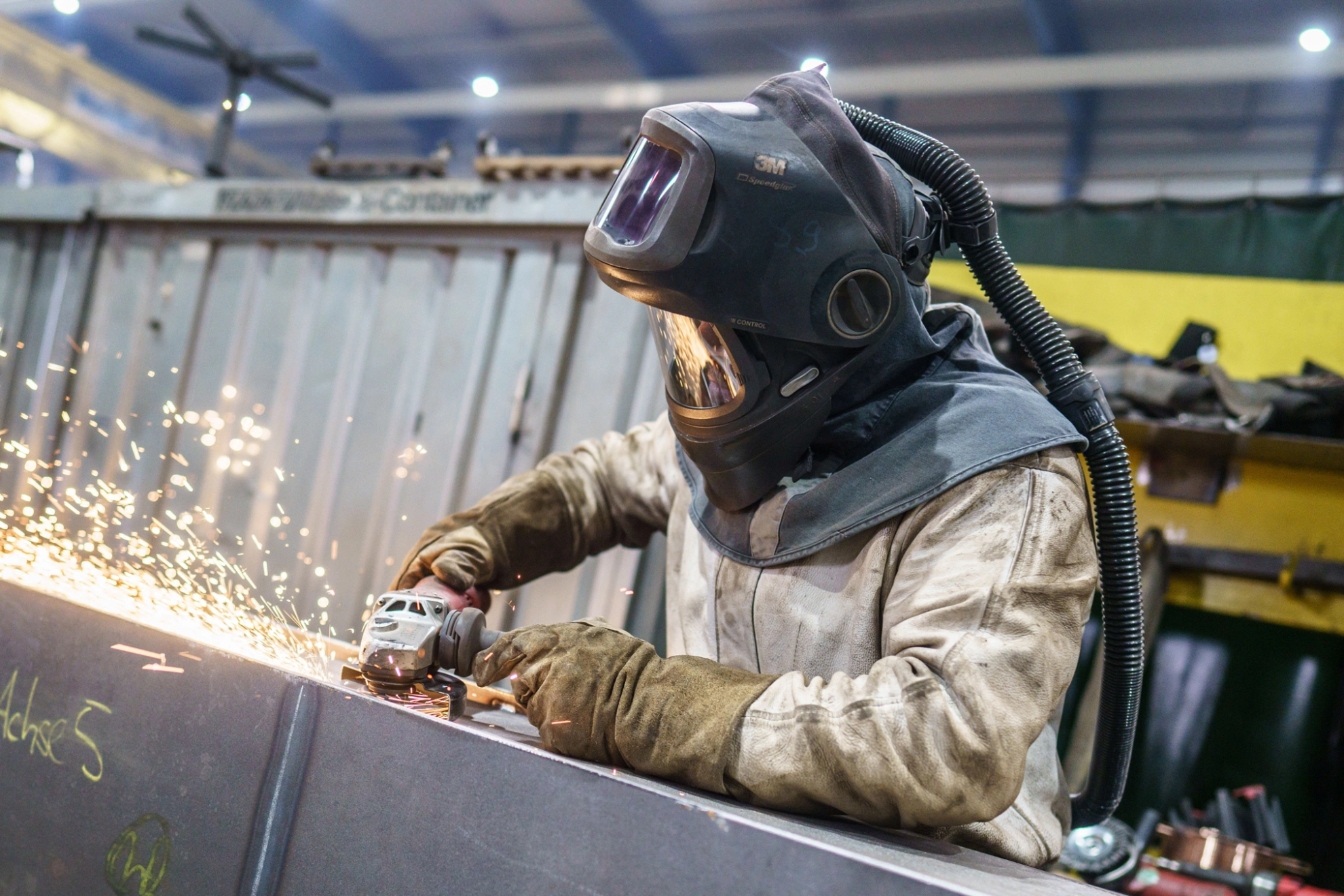
For energy-intensive sectors such as the steel and chemical industries, high electricity prices represent an enormous burden.
By European standards, Germany has some of the highest electricity prices. This jeopardizes the international competitiveness of German companies. Facilities could be closed, and jobs could be lost.
Day of Action for Affordable Industrial Electricity
IG Metall is drawing attention to this situation on March 9 during a nationwide day of action—together with IG BCE and IG BAU.
The core demand of the three industrial unions: Policymakers must act. They must introduce a special industrial electricity rate for energy-intensive sectors that is competitive on a European scale, internationally competitive, and ensures long-term predictability.
“The federal government must take decisive action on the industrial electricity price,” says Jörg Hofmann, President of IG Metall. “Otherwise, steel production, the aluminum industry, and other energy-intensive sectors are at risk of disappearing from Germany sooner or later.”
Hundreds of thousands of jobs would be directly and indirectly affected, Hofmann warns. “These are skilled, well-paid jobs—most of which are protected by collective bargaining agreements—that are being lost gradually because investments are no longer being made here due to excessively high electricity costs. Policymakers must prevent this.”
Domino Effect Looms
If prices remain as high as they are now, energy-intensive industries in Germany face extinction in the medium to long term.
IG Metall warns of a cascade effect: If we fail to keep the basic materials industry in Germany, it will have dramatic consequences for the country’s entire industrial base and jobs here—far beyond the sectors directly affected.
Furthermore, excessively high electricity costs jeopardize the transition to climate-neutral production methods, which require massive investments. However, due to high energy costs in Germany, such strategic investments in green technologies could take place abroad, creating the jobs of the future there instead.
A fair industrial electricity price could prevent this—if it is implemented quickly enough.
About the Day of Action: On March 9, employees will demonstrate as part of a nationwide Day of Action for a competitive industrial electricity price—and thus for the security of their jobs. Several dozen public and company-wide actions and rallies are planned.