Here’s what our candidates at DAK have to say:
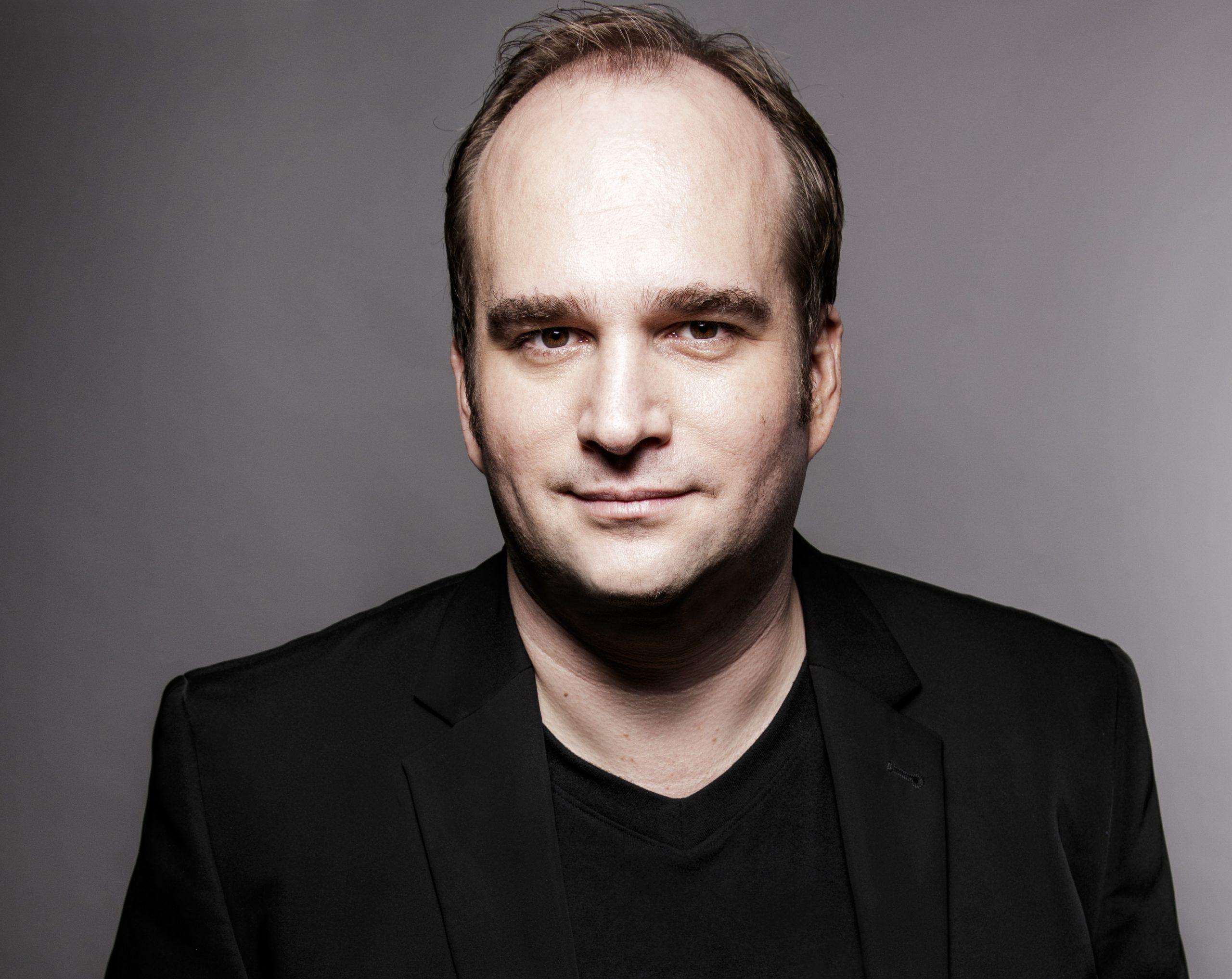
“The healthcare system must be geared toward the needs of the insured”
… says Sebastian Roloff (39), lawyer and member of the Bundestag.
Why are you involved in social self-governance?
Because it ensures that insured individuals have a say. Self-governance is organizationally and financially independent of the state. It is an important tool for balancing different interests. Employers and insured individuals are represented on an equal footing and, for example, draw up the budget, elect the board members, and oversee budget management and administration. I consider it very important that the interests of the insured are represented here, and I’d like to contribute my expertise to this effort. The insured individuals finance a large portion of the system and rely on its benefits.
What issues are particularly close to your heart?
I’d especially like to advocate for fair and guaranteed co-determination for the insured. Everyone should be able to have a say. In my opinion, this is the only way to create a functioning system in which everyone can be encouraged and supported according to their abilities and needs. It’s also important to me to pave the way for an innovative and fair future for health insurance—and thus to ensure healthcare for future generations as well.
What does the healthcare system of the future look like to you?
Ideally, it would be characterized by all citizens contributing to its financing according to their means. The healthcare system’s services must be guided by the needs of the insured, not by economic conditions such as per-case flat rates.
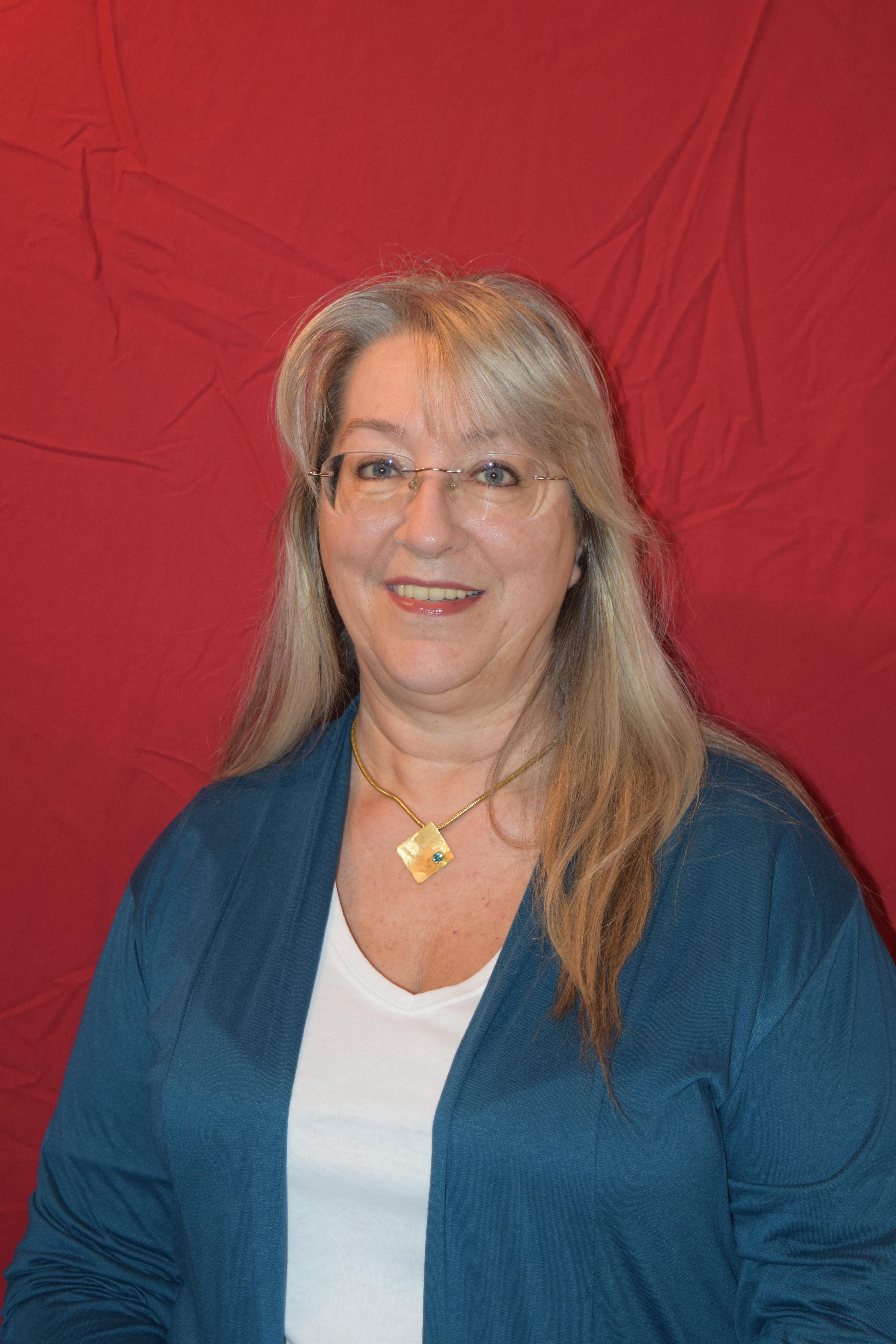
“Democracy is not a one-way street”
… says Gabi Reineke (63), a social worker.
Why are you involved in social self-governance?
Democracy isn’t a one-way street. It only works if people participate and take responsibility. As an insured person, I want to do my part.
What issues are particularly close to your heart?
A social reform of long-term care insurance that focuses on solidarity-based financing and supports people.
What does the healthcare system of the future look like to you?
It should provide equally good care for everyone, regardless of their personal income or status. This requires solid, solidarity-based funding.
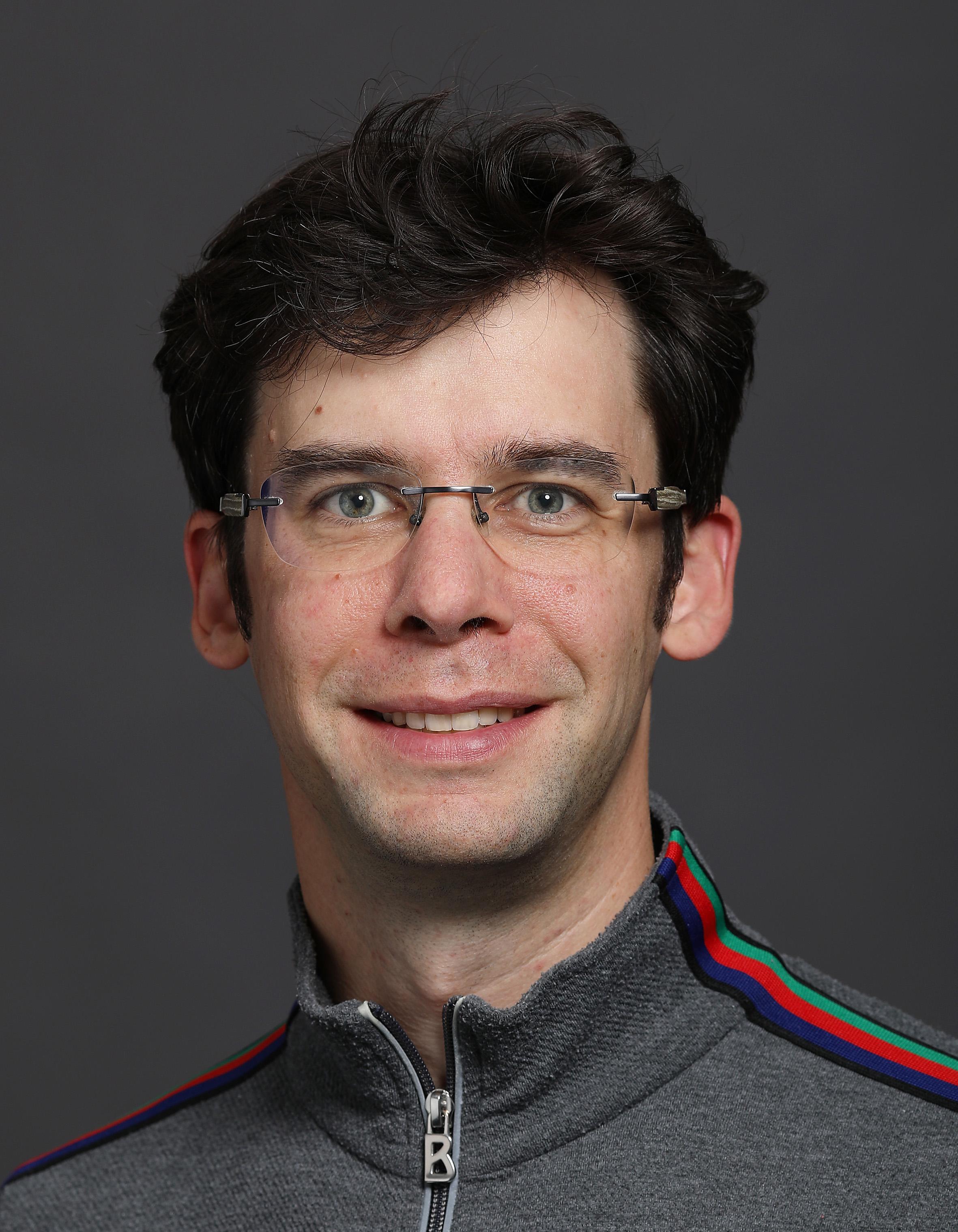
“Essential services must be available without any ifs or buts,”
… says Alexander Mayr (40), works council member at Cariad SE
Why are you involved in social self-governance?
Through my parents, I was exposed to issues related to our social insurance system at an early age. The principle of solidarity means a lot to me, and I want to do my part to help shape the future of social insurance.
What issues are particularly close to your heart?
Personally, it’s important to me to place even greater emphasis on health promotion: Attractive programs require effort, but they can prevent follow-up costs and safeguard the health of many people at an early stage.
What does the healthcare system of the future look like to you?
The healthcare system of the future is based on solidarity, is modern, and, above all, is tailored to people’s needs. It’s important to me that, when needed, all necessary services are available without any ifs or buts. Health insurance benefits must be modern and constantly evolving. This also applies to the topic of prevention. At the same time, we must avoid waste—such as through unreasonable costs and one-sided profits.
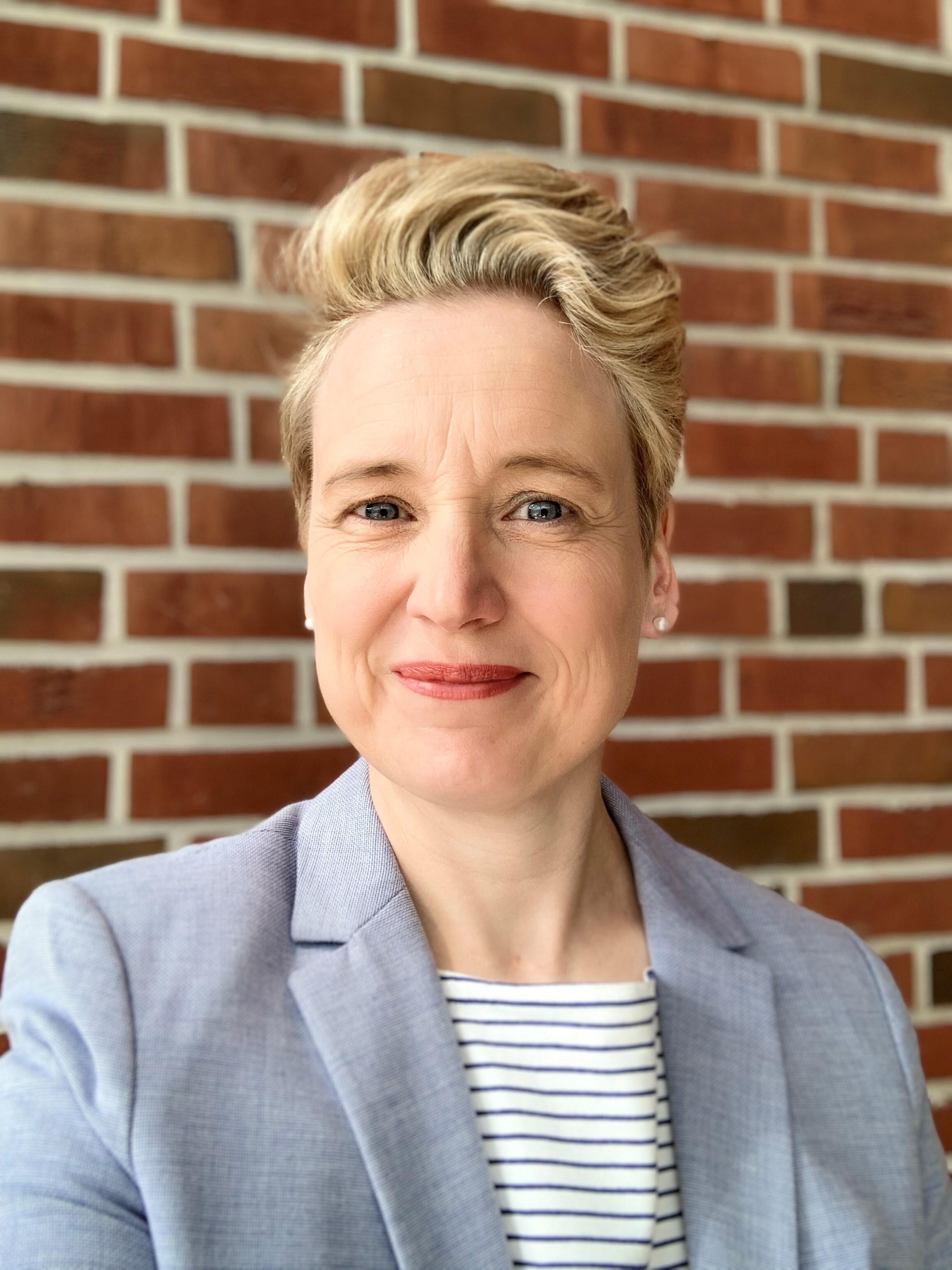
“People Come First”
… says Karina Kleinwegen (47), a mechanical engineering technician.
Why are you involved in social self-governance?
So that I can help decide on concrete improvements for the insured.
Which issues are particularly close to your heart?
People come first—that’s especially true when it comes to health and care. I’m happy to advocate for that.
What does the healthcare system of the future look like to you?
In this healthcare system, fairness prevails: solutions and services tailored to individual needs and relevant to everyday life for everyone.