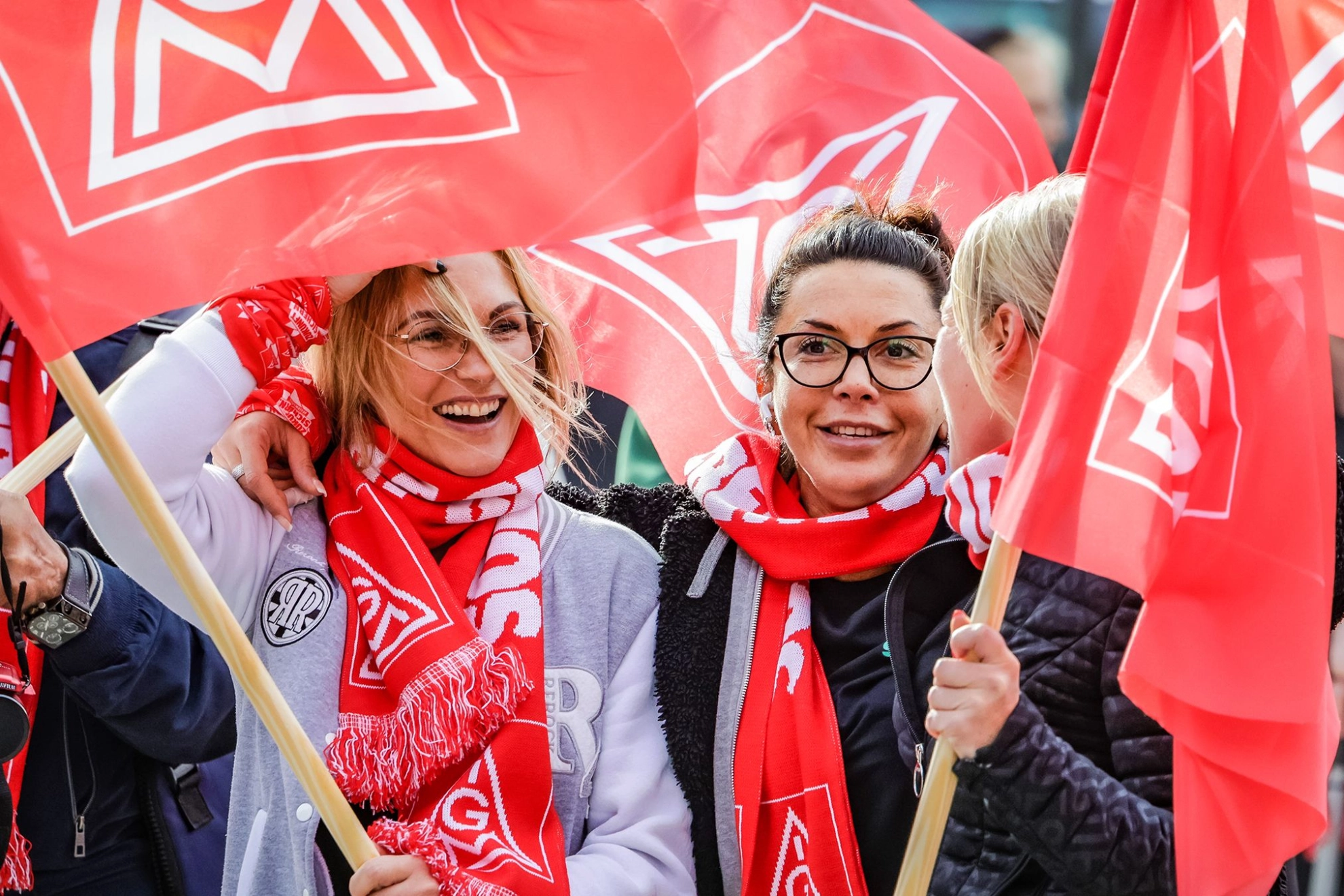
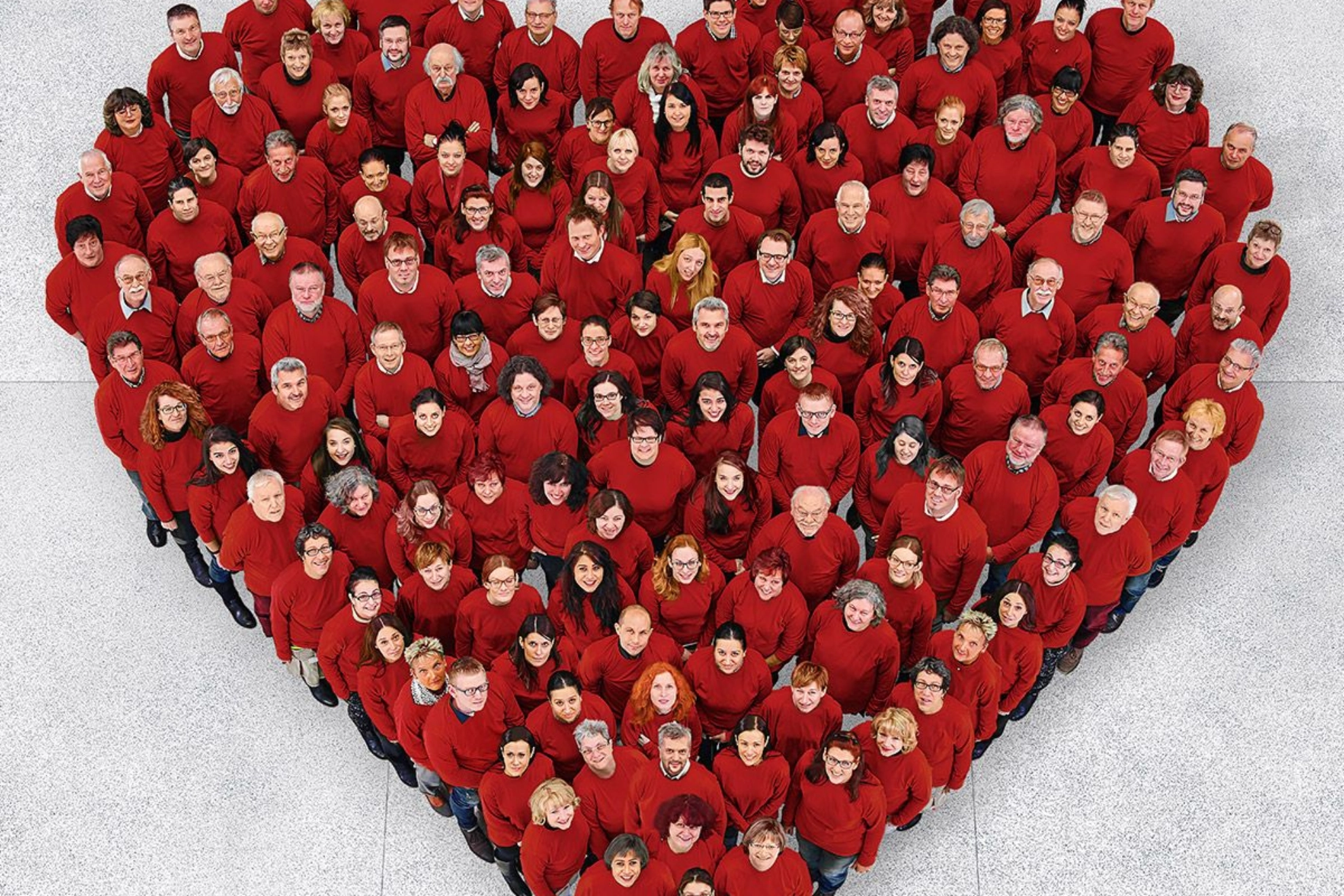
They are colleagues, mothers, daughters, partners, and friends—and an indispensable part of our everyday lives. March 8 belongs to them.
Every year on this day, thousands of people take to the streets. Through rallies, protests, and workplace events, they make it clear: Equality is not a closed chapter—it’s more relevant than ever.
For despite much progress, the reality remains clear: Women continue to shoulder the bulk of unpaid care work, are more likely to work part-time, are less frequently represented in leadership positions, and earn less on average.
International Women’s Day therefore not only commemorates historical achievements—it also highlights where action is still needed. And there will still be a great deal to be done in 2026.
Voucher for Online Seminars
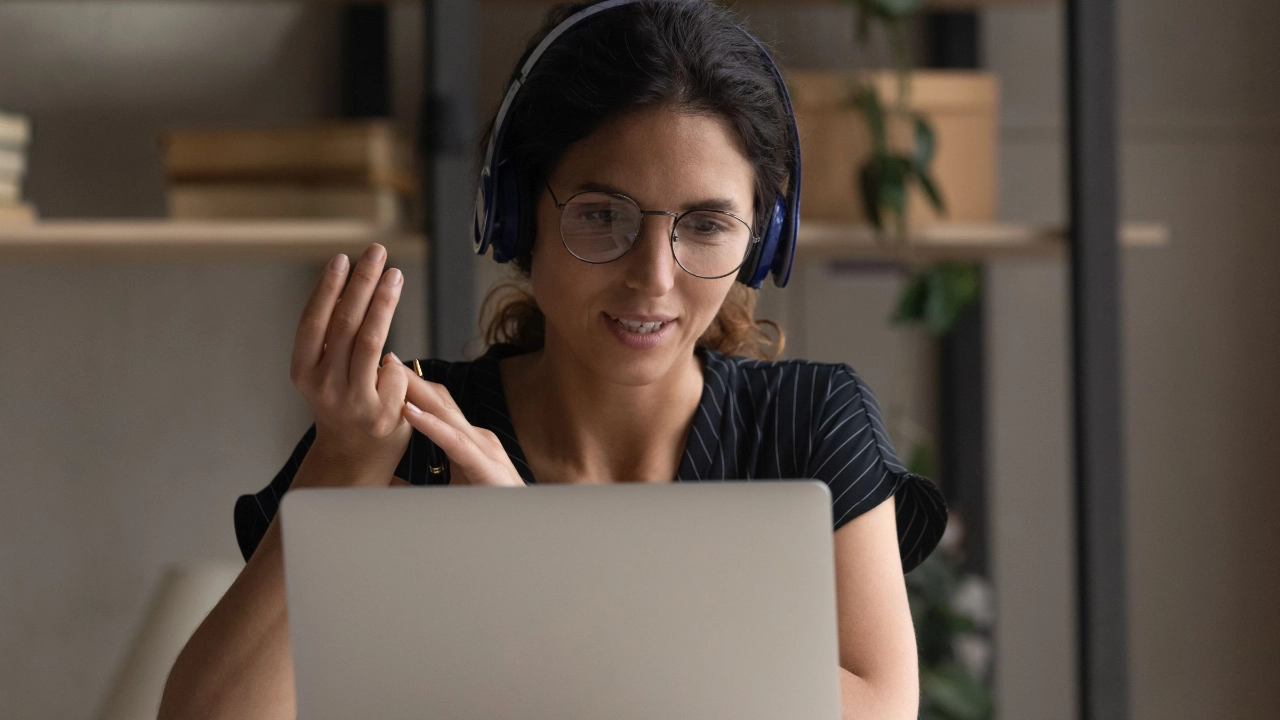
To mark International Women’s Day on March 8, 2026, female employees will receive a voucher from IG Metall for several interesting online seminars.
Those interested can register for the seminars here
Learn more about our online seminars for International Women’s Day
Equal pay remains long overdue
In Germany, women continue to earn, on average, about 16 percent less per hour than men. Even when differences in qualifications, industry, and working hours are taken into account, an adjusted gap of about 6 percent remains. This shows that the issue is not about individual decisions, but about structural discrimination. Women are more likely to work in lower-status jobs, shoulder the bulk of unpaid care work, and are less frequently represented in leadership positions. The EU Pay Transparency Directive requires Germany to increase transparency and reporting obligations by 2026. It will be crucial that these requirements are effectively implemented and monitored. Equal pay for equal work and work of equal value must finally be achieved.
Collective bargaining promotes equality
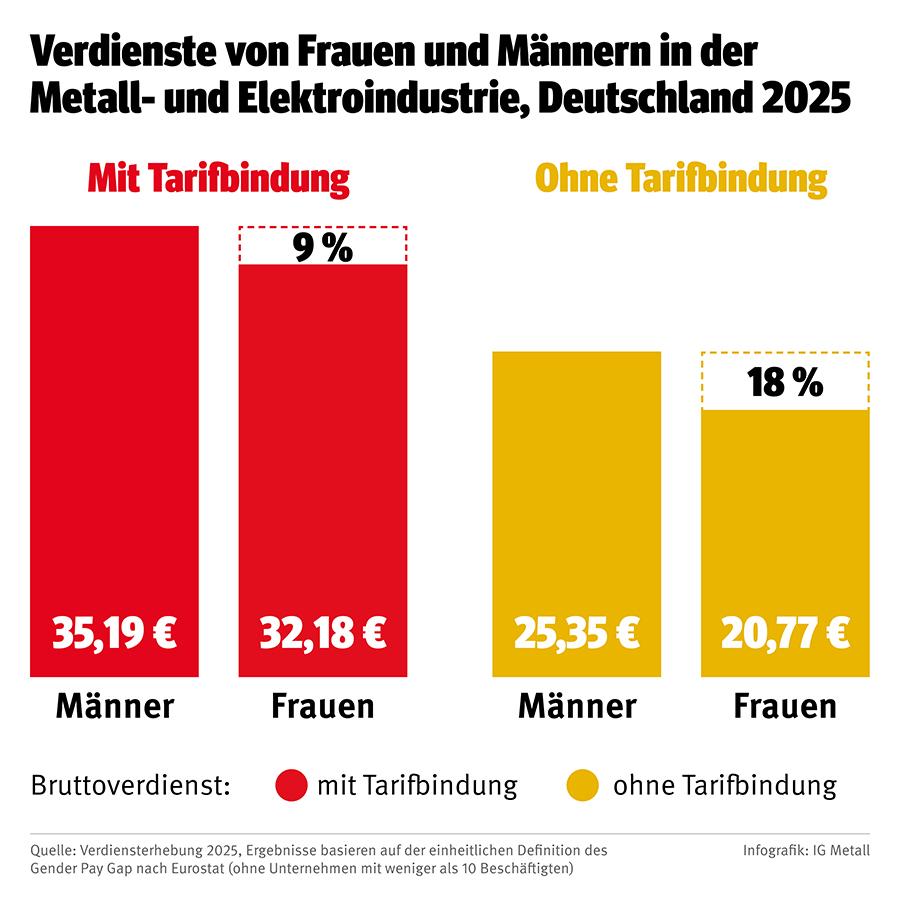
Where collective bargaining agreements apply, the pay gap is significantly smaller. In the metal and electrical industries, it stands at around 9 percent in companies bound by collective bargaining agreements and at about 18 percent in those not bound by them. Collective bargaining thus cuts the pay gap in half. “This shows that collective bargaining works—and has a lasting impact!” emphasizes Christiane Benner, President of IG Metall. “After all, higher pay also means less poverty in old age, greater independence for women, and higher tax revenues for the common good!” Transparent pay grades, binding pay structures, and strong worker participation ensure transparent and fair compensation. Collective bargaining agreements are therefore a key lever for equality—not only in terms of pay, but also regarding working hours, training, and career development.
Empowering women means securing the future
In addition to the fight for good working conditions and greater equality, another struggle is currently unfolding: the fight to safeguard the achievements of recent decades. In Germany, as in other countries of the European Union, populist, anti-democratic, and anti-feminist tendencies are gaining increasing momentum. Women’s rights, the commitment to gender justice, and equality are coming under ever-greater pressure.
One year of the federal government is behind us—and there is still much to be done on gender equality. The implementation of the European Pay Transparency Directive cannot be delayed—women must be able to effectively enforce their right to equal pay. Collective bargaining agreements protect against wage discrimination, which is why a law ensuring compliance with collective bargaining agreements must be enacted.
Parents and family caregivers need tangible relief. Improvements to parental leave benefits, the “Family Start Period,” and wage replacement benefits for caregivers are long overdue. At the same time, there needs to be a massive expansion of child care and a right to reduced working hours.
Equality is not achieved through appeals alone. It requires clear political decisions and strong worker participation in the workplace.
365 Days a Year – IG Metall Stands Up for Equality
For International Women’s Day on March 8, 2026, we’re once again offering female employees a voucher for several interesting online seminars. The voucher can be redeemed here starting now.
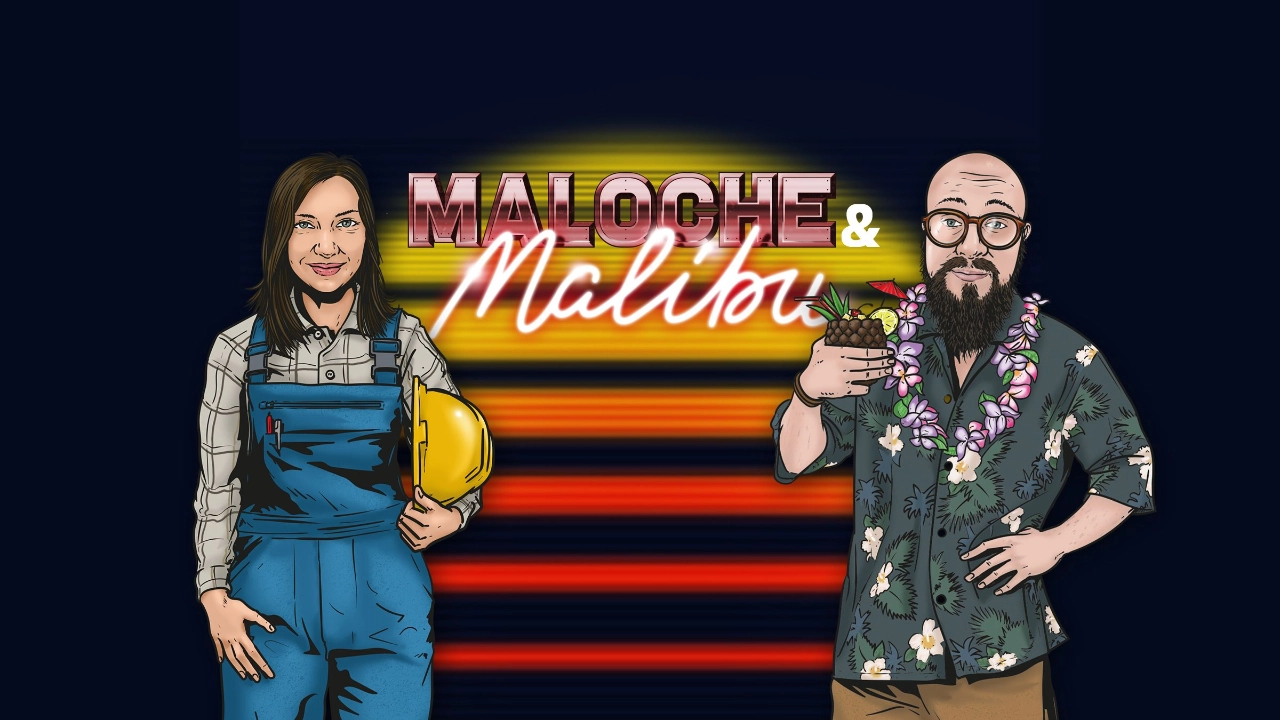
We’re also offering our podcast series“Die Metallerin”by IG Metall Women, featuring fascinating guests, and recommend two episodes of the IG Metall podcast “Maloche und Malibu”:“Adrenaline Is a Woman’s Thing”and“Children as Career Killers—What We’re Doing About It.” These podcast episodes explore why it’s important for women to work on machines and form solidarity groups, as well as the issue of discrimination against parents in the workplace.