At the gas pump, when receiving their heating bills, or at the supermarket checkout, many German citizens are currently experiencing more than just a rumbling stomach: People with low and moderate incomes, in particular, are facing ever-greater financial hardship due to rising energy prices. They are literally at the bottom of the food chain, while companies can pass on the higher costs of production and transportation.
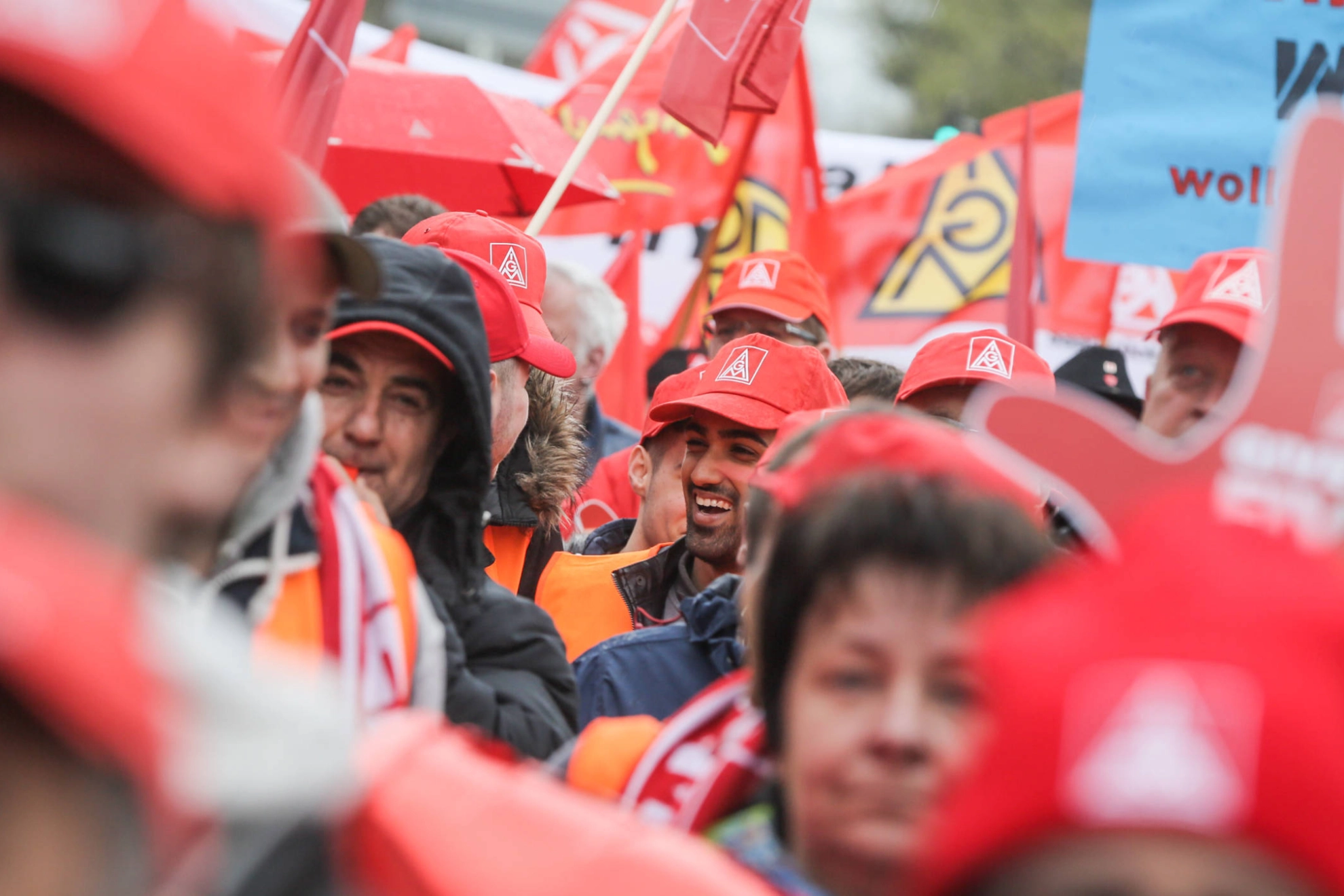
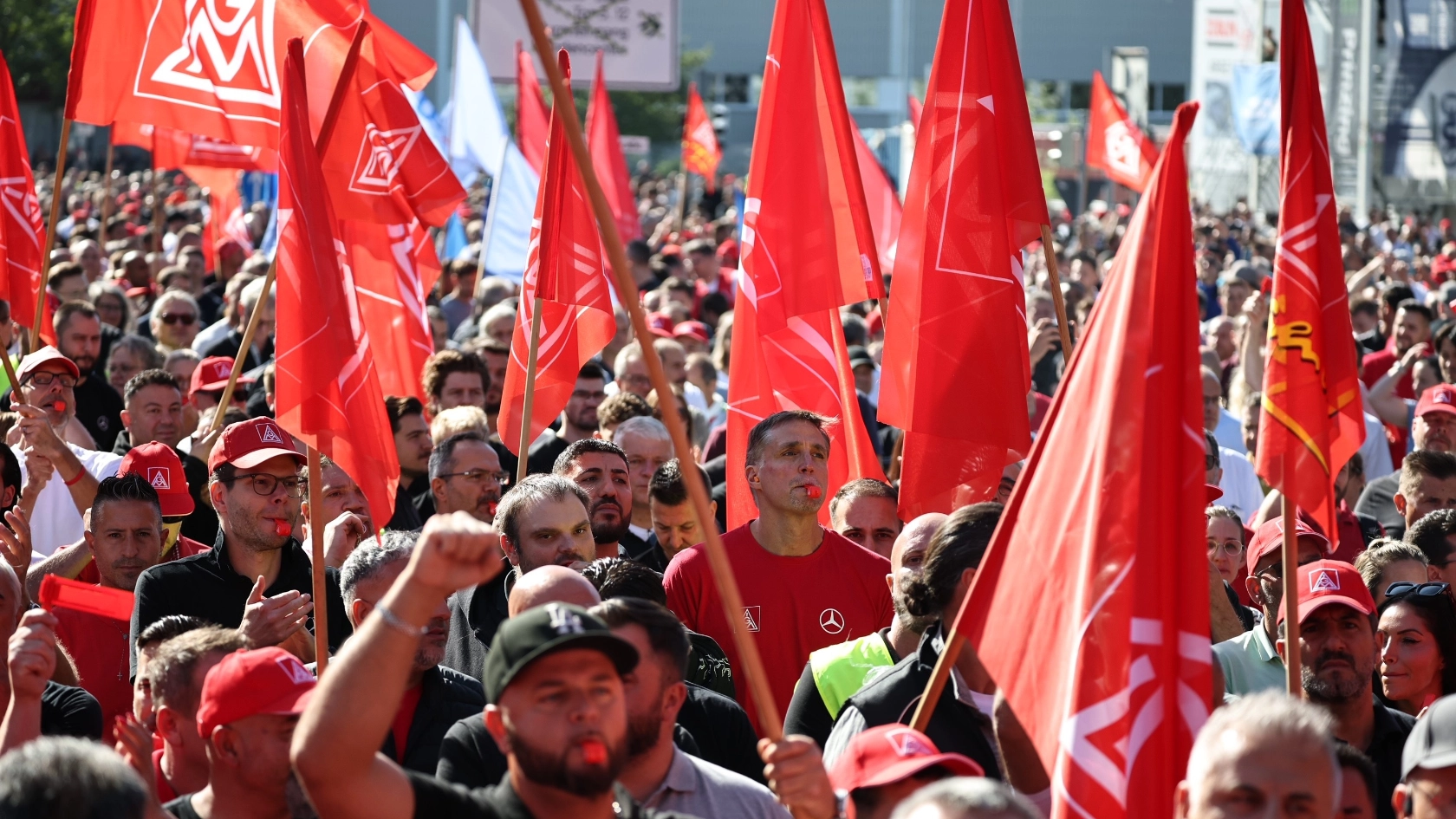
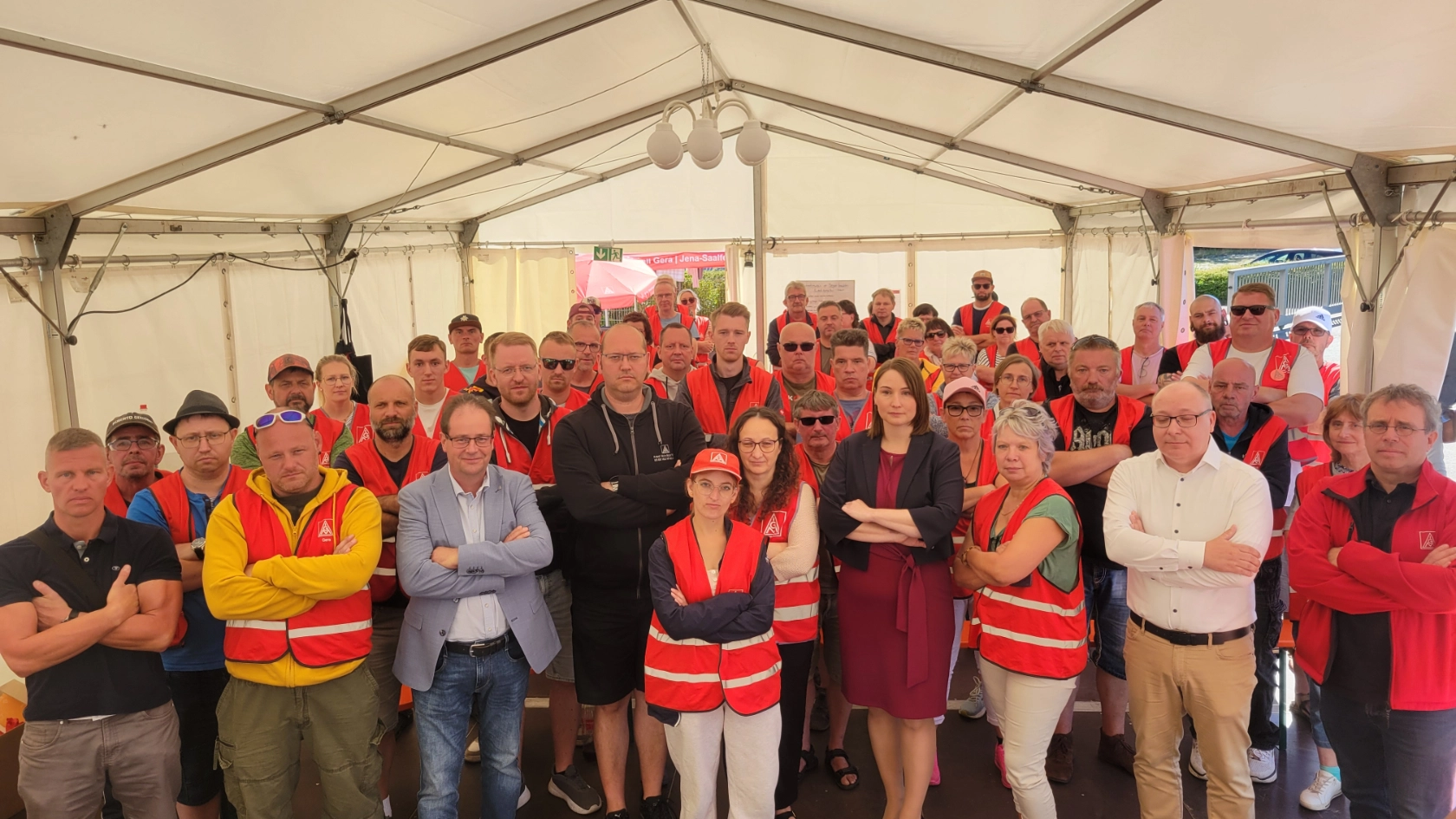
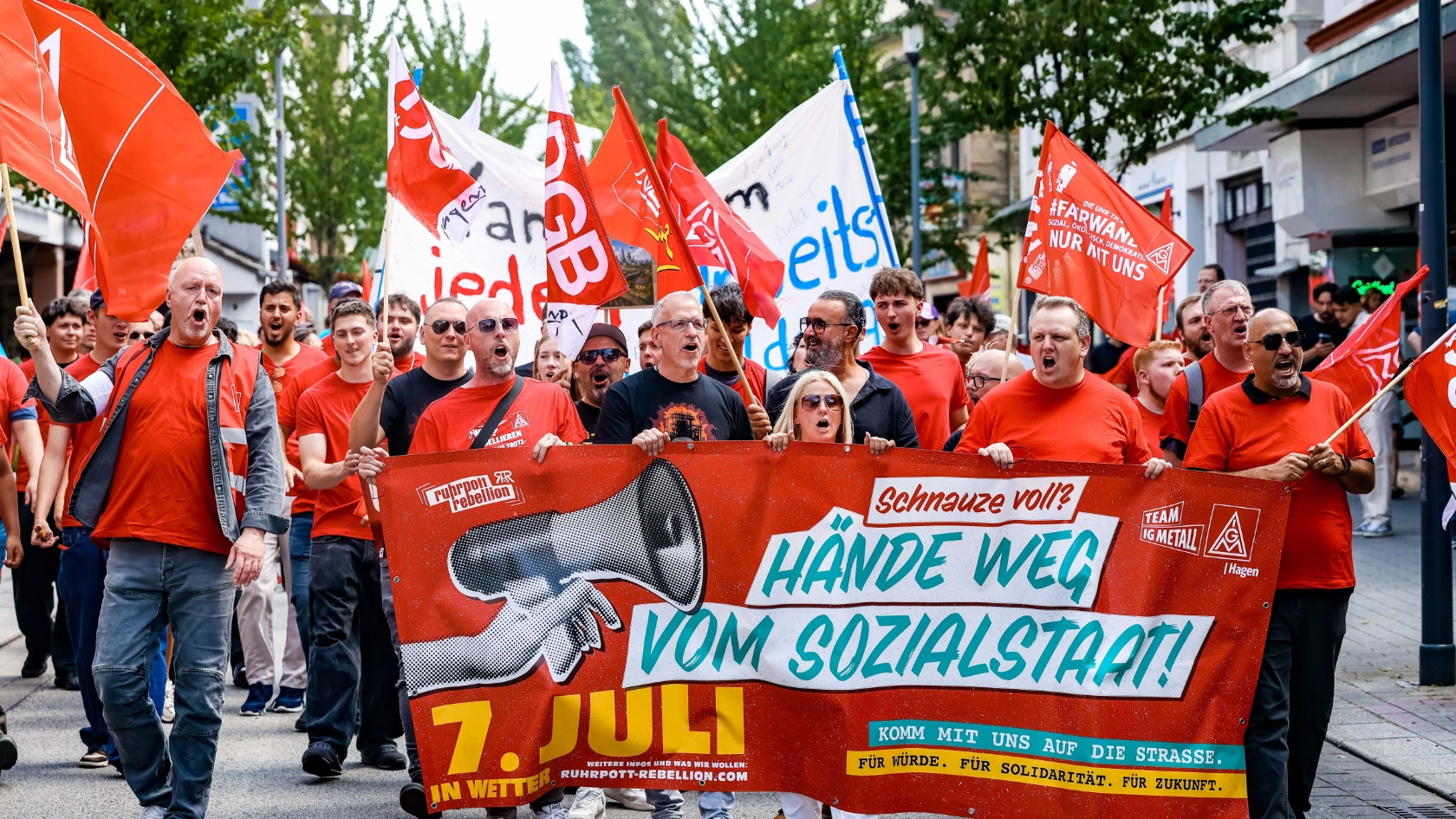
But empty stomachs and power cuts must not be the result—that’s what IG Metall is fighting for. With your vote, you can support our demands for further relief: “Skim off crisis profits—cap costs” (Note: Campaign concluded; participation is no longer possible).
Spoil the fun for ruthless speculators
IG Metall has been warning for several weeks now: Numerous companies are exploiting the crisis to boost their profits at the expense of consumers. This is particularly evident at the gas pump: Wholesale prices for gasoline and diesel have risen significantly more than crude oil prices—here, powerful corporations are ruthlessly leveraging their market power to rake in extra profits.
The federal government must no longer allow this to continue. For IG Metall, the solution is clear: tax excess profits. It’s worth looking across the Alps for inspiration. Italy has already introduced such a special tax. Germany should follow suit. After all, such a tax would be fair, serve as a deterrent, and could counteract unjustified price hikes. It would also generate revenue that could be used to provide further relief for the general public.
Cap Gas Prices
The rapid rise in gas prices is dangerous in two ways: It makes household gas consumption more expensive and drives up electricity prices, since gas is also used to generate electricity. For an average family, the additional costs can quickly add up to 100 euros per month. IG Metall is therefore calling for a cap on the gas price for a household’s basic consumption of 8,000 kWh.
The gas price cap should be based on the price level at the end of last year and amount to approximately 7.5 cents per kWh. The federal government should compensate gas suppliers for the additional costs based on the wholesale price to avoid excessive compensation.
IG Metall also calls for the following: To ensure that gas prices no longer drive up electricity prices, a price cap should also apply to the gas used for electricity production. The regulations recently introduced in Spain and Portugal can serve as a model for this.
Don’t Forget Retirees and Students
Relief measures must reach everyone who needs them. This is what IG Metall is demanding, with a particular focus on retirees, students, and the unemployed. There was recently a huge outcry in Germany when the federal government simply left them out of its relief packages. Some of the relief packages devised in Berlin so far have been unbalanced—for example, they were aimed only at working people subject to income tax. IG Metall is therefore using its petition campaign to advocate for retirees, students, and the unemployed, and is urging policymakers to take urgent corrective action in this area.
IG Metall Presses On After Partial Successes
IG Metall has been campaigning for many weeks to ease the financial burden on German citizens. The government has already implemented some of its demands: For example, starting in July of this year, the EEG surcharge will be paid entirely from tax revenues. This directly lowers the price of electricity.
The federal government has also adopted IG Metall’s demands to adjust the basic income tax exemption to account for rising prices and to provide tax relief for commuters.
Measures such as the energy price allowance, the increase in the basic exemption, and the child bonus provide relief of several hundred euros a year for a typical family of four, for example. That’s a good start. But it has long been clear that the two packages of measures launched by the federal government are not yet enough. By signing this petition, you can support IG Metall’s additional demands for a tax on speculation and a cap on gas prices, and also make it clear that policymakers must support retirees, students, and the unemployed—who have largely been left empty-handed so far. The collected list of signatures will then be handed over to policymakers, demonstrating that we are serious: we need further relief!