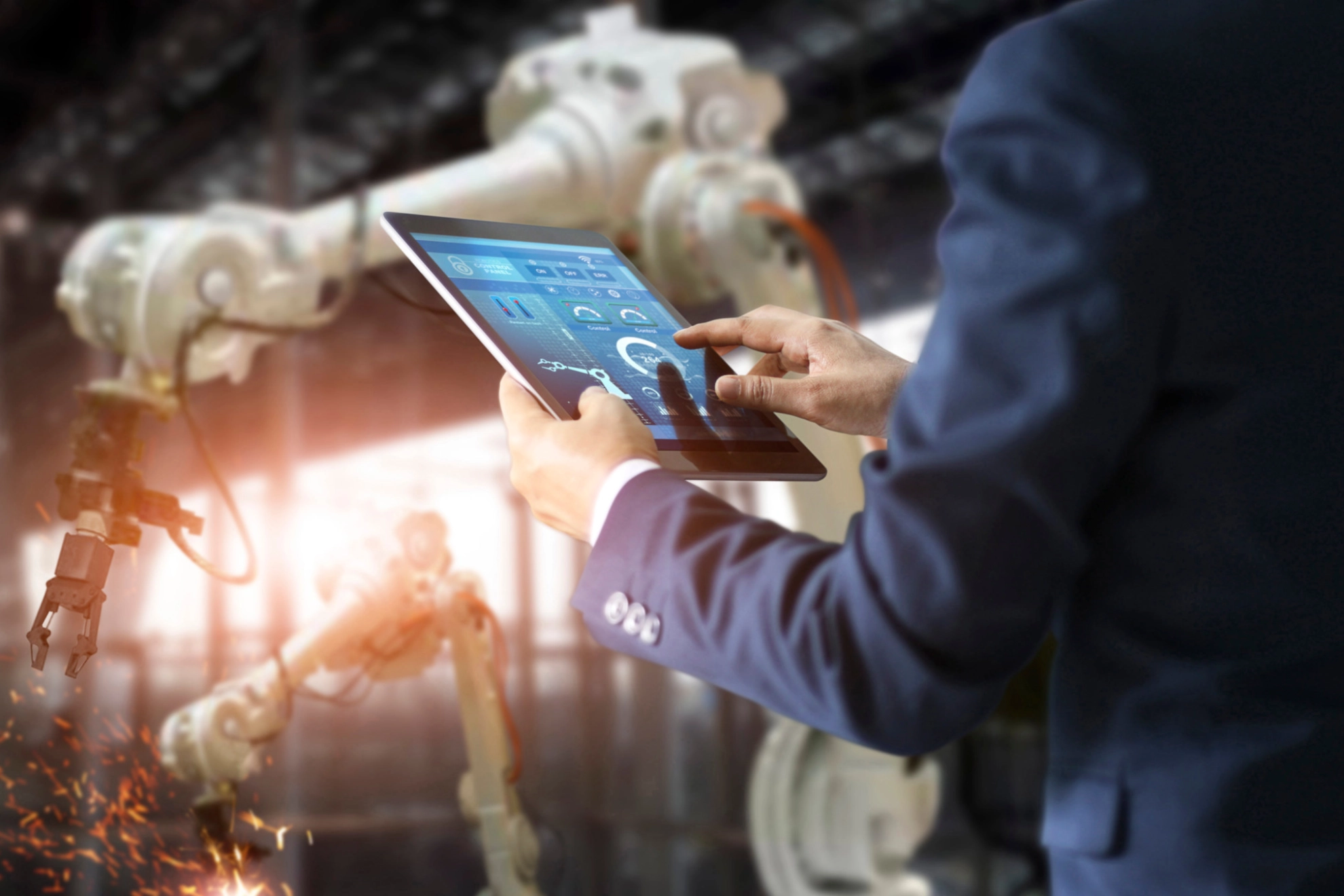
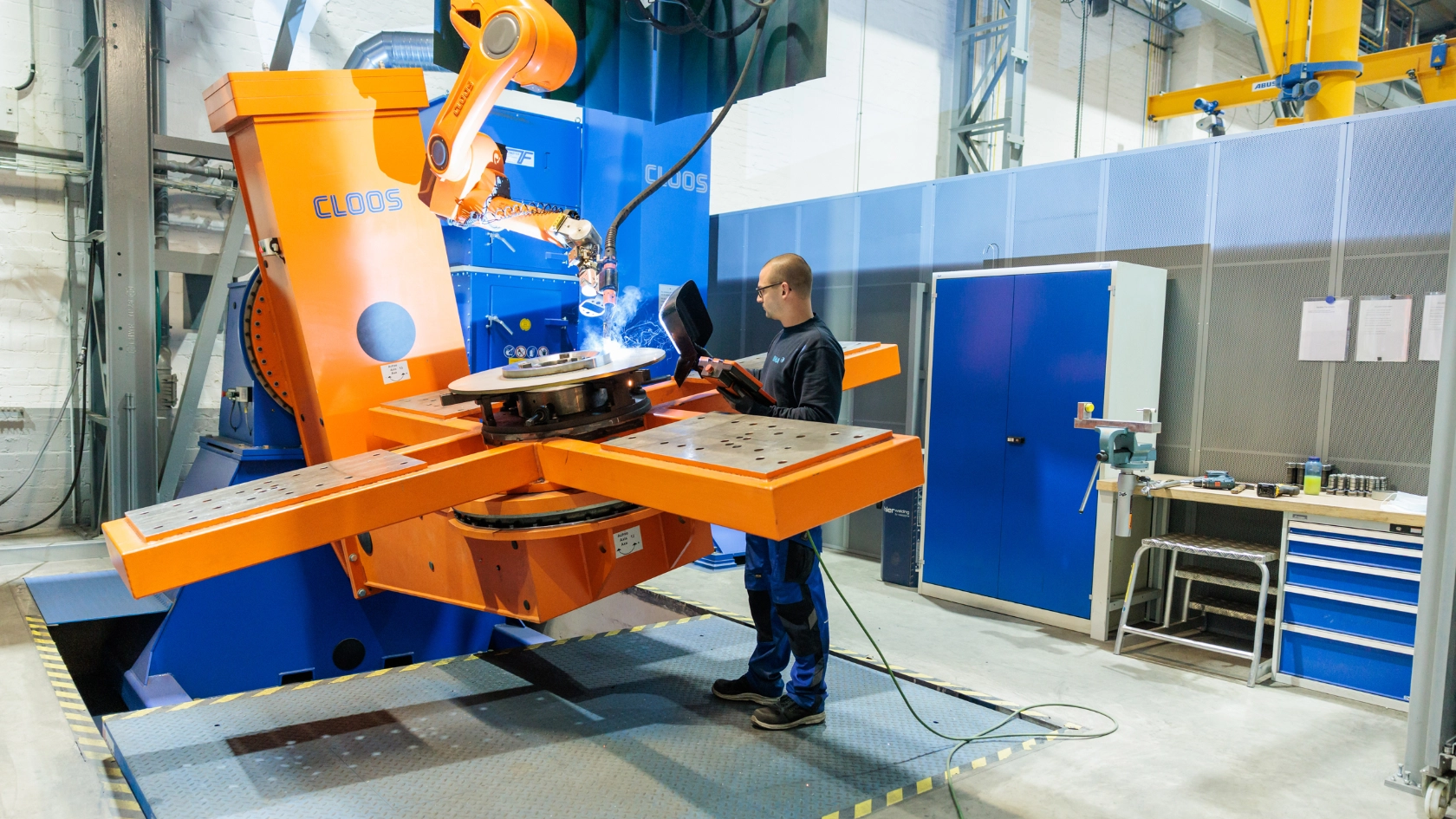
Digital devices have become an integral part of the workplace. The proportion of workers in Germany who use digital tools is high and continues to grow. The latest DGB Good Work Index shows that 83 percent of workers use digital technology in their work. For just under two-thirds of them (63 percent), digital applications play a major role in their daily work.
In principle, the degree of digitization is closely linked to the demands of the job. The higher the skill requirements, the more frequently digital technology is used. Digitized work is often characterized by employees using multiple digital tools. Digital communication is the most widespread; it is used by four-fifths of all employees at work.
The results of the representative DGB survey of nearly 7,000 employees now show that far too often, companies adopt new digital technologies without considering the impact on working conditions. And far too often, employee representatives and employees are not sufficiently involved in the change processes. A total of three-quarters of those surveyed have no influence whatsoever on the digitalization of their work.
More Stress Due to Digitalization
But that is a problem. The DGB study clearly shows that digital tools are rarely used in a way that reduces the workload. Only just under 10 percent (exactly 9 percent) of workers whose work has been digitized perceive a reduction in their workload. In contrast, 40 percent feel that digitization has increased their workload. An increased workload in the context of digitization can have various causes. One possible cause is greater external control over the pace of work. When networked devices or algorithmic systems dictate the pace, self-directed work organization often falls by the wayside.
In addition, nearly half of colleagues (48 percent) who work with digital devices have to handle a larger workload. Significantly fewer respondents—only 6 percent—report a reduction in their workload. Another critical point: the strain of multitasking has also increased for many employees. Here, 46 percent now find themselves more frequently faced with the task of handling multiple tasks simultaneously. Only three percent report a decrease in the number of tasks they must handle simultaneously as a result of digitalization.
Often No Break Between Video Conferences
The widespread adoption of digital communication has also led to an increase in video conferences since the onset of the COVID-19 pandemic. A prerequisite for this development was the digitization of communication and information channels. However, the increased use of video conferences is not just a technical innovation—it is also linked to a change in the nature of work. Figures from the DGB Index show that, for half of those affected, the number of meetings has increased due to the use of video conferences. This brings with it additional stress.
The technology makes it possible to schedule one video conference immediately after another. This can eliminate the previously meeting-free periods between appointments—and thus cause stress. This is a widespread phenomenon: When video conferences are used (very) frequently, nearly half of those surveyed report that the number of meetings at work has increased to a very high or high degree. One in four people reports that video conferences (very) often follow one another without a break. Just under half of those affected (48 percent) perceive these nonstop video meetings as an additional burden.
Many employees feel at the mercy of technology
The figures also show that only one in four employees who work with digital devices can influence how their own workplace is being transformed by digitalization. However, the less involvement employees have in these change processes, the more often they feel at the mercy of digital technology. This proportion rises from 22 percent among those with a very high level of influence to 44 percent among those who have no influence at all on the digital transformation of their work.
Without adequate employee participation, the study concludes, the changes brought about by the ongoing digitalization of work are viewed much more critically: Employees’ workloads are higher. Monitoring and control of work performance are more widespread. And employees feel at the mercy of digitalization more often.
Employee participation has a positive impact
But there is also good news. The survey data show that employee participation has a clearly measurable, positive impact on the use of digital technology. Whenever employees can influence the digitization of their work, they view the changes more positively. And wherever a works council has been elected in a company, there are more often company policies in place to protect employees from undesirable consequences, strain, and stress.
This is also because companies with a works council place greater emphasis on training and continuing education: When an employee representative body has been elected, employees report company-sponsored training opportunities significantly more often—namely, 76 percent—than employees at companies without a works council. At the latter, the figure is only 60 percent.