The goal that Carsten Schmela and his colleagues on the representative committee for employees with severe disabilities (SBV) set for themselves in 2022 was as obvious as it was fundamental—but the path to achieving it, the implementation of the original idea, was not always easy: “We wanted to bring colleagues with disabilities from the workshops into the main operations,” says Carsten, representative for employees with severe disabilities at the machine manufacturer Körber Technologie in Hamburg-Bergedorf. “Our goal was to integrate these employees into the workforce on an individual basis.”
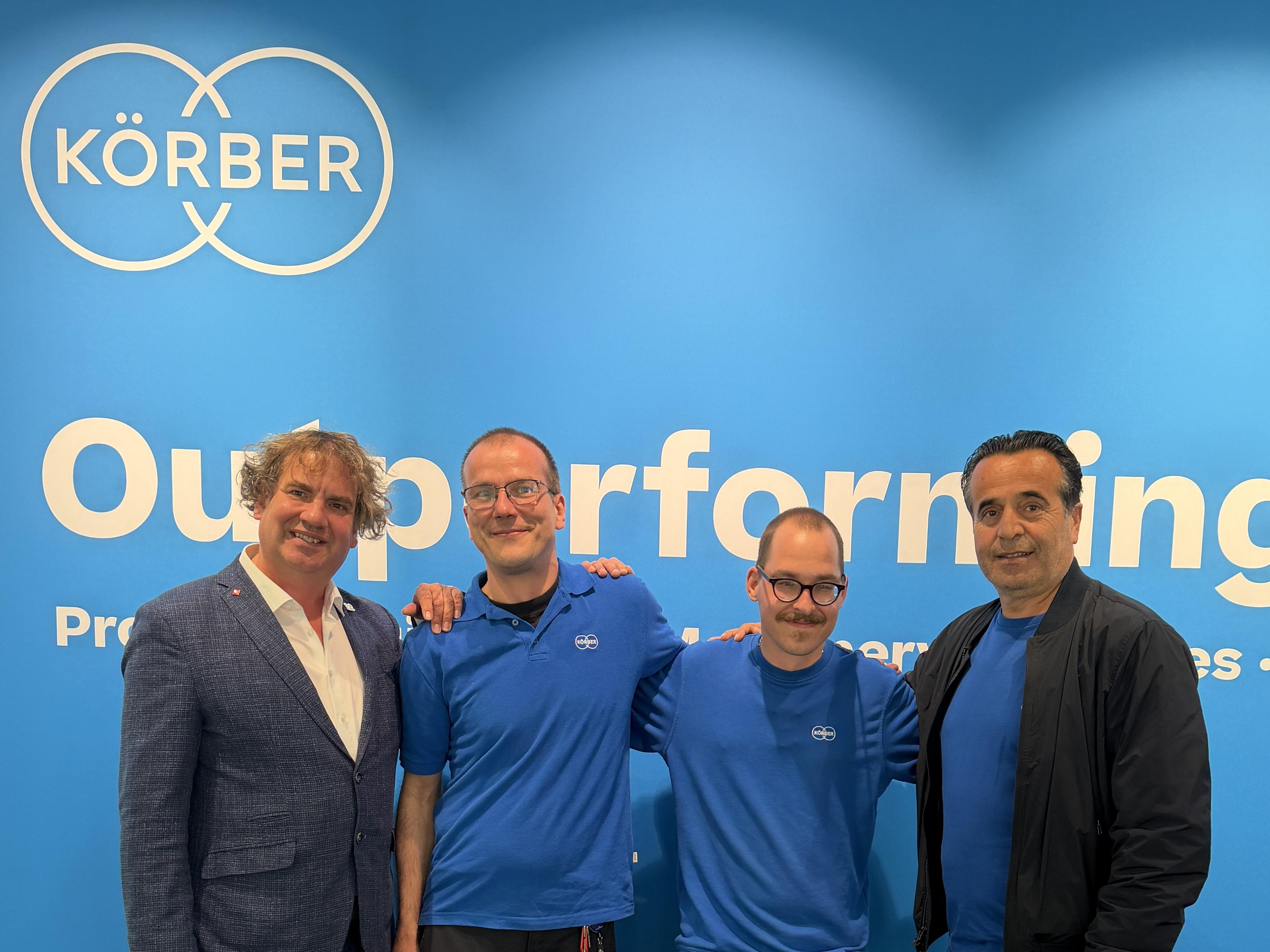
Working together to enable successful inclusion: Carsten Schmela (left), Daniel Karakus-Hollnick, Philipp Kluge, Ali Bicer.
This was sorely needed: Previously, there had been no structured collaboration with workshops at the site and no systematic inclusion model. Carsten and his SBV team’s idea was this: Colleagues from the workshops should be given the opportunity to work at the company and become part of the workforce. “Our goal was to develop a sustainable system that enables genuine participation and isn’t dependent on chance.”
Consistently Enabling Participation
They succeeded. Since 2022, this initial idea has evolved into a growing system at the site: a dynamic process that offers employees with disabilities various pathways to participation. For this work and this success, the SBV team at Körber Technologie has now been nominated for this year’s Works Council Award.
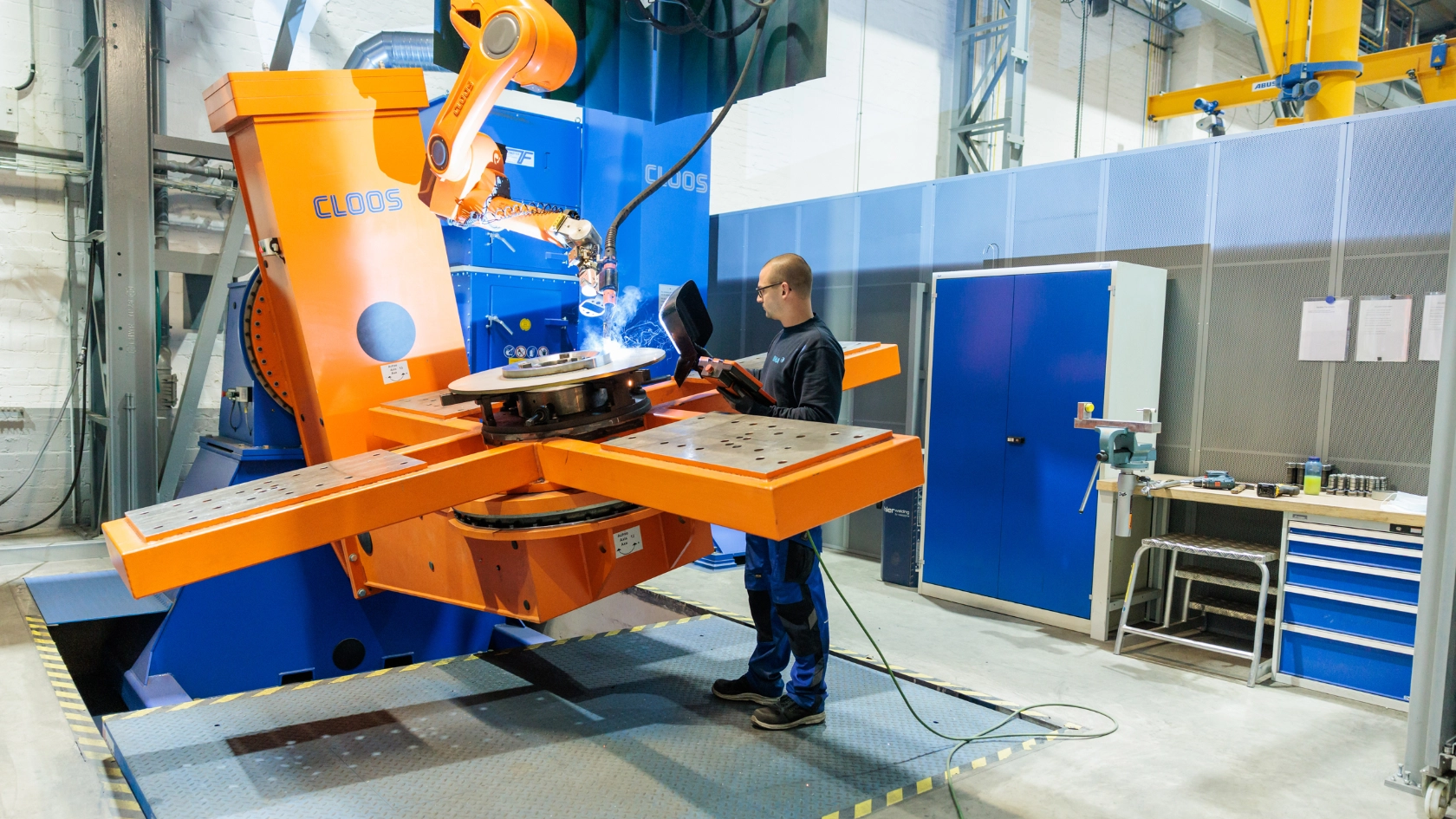
The success is also due to the fact that the SBV at the site developed and implemented the entire process step by step: They established their own working group within the company. They developed internship positions for individual trial periods. And they set up individual workstations—for example, in the mailroom—for employees with disabilities.
Building Self-Confidence Through Work
To this end, they’ve introduced the “DUOday” as a low-barrier entry point. The DUOday is an action day aimed at promoting greater inclusion in the workplace. The idea: On this day, people with disabilities form a “DUO” with employees from companies or government agencies and gain practical insights into various professional fields.
“People who had previously worked exclusively in sheltered workshops for decades are taking their first steps into a company,” says Carsten. The progress in the screw warehouse was particularly impressive. “Some employees report that, through this work, they’ve gained the self-confidence for the first time to apply for jobs outside the organization—something that was previously unimaginable.”
Collaboration with Departments
Finally, and on an ongoing basis, they have fostered close collaboration with specialized departments and managers. “In this way, we’ve succeeded in establishing stable transitions for the affected colleagues, leading all the way to permanent employment; as a result, they’ve gained a great deal of self-confidence and are now ready for the primary labor market,” says Carsten.
Today, there are various pathways to integration at the site: “There are individualized workstations, internships, and development opportunities, as well as employment protected by collective bargaining agreements and prospects for entering the general labor market. That’s a huge success.”