No, a career in the works council was not something Bernard Likefett could have foreseen. Not only because he had hardly any contact with unions as a child. For his father, a businessman by trade, it didn’t matter: “You can get by just fine on your own; you don’t need unions,” he used to say. Unions didn’t play a role in Bernard’s professional life at first, either. After completing his apprenticeship and earning a degree in electrical engineering, he was hired as an engineer at FHP-Motors in Oldenburg. “I was 30 years old at the time,” he recalls. “Highly trained, college-educated, a sought-after specialist—nothing could really go wrong.”
Things turned out differently. Bernard soon learned that even skilled workers like engineers can be affected by job cuts: “Suddenly, the employer said, ‘We only need six developers instead of 30.’ That’s when I realized how quickly something like that can happen, and I joined IG Metall.”
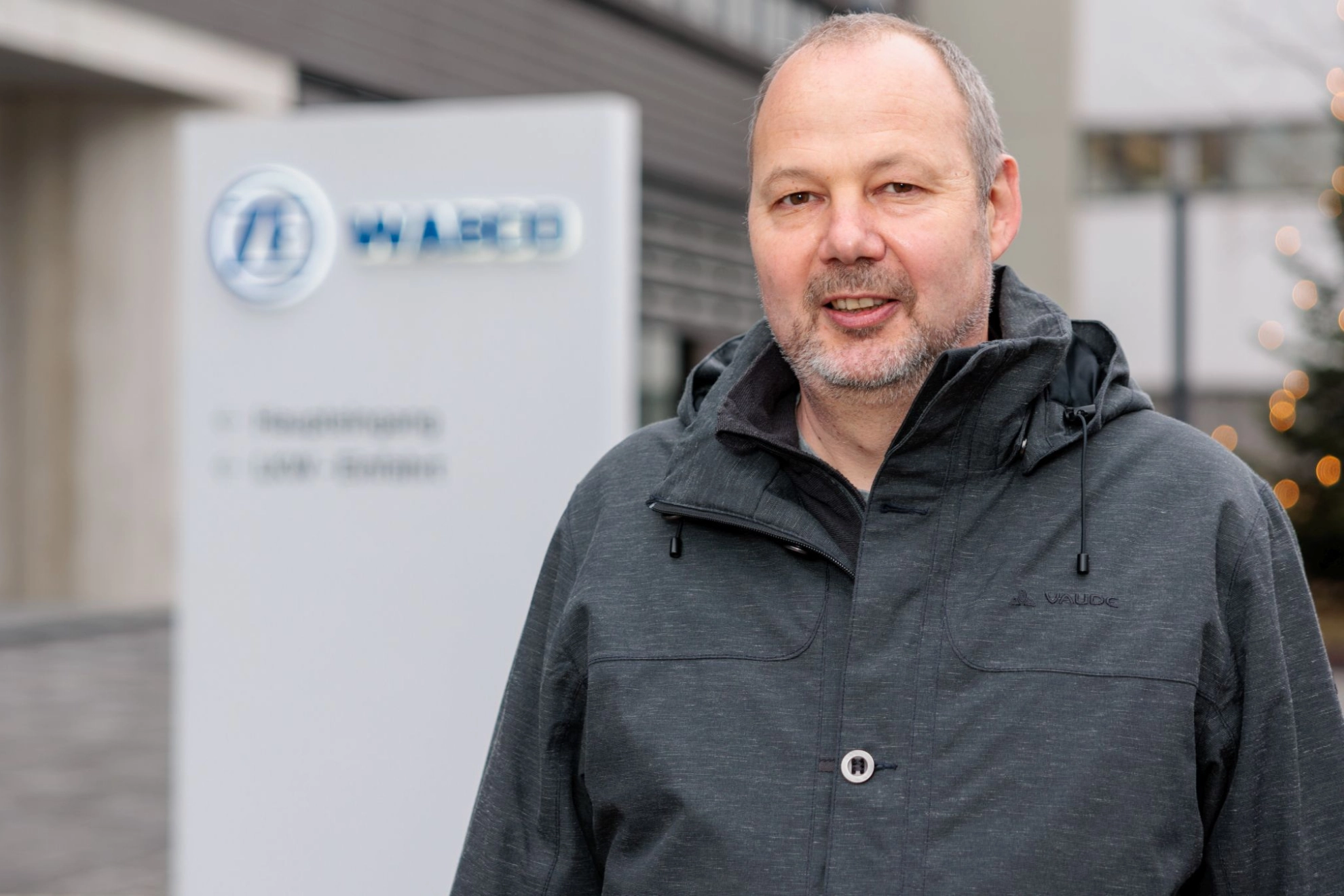
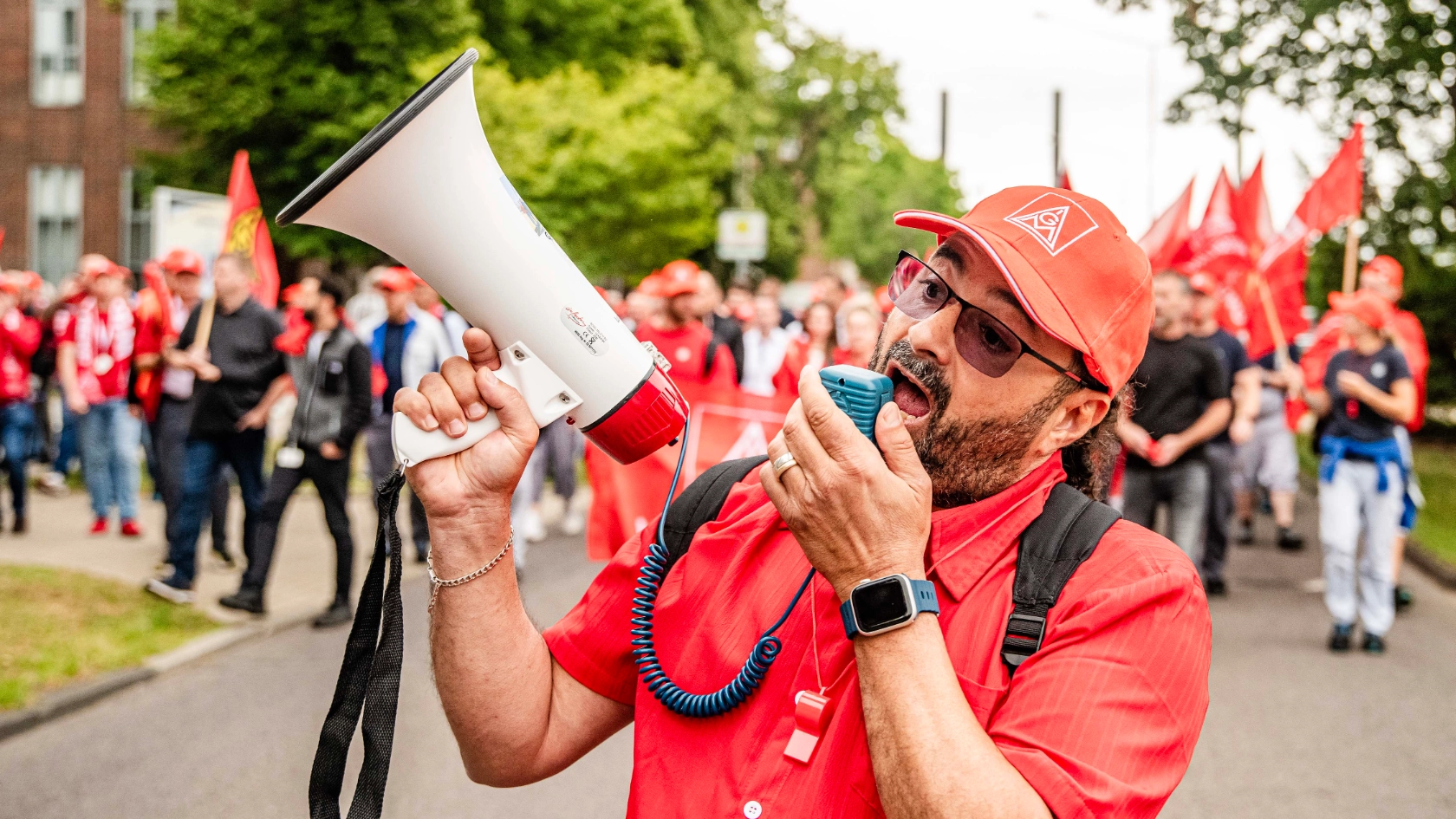
Works council member Bernard Likefett at ZF in Hanover. Photo: Michael Wallmüller
A conversation with the works council and IG Metall makes all the difference
For the time being, he remained just a member—even at his new employer, WABCO (now ZF CV Systems) in Hanover, where brake systems are developed. That is, until he had a conversation with the local IG Metall chapter and the works council: “I said at the time that I saw myself more as a ‘passive’ member,” Bernard explains. “The response was: ‘But you don’t have to stay passive—why don’t you take a look at what we do?’” It didn’t take long for Bernard to be convinced. After serving as a shop steward for years, he was elected to the works council for the first time in 2018.
Reaching out specifically to the engineers at the company is a particular priority for Bernard. His own journey to IG Metall helps him in this regard. “Among white-collar workers, and especially among engineers, you have to do a lot of persuasion—and a lot of education, too.” Many of the engineers joining ZF today have had virtually no exposure to works councils or unions during their studies and are rarely familiar with their work within the company.
Work-Life Balance Takes Center Stage
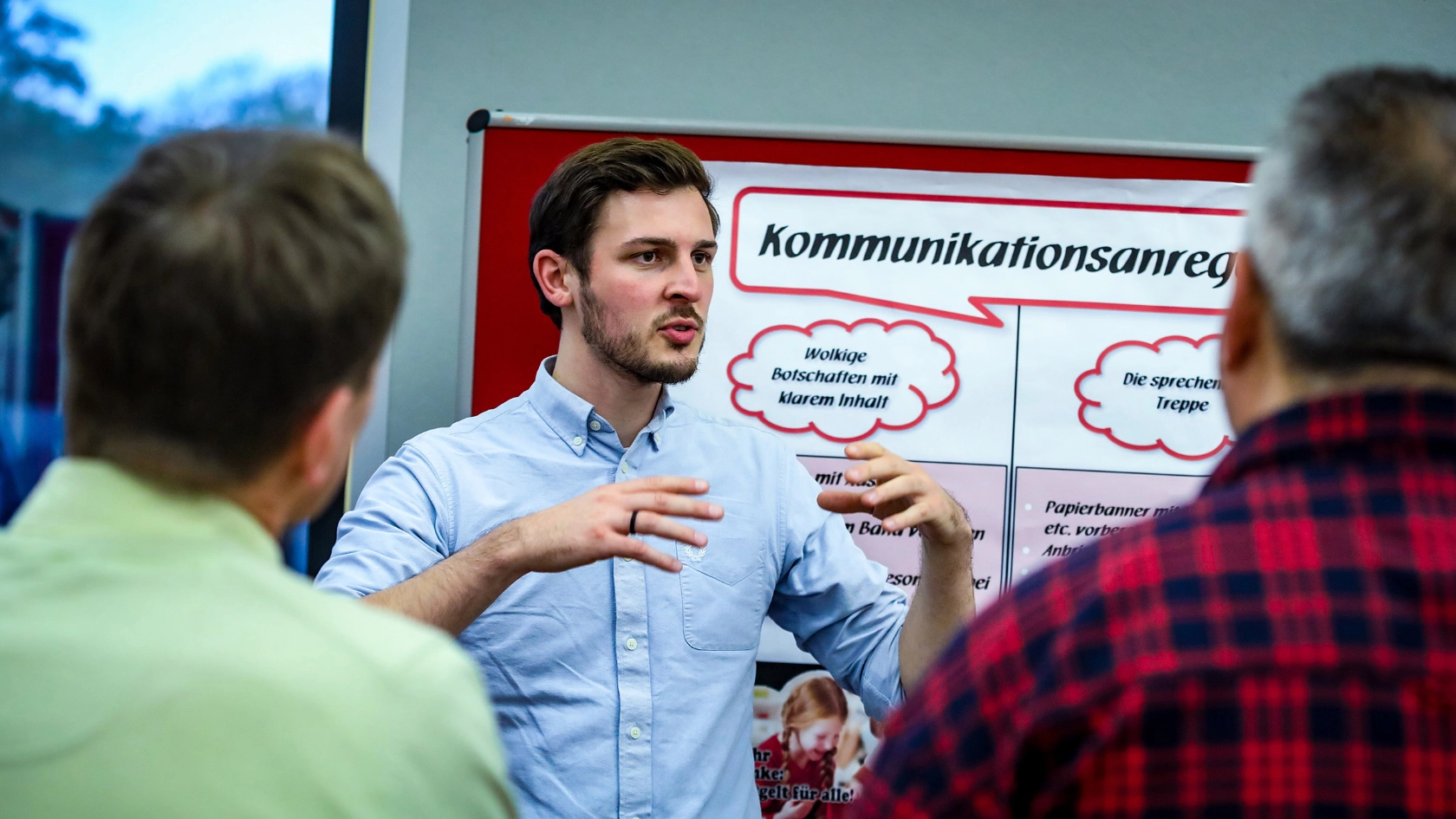
“The best way to reach people is through one-on-one conversations,” Bernard is certain. “Even if a single conversation isn’t enough. Highly educated engineers, in particular, want to be convinced. Many feel that their position already guarantees them a good salary and a secure job, so they think to themselves, ‘I don’t need a union.’”
But how do you break down this mindset? “Of course, you have to try to win them over with other arguments,” Bernard says. Factors such as increasing work intensity and a healthy work-life balance are particularly important in the engineering field. “We explain, for example, how the works council is working to simplify previously cumbersome work processes by incorporating employee feedback. Then it becomes clear to many that the works council and the union aren’t just useful for production workers. Above all, it’s important to show that you’re actually implementing concrete changes.” Through such lengthy one-on-one conversations, Bernard has already been able to recruit several engineers to IG Metall.
Works Council Elections in the Spring
Bernard and his colleagues on the works council are currently working on a vision-building process: Among other things, they’re gathering ideas on which products should be manufactured at the site in the future, how to make better use of digitalization, and how training should be geared toward the future. These ideas and workshops will soon result in a works agreement that secures the site and jobs for years to come. “Employees should see that their commitment is making a difference.”
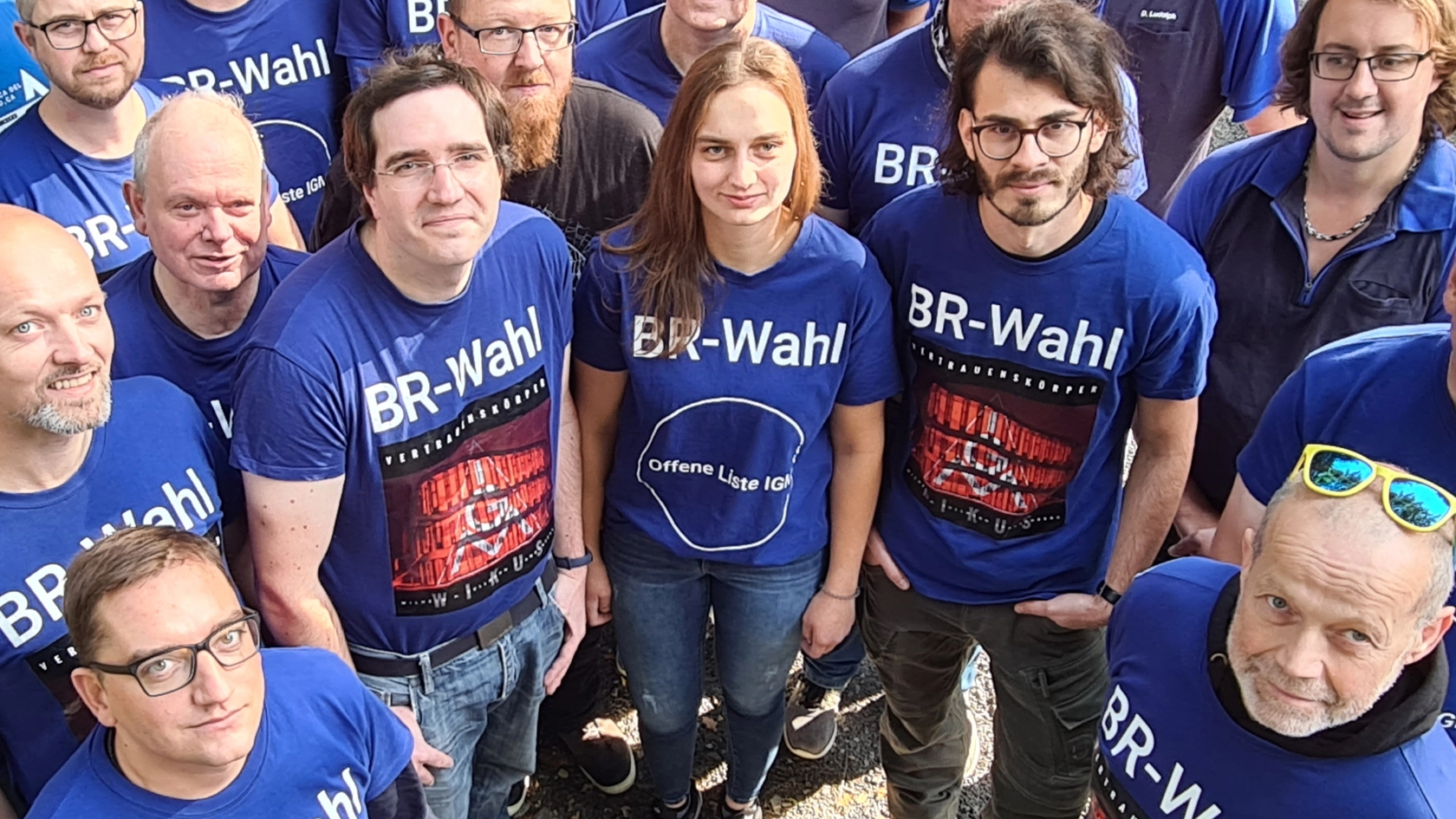
But there’s still plenty to do. That’s why Bernard is determined to remain on the works council: He’ll be running again in the works council elections this spring. “Especially in the engineering sector, we still have a lot of potential, and I want to continue making my contribution there.” He adds with a laugh: “You can see from me that it’s possible to be both an engineer and a union representative.”