Automatic translation
This article has been translated automatically using computer technology. While we strive for accuracy, some wording or details may differ from those in the original article.
This translation was not manually reviewed. For important facts, quotations or legally sensitive information, please consult the German original. Individual selections, images, embedded media or technical terms may have been translated differently or incompletely.

Time for the Future What the Union Convention Is All About

IG Metall will set its course for the next four years at its union convention in late October. IG Metall will also elect a new executive board.
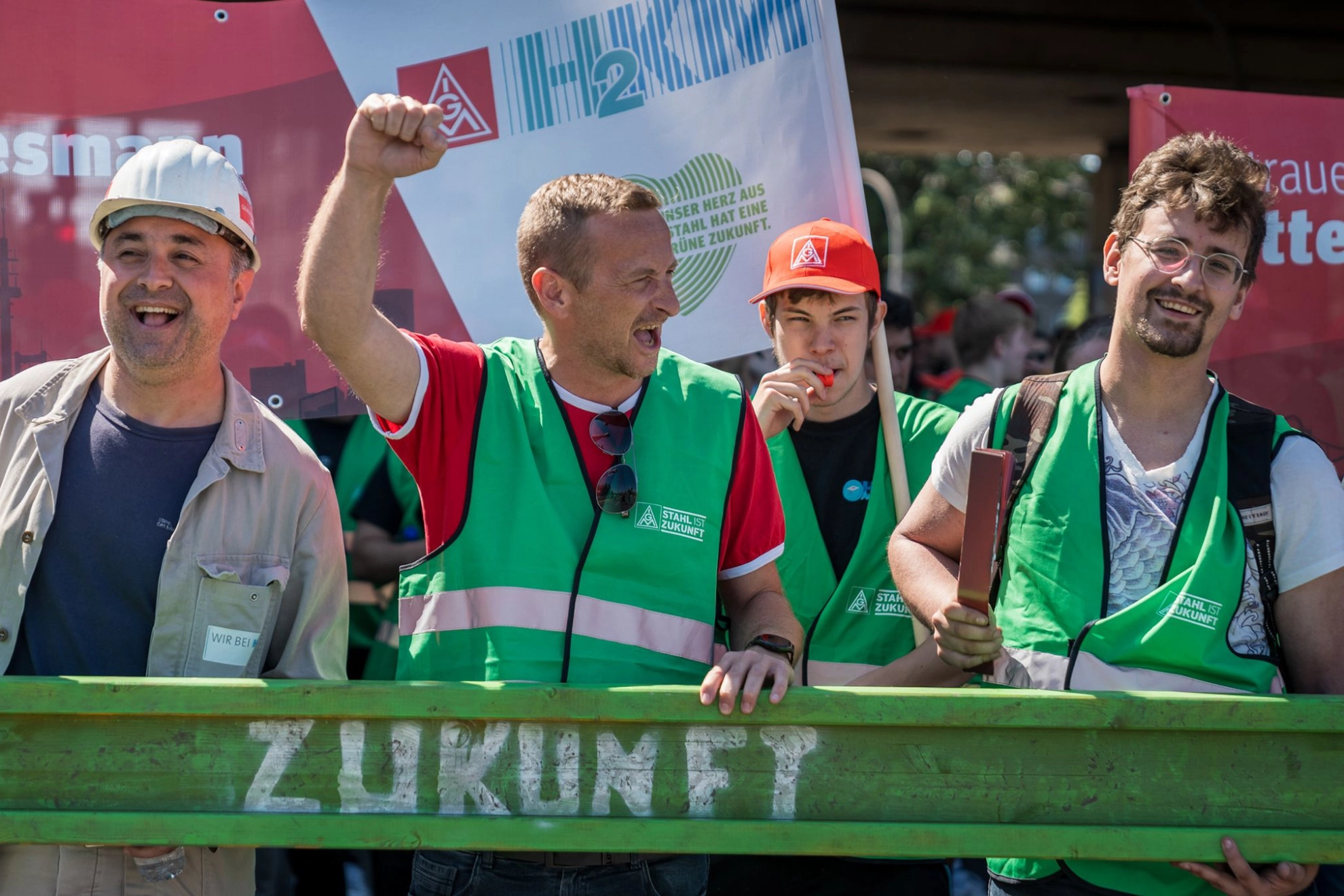
Stahl-Aktionstag am 14.6.2023 in Duisburg

4 October 2023 4 October 2023


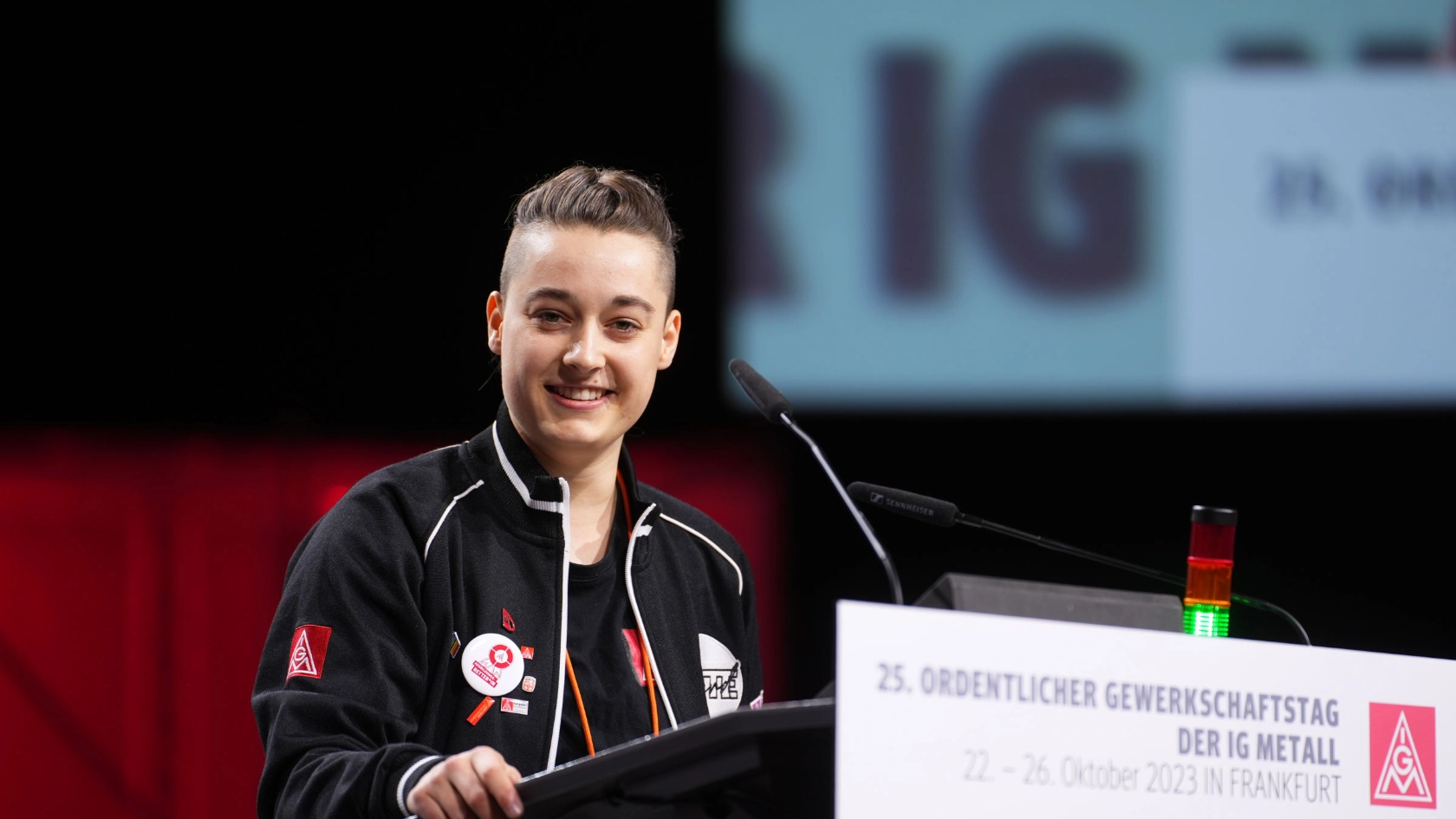
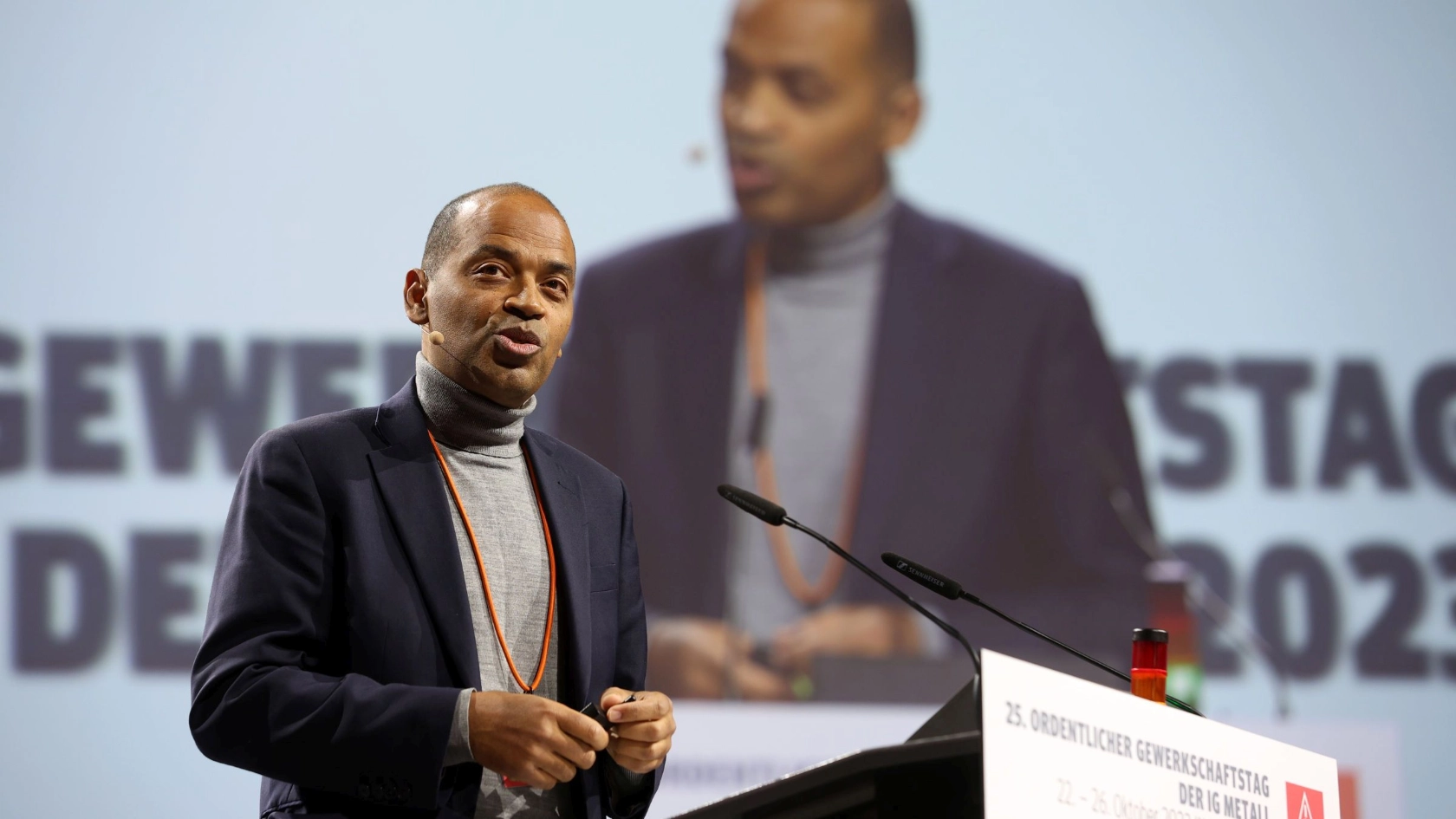
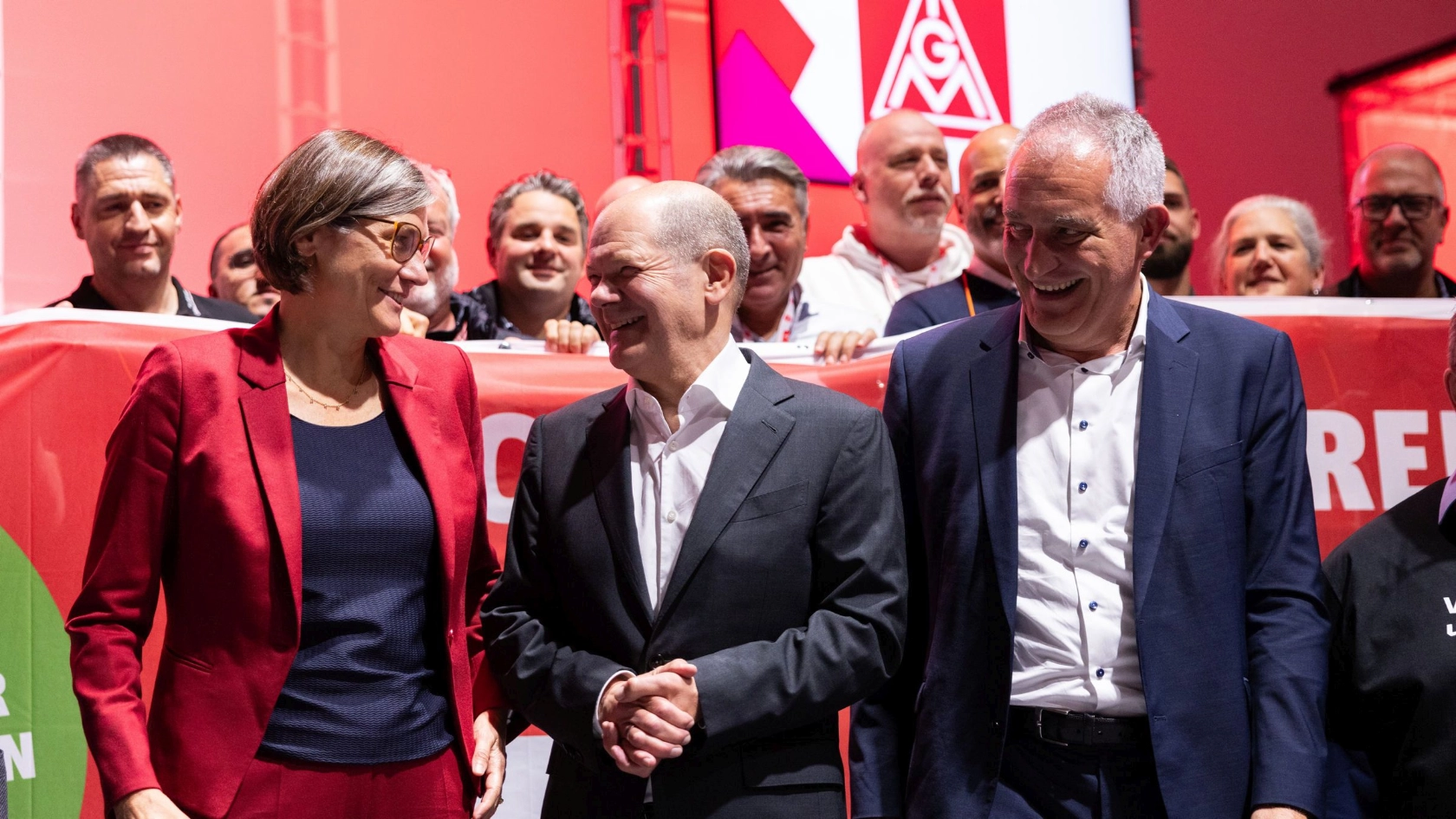
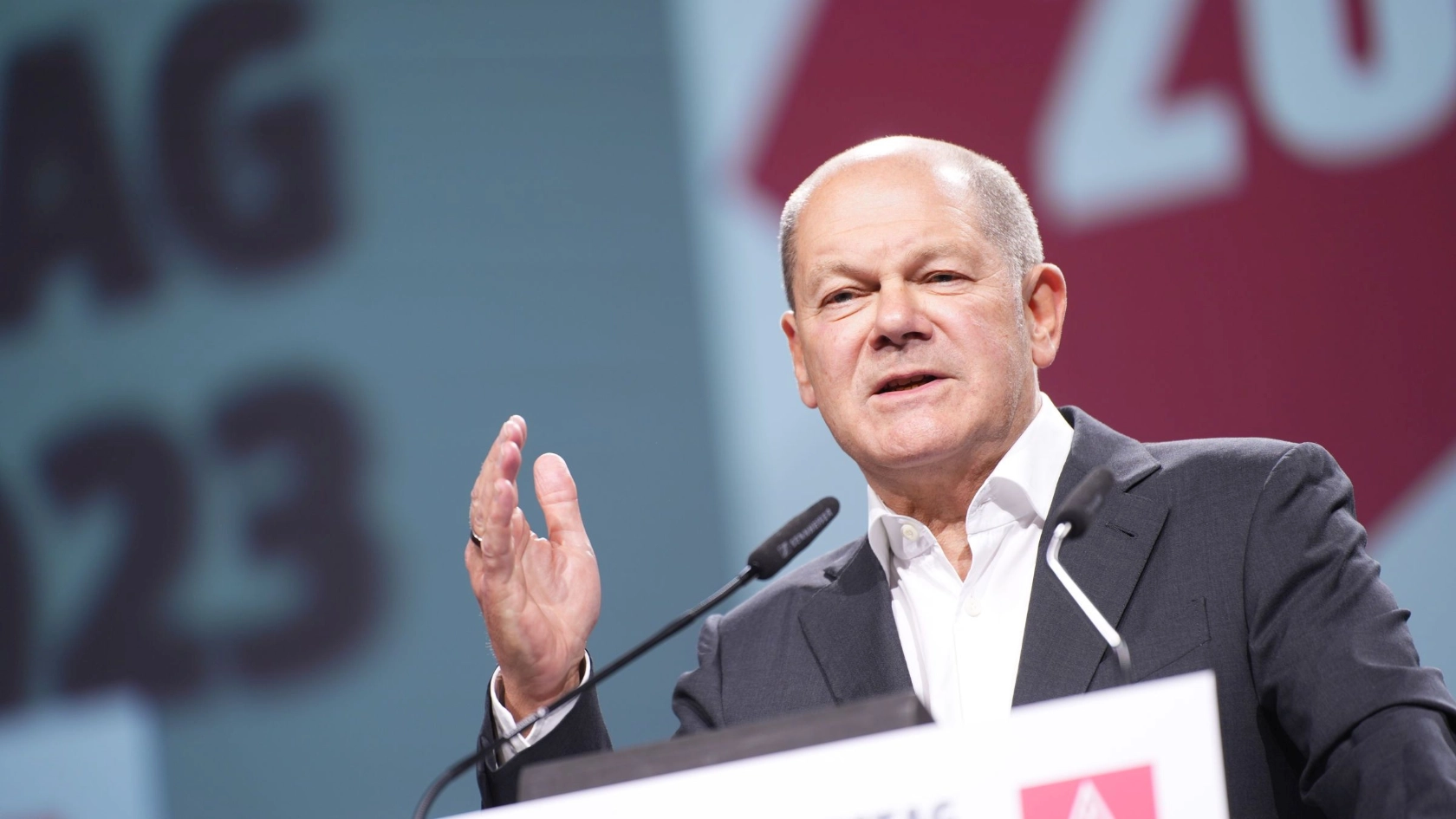
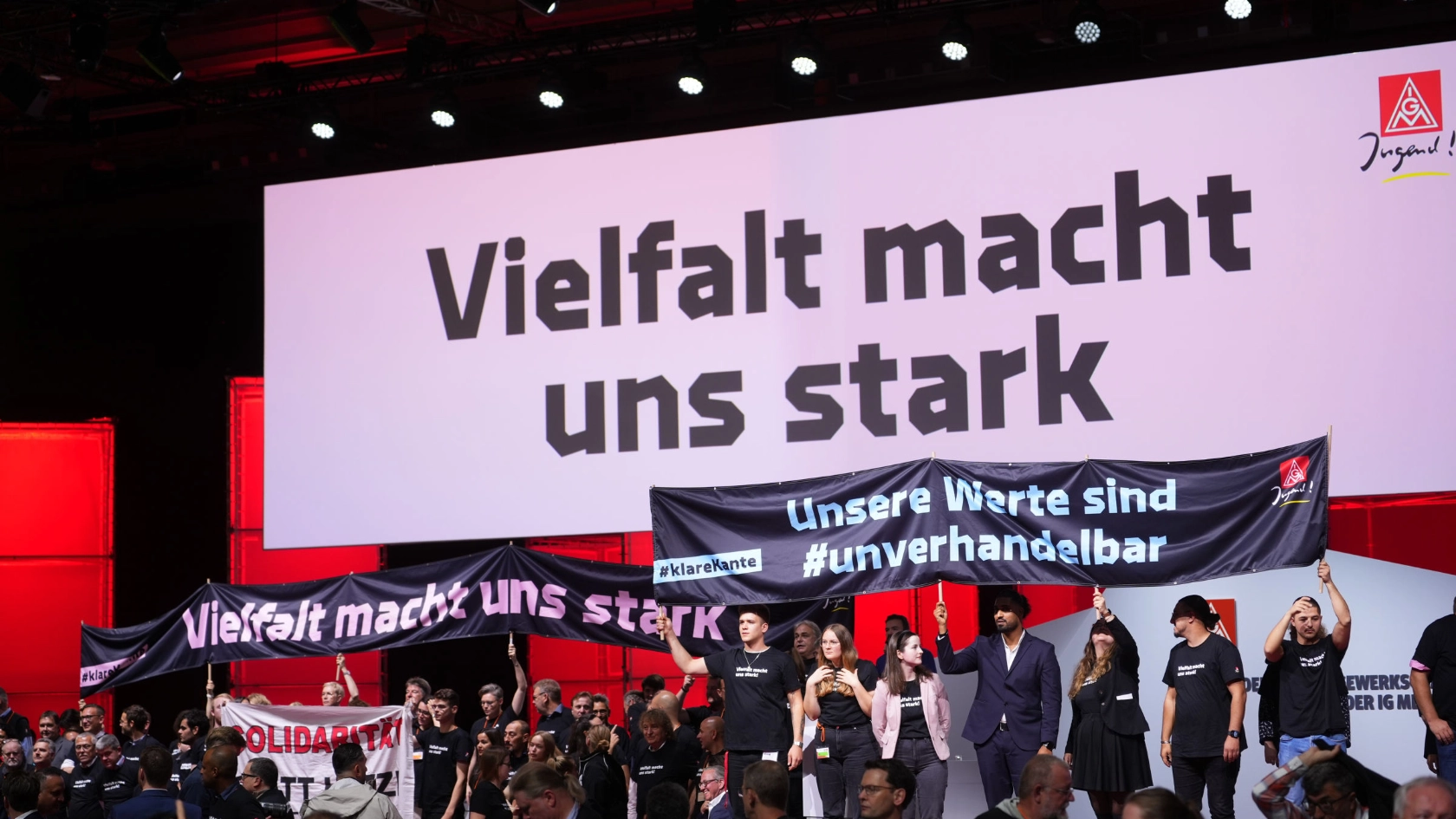
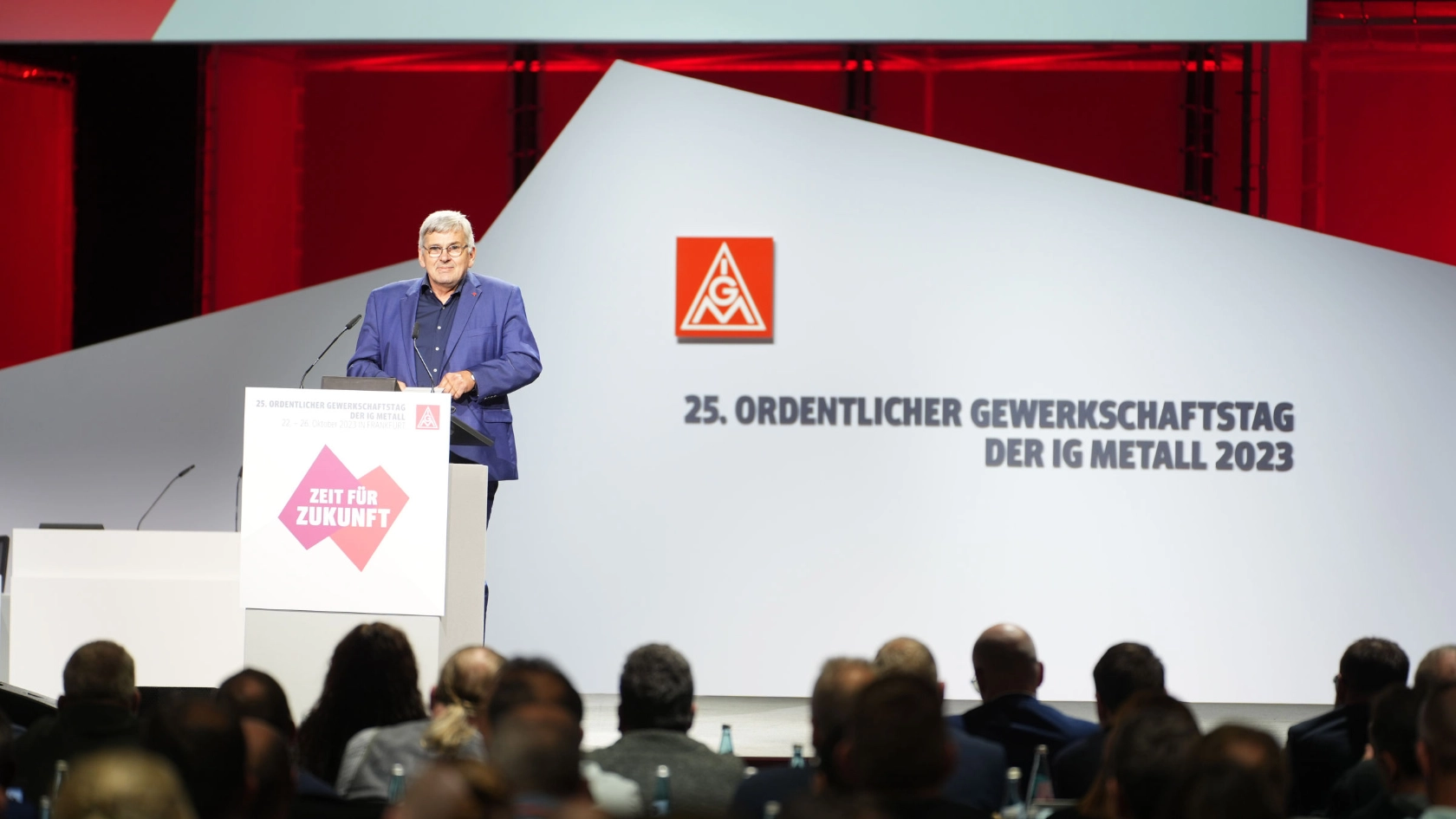
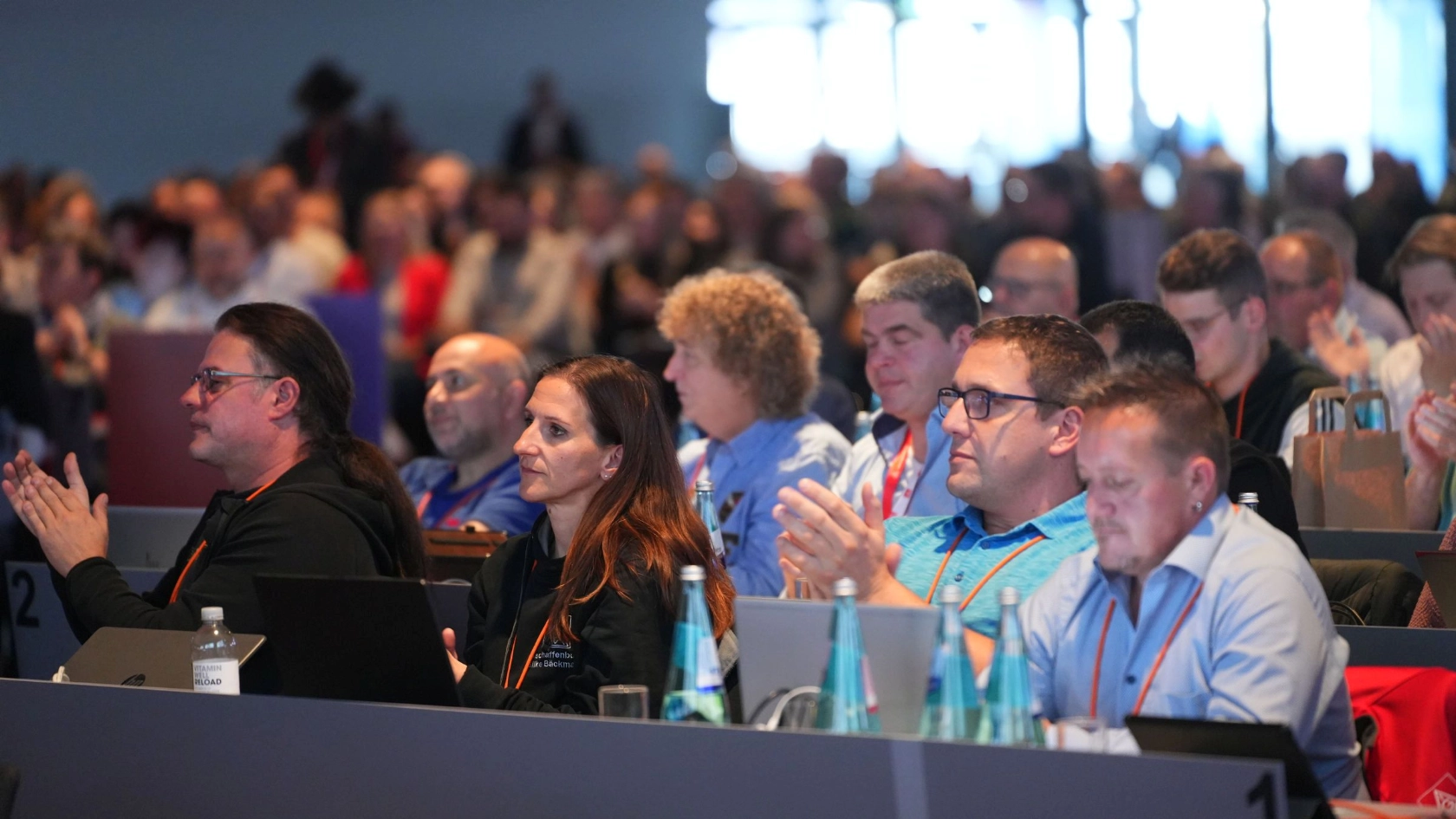
“Time for the Future”—under this motto, IG Metall’s 25th Regular Union Congress will take place from October 22 to 26. Around 420 delegates will gather in Frankfurt to determine which issues the union intends to address over the next four years and how it will do so. To this end, they will discuss and vote on more than 530 motions. A new executive board will also be elected by the metalworkers at the convention.

Most of the motions outline specific tasks that IG Metall should tackle over the next four years. If the motions are adopted by the delegates as submitted or—following extensive debate—in an amended form, this will result in a sort of to-do list for IG Metall. And what’s on this list? That won’t be clear until after the convention, since the individual motions are still subject to a vote. Nevertheless, the motions reveal which issues and challenges are important to metalworkers. The following thematic areas have emerged:


Shaping the Energy and Mobility Transitions

In their motions, metalworkers continue to view IG Metall’s commitment to an ecologically sustainable, democratically shaped, and socially just transformation as the union’s core mission. One thing is clear to them: “Investments must be made not only in new technologies and infrastructure, but also in securing jobs during the transformation,” as stated in one of the motions. The motions include calls for an accelerated push for skills development and continuing education, as well as the demand that employees and members, together with works councils and IG Metall shop stewards, play a proactive role in the changes taking place within their workplaces and companies. At the union convention, metalworkers will discuss and decide how these issues should be addressed and implemented.

Securing the future of employment and the welfare state

Naturally, job security is at the top of the agenda for metalworkers: From the union members’ perspective, this requires greater coverage by collective bargaining agreements, more continuing education, better protection against dismissal for older workers, and a government-backed training guarantee for young people. The union also aims to curb temporary agency work over the next four years, accept fixed-term contracts only as an exception, and end the gender pay gap: these are the key priorities outlined in the motions. If the delegates approve the relevant motions, these issues will be added to the to-do list for the next four years. Several motions aimed at strengthening the welfare state are also up for a vote. Issues that metalworkers would like to see changed in terms of social policy over the next four years include, for example, extending the duration of Unemployment Benefit I, setting the pension replacement rate at 53 percent, repealing the retirement age of 67, and restructuring the healthcare system into a universal health insurance program to which everyone contributes.

Strong and united, with worker participation and collective bargaining agreements

The union members also aim to strengthen collective bargaining agreements and co-determination over the next four years, as is clear from the motions. Only in this way can there continue to be good, healthy jobs in the future—with fair pay and work schedules that fit into people’s lives. That is why metalworkers intend to make it their mission over the next four years to recruit more members, actively involve them—as works council members, youth and disabled workers’ representatives, and shop stewards—and develop strategies for the future together with everyone. In addition, they want to lobby in Berlin for better laws that promote collective bargaining coverage and include more rights to co-determination. The goal is for metalworkers in the workplace to be involved in strategic planning—such as decisions on investments and staffing—from the very beginning—and not only after the employer has announced layoffs and closures.

IG Metall in a New Era

The 2019 Union Congress marked the launch of the project “Thinking IG Metall from the Workplace Onward.” Now, at the 2023 Union Congress, a motion will be put forward to extend the project. The idea behind the project is that transformation does not take place on the drawing board, but in the workplaces. Over the past four years, partly through this project, IG Metall has increased its presence in workplaces, conducting a comprehensive assessment and identifying needs for change and development. The resulting conclusions strengthen IG Metall’s work.

Young IG Metall: Building the Future Together

Numerous motions are also coming from IG Metall Youth. They aim to secure greater autonomy and flexibility regarding working hours and location for all employee groups. The vision is: meaningful work, good pay, and work schedules that leave enough time for family, friends, hobbies, and volunteer work; a four-day workweek; and opportunities such as remote work, sabbaticals, and so-called “workation” options—that is, concepts that combine “work” and “vacation.”

The issue of equal opportunity is also a major concern for young people. This is because students at secondary schools (Hauptschulen) are disproportionately left empty-handed in the apprenticeship market. This has consequences: a growing group of the younger generation ends up on waiting lists, in low-paying jobs, or in precarious employment situations. The IG Metall Youth wants to change that. 

A New Executive Board Will Be Elected

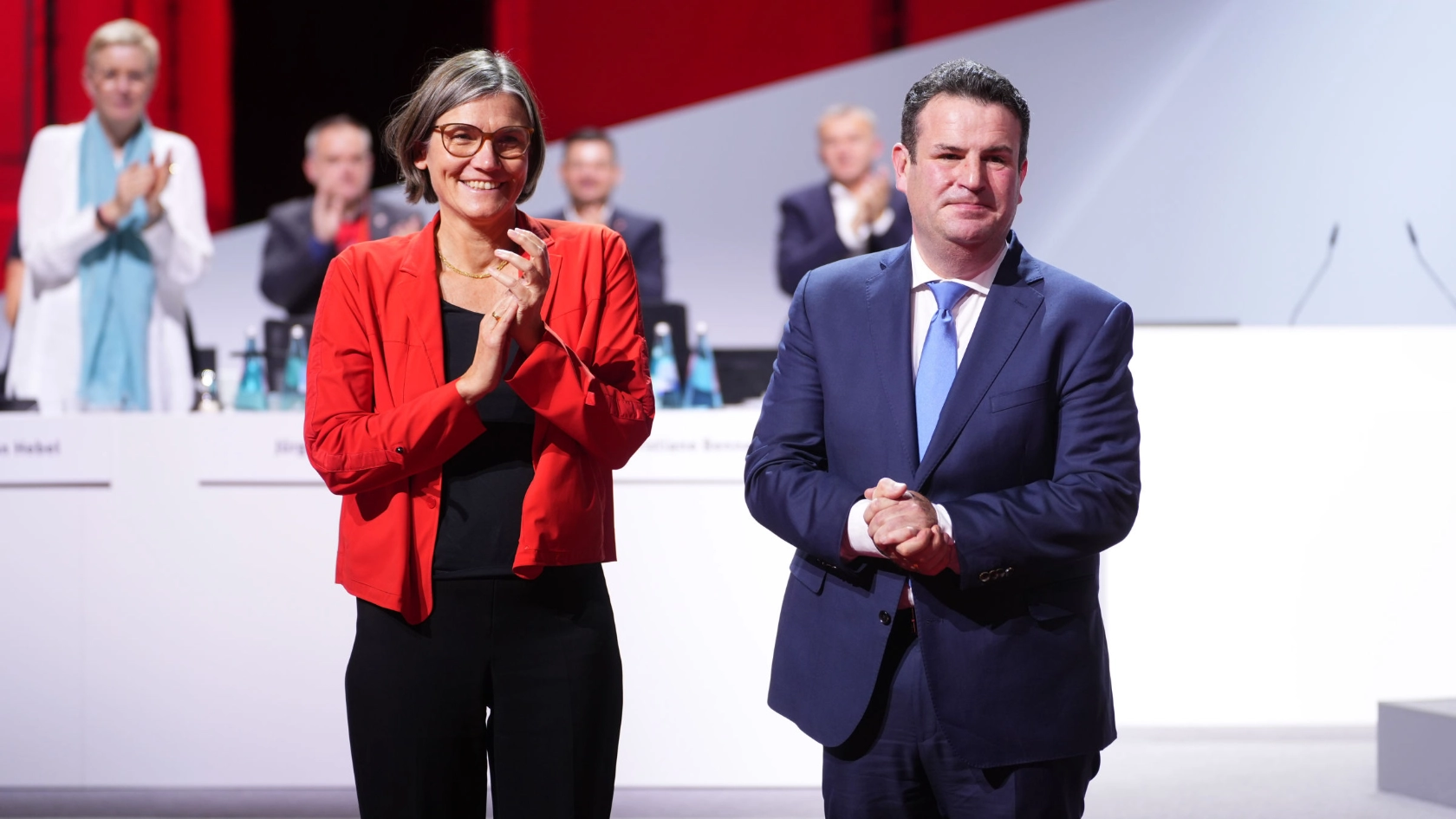
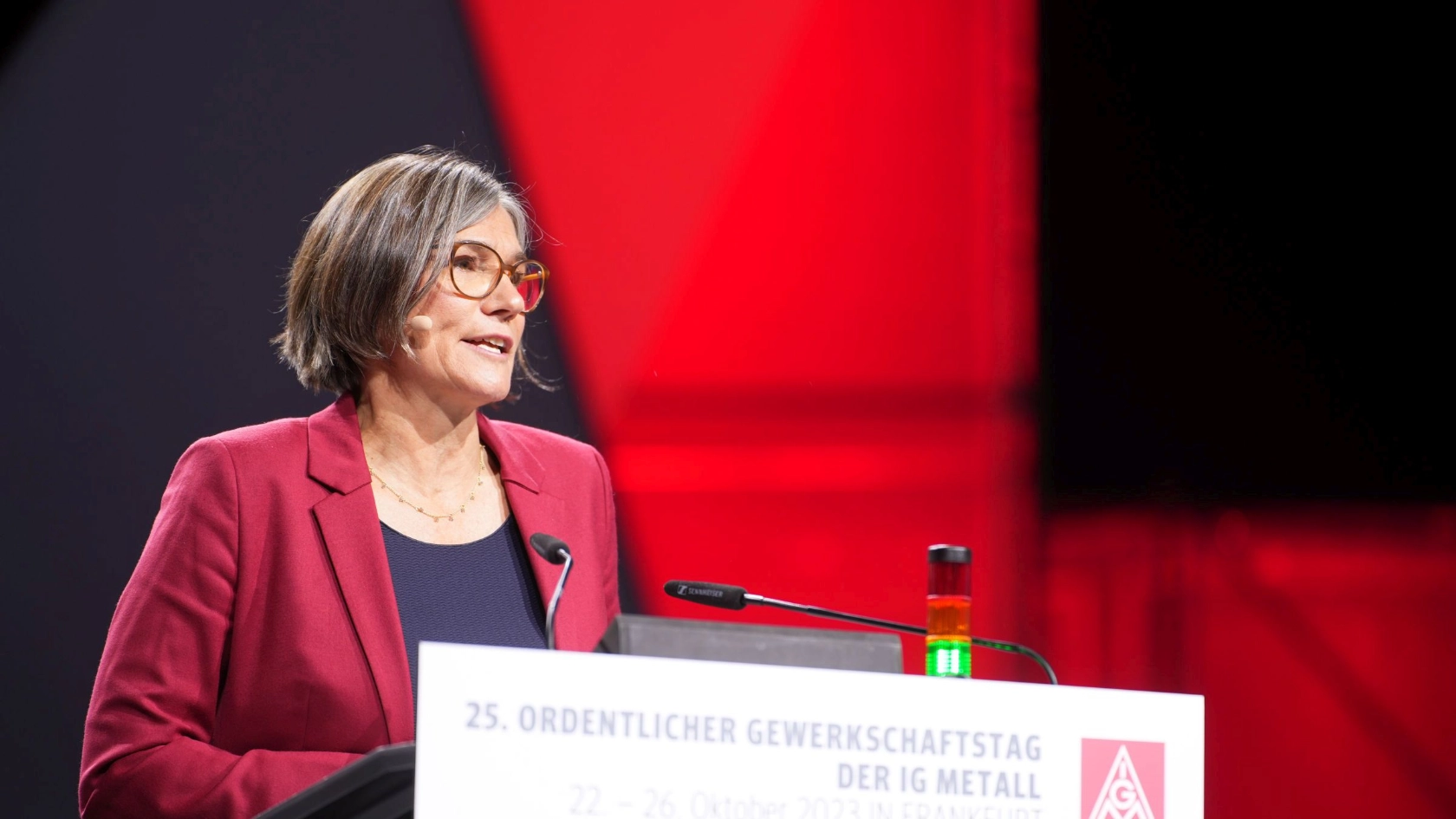
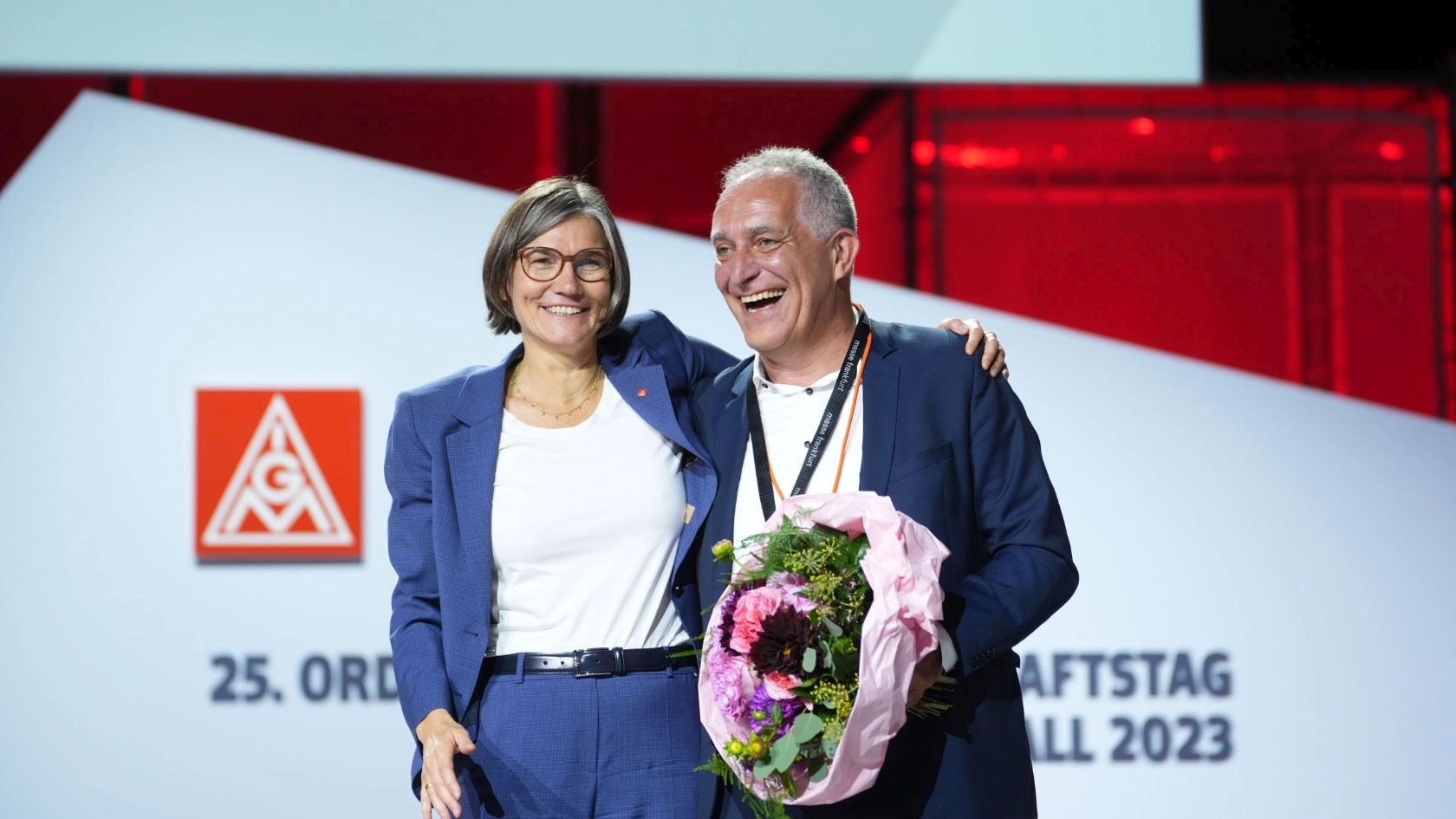
A new executive board will be elected to carry out the tasks for the next four years. In doing so, IG Metall aims to streamline its leadership. Instead of the current seven executive board members, there will be only five in the future. Jörg Hofmann, who has led IG Metall as First Chair for the past eight years, is not standing for re-election and is retiring. The candidates standing for election before the delegates on October 23 are: Christiane Benner, Jürgen Kerner, Nadine Boguslawski, Hans-Jürgen Urban, and Ralf Reinstädtler.


2023 Union Convention – Latest Posts
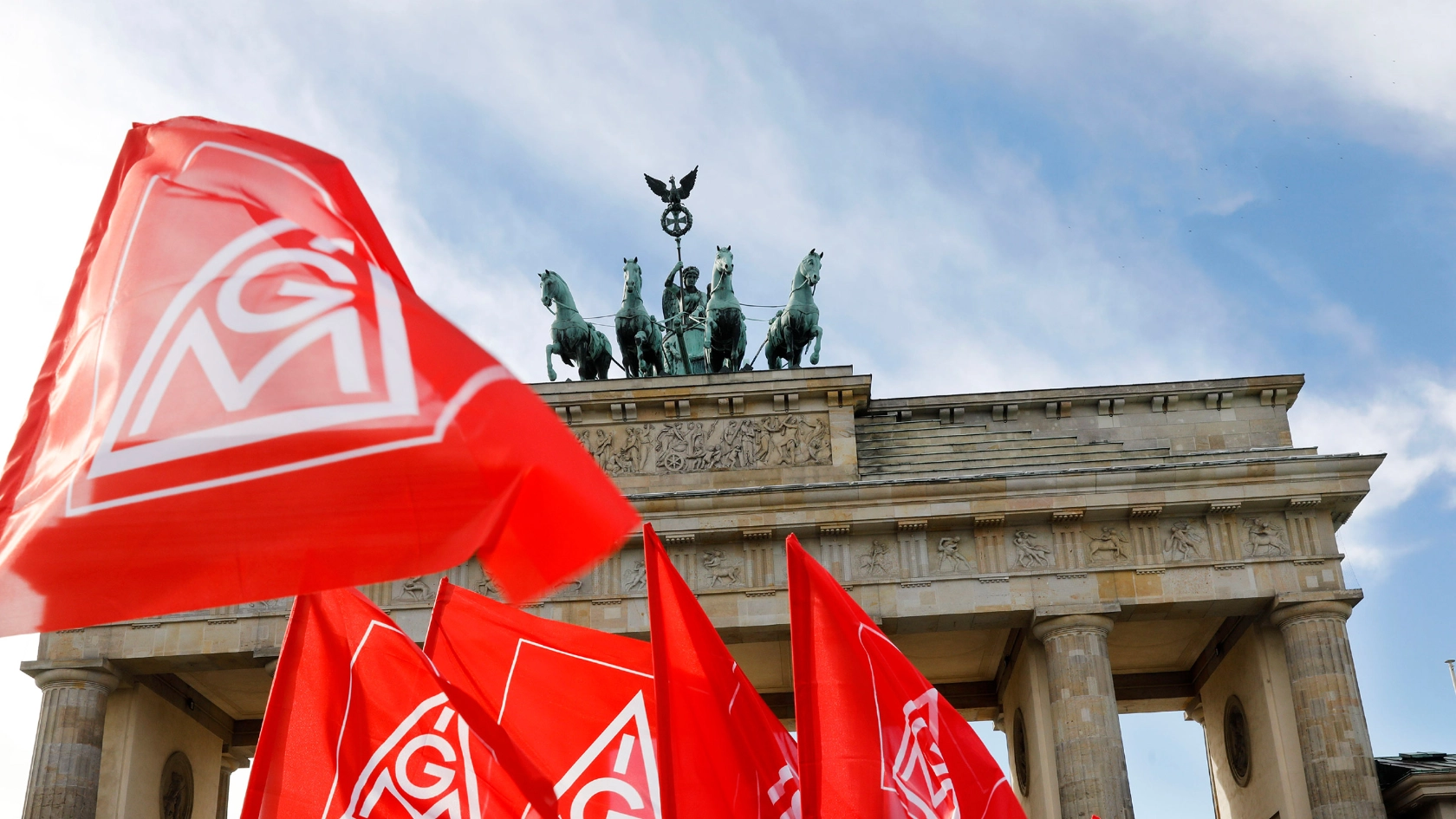
Fahnen der IG Metall vor blauem Himmel mit vereinzelten Wolken.
Logo Zeit für Zukunft Everything about the
2023 Union Convention

Motions, discussions, resolutions, and much more—find all the information about the 2023 Union Convention here.

Subscribe to the newsletter