Technically, it’s called a “written training record” these days. But almost everyone still refers to it as the “report booklet.” Trainees must keep a report booklet; otherwise, they will not be admitted to the final exam under the Vocational Training Act (BBiG).
As part of the exam registration process, you must confirm with your signature that the logbook has been properly maintained and reviewed. Some apprentices let their logbook fall by the wayside during their training and rush to fill in the entries shortly before the exam. But you can save yourself this stress by making the entries right from the start.
What goes in the report booklet?
In the training logbook, apprentices record their activities at the workplace, as well as training topics, instructional discussions, and the subjects covered in vocational school classes. The training logbook must be maintained regularly and in a timely manner. It serves as proof of the content and progress of the training. This is stipulated in Section 13(7) of the Vocational Training Act (BBiG). Trainers also review it regularly (at least monthly) and verify whether specific training objectives are being met in each phase of the training. If the training log is not kept properly, this can, in extreme cases, lead to a warning or termination of the trainee’s employment.
Incomplete or missing training records may also result in the trainee not being admitted to the final examination. This is because maintaining the training logbook is a contractual obligation and a prerequisite for admission to the final examination pursuant to Section 43(1)(2) of the BBiG.
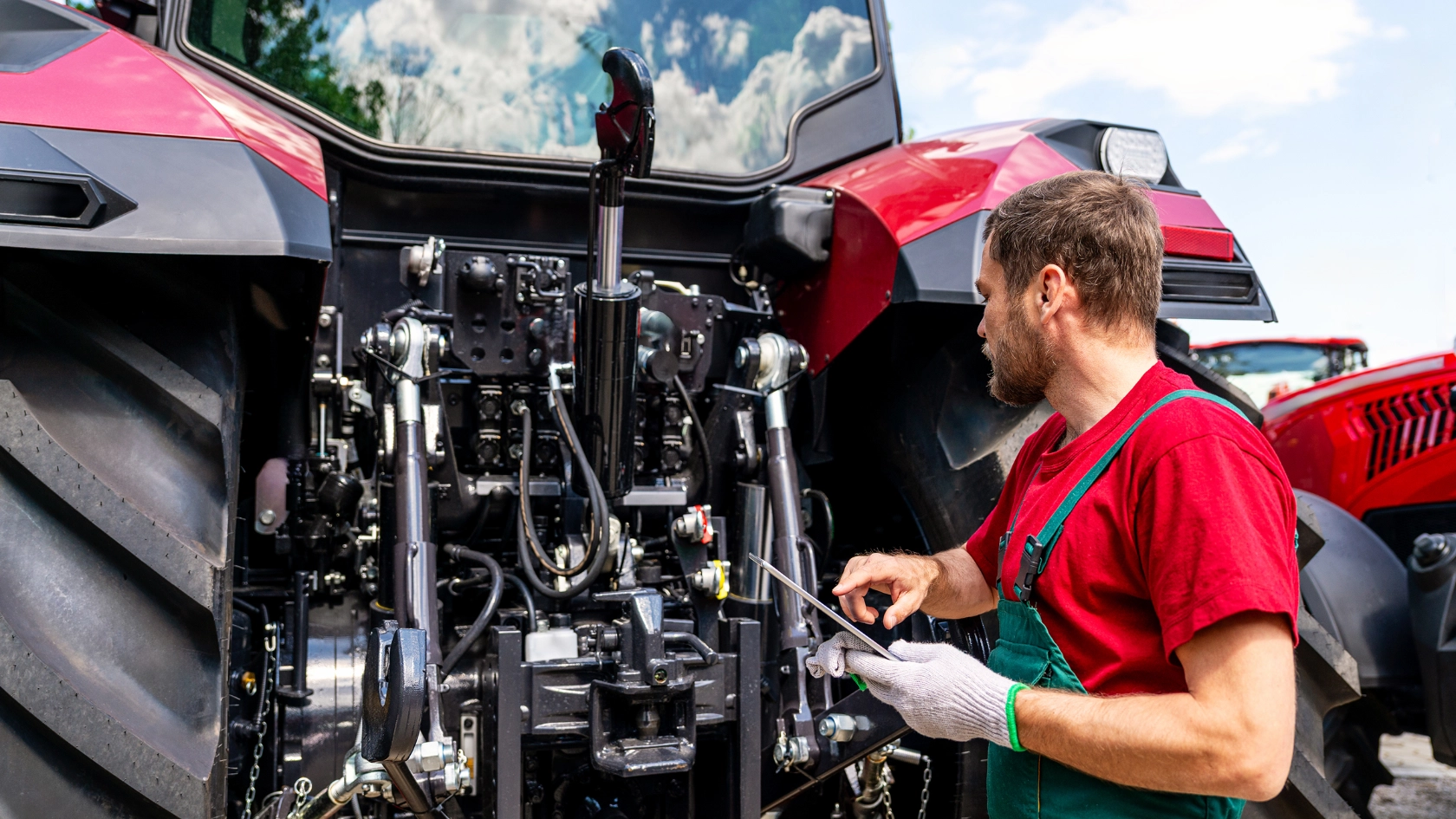
To avoid stress, it’s best to fill out the training logbook daily. Here, we look over Anna-Lena Neumaier’s shoulder as she fills out her training logbook. The young metalworker is training to become an industrial mechanic. Photo: FotoStudioWest/Holger Vogel
Here’s how it works
You fill out the report booklet daily or weekly, either by hand or electronically. In it, you record what you did during your apprenticeship. The report booklet serves as proof of whether the company adhered to the training plan. Apprentices should be truthful: If you spent eight weeks solely filing documents, you should record that activity as well. The reason: If, for example, you fail the final exam, you can use the logbook in the event of a dispute to verify whether this was actually due to the trainee or to the poor quality of the training.
In addition to your activities at the company, you should also document instruction, on-the-job training, and workshops, as well as the topics covered in vocational school classes.
Your employers will provide you with the necessary logbooks, forms, IT programs, or similar materials free of charge. There are now numerous options available on the market for both traditional and electronic logbooks.
During working hours
For written training records, trainers confirm the accuracy and completeness of the entries with a date and signature. For electronically created report books, confirmation can also be provided in other ways (for example, through the exchange of confirmatory emails with a simple electronic signature or through electronic approvals).
Whether the training logbook is to be maintained in written or electronic form—this decision is made when the trainingagreement is signed.
And because the training log is an integral part of the apprenticeship, trainees are permitted to fill it out during working hours.
Video: Training Logbook – How to Maintain Your Training Record (ausbildung.de)