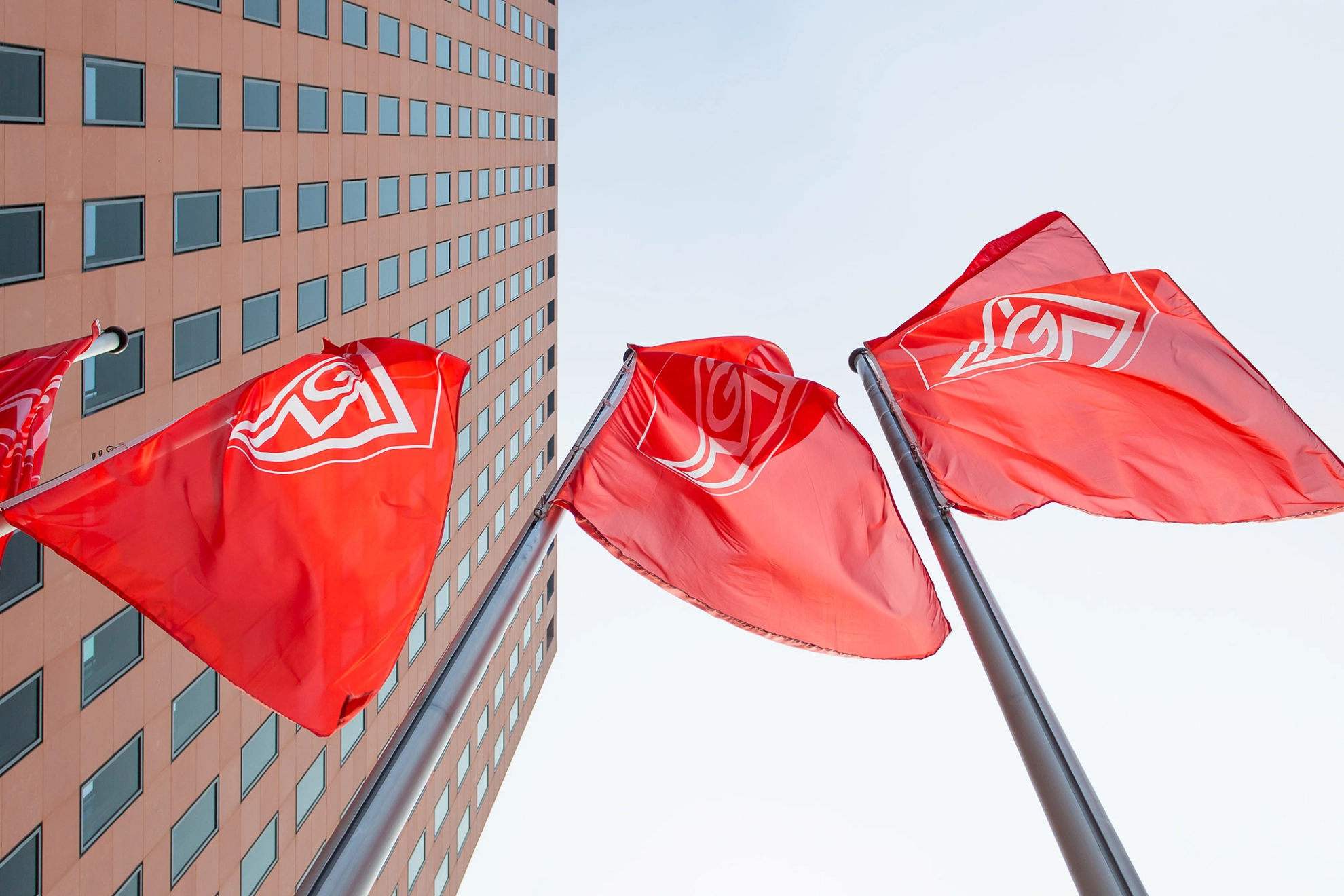
Frankfurt am Main – Workers in the metal and electrical industries applied pressure to the collective bargaining negotiations with great determination during their first week of warning strikes: From Tuesday through Friday, more than 216,000 workers nationwide underscored their demands for greater purchasing power and measures to boost the appeal of apprenticeships. As a result, despite regional holidays, more people participated in the four days of action—with around 1,000 workplace actions—than during the first week of warning strikes in the 2022 collective bargaining cycle.
IG Metall is taking stock following the third round of collective bargaining negotiations. Nadine Boguslawski, IG Metall’s Executive Board member responsible for collective bargaining: “With their powerful commitment to the warning strikes, workers in individual regions have gotten the talks moving for the first time. However, employers are still blocking progress on fundamental issues such as a 7 percent raise for greater purchasing power and an additional 170 euros for apprentices. This is harmful. That’s why the warning strikes must continue.”
“Time is running out!”
To reach a swift and productive solution at the negotiating table, the union leadership has tasked the IG Metall districts of Küste and Bavaria with working together to find a resolution to the collective bargaining dispute with employers. Christiane Benner, First Chair of IG Metall: “The differences with our negotiating partners on the issue of pay are significant. However, signs of convergence are emerging regarding the collectively agreed time off. We view the intensity and seriousness of the talks in the north and south positively. IG Metall therefore plans to launch an attempt to find a solution on November 11 in Hamburg.”
The three remaining regional negotiation sessions and the time leading up to November 11 still offer an opportunity to explore the contentious issues of the collective bargaining round in greater depth. The fourth round of negotiations is to be led primarily by the IG Metall districts of Bavaria and the Coast. “It is up to the employers to move toward the goal,” said Christiane Benner. “Time is running out. It is our responsibility as social partners to ensure planning security for employees and companies by reaching a swift agreement.”
Actions in the IG Metall districts
Since the end of the peace obligation, metalworkers across the country have been putting pressure on employers with flags, torches, and bonfires. In the IG Metall district of Lower Saxony/Saxony-Anhalt, more than 1,500 employees of MAN Truck & Bus kicked off a week of warning strikes starting Tuesday night. In Bavaria on Tuesday, 5,000 apprentices took part in a central warning strike in front of the Audi plant in Ingolstadt, campaigning colorfully, vociferously, and with great enthusiasm for better prospects. In the IG Metall Berlin-Brandenburg-Saxony district, around 2,000 employees at BMW in Leipzig alone walked off the job that morning. On the same day, 2,000 warning strikers in Kiel (Coastal District) emphasized their demands during the third round of collective bargaining negotiations. In North Rhine-Westphalia, 9,000 employees staged a warning strike overnight, in the morning, and in the afternoon at Ford in Cologne. In the Mitte district, 3,000 Daimler workers went on a brief walkout on Wednesday in Kassel and Wörth, and just as many demonstrated on Thursday ahead of the collective bargaining negotiations in Mainz. On Thursday, 9,000 workers at Mercedes-Benz in Untertürkheim (Baden-Württemberg) ended their shift early.
IG Metall will continue the warning strikes next week.