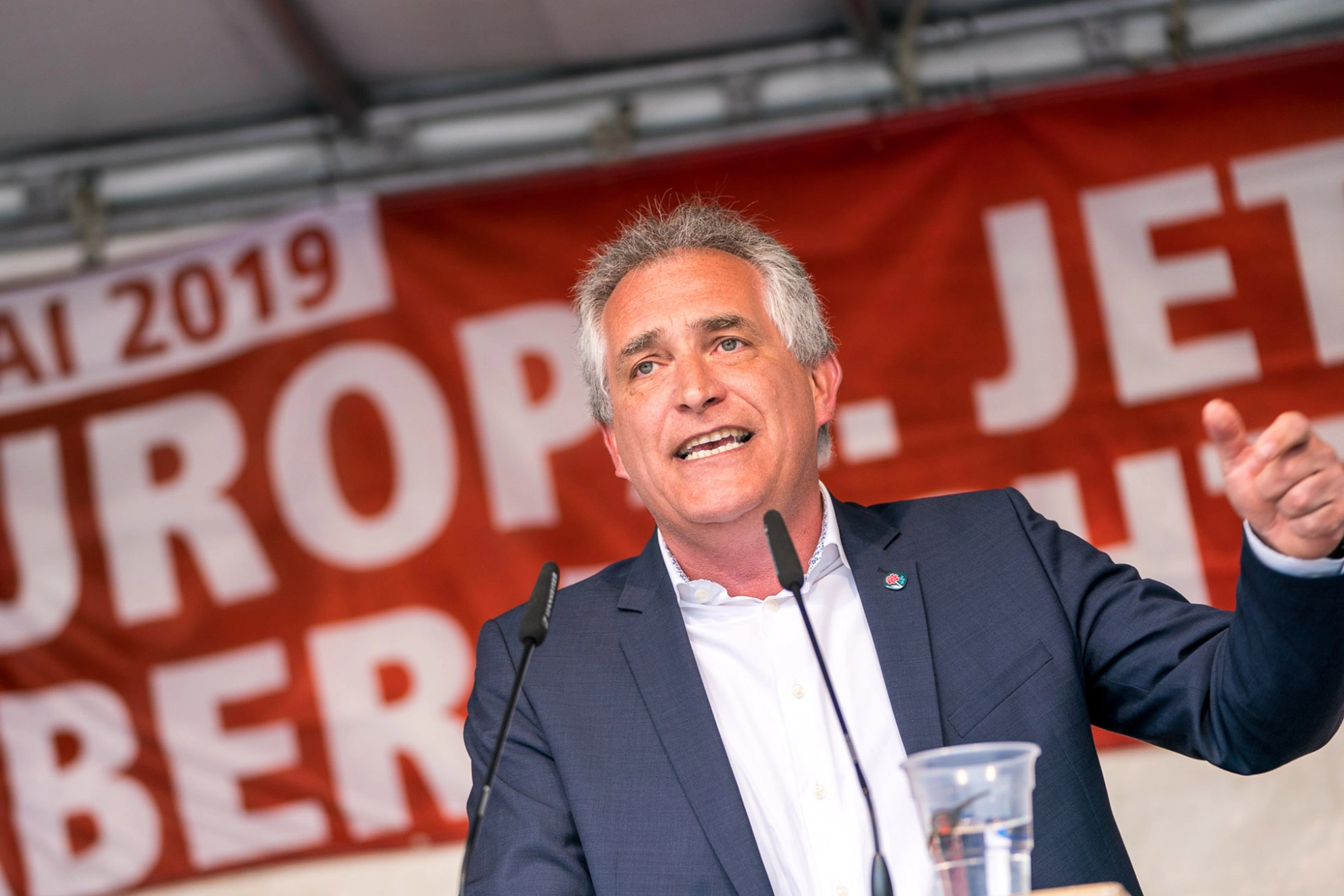
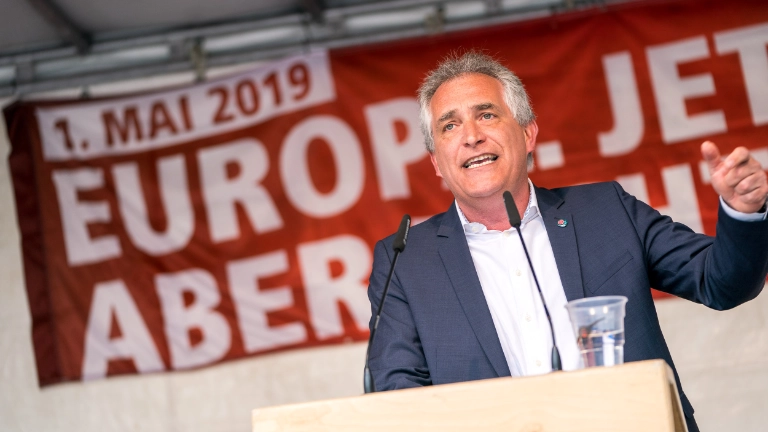
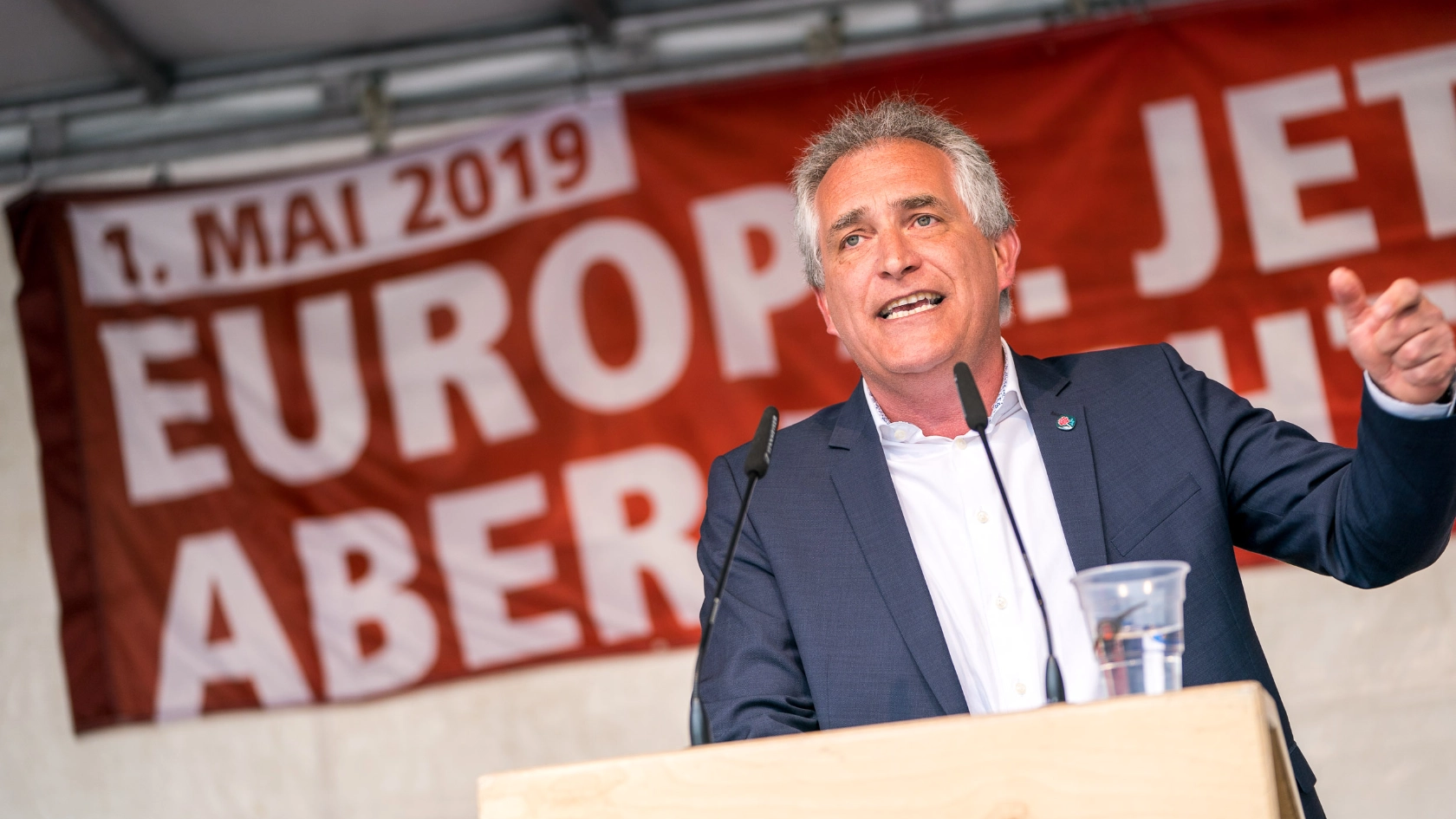
Bautzen – “Climate protection and our professional future must not be pitted against one another. The uncertainty is palpable. Mobility and energy must be climate-friendly, but also affordable. This requires pressure from unions and workers to ensure that technological progress also leads to social progress in Germany and Europe,” said Jürgen Kerner, chief treasurer of IG Metall, in his May 1 speech on Tuesday in Bautzen.
“The unions stand for a social, ecological, and democratic transformation of the world of work and society. This can only succeed if a major joint project involving the government, employers, and unions is established—one that is supported, for example, by broad-based training programs, a right for works councils to initiate continuing education, and a short-time work allowance for the transition period.” Eastern Saxony, in particular, could become a model region for mobility and energy storage—the conditions are already in place, Kerner said.
IG Metall will present its demands to policymakers and companies in support of the transformation process at the major event #FairWandel on June 29 in Berlin.
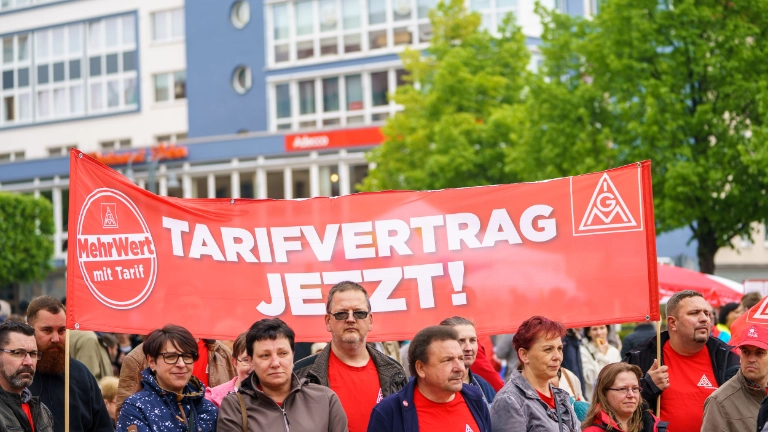
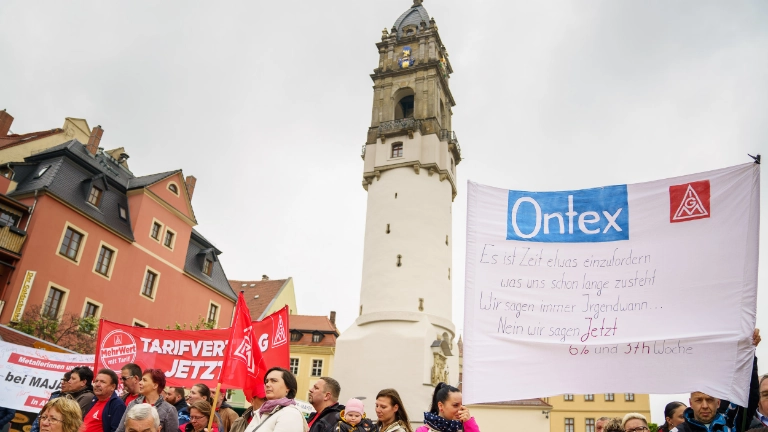
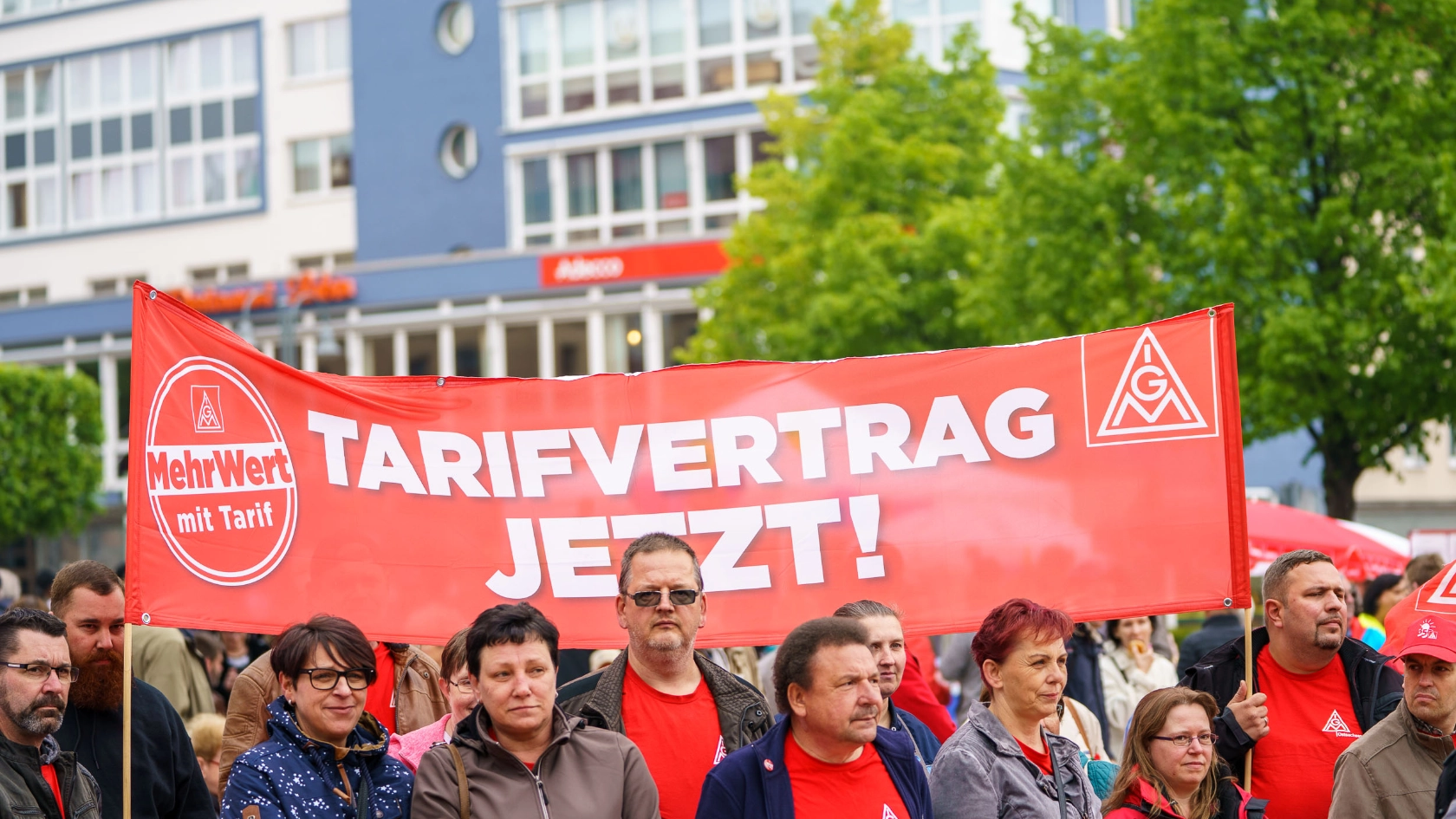
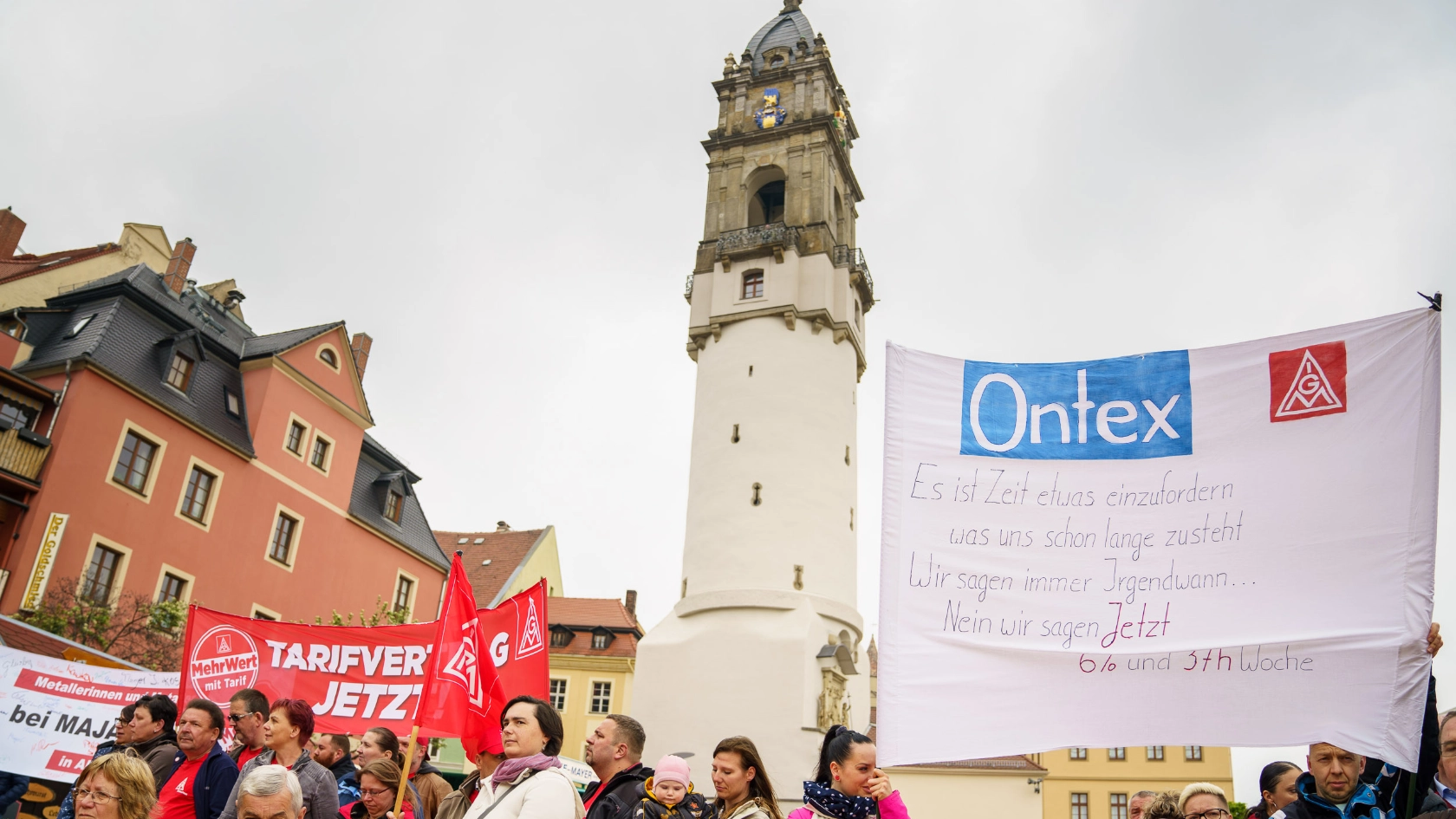
Kerner criticized the fact that, 30 years after the fall of the Berlin Wall, there are still no equal living conditions in Germany. “Employers are sabotaging equal living conditions because they are evading collective bargaining agreements, and at the same time, working hours here are still longer than in western Germany.” Currently, only 18 percent of companies in the eastern German states are covered by a collective bargaining agreement. “This is a scandal,” said Kerner, calling on policymakers to take action: “Politicians’ lip service about increasing collective bargaining coverage must finally be followed by action. Above all, more collective bargaining agreements must be made binding for entire industries.” IG Metall is currently in talks with Gesamtmetall regarding a reduction in working hours in the metal and electrical industries in the new federal states. In addition, a collective bargaining agreement was reached yesterday (April 30) for the East German textile industry, reducing the workweek to 37 hours. “The collective bargaining agreement in the East German textile industry is an important milestone. By standardizing working hours, we have finally achieved a turning point here as well,” said Kerner.
“The challenges of digitalization, climate change, and globalization do not stop at national borders. That is why we need Europe-wide standards for good working conditions that protect workers, rather than cutthroat competition driven by low wages. The EU must promote collective bargaining coverage; this must be a prerequisite for the allocation of public funds across Europe,” said Kerner.
For this reason, everyone is called upon to participate in the European Parliament elections on May 26, 2019. “We must not leave our fate in the hands of the anti-Europeans! Right-wing populism, nationalism, and xenophobia are a threat to peaceful and harmonious coexistence.”
Speech by Jürgen Kerner on May 1
Further information
Unions are demonstrating on May 1 for a social Europe and a fair transition