Automatic translation
This article has been translated automatically using computer technology. While we strive for accuracy, some wording or details may differ from those in the original article.
This translation was not manually reviewed. For important facts, quotations or legally sensitive information, please consult the German original. Individual selections, images, embedded media or technical terms may have been translated differently or incompletely.

PRESS RELEASE NO. 23/2021 IG Metall Executive Board Approves Additional 24-Hour Warning Strikes for Collective Bargaining Equalization Payments in Eastern Germany

Collective bargaining dispute in Berlin, Brandenburg, and Saxony continues +++ Jörg Hofmann: “Employers must finally abandon their obstructionist stance. Harmonizing working conditions is a matter of fairness and responsibility.”
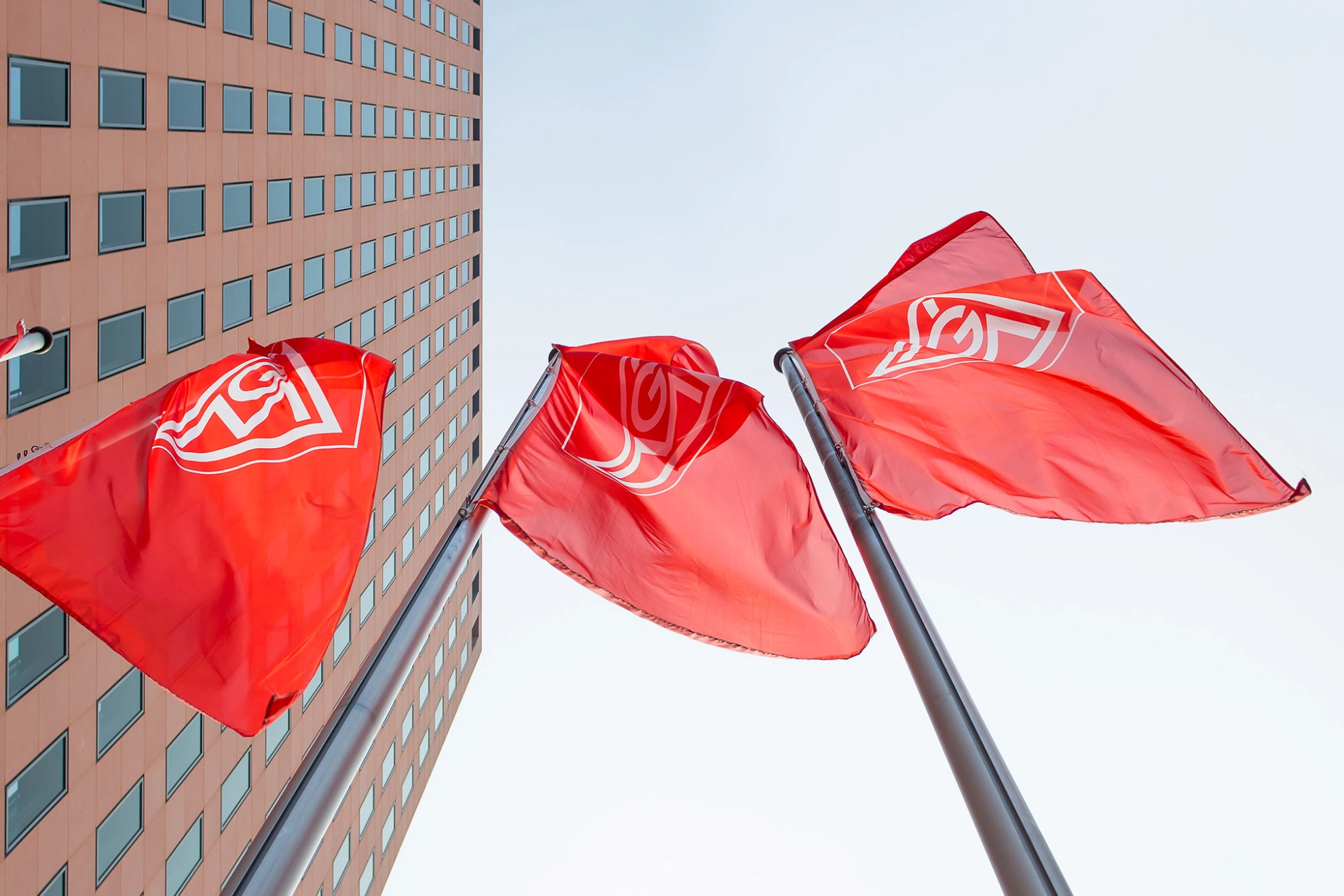
IG Metall, Mainforum, Gebäude, Fahnen

4 May 2021 4 May 2021


Frankfurt am Main – In light of the still-unresolved demand for a collective bargaining adjustment payment in eastern Germany, the IG Metall Executive Board has paved the way for further warning strikes. At its regular meeting this Tuesday evening, the Executive Board passed a resolution to allow 24-hour warning strikes in the collective bargaining areas of the IG Metall Berlin-Brandenburg-Saxony district, initially through May 12, 2021.

“Employers must finally abandon their obstructionist stance. The equalization of working conditions is a matter of justice and responsibility,” said Jörg Hofmann, President of IG Metall, following the Executive Board meeting on Tuesday evening in Frankfurt. “We now need a signal from employers that they are taking the employees’ demand for fair treatment in the east seriously.”

An agreement in the collective bargaining round for the metal and electrical industries has so far failed in Berlin, Brandenburg, and Saxony due to employers’ refusal to address IG Metall’s demand for a collective bargaining adjustment payment. IG Metall is demanding financial compensation for workers in those regions to account for their longer working hours compared to West Germany. Workers in the metal and electrical industries in eastern Germany work three more hours per week without pay than their West German colleagues. On an hourly basis, this amounts to an 8.5 percent wage shortfall compared to the West.
 

Further information and press photos by Jörg Hofmann 

Subscribe to press releases