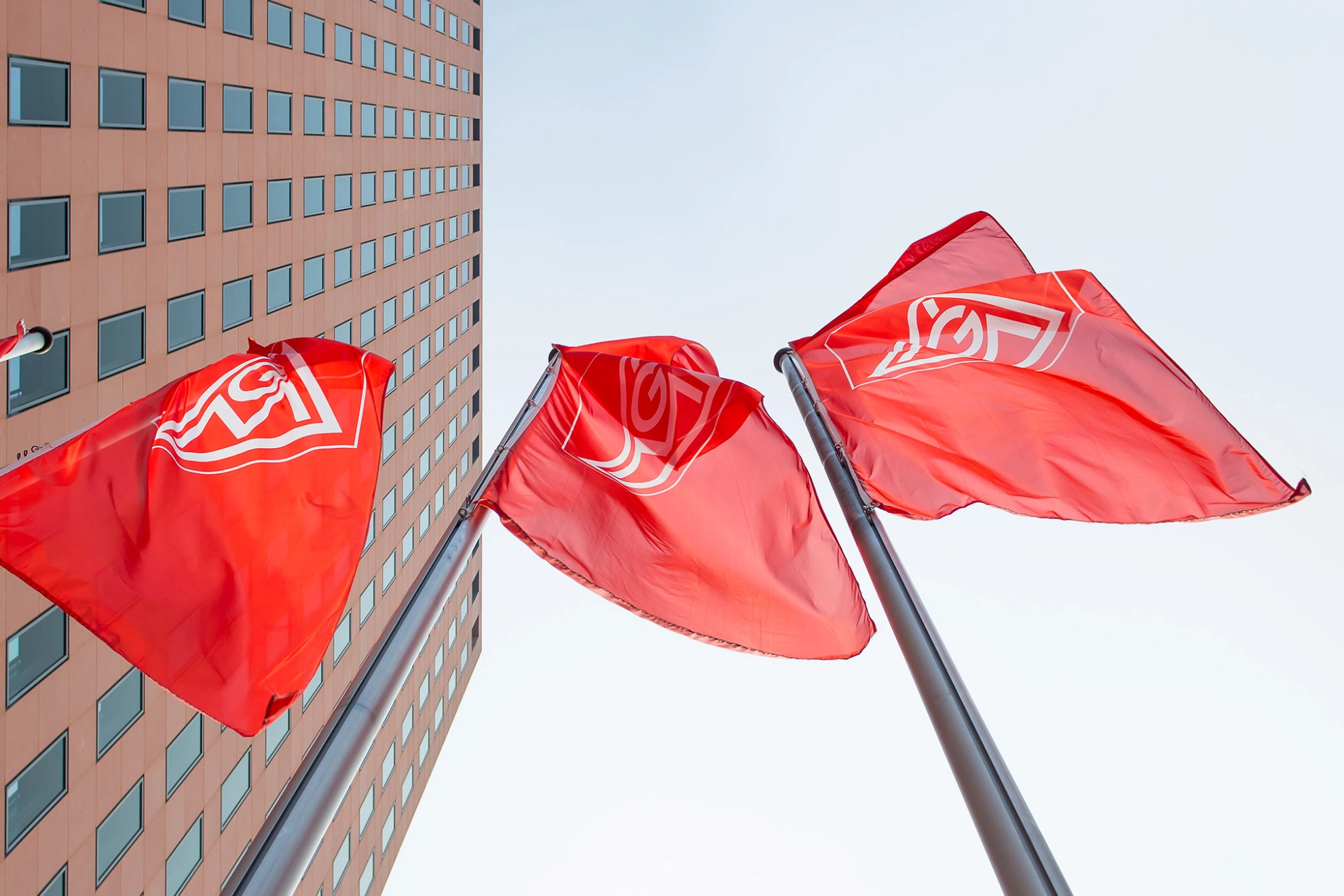
Frankfurt am Main/Essen – With a 7 percent pay increase for employees and an additional 170 euros for apprentices, IG Metall aims to boost purchasing power and support the economy. The union’s executive board approved this demand on Tuesday in Essen. The decision followed discussions and resolutions in the regional bargaining committees. Under the slogan “Solidarity Wins,” IG Metall will launch the collective bargaining round for the 3.9 million workers in the metal and electrical industries this fall.
Christiane Benner, President of IG Metall, said: “Our demand does justice to the situation facing workers and companies and is urgently needed. The inflation rate may be falling, but prices at the checkout remain high for people. The raises and one-time payments from the last collective bargaining agreement have been used up. Now, with a 7 percent pay increase, workers deserve a reliable, long-term adjustment.” Apprentices, in particular, are suffering from the rising cost of living. That is why their compensation must rise disproportionately by 170 euros as part of an “attractiveness boost.” The new collective bargaining agreement is to run for 12 months.
In addition to employees, domestic demand—as the anchor of economic stability—also requires significantly higher wages in Germany’s core industries. “Our colleagues and the economy now need a substantial raise and, with it, positive prospects,” said Benner. “The same applies to securing the state’s future and employment through policy and business: massive investments are needed now.”
With a social component, IG Metall aims to give special consideration to lower-income groups within companies. Furthermore, IG Metall insists that employers better acknowledge the burdens and commitment of employees regarding working hours: “The dedication shown by our colleagues, society, and democracy deserves more recognition.” The existing options for full-time employees who work shifts or have caregiving or child-rearing responsibilities to choose between time off and pay are to be expanded to include more people and situations.
Nadine Boguslawski, IG Metall’s executive board member for collective bargaining, said: “With our demand, we respect the varying situations of companies. In return, we expect employers to respect the circumstances and lived realities of employees.” The seven IG Metall districts will begin the first round of negotiations in mid-September. The collective bargaining agreement on wages for the metal and electrical industries expires on September 30. The no-strike clause ends on October 28, 2024. Warning strikes will be possible after that date.