Frankfurt am Main/Göttingen – They supply laundry to hospitals and nursing homes and clean work uniforms for the industrial, healthcare, food service, and public service sectors: Due to warning strikes by employees at textile service providers, deliveries from industrial laundries are currently being delayed.
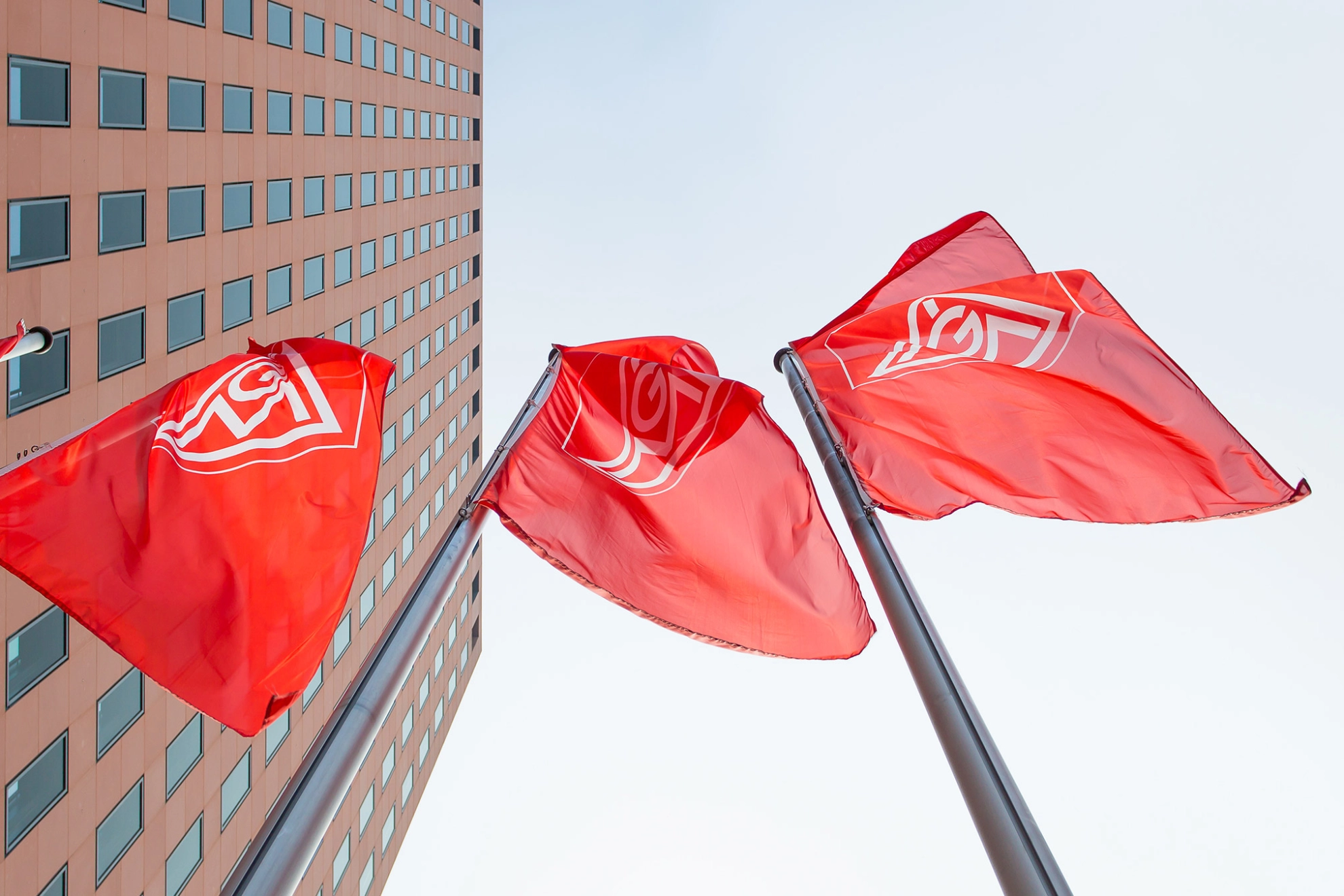
On Monday, July 7, workers in the industry across Germany will draw attention to their situation at the fourth round of collective bargaining in Göttingen. Among other demands, IG Metall is calling for a 6 percent pay increase for these workers. Since June 24, the union has been ramping up pressure on employers—including the companies Alsco, Bardusch, CWS, Elis, and MEWA—through intensified warning strikes. With over 5,000 warning strikers so far, the union is seeing higher participation than in the past.
In Göttingen, employees will hold a demonstration to accompany the collective bargaining negotiations for the textile services sector:
Monday, July 7, 2025, 11:00 a.m.
across from “Hotel Freizeit In,” Dransfelder Straße 3, 37079 Göttingen
“Workers in industrial laundries are in the low-wage sector, yet their work is essential to public health and hygiene. However, they apparently hold no significance to their employers when it comes to recognition,” says IG Metall negotiator Miriam Bürger. “We are willing to reach an agreement, but not at any price.”
IG Metall is demanding a 6 percent monthly pay increase, with at least 180 euros for the lowest pay grades. Workers, who are subjected to heat and stress, also expect improved partial-retirement arrangements. According to IG Metall, however, employers are still offering a meager proposal that would not take effect until 2026: a minimum of 50 euros, or 1.9 percent, more per month starting January 1, and a 2.2 percent wage increase starting in 2027. The supplementary payments for employees in partial retirement are to be raised slightly, but not the number of eligible employees.
Textile service providers clean items such as work clothes and linens from hotels, restaurants, and hospitals. The industry employs 23,000 workers nationwide. More than half of them benefit directly from a collective bargaining agreement.