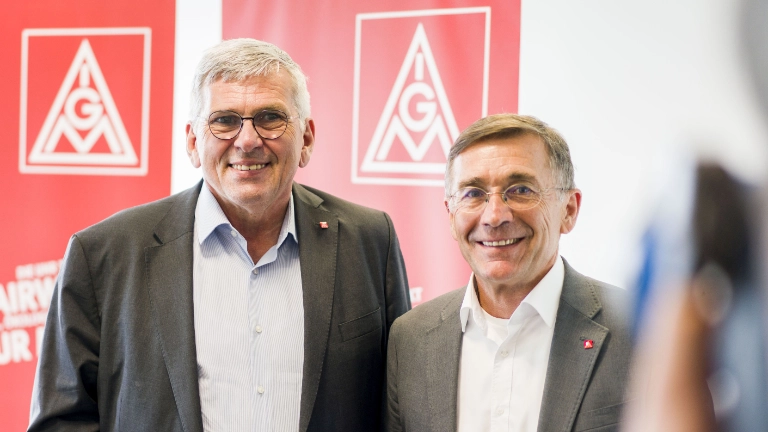
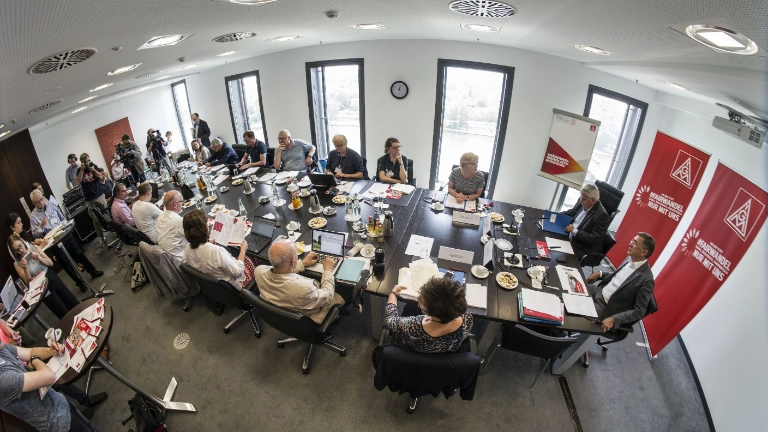
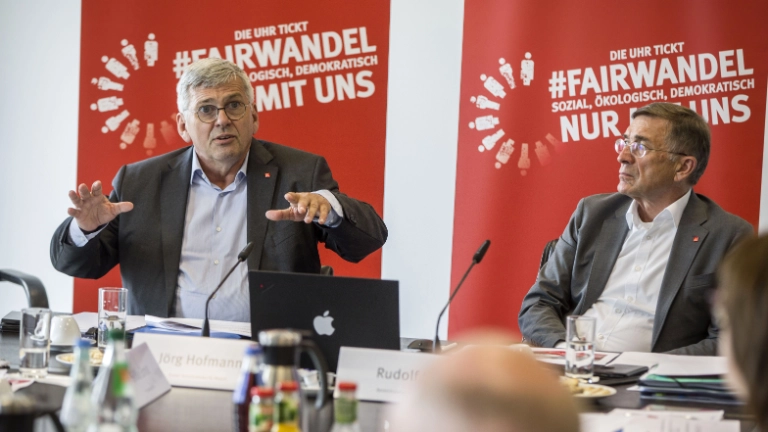
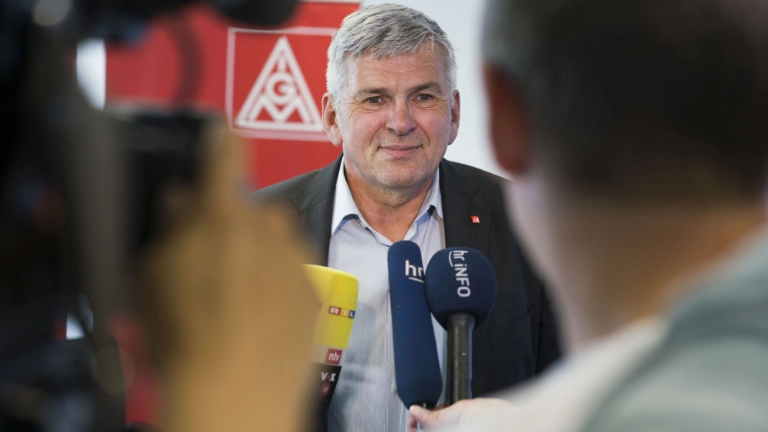
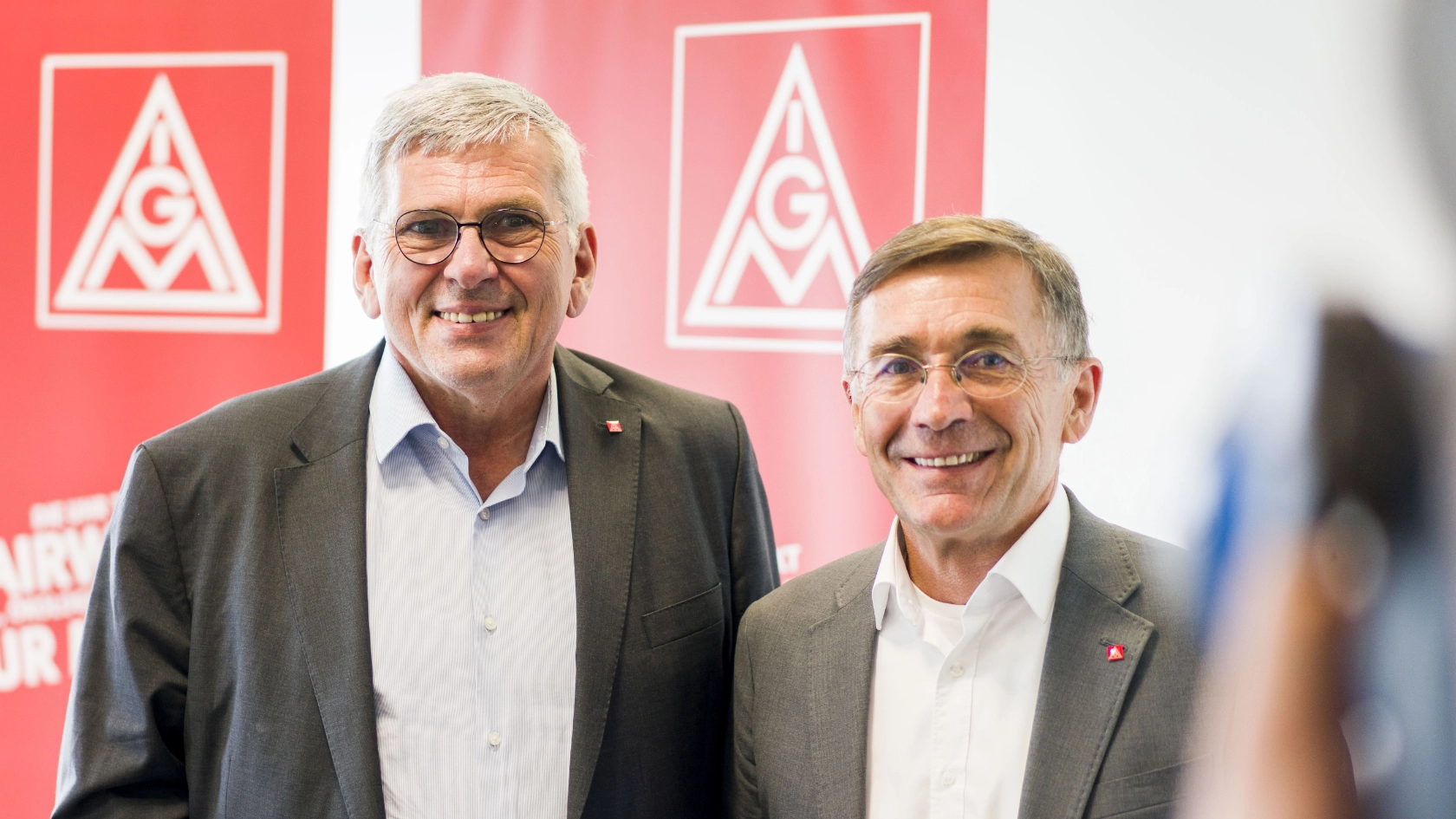
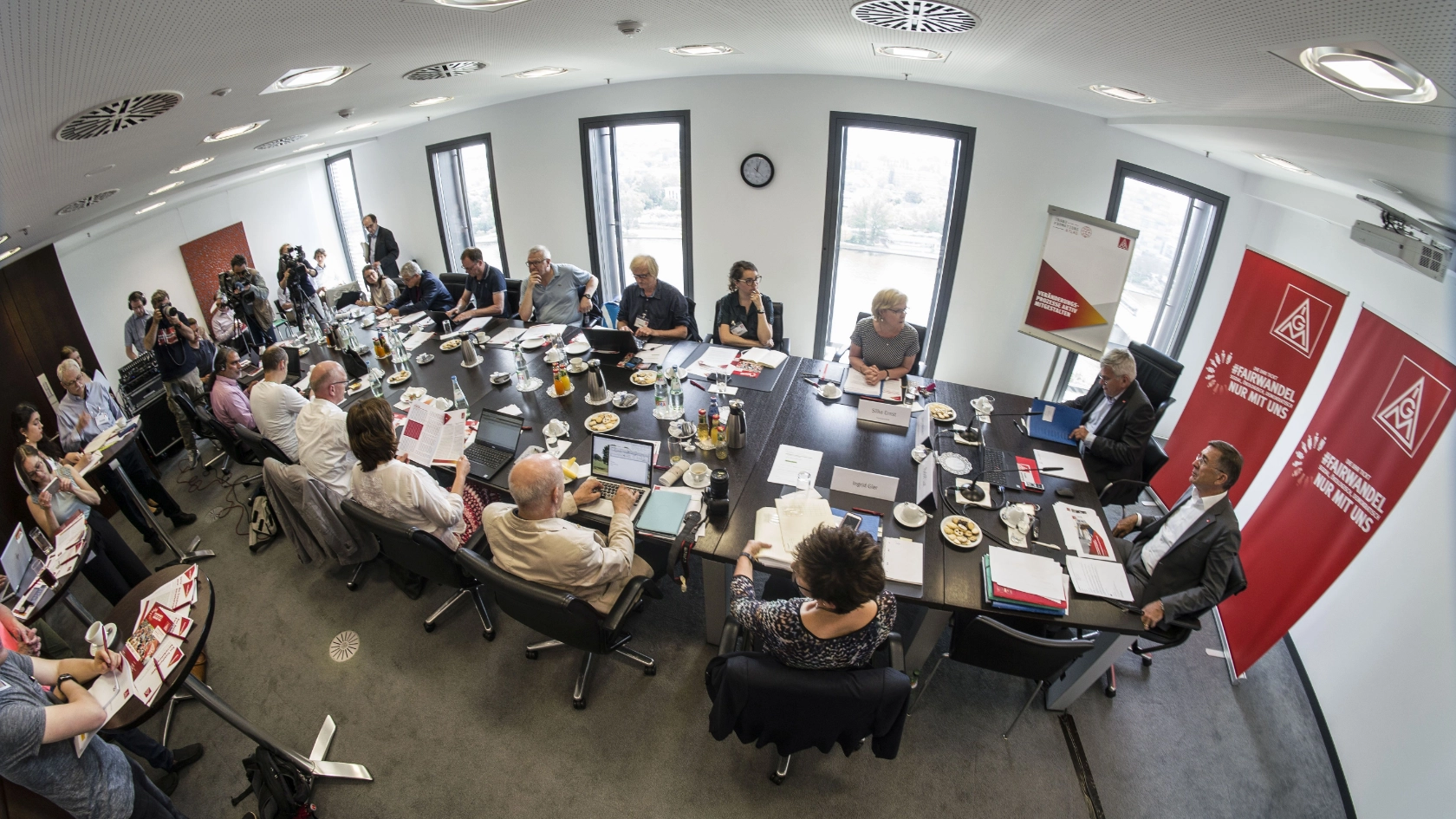
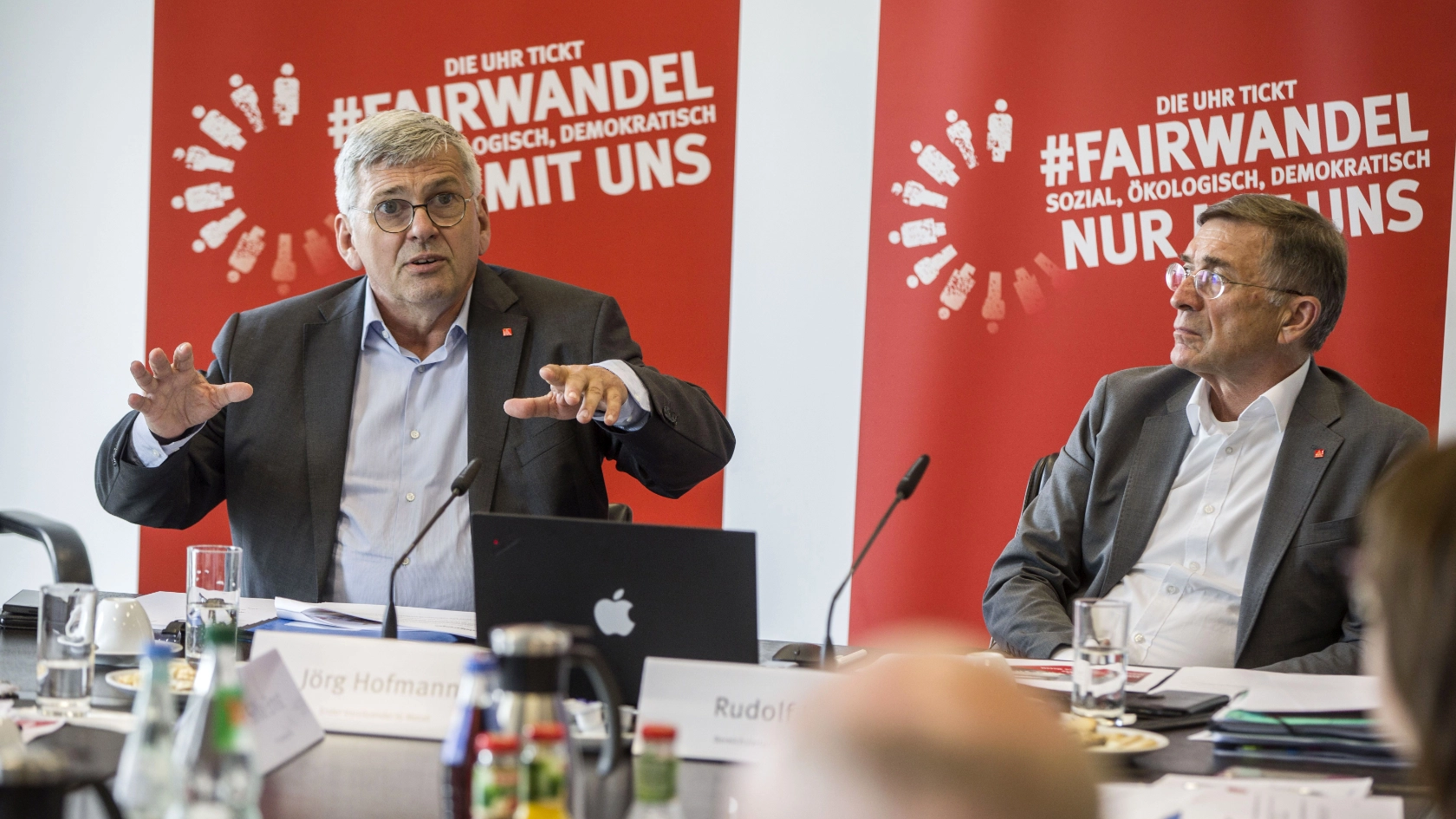
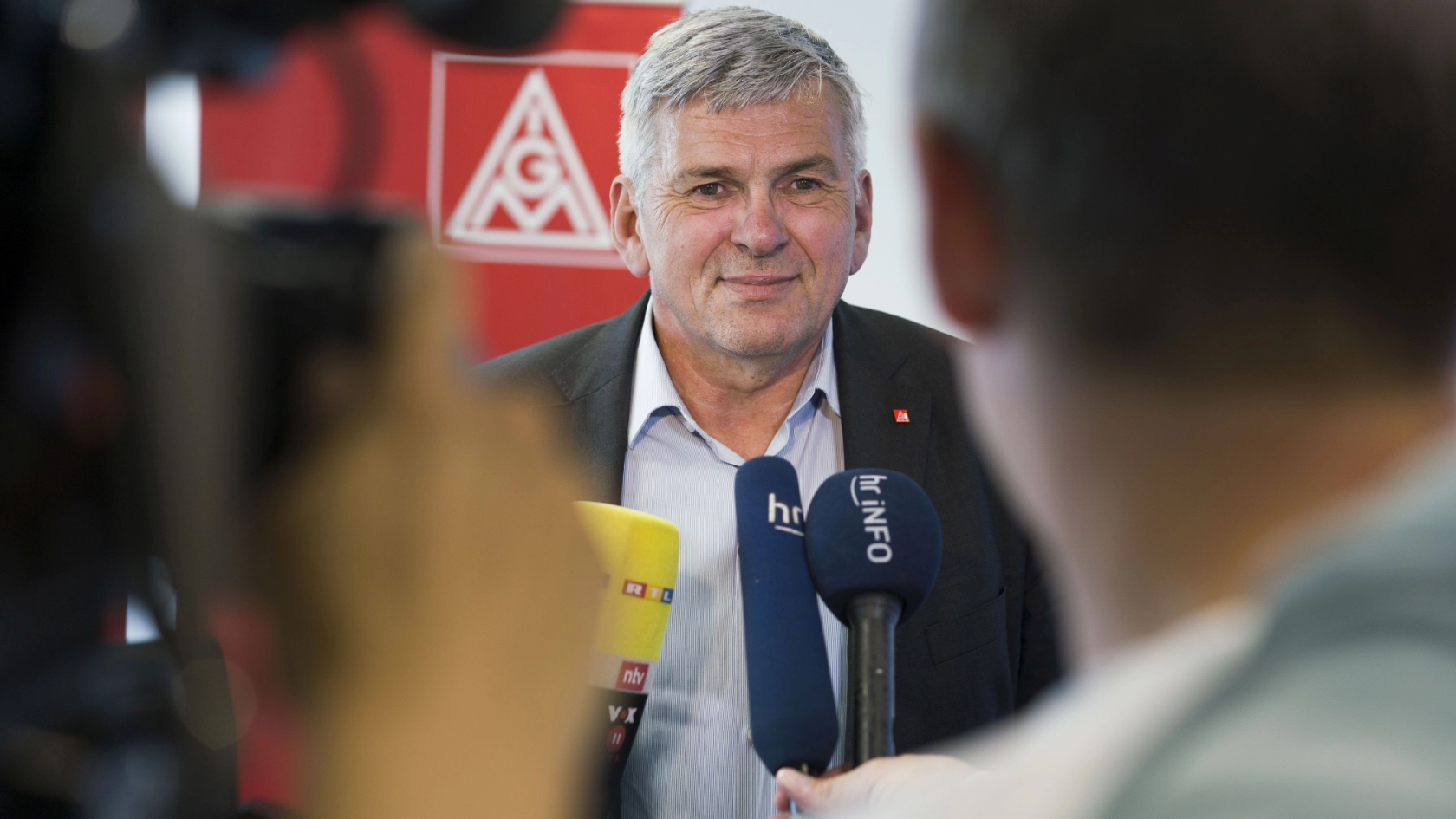
Frankfurt am Main – Many companies within the IG Metall union’s organizational scope are unprepared for the digital and ecological transformation. “Just under half of the companies have no strategy—or an insufficient one—for managing the transformation. Companies and employees must adapt to new skills and, in some cases, new business models. However, the ability to change required for this is only just beginning to emerge. If companies continue to act so defensively, they are gambling with the future of their employees,” said Jörg Hofmann, President of IG Metall, on Wednesday in Frankfurt during the presentation of the union’s Transformation Atlas.
The Transformation Atlas is an assessment of digitalization and ecological change based on data from nearly 2,000 companies with approximately 1.7 million employees. The information provided by works councils and union representatives, who completed the extensive questionnaire, paints a picture of the current state of digitalization, corporate strategy and development, employment structure, workforce development and training, as well as employee participation and involvement. The Atlas serves as the data foundation for IG Metall’s strategy to shape the transformation.
Digitalization will have a massive impact, above all, on work in manufacturing and assembly, in administration and logistics, and in technical customer support. Jobs in these areas involve a large proportion of tasks whose nature will change or which may be eliminated entirely. Fifty-seven percent of employees at the participating companies perform tasks with a high potential for automation.
“The companies are only at the beginning of the transformation, but it is already clear that there will be job cuts in the medium term, varying by region and industry. We expect the sharpest declines in companies with more than 1,000 employees,” said Rudolf Luz, Head of Labor Policy on the IG Metall Executive Board in Frankfurt.
The automotive and supplier industries, in particular, are being profoundly transformed by technological change: In 54 percent of companies in this sector, a decline in the number of jobs is anticipated. “For suppliers in particular, the transformation could threaten their very existence if they have limited capital and no viable new business models,” said Hofmann.
In light of these findings, the union representative is calling on employers to take precautionary measures and prepare their companies for the transformation. “Companies must proactively address the upcoming changes. This includes investing in new products, processes, and business models. Forward-looking workforce planning and on-the-job training are also necessary to ensure that companies can navigate the transition,” said Hofmann. Continuing vocational training must no longer be limited to specialists and managers; all employee groups must have the opportunity to gain new qualifications.
Hofmann: “This transformation can only succeed in collaboration with the employees. The works council therefore needs more rights of co-determination regarding continuing vocational training, workforce planning, and strategic issues.”
Politicians also bear responsibility for the digital and ecological transformation. Many companies are operating on a day-to-day basis partly because there is still uncertainty regarding the framework conditions for the energy and mobility transitions. This also includes the necessary investments of billions in infrastructure.
For regions particularly affected by structural change—such as those heavily dependent on the automotive industry—structural funds must be established to cushion the impact of these changes.
A transformation short-time work allowance is also urgently needed. When the volume of work declines due to structural change, this new labor market policy tool can keep employees at a company while also training them to work on new products. Hofmann: “We need the transformation short-time work allowance as an employment bridge if layoffs are to be avoided.”
To underscore these demands, IG Metall is calling for a rally under the slogan #FairWandel on Saturday, June 29, 2019, at the Brandenburg Gate in Berlin.
To the presentation
To the handout
To the fact sheet
Further information